
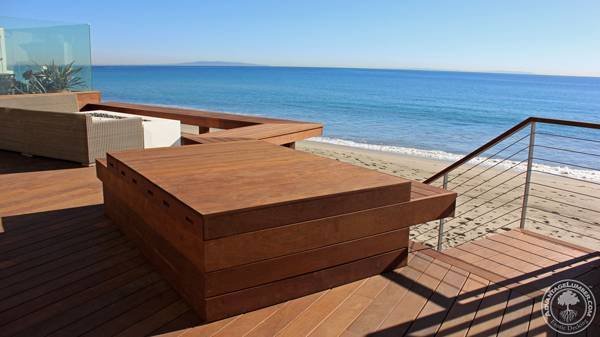
Every year on June 8, World Ocean Day reminds us how important healthy oceans are to our planet. Oceans regulate climate, support marine ecosystems, and play a major role in sustaining life around the world. They also face growing challenges from pollution and long-lasting waste materials entering waterways and coastal environments.
When most people think about ocean pollution, they think about plastic bottles, bags, and packaging. However, larger construction materials can also become environmental debris under certain conditions.
Can Decking Materials End Up in the Ocean?
In coastal regions and hurricane-prone areas, severe storms can damage or completely destroy outdoor structures. Deck boards, railings, and other building materials may be carried into drainage systems, rivers, wetlands, and eventually the ocean.
After major storms, washed-up construction debris can sometimes be found along shorelines and coastal areas. Synthetic decking materials such as composite and PVC decking are extremely durable products, but because they contain plastic-based materials, they do not naturally biodegrade once they enter the environment.
This raises an important question for homeowners: What happens to decking materials at the end of their lifespan or after storm damage?
Natural Wood vs. Synthetic Decking Materials
Composite and PVC decking have become popular because they offer low maintenance and consistent appearance. These products can be an excellent fit for many outdoor projects.
However, natural hardwood decking offers a different environmental profile. Responsibly sourced hardwood decking is made from natural wood rather than plastic-based materials. Species such as Ipe, Cumaru, Garapa, Tigerwood, and Brazilian Redwood (Massaranduba) are known for their exceptional durability and long lifespan outdoors.
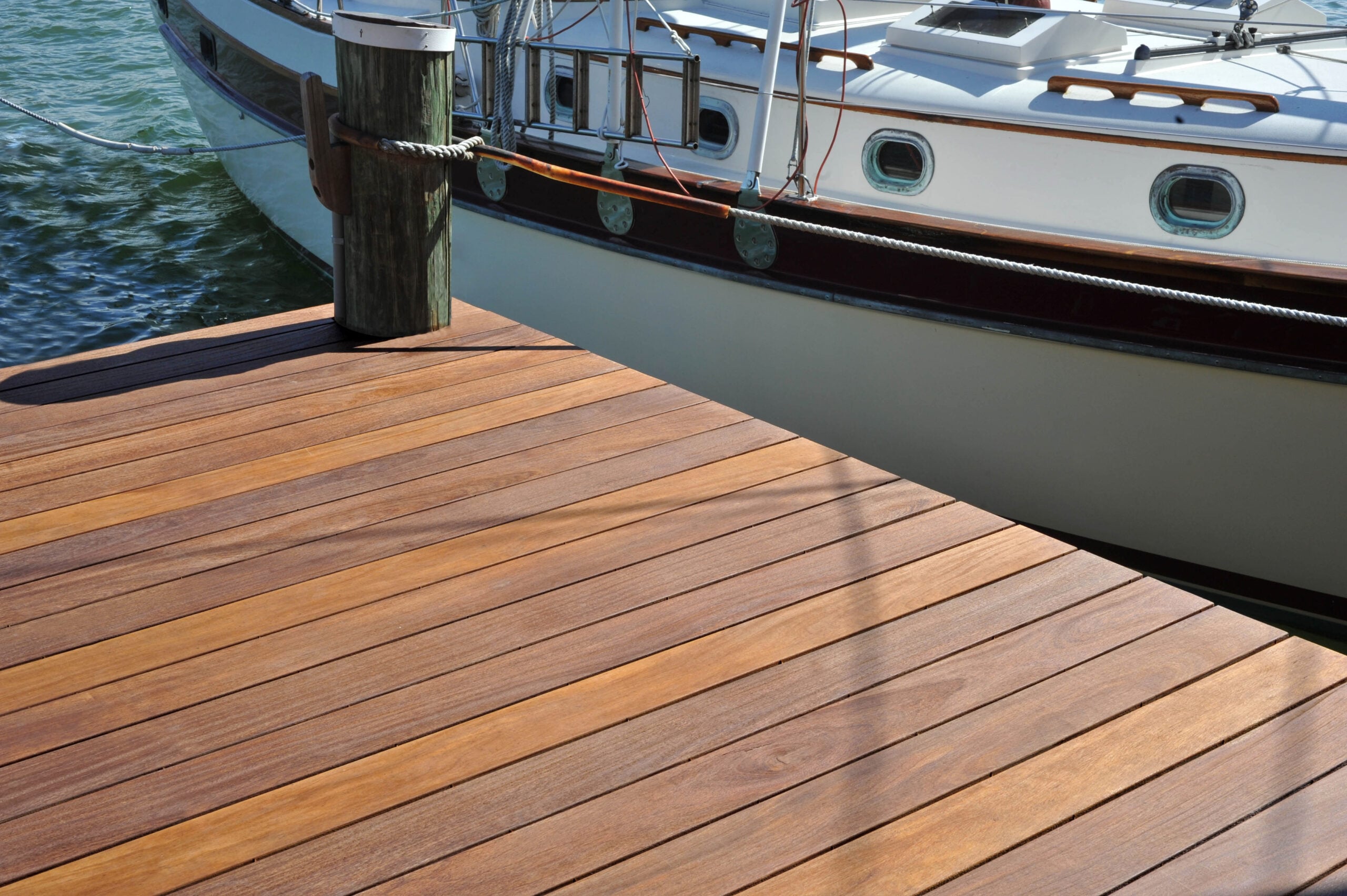
Unlike synthetic decking materials, natural hardwood decking will eventually biodegrade over time at the end of its service life. Wood is also a renewable resource when harvested responsibly from managed forests.
For homeowners looking to reduce long-term environmental impact, this makes hardwood decking an attractive alternative that combines durability, natural beauty, and a more natural lifecycle.
Why Responsibly Sourced Hardwood Matters
Environmental responsibility does not stop at the shoreline. It also includes how natural materials are harvested and managed.
Responsibly sourced hardwood decking comes from managed forestry operations focused on long-term sustainability. These practices help support forest regeneration, biodiversity, and responsible land stewardship rather than uncontrolled harvesting.
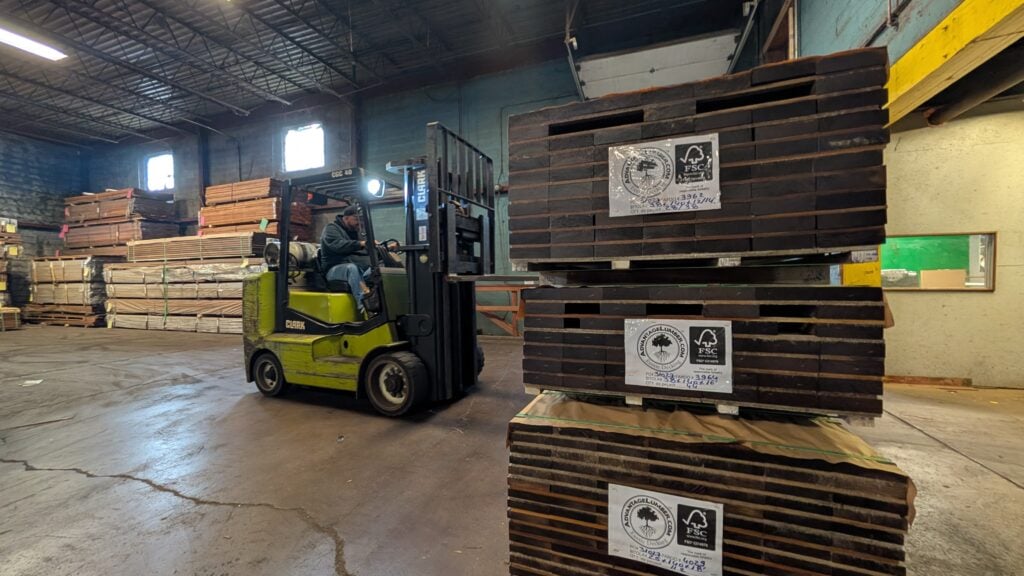
For homeowners seeking additional environmental assurance, FSC-certified hardwood decking provides third-party verification that forests are managed according to strict environmental and social standards.
This helps ensure that choosing natural hardwood decking supports both ocean-conscious building practices and responsible forest management.
Key Takeaways
- Severe storms can carry decking materials into waterways and coastal environments
- Composite and PVC decking contain plastic-based materials that do not biodegrade naturally
- Hardwood decking is a natural material with a renewable lifecycle
- Responsibly sourced hardwoods combine durability with long-term environmental considerations
- FSC-certified hardwood decking supports responsible forestry practices and sustainable sourcing
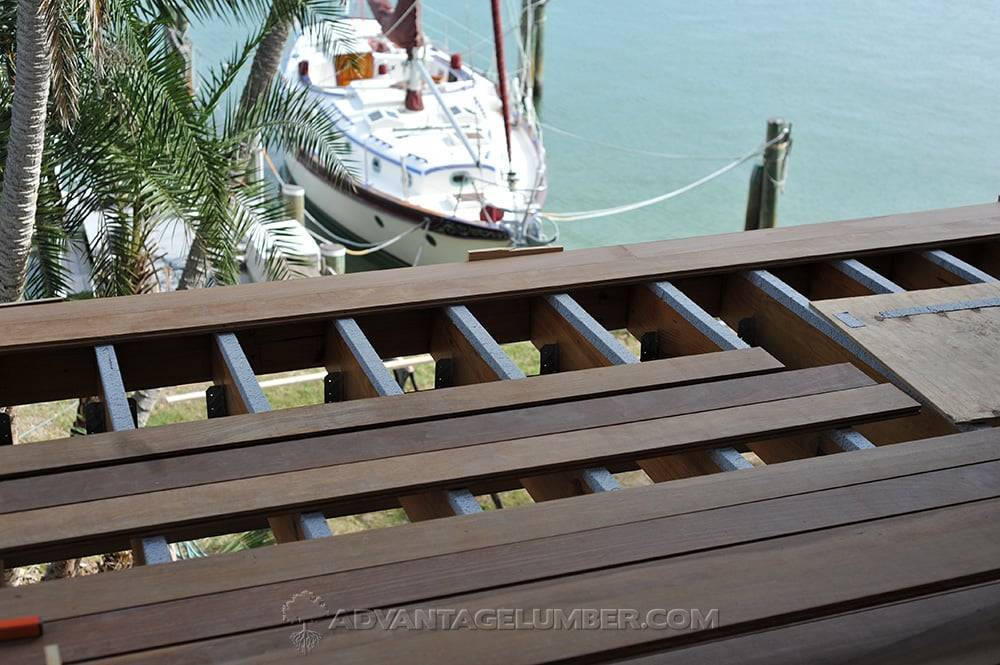
Build Outdoor Spaces with Long-Term Sustainability in Mind
World Ocean Day is a reminder that material choices can have environmental impacts long after a project is completed. Considering durability, lifespan, and long-term environmental behavior can help homeowners make more informed decking decisions.
At AdvantageLumber.com, we offer sustainably sourced hardwood decking, FSC-certified decking, composite decking, and PVC decking to fit a wide range of project goals and design preferences. Contact our team to learn more about choosing the right decking material for your outdoor space.
