
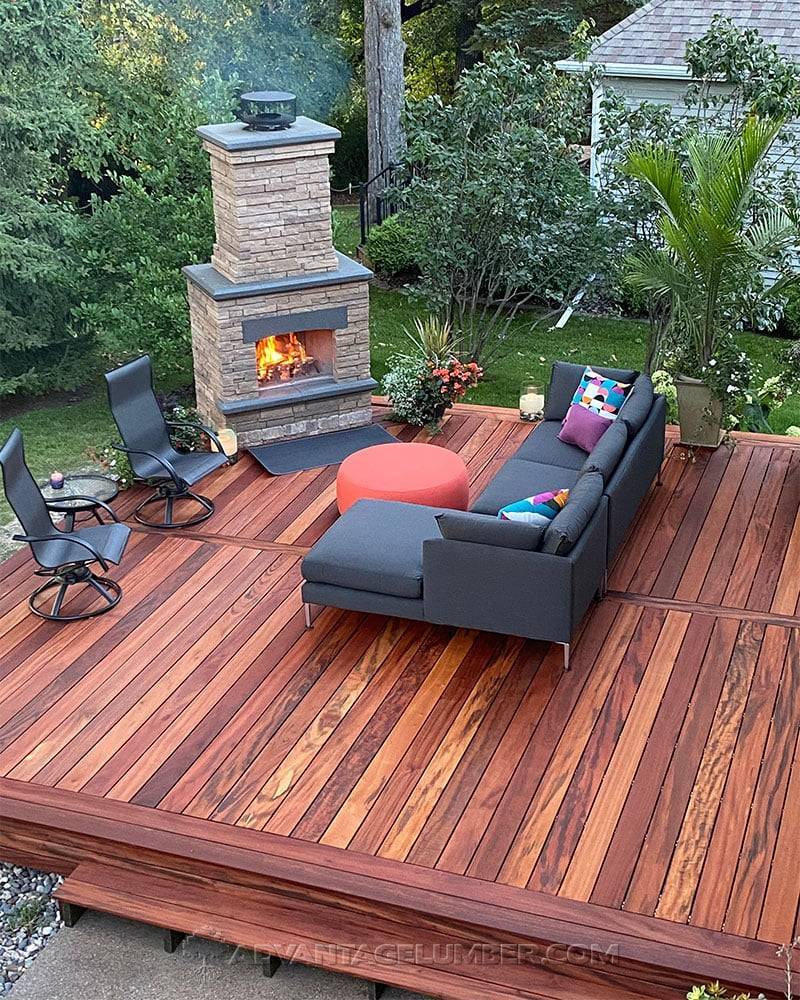
If you are looking for a deck that stands out the moment someone steps into your backyard, Tigerwood decking is hard to ignore. Known for its bold striping and rich color variation, Tigerwood offers a combination of exotic beauty and long-term durability that makes it a compelling alternative to more well-known hardwoods.
But how does Tigerwood actually perform in real-world conditions? And is it the right choice for your project?
Let’s take a closer look.
What Is Tigerwood?
Tigerwood, sometimes referred to as Goncalo Alves, is an exotic hardwood native to Central and South America. It gets its name from its dramatic appearance—dark brown to black streaks layered over a golden to reddish-brown base, creating a “tiger stripe” effect that is truly one of a kind.
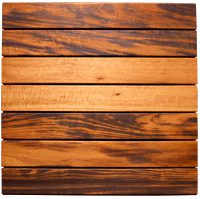
Beyond its looks, Tigerwood is a dense, high-performance hardwood with a Janka hardness rating of around 2,170 lbf. That puts it firmly in the category of woods built to handle heavy use and harsh outdoor conditions.
Why Homeowners Choose Tigerwood Decking
A Truly Unique Appearance – One of Tigerwood’s biggest selling points is its visual impact. No two boards look exactly alike, and the bold striping creates a high-end, custom feel that is difficult to replicate with other materials. If your goal is to build a deck that feels more like a design feature than just an outdoor surface, Tigerwood delivers.
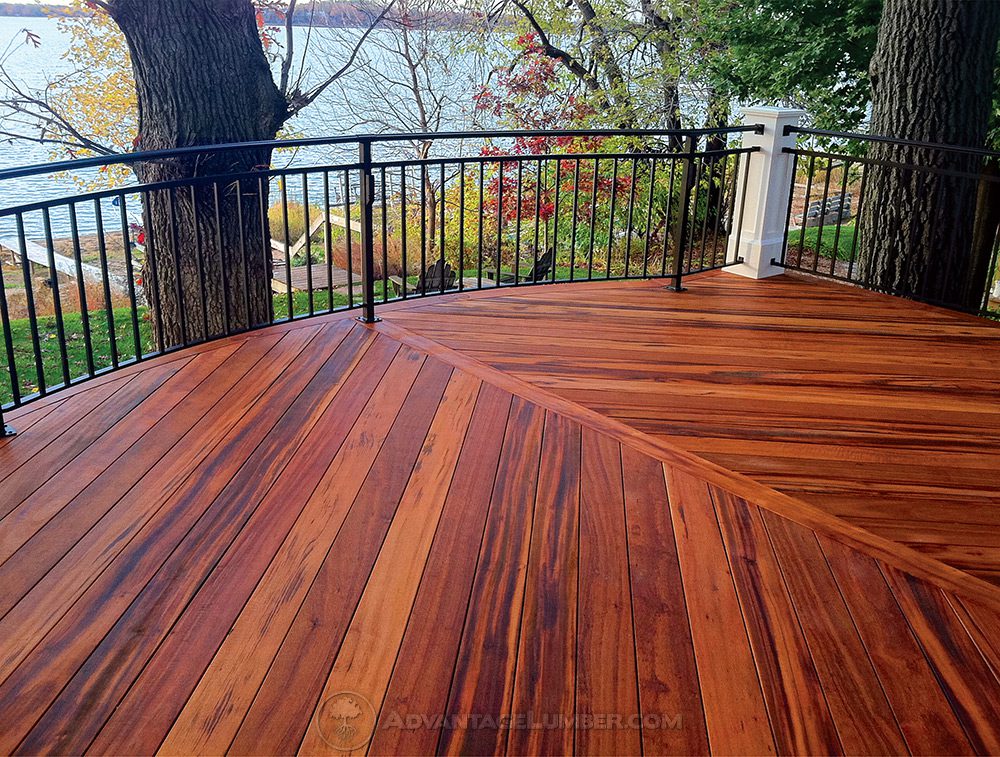
Long-Term Durability – Tigerwood is naturally resistant to rot, decay, and insect damage, making it well-suited for outdoor applications like decking, siding, and even pergolas. With proper installation and care, it is not uncommon for Tigerwood decking to last 30+ years without the need for chemical treatments or preservatives. It also holds up well under heavy foot traffic, moisture exposure, and seasonal temperature swings.
More Affordable Than Ipe – While Tigerwood is still considered a premium hardwood, it is typically more budget-friendly than Ipe. That makes it a strong option for homeowners who want the durability and longevity of an exotic hardwood without going all the way to the top of the price spectrum. You get a similar lifespan and performance profile just at a more accessible price point.
Easier to Work With (Relatively Speaking) – Tigerwood is dense, but compared to some ultra-dense hardwoods, it is slightly easier to machine and install. It still requires pre-drilling and proper tools, but contractors often find it more manageable than harder species. It also holds screws well, finishes smoothly with a natural polish, and can be glued effectively when needed.
The Trade-Offs to Consider
No decking material is perfect, and Tigerwood is no exception. Here are the main considerations to keep in mind.
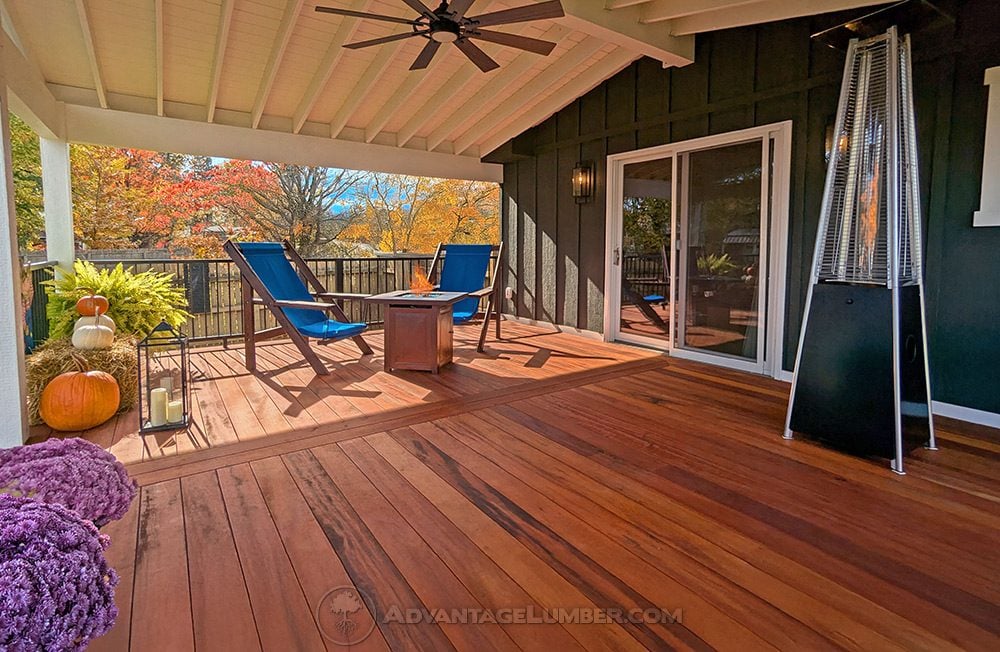
Color Maintenance Requires Effort – Tigerwood’s rich reddish tones and bold contrast are a big part of its appeal—but they will not last indefinitely without maintenance. Like most hardwoods, Tigerwood will naturally weather to a silver-gray patina over time if left untreated. If you want to preserve its original color, you will need to clean the deck periodically and apply a UV-protective oil finish. For some homeowners, this is a worthwhile trade-off. For others, the maintenance requirement may be a deciding factor.
Still a Premium Material – Although it is more affordable than Ipe, Tigerwood is still priced above many domestic woods and some composite options. That said, the long lifespan often offsets the upfront cost when compared to materials that require more frequent replacement or maintenance.
Installation Still Requires Expertise – Tigerwood’s interlocked grain and density mean it is not a beginner-level material for installation. Working with an experienced installer or sourcing high-quality, properly milled boards makes a noticeable difference in the final result.
- Pre-drilling is required
- Cutting tools can dull more quickly
- Care must be taken to manage movement and avoid checking
Real-World Performance: What to Expect
In real-world applications, Tigerwood performs exactly how you would expect from a high-end hardwood.
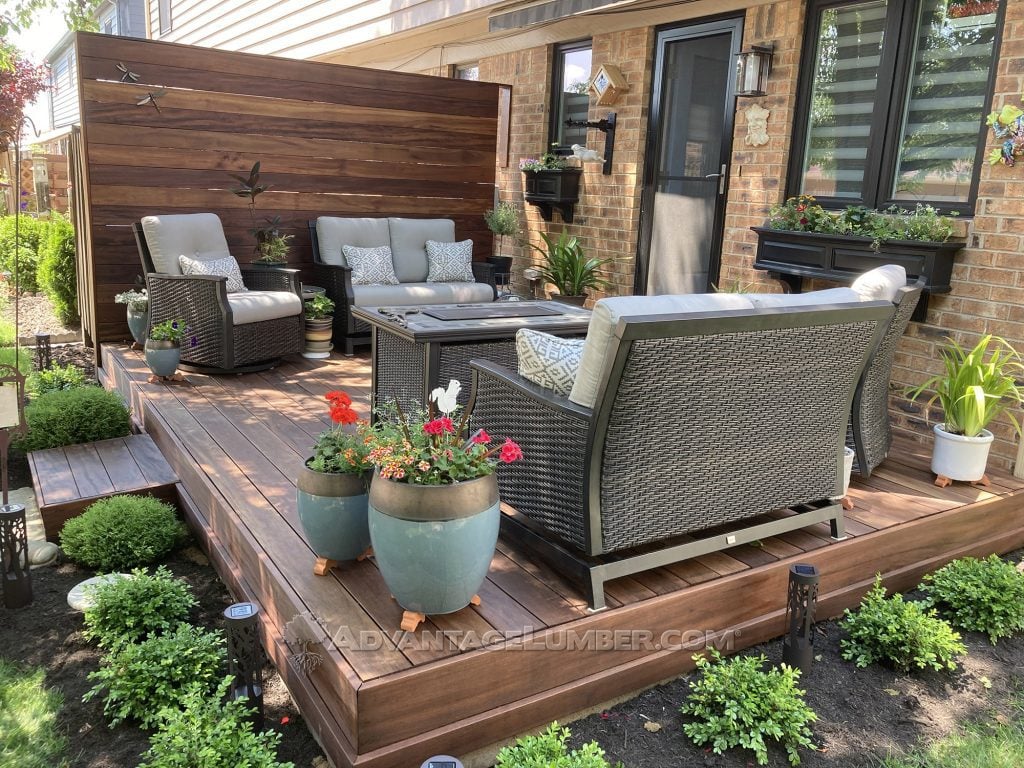
- Weather Resistance – It handles rain, humidity, and sun exposure exceptionally well. Its natural oils and density help prevent moisture penetration and decay.
- Stability – While all wood moves, Tigerwood has relatively small movement when properly dried and installed, making it reliable for long-term use.
- Surface Performance – It tends to have fewer splintering issues than some other dense hardwoods, making it a comfortable option for barefoot traffic.
- Lifespan – With basic maintenance, a Tigerwood deck can easily last three decades or more.
Is Tigerwood the Right Choice for Your Project?
Tigerwood is best suited for projects where both aesthetics and performance matter.
It is a strong fit for:
- Statement decks and patios
- Outdoor living spaces with a design focus
- Pergolas and architectural features
- Homeowners who want a natural, high-end material
It may not be the best choice if:
- You want a completely maintenance-free deck
- You prefer a uniform, consistent color
- You are working within a tight budget
The Bottom Line
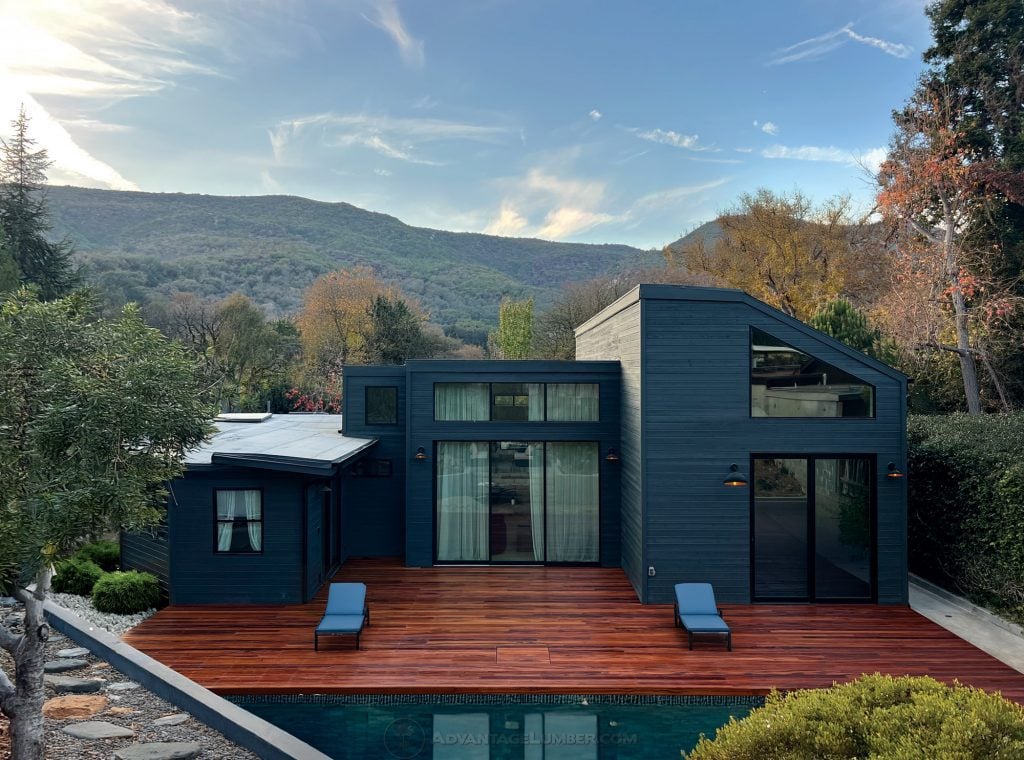
Tigerwood decking offers a rare combination of striking appearance, long-term durability, and relative value among exotic hardwoods. It is not the lowest-maintenance option on the market but for homeowners willing to invest a little time in upkeep, it delivers a deck that is both visually unique and built to last. If you want something beyond the ordinary and you want it to perform for decades Tigerwood is absolutely worth considering.
Need Help Deciding?
Not sure if Tigerwood is the right fit for your project? The team at Advantage Lumber can help you compare species, understand maintenance requirements, and choose the best option for your space.
