
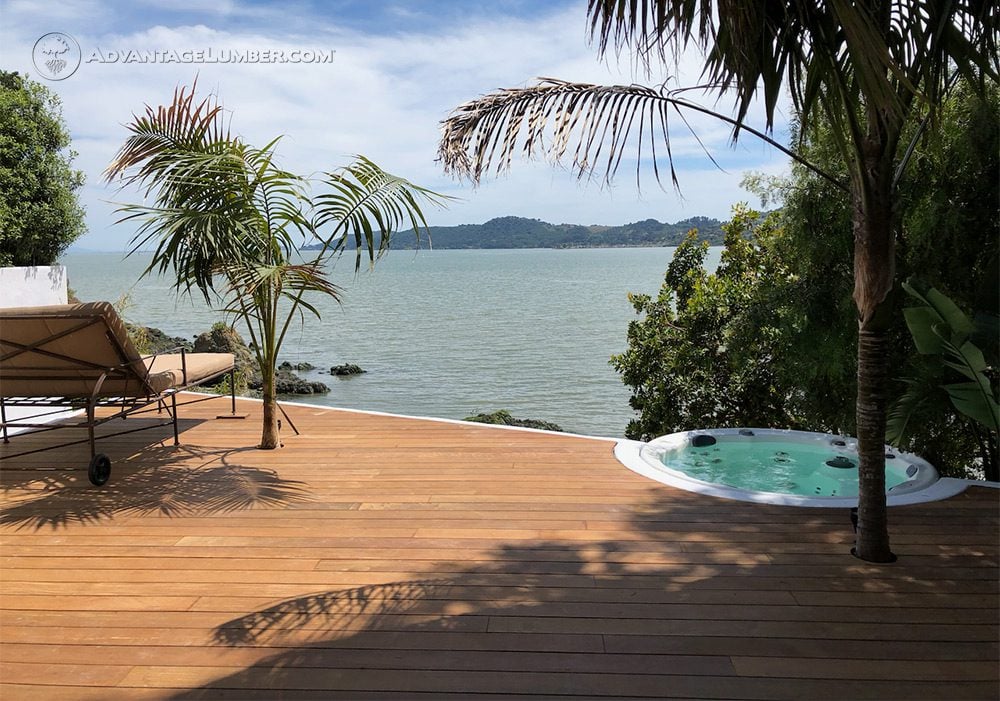
Coastal environments offer beautiful views and refreshing breezes, but they also present unique challenges for deck longevity. Salt air, wind, humidity, and intense sun exposure can accelerate wear and shorten the lifespan of decking materials if they are not properly maintained.
Understanding the common problems coastal decks face and following a consistent maintenance routine can help protect your investment and keep your deck looking and performing its best for years to come.
Common Problems for Decks in Coastal Climates
Decks near the coast are exposed to several environmental factors that can cause premature deterioration. Addressing these challenges starts with regular cleaning, proper airflow, and using materials designed to withstand coastal exposure.
- Salt and wind create a highly corrosive environment, especially for metal fasteners and hardware.
- Moisture and high humidity increase the risk of mold, mildew, and wood movement.
- UV rays can dry out natural wood, cause cracking, and fade both wood and composite decking over time.
- Sand and debris can trap moisture on the deck surface and contribute to surface wear.
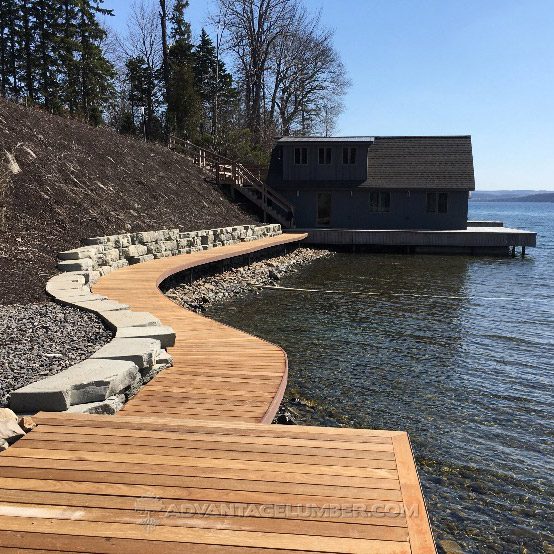
Rinse the Deck Regularly with Fresh Water
Salt residue left on the deck surface attracts moisture and speeds up corrosion and material breakdown. Rinsing with fresh water can make a significant difference in coastal environments.
- Rinse the deck periodically with fresh water to remove salt, sand, and debris.
- Pay extra attention after storms or periods of heavy wind.
- Keeping the surface clean helps slow corrosion and reduces long-term damage.
Ensure Proper Ventilation and Airflow
Good airflow allows moisture to evaporate quickly, reducing the risk of rot and mold growth.
- Make sure there is adequate space beneath the deck for air to circulate.
- Avoid blocking ventilation openings with stored items or landscaping features.
- Proper ventilation helps the deck framing and surface dry out after rain or high humidity.
Inspect, Tighten, and Replace Fasteners
Salt air is especially hard on metal components. Maintaining fasteners is critical for both safety and structural integrity.
- Check fasteners, brackets, and connectors regularly to ensure they are secure.
- Tighten any loose screws or bolts.
- Replace rusted or corroded hardware promptly.
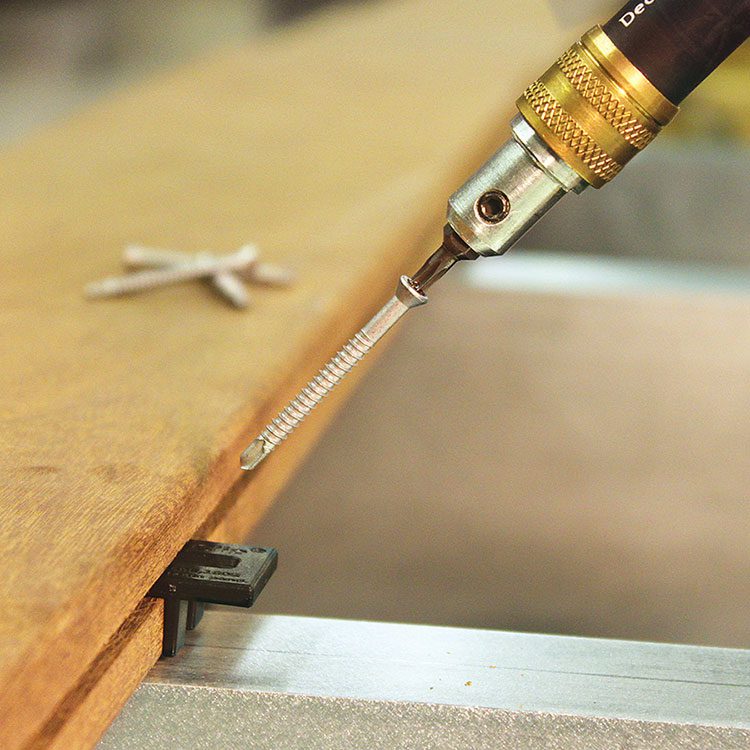
- Use 316 stainless steel or marine-grade fasteners, which are designed to withstand corrosive coastal conditions.
Trim Surrounding Plants and Landscaping
Overgrown plants can trap moisture and restrict airflow around the deck.
- Trim back bushes, trees, and plants near the deck perimeter.
- Keeping vegetation away from the deck improves airflow and reduces prolonged moisture exposure.
- This also helps prevent debris buildup on the deck surface.
Maintaining Tropical Hardwood Decking
Tropical hardwoods are naturally durable and well-suited for coastal climates, but they benefit from proper maintenance.
- Clean the deck using a hardwood cleaner and brightener to remove dirt and restore color.
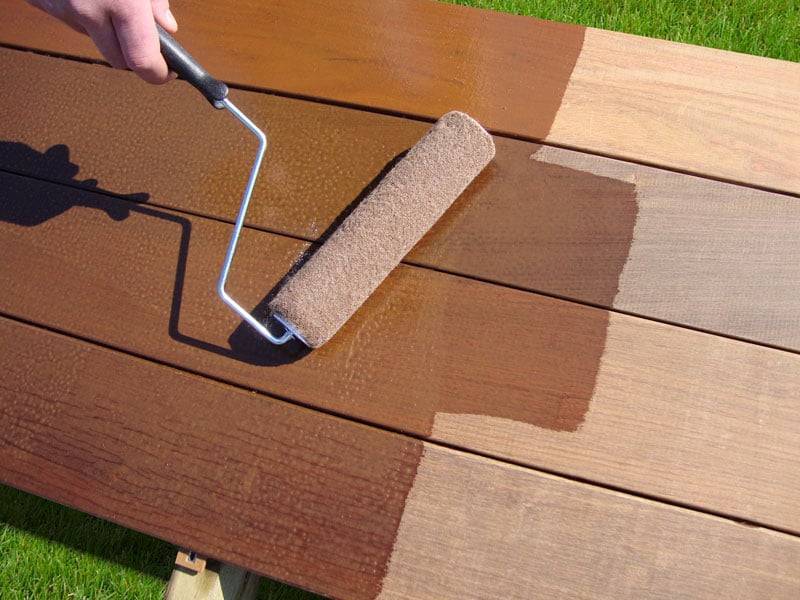
- Apply a UV-resistant, water-repellent sealant to protect the wood from sun exposure and moisture intrusion.
- UV protection helps slow fading and surface checking, while the water-repellent properties reduce moisture absorption that can lead to warping or cupping.
- Reapply sealant every 1–2 years, depending on sun exposure and weather conditions.
Consistent maintenance preserves both the performance and appearance of hardwood decking.
Caring for PVC and Composite Decking
PVC and composite decking are popular in coastal areas due to their resistance to rot and insects, but they still require routine care. Regular cleaning helps maintain appearance and prevents surface residue from becoming slippery.
- Rinse the deck regularly to remove salt buildup.
- Clean with mild soap and water as needed.
- Avoid harsh cleaners that can damage the surface.
Protect Your Coastal Deck for the Long Term
Maintaining a deck in a coastal climate requires a proactive approach. Regular rinsing, good airflow, corrosion-resistant hardware, and material-specific care all play a role in extending deck life.
With the right maintenance plan, a coastal deck can withstand harsh conditions while remaining a beautiful and functional outdoor space. AdvantageLumber.com offers decking materials and accessories designed to perform in demanding coastal environments, helping homeowners and builders build with confidence.
