
When homeowners invest in premium hardwood decking like Ipe, Cumaru, Tigerwood, or Teak, they usually spend a lot of time comparing wood species, board sizes, and finishes. However, there’s one part of the deck most people barely think about until something goes wrong: the framing underneath it.
After more than 20 years in the decking industry, I’ve seen plenty of beautiful hardwood decks sitting on framing that won’t last nearly as long as the deck boards themselves.
And that’s a problem.
You might spend good money on Ipe decking with a potential lifespan of 50 to 75 years or more, only to discover that the pressure treated lumber supporting it starts deteriorating after 10 or 15 years.
So, should you install joist tape under hardwood decking?
In most cases, absolutely. If you’re building a hardwood deck over pressure treated wood framing, joist tape is one of the least expensive ways to help protect your investment.
However, there are a few things you should understand before covering every joist with tape.
Why Deck Joists Rot Even When They’re Pressure Treated
One of the biggest misconceptions I hear from homeowners is that pressure treated lumber doesn’t rot.
I wish that were true.
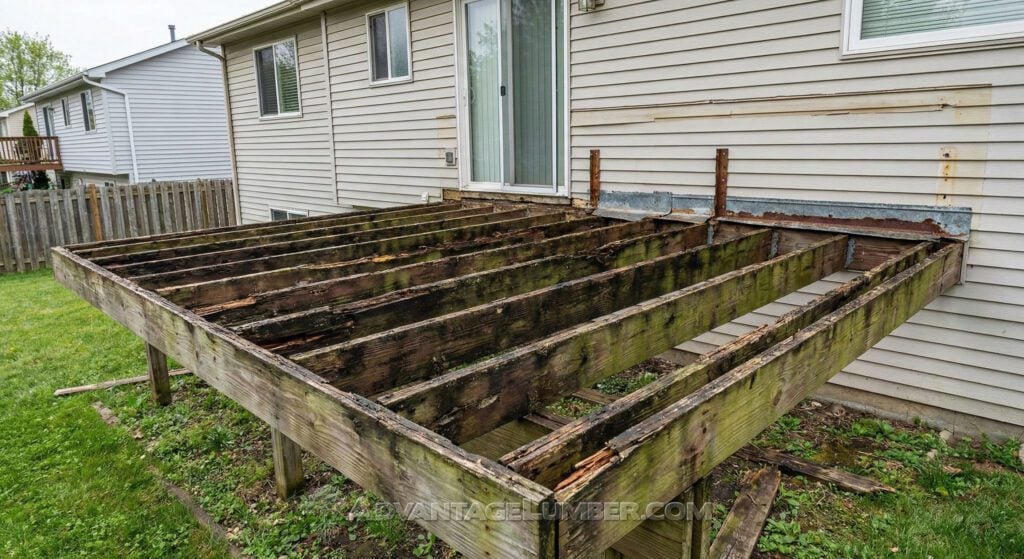
Although pressure treated wood contains preservatives that help resist fungal decay and insects, it isn’t waterproof. Rain, snow, humidity, and everyday moisture can still work their way into the lumber.
Over time, repeated wetting and drying can cause cracks and checks to develop along the surface.
Here’s where things get interesting.
When you fasten deck boards to a joist, you create a horizontal contact area where moisture can linger. Rainwater can collect along the top of the framing, especially beneath the decking where sunlight and airflow are limited.
Add screw penetrations, small cracks, and debris trapped between boards, and you’ve created an environment where decay may eventually develop.
I’ve seen deck framing where the sides of the joists looked perfectly fine, but the tops had started to soften and deteriorate.
That’s because the upper surface often takes the most abuse.
Unfortunately, you usually won’t notice the damage until boards begin loosening, fasteners stop holding properly, or the deck develops soft spots.
By then, you’re looking at a much bigger repair than simply replacing a few deck boards.
What Is Deck Joist Tape, and How Does It Work?

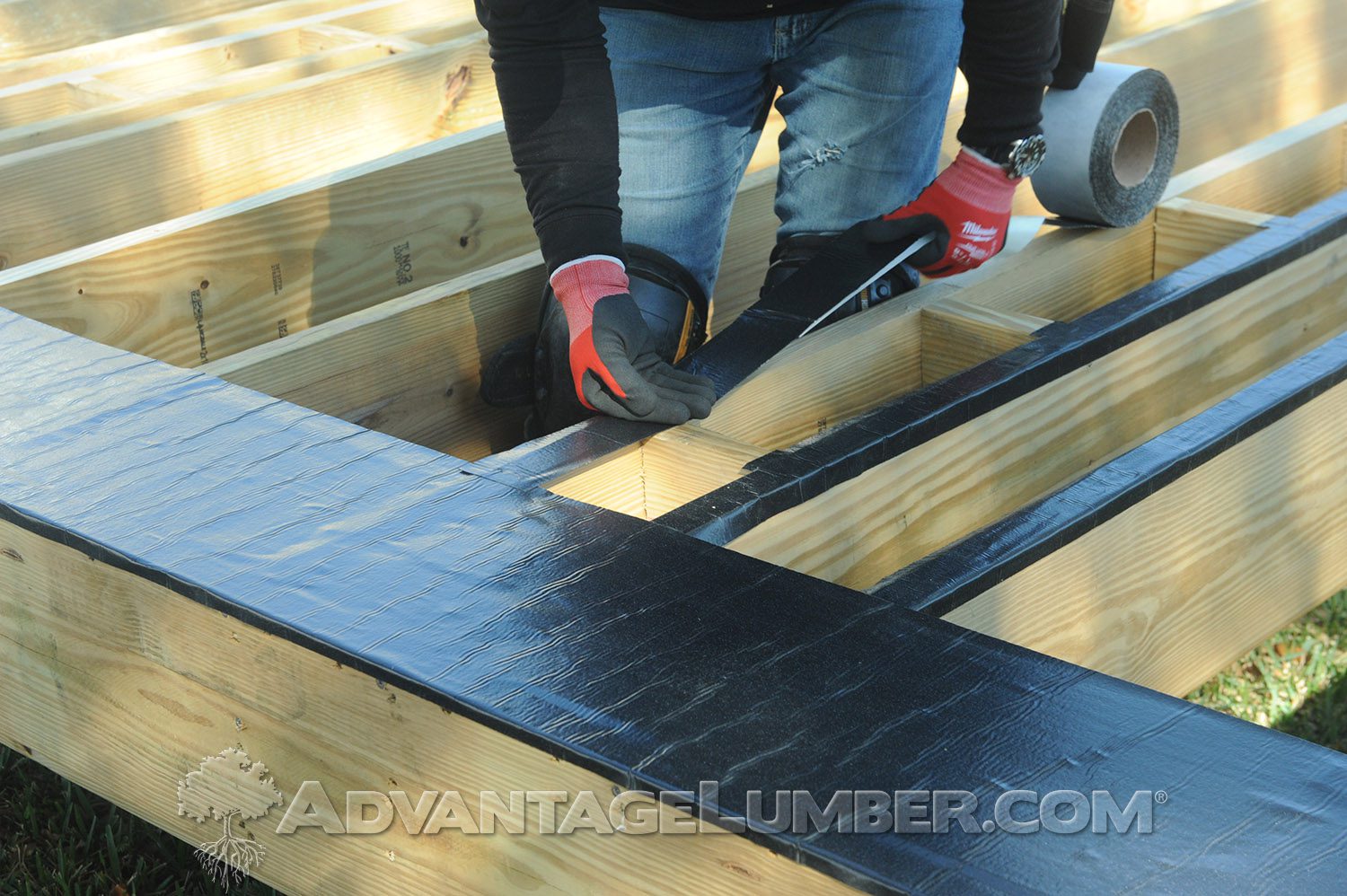
Joist tape is a waterproof flashing tape designed to cover the tops of deck joists, beams, and other vulnerable framing surfaces.
Most products use either a butyl based or asphalt based adhesive membrane that sticks directly to clean, dry lumber.
The idea is pretty simple.
Instead of allowing rainwater to sit directly against the wood, the tape creates a protective barrier between the decking and the framing.
It also helps seal around fasteners that penetrate the membrane, although sealing performance varies by product and installation conditions.
Think of it as inexpensive insurance for the structure underneath your deck.
When installed correctly, quality joist flashing tape can help:
- Reduce moisture exposure along the tops of wood joists.
- Protect vulnerable framing surfaces from standing water.
- Limit water intrusion around fastener penetrations.
- Help prevent premature deterioration of pressure treated lumber.
- Extend the useful life of the deck framing.
Of course, tape won’t magically make a poorly built deck last forever. You still need proper drainage, ventilation, sound framing, and correctly installed flashing.
But it can make a meaningful difference in how well your deck holds up over the years.
Why Joist Tape Matters Even More With Ipe and Other Hardwood Decking
Here’s something I always encourage customers to consider.
Your deck framing should last as long as reasonably possible compared with the decking you’re installing on top of it.
If you’re building with inexpensive decking and expect to replace everything in 15 years, framing longevity might not seem like a major concern.
However, hardwood decking changes that equation.
Premium tropical hardwoods can last for decades when properly installed and maintained.
Consider the potential service life of these popular species:
| Hardwood Decking | Approximate Potential Lifespan |
|---|---|
| Ipe | 50–75+ years |
| Cumaru | 40–50+ years |
| Tigerwood | 30+ years |
| Garapa | 25–40+ years |
| Teak | 40–50+ years |
| Brazilian Redwood (Massaranduba) | 30–50+ years |
These are general estimates, not guaranteed service lives. Actual performance depends on exposure, design, installation, maintenance, and site conditions.
Now compare those numbers with a conventional pressure treated deck frame.
Depending on the climate, construction details, lumber quality, and moisture exposure, some pressure treated frames can develop serious deterioration in as little as 10 to 15 years. Others last considerably longer.
Either way, there’s a potential mismatch.
Imagine installing a beautiful Ipe deck today, only to tear up perfectly good decking 15 years later because the joists underneath have rotted.
That’s not a situation anyone wants to deal with.
And although you may be able to salvage some hardwood boards during a framing replacement, removing them without damage can be difficult, particularly when hidden fasteners are involved.
This is exactly why I recommend taking extra precautions when building a long lasting hardwood deck.
Does Joist Tape Actually Extend the Life of a Deck?
In my experience, protecting the tops of deck joists is a smart construction practice, particularly in climates with frequent rainfall, snow, or high humidity.
However, I’d be cautious about anyone promising that joist tape will add an exact number of years to your deck.
There are simply too many variables.
A deck in coastal Florida deals with different conditions than one in Arizona. Meanwhile, a shaded backyard in the Northeast may hold moisture much longer than a sunny, elevated deck with excellent airflow.
The quality of the pressure treated lumber also matters.
So does the way the framing was assembled.
Still, the principle behind joist tape makes sense: keeping water away from vulnerable areas of wood framing helps reduce the conditions that encourage decay.
And considering how little the material costs compared with rebuilding a deck, it’s usually worth including in the project.
Should You Use Joist Tape With Hidden Hardwood Deck Fasteners?
This is a question worth discussing because many hardwood decks use hidden fastening systems rather than traditional face screws.
At AdvantageLumber.com, we’re big fans of the Ipe Clip® Hidden Deck Fastener System for hardwood decking.
It provides a clean finished appearance without rows of exposed screw heads across the deck surface.
However, hidden fasteners don’t eliminate the need to protect your framing.
Although certain hidden fastening systems reduce the number of fastener penetrations through the deck board faces, the clips still need to attach to the joists.
Moisture also reaches the framing through the gaps between hardwood boards.
For that reason, I generally recommend joist tape whether you’re using hidden fasteners or face screws over wood framing.
Just make sure your tape is compatible with the fastening system.
Some thicker membranes may affect how clips sit against the framing, while poorly adhered tape can bunch up during installation.
A good quality, relatively thin joist flashing tape is usually the better choice. Follow the fastener and tape manufacturers’ installation instructions.
Butyl vs. Asphalt Joist Tape: Which Is Better for Hardwood Decks?
You’ll generally encounter two common types of joist flashing tape.
Butyl Joist Tape
Butyl based tape is often my preferred option for premium hardwood deck construction.
Quality butyl products typically offer strong adhesion, flexibility, and good resistance to moisture. Many are also designed to seal around screws and nails.
They can perform well through seasonal temperature changes, provided the product is rated for the conditions.
For a deck built with Ipe, Cumaru, or Teak, I’d lean toward a reputable butyl flashing tape with a proven outdoor track record.
Asphalt Based Joist Tape
Asphalt based flashing tape can also protect deck framing, and it’s often less expensive.
However, performance varies considerably among products.
Some asphalt membranes may soften or become difficult to work with in high temperatures. Others have limitations involving certain materials, temperature ranges, or installation surfaces.
That doesn’t mean asphalt tape is automatically a poor choice.
It simply means you should check the product specifications rather than buying the cheapest roll available.
My preference: For a high end hardwood deck expected to remain in service for decades, I’d generally spend a little more on a quality butyl joist tape designed specifically for deck framing.
How to Install Joist Tape Under Hardwood Decking
Installing joist tape isn’t particularly complicated, but a few small details can make a big difference.
Here’s how I’d approach it on a typical pressure treated deck frame.
1. Make Sure the Joists Are Clean and Dry
Before applying tape, remove sawdust, dirt, standing water, and loose debris from the framing.
Fresh pressure treated lumber can contain considerable moisture, so don’t assume it’s dry just because the surface looks good.
Check the tape manufacturer’s moisture and surface preparation requirements.
If the lumber is too wet, the adhesive may not bond properly.
2. Choose the Correct Tape Width
Most residential deck joists are nominal 2x lumber, measuring approximately 1½ inches wide.
A tape slightly wider than the joist allows you to cover the top surface and wrap a small amount over the upper edges.
For doubled joists, beams, or other wide framing members, use appropriately sized tape. Joists and beams that have been doubled or tripled catch water between them that rarely dries and causes faster rot of your critical framing members. Applying joist tape on top prevents water from seeping down in between your framing.
You want to protect the exposed top surface without creating unnecessary folds or pockets where water could collect.
3. Apply the Tape Smoothly
Start at one end of the joist and work your way down.
Press the membrane firmly against the lumber as you go, keeping it centered and free of wrinkles.
Some products benefit from a hand roller to improve adhesion.
Take your time around intersections, blocking, and other framing details.
4. Protect Vulnerable Framing Areas
Don’t stop at the individual joists.
Double joists, beam tops, and certain framing intersections can trap moisture.
These areas deserve attention as well.
However, don’t use tape in a way that traps water against untreated surfaces or interferes with structural connectors, drainage paths, or required inspections.
Ledger flashing is particularly important and needs to be installed as a proper water management system. Joist tape is not a substitute for correctly flashing the deck ledger against the house.
5. Install Your Hardwood Decking
Once the membrane is properly adhered, you can begin installing your decking according to the hardwood supplier’s instructions.
Whether you’re using Ipe Clip hidden fasteners or stainless steel face screws, maintain the required board spacing and ventilation.
Remember, protecting the framing doesn’t eliminate the need to manage moisture around the hardwood itself.
What About Steel or Aluminum Deck Framing?
Now here’s where my recommendation changes.
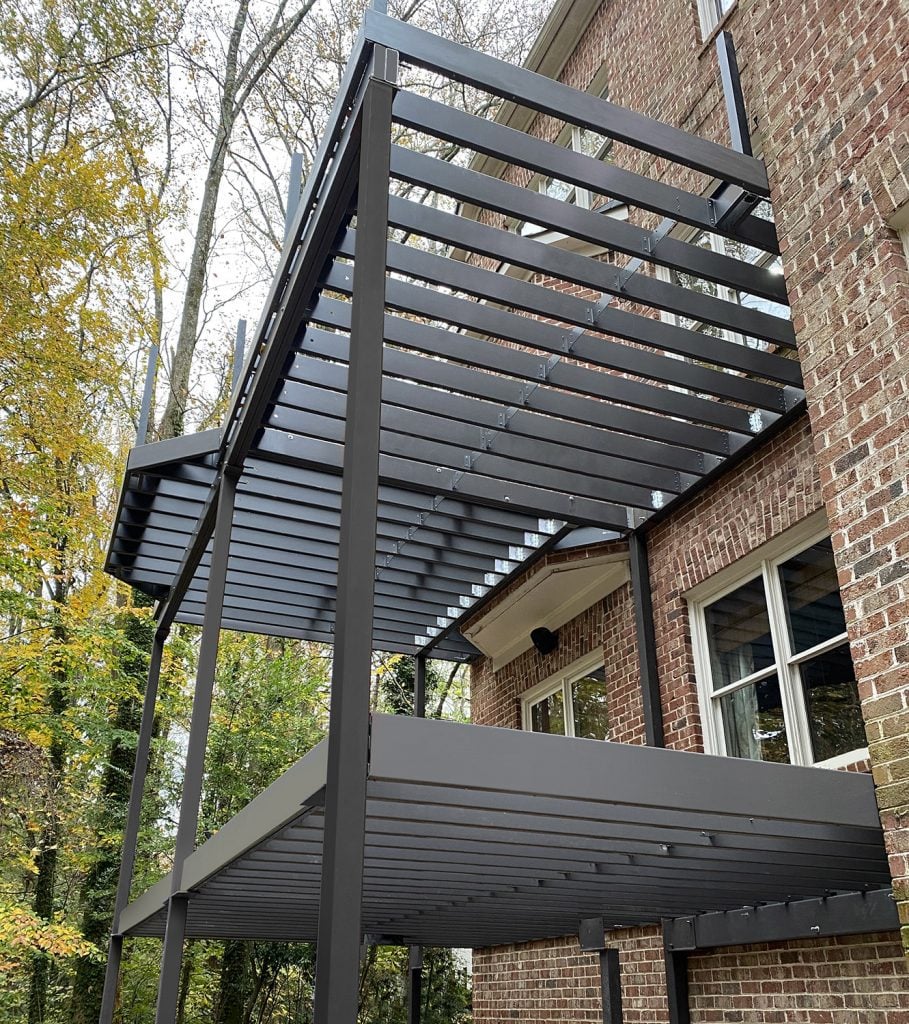
If you’re building your hardwood deck over steel or aluminum framing, traditional wood joist tape generally isn’t needed for the same purpose.
Metal framing doesn’t suffer from fungal wood rot.
That’s one of the reasons we’re seeing more homeowners and contractors consider alternative framing materials for premium decking projects.
At AdvantageLumber.com, we offer options such as:
- New Castle Steel Deck Framing: Galvanized steel framing designed for long term structural performance.
- TimberTech Aluminum Framing: A lightweight, corrosion resistant alternative to conventional wood framing.
- Outdure Aluminum Framing: An aluminum substructure option for exterior decking applications.
These systems can make a lot of sense when you’re installing hardwood decking intended to last for several decades.
However, metal framing still requires attention to corrosion protection, compatible fasteners, and manufacturer approved installation details. Some systems also require isolation materials between dissimilar components.
Don’t automatically apply conventional joist tape to metal framing without checking the framing manufacturer’s requirements.
Personally, if I were building a large, expensive Ipe deck and wanted to minimize the possibility of replacing the structure later, I’d give steel or aluminum framing serious consideration.
The upfront investment may be higher, but the long term benefits can be worthwhile.
Is Joist Tape Worth the Extra Cost?
Let’s look at this from a practical standpoint.
A typical hardwood deck project can involve thousands of dollars in decking, framing, fasteners, railing, and labor.
Depending on the size and layout, adding joist tape may cost relatively little compared with the overall project.
And the installation is usually easiest while the framing is exposed, before a single deck board goes down.
Compare that with the cost of removing hardwood decking, replacing deteriorated joists, purchasing new hardware, and reinstalling the boards years later.
Suddenly, a few rolls of tape seem pretty reasonable.
I’ve always believed that the best place to spend a little extra money is on the parts of a deck that are difficult to repair once construction is complete.
Deck framing certainly falls into that category.
Common Joist Tape Mistakes to Avoid
Although joist tape is relatively easy to install, I’ve seen enough construction shortcuts over the years to know that even simple products can be used incorrectly.
Here are a few mistakes worth avoiding.
Applying tape over wet lumber. Moisture can interfere with adhesion and may become trapped beneath the membrane. Always follow the manufacturer’s surface moisture requirements.
Using the wrong tape. Not every waterproof flashing product is suitable for outdoor deck framing. Choose a membrane rated for the application.
Ignoring the ledger board. The connection between your deck and house is one of the most important areas to protect from water intrusion. Proper ledger flashing and structural attachment are essential.
Covering deteriorated framing. Tape won’t restore the strength of rotten wood. If you’re resurfacing an older deck, inspect the framing and replace any compromised members before installing new hardwood decking.
Forgetting ventilation. Even with protected joists, poor airflow beneath the deck can create ongoing moisture problems.
Assuming tape replaces good construction practices. Joist tape is an additional layer of protection, not a solution for poor drainage, improper flashing, or inadequate framing.
Can You Add Joist Tape to an Existing Hardwood Deck?
Technically, yes, but there’s a catch.
Joist tape needs to go on top of the framing, beneath the deck boards.
If your hardwood decking is already installed, you’d generally need to remove the boards to apply the membrane correctly.
That’s a considerable amount of work, especially on decks with hidden fasteners.
For that reason, I wouldn’t recommend tearing apart a perfectly sound hardwood deck solely to add joist tape.
However, if you’re replacing worn decking or rebuilding sections of an existing structure, that’s an excellent opportunity to inspect the framing and add protection.
Just make sure the joists are structurally sound before covering them.
If the wood has already started rotting, tape won’t reverse the damage.
Our Recommendation: Protect the Framing Before Installing Hardwood Decking
After two decades working with hardwood decking and deck construction materials, one thing has become clear to me.
The longest lasting decks aren’t necessarily the ones with the most expensive deck boards.
They’re the ones where someone paid attention to the entire structure.
You can install beautiful Ipe decking, use premium stainless steel fasteners, and maintain the surface every year. But if the framing underneath deteriorates prematurely, none of those details will save you from an expensive repair.
That’s why I recommend quality joist tape on most pressure treated wood deck frames, particularly when installing long lasting hardwoods like Ipe, Cumaru, Tigerwood, and Teak.
It’s relatively inexpensive, straightforward to install, and helps protect one of the most vulnerable parts of the structure.
Would I choose joist tape over upgrading to steel or aluminum framing? Not necessarily.
If your budget allows for a long lasting metal substructure, that’s worth exploring. However, for homeowners building with conventional pressure treated framing, joist tape is an easy upgrade I’d strongly consider.
The bottom line?
If you’re investing in hardwood decking that could last 50 years or more, it makes sense to protect the framing supporting it.
Build a Better Hardwood Deck With AdvantageLumber.com
At AdvantageLumber.com, we’ve spent more than 30 years helping homeowners, contractors, and builders choose high quality hardwood decking and the materials needed to install it properly.
With four warehouses and manufacturing facilities across the United States, we stock premium tropical hardwoods, including Ipe, Cumaru, Tigerwood, Garapa, Teak, Mahogany, and Brazilian Redwood.
We also offer Ipe Clip hidden deck fasteners, stainless steel decking screws, and alternative framing systems such as New Castle Steel, TimberTech Aluminum, and Outdure Aluminum.
Whether you’re building a small backyard deck or a large custom outdoor living space, our team can help you choose materials that work together for long term performance.
Visit AdvantageLumber.com to explore our hardwood decking options, request pricing, and speak with our decking specialists.
Build it right the first time. Your deck should be something you enjoy for decades, not something you have to rebuild before its time.
