
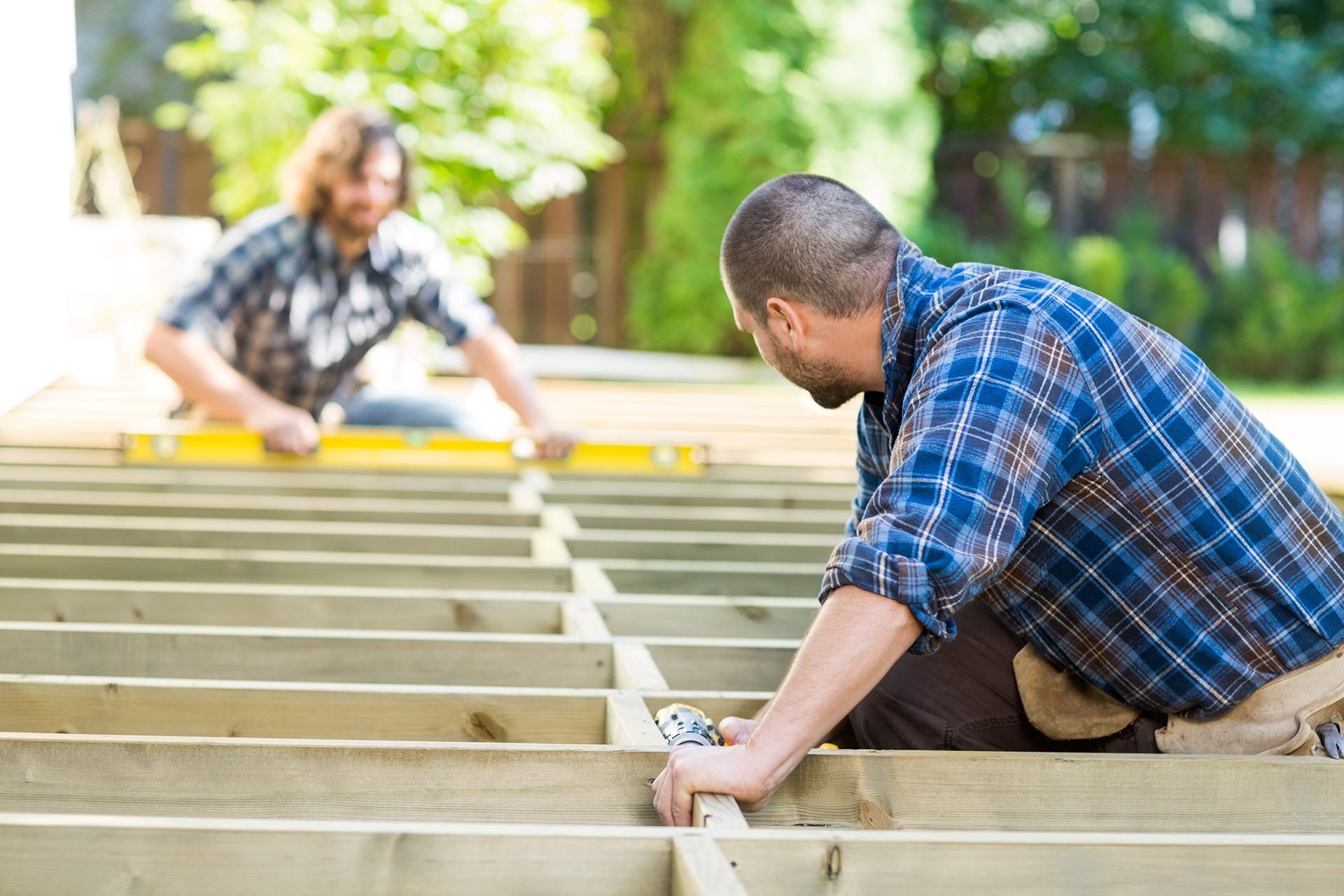
Most homeowners build a deck hoping to get 15 or 20 good years out of it. If they’re lucky, maybe they’ll squeeze a few more years out of the boards before something starts falling apart.
But what if you could build a deck that lasts 50 years or longer?
After spending more than 20 years in the decking industry, I’ve seen just about every mistake you can make when building a deck. I’ve also seen some incredibly well built structures that look fantastic decades after installation.
Here’s something I’ve learned along the way: Building a deck that lasts 50 years isn’t just about buying expensive decking boards. It’s about building the entire structure to last.
You can install the finest Ipe hardwood decking money can buy, but if you fasten it to a pressure treated frame that rots out in 12 years, you’ve wasted a lot of that investment.
The good news? With the right materials, proper construction techniques, and a little planning, building a 50 year deck is entirely achievable.
Let’s look at what it actually takes.
1. Start With Deck Framing That Can Last as Long as Your Decking
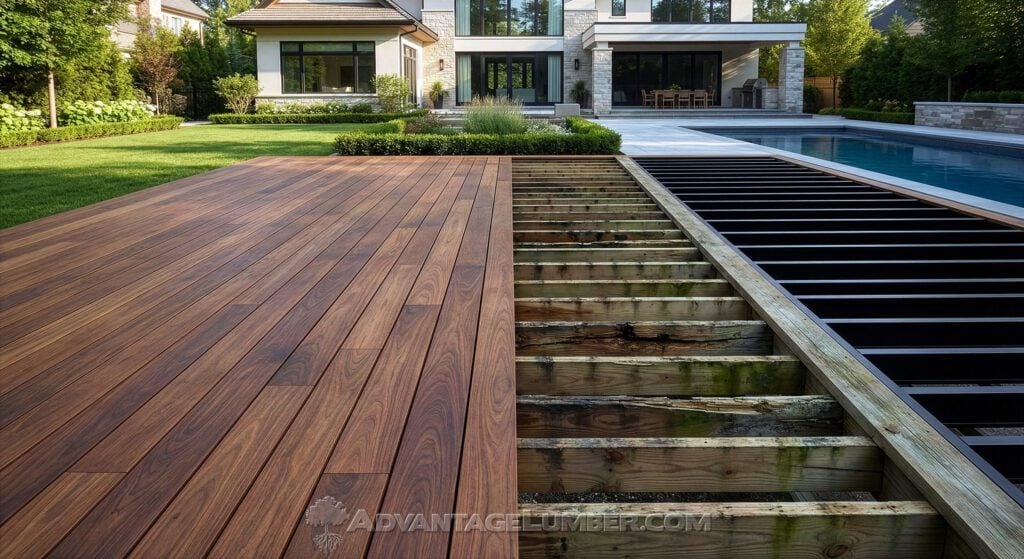
If there’s one thing I wish more homeowners understood before building a deck, it’s how important the framing is.
Most residential decks use pressure treated pine for the joists, beams, and structural supports. There’s nothing inherently wrong with pressure treated lumber. It’s affordable, widely available, and can provide years of dependable service when installed correctly.
However, it’s often the first part of a deck to fail.
Depending on moisture exposure, ventilation, maintenance, and construction details, some pressure treated deck frames begin developing serious rot within 10 to 15 years. Others last considerably longer.
The trouble usually starts where water collects.
Think about the top of a deck joist. Every time it rains, moisture finds its way between the decking boards and settles on the framing underneath. Over time, repeated wetting can encourage decay, especially around fastener penetrations and poorly drained connections.
Now imagine putting 50 year Ipe decking on top of those joists.
See the problem?
Consider steel deck framing
For homeowners who want a truly long lasting deck, galvanized steel framing deserves serious consideration.
Systems such as New Castle Steel Deck Framing offer several advantages over traditional wood framing:
- Steel won’t rot or become food for termites.
- It provides excellent dimensional stability.
- Joists stay straighter, helping maintain a more consistent decking surface.
- Properly engineered systems can support substantial loads.
- Protective galvanizing helps resist corrosion.
Steel framing can also be an excellent choice for larger decks where straight, consistent framing makes installation easier.
Of course, steel isn’t indestructible. Cut edges, connections, fasteners, drainage, and environmental exposure all matter. Coastal applications, in particular, may require additional corrosion protection.
Still, when properly specified and installed, steel framing can provide the kind of long term durability you’d want beneath a premium hardwood deck.
Aluminum framing is another excellent option
Aluminum deck framing systems from manufacturers such as TimberTech and Outdure are also worth considering.
Aluminum doesn’t suffer from wood rot, and its corrosion resistance makes it appealing in many outdoor environments.
Although the upfront cost is higher than pressure treated lumber, you may avoid the expense of replacing an entire frame while your decking boards still have decades of life remaining.
For a deck designed to last half a century, that’s a pretty compelling argument.
What about pressure treated framing?
Not everyone has the budget for steel or aluminum, and that’s understandable.
If you’re using pressure treated lumber, pay close attention to drainage, ventilation, ground clearance, and fastener compatibility. Choose the proper treatment category for the exposure and use joist tape where appropriate.
You might also consider treated engineered framing products such as PWT Treated LVL, provided the specific product is approved for your deck’s conditions.
A well built pressure treated frame can last a long time. I just wouldn’t automatically assume it will last 50 years without significant maintenance or repairs.
2. Choose Decking Materials With a Proven Long Lifespan
Now for the part everyone gets excited about: the actual decking.
If your goal is 50 years, material selection matters tremendously.
Fortunately, there are several excellent options available today, including naturally durable tropical hardwoods and premium manufactured decking.
Ipe hardwood decking: The gold standard for longevity
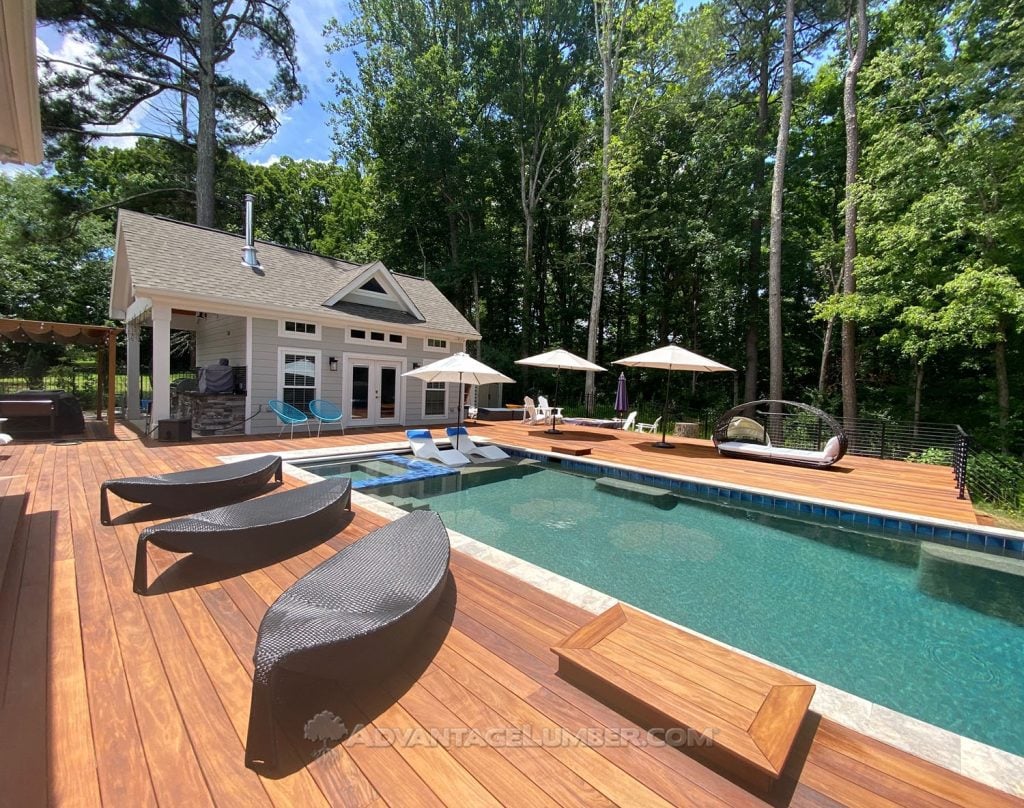
I’ve worked with tropical hardwoods for much of my career, and Ipe remains one of my favorite materials for a deck built to last.
There’s a reason people have used this dense South American hardwood for demanding exterior applications for generations.
Ipe offers exceptional natural resistance to decay, insects, and weathering. When installed properly and maintained appropriately, an Ipe deck can potentially last 50 to 75 years or longer.
That’s an impressive lifespan for a natural building material.
Unlike many softwoods, Ipe doesn’t depend on chemical pressure treatment for its natural durability.
It also has incredible strength and density, making it a fantastic choice for high traffic decks.
However, Ipe does require proper installation. You’ll want carbide tipped cutting tools, appropriate predrilling where needed, and corrosion resistant fasteners.
It’s not a material where I’d recommend cutting corners.
Cumaru: Another outstanding long lasting hardwood
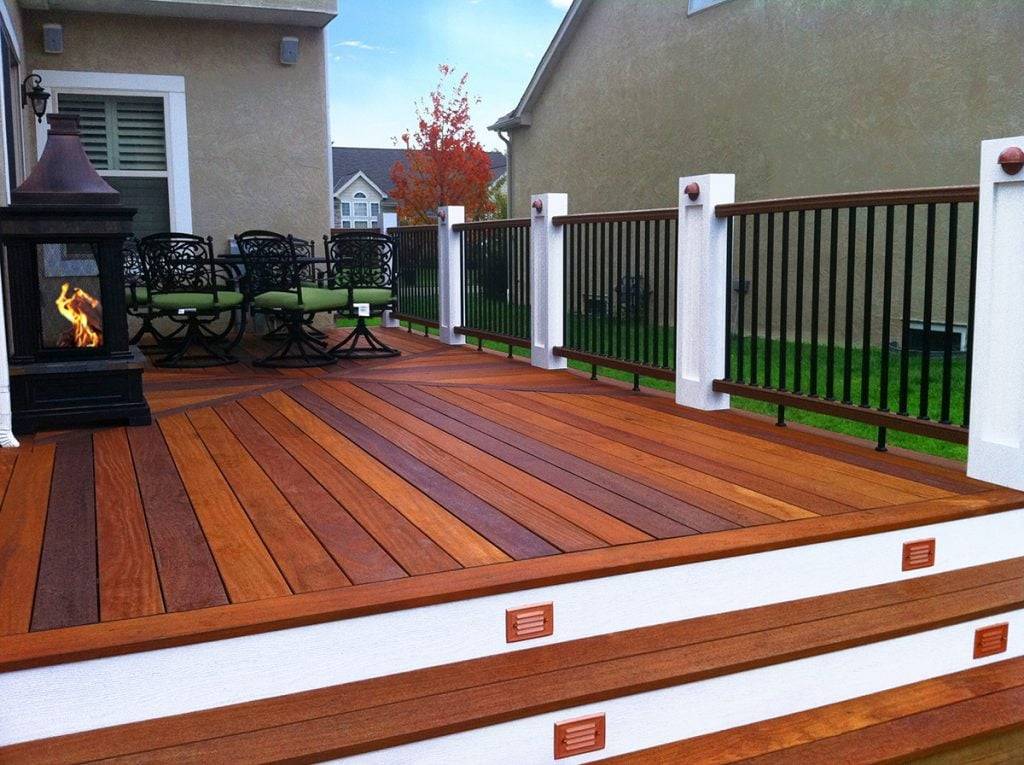
Cumaru is another tropical hardwood worth considering.
Often called Brazilian Teak, Cumaru offers impressive strength, natural decay resistance, and beautiful golden brown to reddish brown coloring.
A properly built Cumaru deck can potentially provide 50 years of service under favorable conditions.
Although Cumaru generally costs less than Ipe, it remains one of the strongest choices for homeowners who want a natural hardwood deck with a very long lifespan.
Other durable hardwood decking options
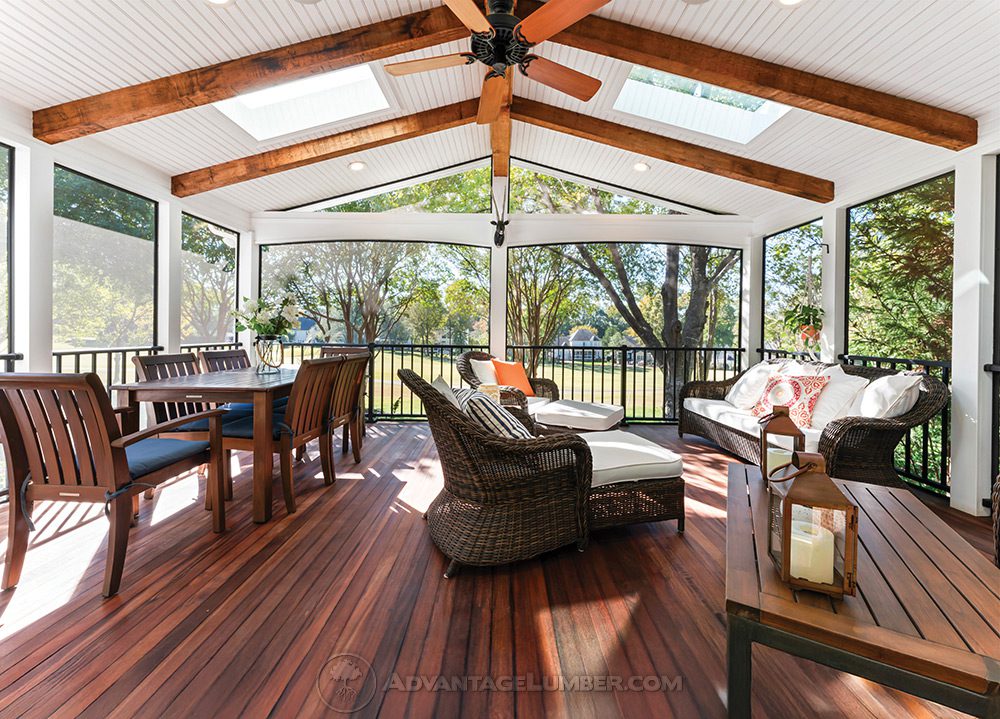
Ipe and Cumaru aren’t your only choices.
Tigerwood, Garapa, Brazilian Redwood (Massaranduba), and Plantation Teak can all provide excellent performance when you choose the right material for the environment.
Each species has its own characteristics, appearance, and expected service life.
For example, Plantation Teak offers excellent stability and natural resistance to moisture. Tigerwood provides striking color variations, while Brazilian Redwood is known for its exceptional density.
The important thing is matching the wood species to the installation conditions rather than choosing based on appearance alone.
Can composite or PVC decking last 50 years?

Absolutely, premium manufactured decking deserves a place in this conversation.
Some high end composite and PVC decking products carry residential warranties of 50 years or longer.
For example:
| Decking product | Residential warranty |
|---|---|
| Trex Transcend | 50 year limited residential |
| Trex Transcend Lineage | 50 year limited residential |
| Trex Signature | 50 year limited residential |
| TimberTech Advanced PVC | Limited Lifetime product warranty; 50 year fade and stain coverage |
Warranty terms vary by collection and may include exclusions, maintenance requirements, and different coverage periods for different types of damage.
Keep in mind that a 50 year warranty doesn’t automatically guarantee a deck will last 50 years.
A warranty is a manufacturer’s promise under specific conditions, while actual service life depends on installation, climate, use, and maintenance.
Nevertheless, premium products from Trex and TimberTech are excellent candidates for a long lasting deck.
One thing I always tell homeowners: If you’re investing in expensive decking, make sure the framing underneath is equally durable.
Otherwise, you’re only solving half the problem.
3. Keep Water Away From Your Deck’s Structure
Water is one of the biggest enemies of deck longevity.
Not necessarily because the decking boards can’t handle getting wet, but because trapped moisture creates problems throughout the structure.
Over the years, I’ve seen decks fail because someone overlooked something as simple as drainage around a ledger board.
The decking looked fine. The railing was still solid. Yet the wood framing underneath had deteriorated.
That’s why moisture management deserves as much attention as your choice of decking material.
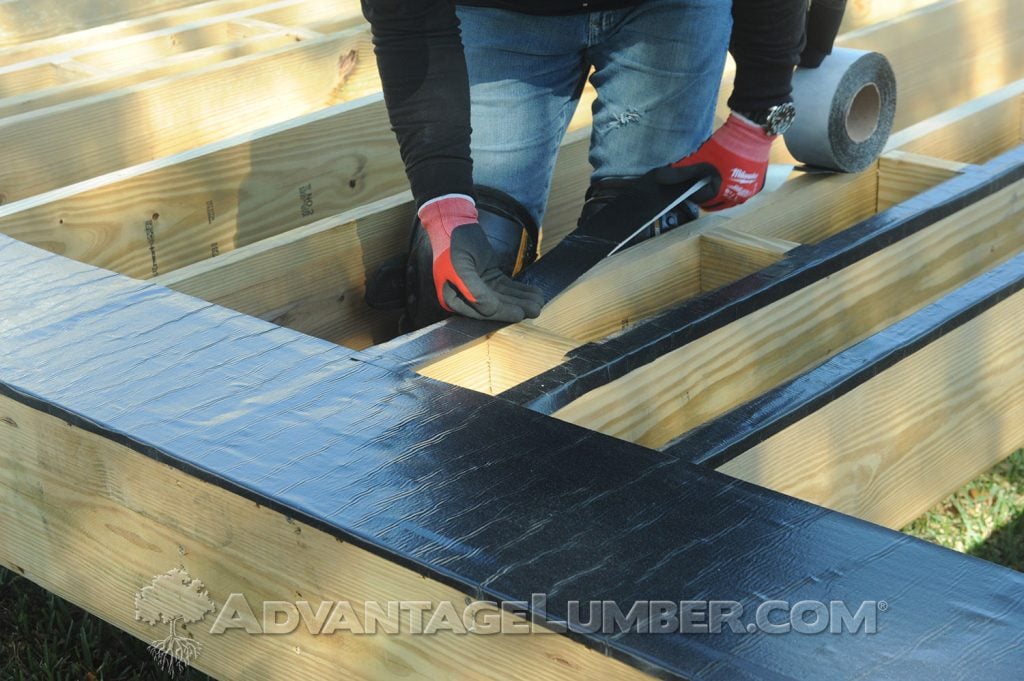
Install joist tape on wood framing
If you’re building with pressure treated framing, I strongly recommend using a quality joist tape.
Products such as DeckWise Joist Tape create a protective barrier over the top of the joists, where water tends to sit.
The tape also helps seal around screw penetrations, reducing the amount of moisture entering the wood.
It’s a relatively inexpensive upgrade compared with the cost of replacing rotted framing.
Just remember that joist tape is additional protection, not a substitute for proper drainage and ventilation.
Pay attention to ledger flashing
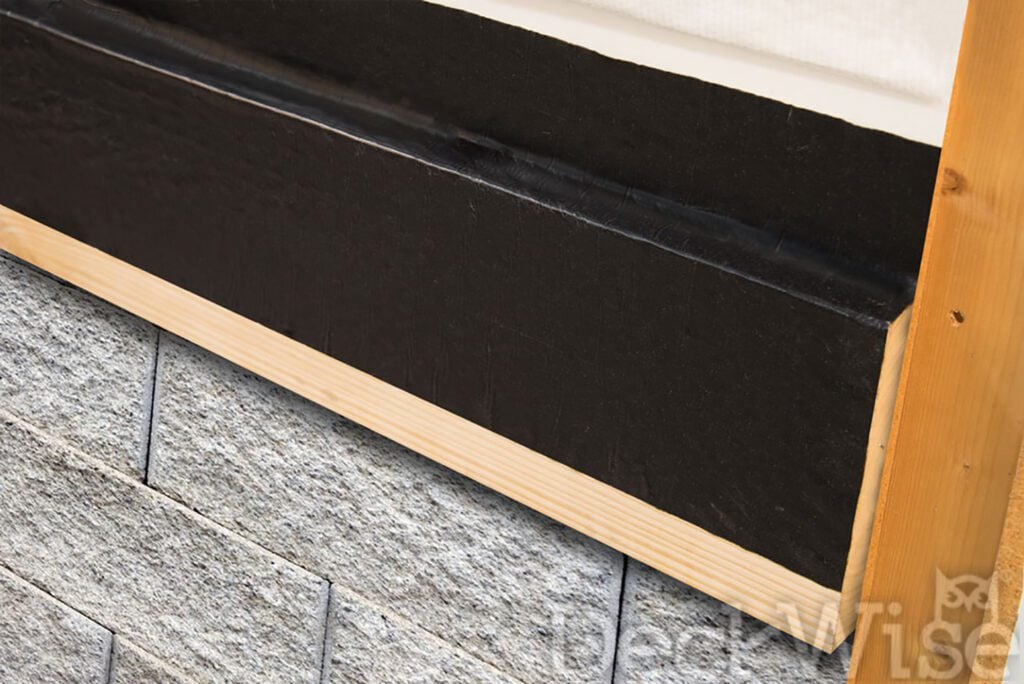
If your deck attaches to your house, the ledger connection is one of the most critical details.
Improper flashing can allow water to enter the wall assembly, damage the house framing, and weaken the deck attachment.
That’s a much bigger problem than a few damaged deck boards.
Use a properly engineered ledger connection, compatible flashing materials, and appropriate waterproofing details. Follow local building codes and the applicable installation requirements.
Where practical, a freestanding deck can eliminate some of the moisture management challenges associated with an attached ledger.
Consider an under deck drainage system

For elevated decks, an under deck drainage system can be another worthwhile investment.
Products such as Trex RainEscape are designed to channel water away from the space below the decking.
This can help create a usable, drier area beneath an elevated deck while managing runoff.
However, drainage systems must be installed correctly. Poorly designed drainage can trap moisture instead of removing it.
The goal is simple: Give water a clear path away from the structure.
4. Don’t Ignore Ventilation Under Your Deck
Here’s an installation detail that doesn’t get nearly enough attention.
Airflow.
Wood decking expands and contracts as its moisture content changes. When the top of a deck dries quickly in the sun while the underside remains damp, the uneven moisture conditions can encourage cupping, movement, and other problems.
This becomes especially important with hardwood decking.
Ipe and Cumaru are extremely dense, but they’re still natural wood. They respond to changes in moisture just like other wood species.
A deck installed too close to the ground without adequate ventilation may experience problems even when the homeowner purchases premium materials.
For many tropical hardwood installations, I prefer to see at least 18 inches of clear, ventilated space beneath the deck, with more clearance when site conditions permit.
Actual requirements vary by species, board profile, manufacturer guidance, and environmental conditions.
If you’re building near a swimming pool, over damp soil, or in a humid climate, proper airflow becomes even more important.
And don’t forget drainage beneath the deck.
Grading the ground to move water away and using appropriate ground cover or moisture control measures can help keep the underside drier.
A deck that stays damp underneath is going to have a much harder time reaching its full potential lifespan.
5. Use the Right Deck Fasteners From the Beginning
You’d be surprised how many deck problems start with the wrong fasteners.
I’ve seen beautiful hardwood installations ruined by corroded screws, loose connections, and fasteners that weren’t designed for the material.
When you’re building for 50 years, those little details become big details.
Stainless steel fasteners for hardwood decking
For Ipe, Cumaru, Tigerwood, and other tropical hardwoods, stainless steel fasteners are generally the way to go. They’re especially important in coastal environments where salt exposure accelerates corrosion.
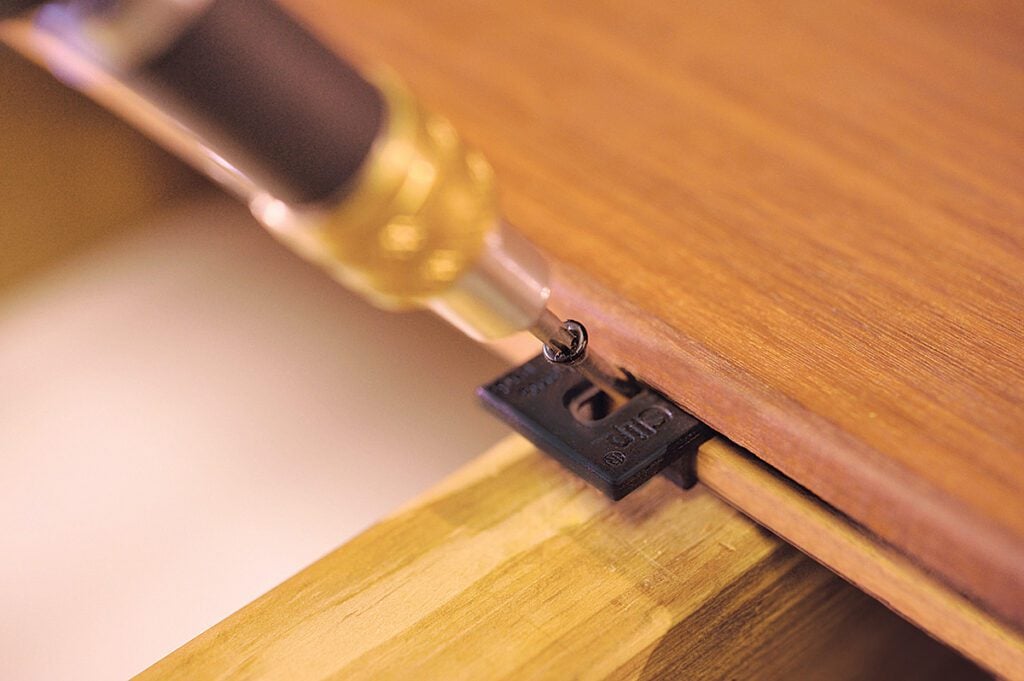
For many hardwood installations, I prefer hidden fastening systems such as Ipe Clip. These systems secure the decking while keeping the finished surface free of exposed screw heads.
Beyond the clean appearance, they can also help reduce visible surface penetrations when installed according to the manufacturer’s instructions.
Of course, not every hidden fastener works with every board size, species, or joist spacing. Always check the product’s installation requirements.
Use approved fasteners for composite and PVC
Composite and PVC decking manufacturers often specify particular screws, clips, or plug systems. Trex Hideaway and Cortex are examples of fastening systems designed for certain manufactured decking applications.
Using the wrong fasteners can cause installation problems and may affect warranty coverage. For a 50 year deck, I wouldn’t gamble on a box of generic screws just to save a few dollars.
One more important point: Decking screws and clips are not substitutes for properly rated structural connectors. Joist hangers, post bases, bolts, and other load bearing hardware must be compatible with the framing material and approved for the exposure conditions.
6. Follow Proper Deck Joist Spacing
Another mistake I see involves contractors using the same framing layout for every decking product. Different materials have different span capabilities.
Some 5/4 tropical hardwood decking products can span joists spaced 24 inches on center, although many deck designs and local code requirements call for 16 inches on center. Just because a product can span 24 inches does not mean your local building codes will allow it.
Composite and PVC decking may require closer spacing depending on the collection, installation angle, and application. Certain installations use 12 inch on center framing, particularly for diagonal decking or stairs. Some composite and PVC deck boards call for narrower spacing on stairs like 8 inches so make sure you follow the manufacturers specifications.
Always follow the manufacturer’s published span tables and local structural requirements. Personally, I like a deck that feels exceptionally solid underfoot.
Nobody wants to spend thousands of dollars on a premium deck only to feel excessive movement when walking across it. Proper framing spacing also helps reduce unnecessary board flexing and fastener movement over time.
And when you’re thinking in terms of decades instead of years, those details matter.
7. Build a Railing System That Won’t Become Your Weakest Link

Deck railings often get overlooked when homeowners plan for long term durability. However, your railing system is exposed to the same rain, sun, temperature changes, and everyday wear as the rest of the deck.
For a 50 year project, I’d strongly consider a high quality aluminum railing system.
Products such as Trex Signature Aluminum Railing and TimberTech Impression Rail Express offer attractive, low maintenance options.
Powder coated aluminum won’t suffer from wood rot, and quality systems can provide excellent durability.
Stainless steel cable railing is another popular choice, especially for homeowners who want an unobstructed view.
Just make sure the cable, fittings, posts, and hardware are appropriate for the environment. Coastal locations may benefit from marine grade stainless steel components. Also, don’t forget that railing posts and their structural connections must resist significant loads.
A railing might look beautiful, but if the posts aren’t properly attached to the framing, you’ve got a serious safety problem.
For long term durability, the entire railing assembly needs to work together.
8. Don’t Build a 50 Year Deck on a Poor Foundation
You can choose premium hardwood decking, steel framing, and stainless steel fasteners, but none of those materials will compensate for a poorly designed foundation.
Deck footings must support the structure and resist movement caused by soil conditions, frost, erosion, and changing loads. In colder climates, improperly installed footings can heave during freeze thaw cycles.
In warmer regions, poorly compacted soil or drainage problems can lead to settlement. Either situation can create movement throughout the deck.
For a structure intended to last decades, properly sized concrete footings, engineered piers, or other approved foundation systems are essential.
Footing depth, diameter, reinforcement, and load requirements should follow local building codes and site conditions. Also, pay attention to the connections between the footings, posts, beams, and framing.
Where required, use approved uplift and lateral load connectors. These components are especially important in areas exposed to high winds. A deck that lasts 50 years needs to remain structurally sound through decades of changing weather.
That starts below ground.
9. Plan for Maintenance, Even With Low Maintenance Materials
One of the biggest misconceptions about long lasting decking is that it requires no maintenance. Unfortunately, there’s no such thing as a completely maintenance free deck.
Even the most durable materials benefit from periodic cleaning and inspection.
Maintaining hardwood decking
If you choose Ipe, Cumaru, or another tropical hardwood, you have two main options when it comes to appearance.
You can maintain the original rich wood color with an appropriate exterior hardwood oil, or you can allow the decking to weather naturally to a silver gray patina.
Personally, I think properly weathered Ipe can look fantastic.
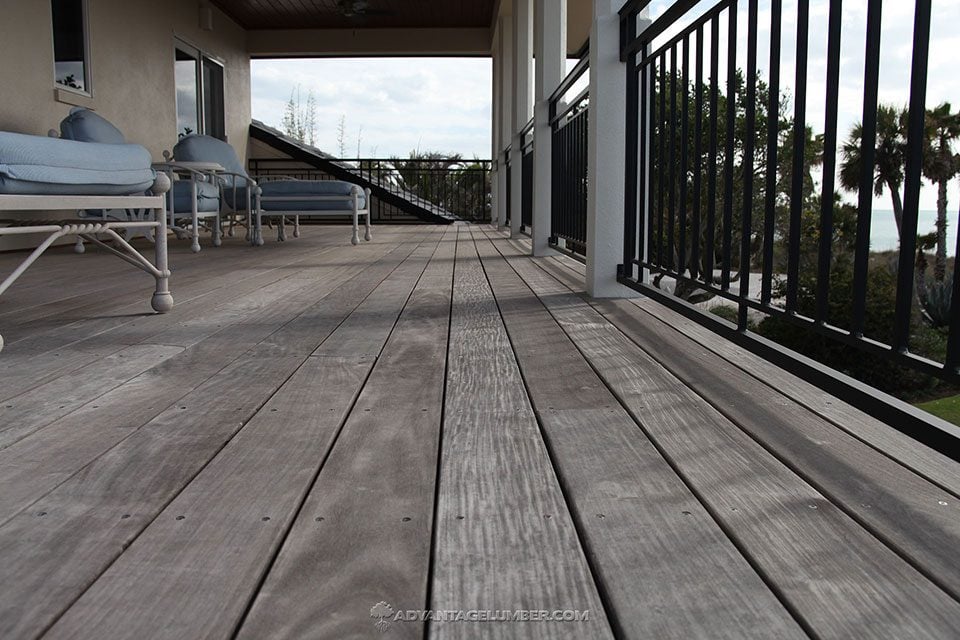
The gray color doesn’t automatically mean the wood is deteriorating. It’s primarily a natural surface change caused by exposure to sunlight and weather.
If you prefer the original brown tones, products such as Ipe Oil can help preserve the appearance when applied and maintained correctly.
For cleaning, use products designed for hardwood decking, such as DeckWise Cleaner and Brightener. Avoid unnecessarily aggressive pressure washing, which can damage the wood surface.
Maintaining composite and PVC decking
Composite and PVC decking generally require less appearance related maintenance than natural hardwood.
However, they still need occasional cleaning to remove dirt, pollen, leaves, and organic debris.
Follow the manufacturer’s cleaning recommendations and avoid harsh chemicals that could damage the surface.
Inspect your deck annually
Regardless of the decking material, I recommend inspecting the entire structure at least once a year.
Check for loose fasteners, corrosion, standing water, damaged flashing, shifting footings, and movement in the railing system.
Pay particular attention to areas where the deck connects to the house. Catching a small problem early can prevent a much larger repair down the road.
And if you discover significant movement, decay, or corrosion in a structural connection, have a qualified professional evaluate it.
10. Think About the Total Cost Over 50 Years, Not Just the Initial Price
This is where the conversation gets interesting. When homeowners compare decking prices, they usually focus on the upfront cost per square foot.
I understand why. Building a deck is a significant investment. But there’s a better way to evaluate the cost of a deck you expect to enjoy for decades.
Let’s say you’re comparing two hypothetical projects.
ILLUSTRATIVE 50 YEAR COST COMPARISON
Conventional deck
$45,000
Three $15,000 builds over 50 years
Long life deck
$25,000
One initial build, assuming no replacement
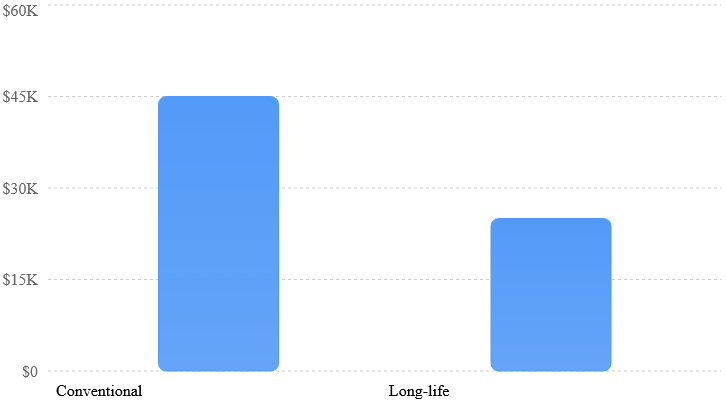
Hypothetical nominal construction costs only. Excludes maintenance, repairs, inflation, financing and discounting.
Example only not a price quote or guaranteed service life.
Imagine spending $15,000 on a conventional deck and replacing it twice over the next 50 years.
That’s $45,000 in construction costs before accounting for inflation, maintenance, or the cost of demolition and disposal.
Now imagine spending $25,000 upfront on a premium hardwood deck with corrosion resistant framing and high quality hardware.
If that structure reaches its intended lifespan without major replacement, the long term construction cost could be considerably lower.
Of course, actual costs vary by deck size, materials, labor, location, and future repairs. A proper financial comparison should also account for maintenance, inflation, and the time value of money.
Still, the larger point remains.
The cheapest deck to build isn’t necessarily the cheapest deck to own.
And beyond the financial side, there’s something to be said for avoiding the disruption of tearing out and rebuilding your outdoor living space every 15 or 20 years.
What Would My Ideal 50 Year Deck Look Like?
After two decades in the decking business, if I were building a deck today with the goal of making it last 50 years or longer, here’s the combination I’d seriously consider.
Decking: Premium Ipe hardwood
Exceptional natural durability, beautiful grain, and a long history of outdoor performance.
Framing: Galvanized steel or engineered aluminum
A properly designed, corrosion resistant structure avoids many of the rot problems associated with wood framing.
Fasteners: Ipe Clip with compatible stainless steel screws
A clean appearance with secure fastening, matched to the decking and framing specifications.
Railing: Premium aluminum
Durable, attractive, and relatively easy to maintain over time.
Foundation: Engineered footings and approved connectors
Designed for local soil, frost, wind, and structural loads.
I’d also make sure the deck had excellent drainage, adequate ventilation, properly detailed connections, and easy access for future inspections.
Would that combination cost more upfront than a basic pressure treated deck?
Absolutely.
But I’d be building it with the expectation of enjoying it for decades, not wondering when the next major repair might be necessary.
Frequently Asked Questions About Building a 50 Year Deck
Can a wood deck really last 50 years?
Yes. Certain naturally durable hardwoods, especially Ipe and Cumaru, can potentially last 50 years or longer when properly installed and maintained. However, the lifespan of the complete deck also depends on framing, foundations, fasteners, drainage, and environmental conditions.
What is the longest lasting decking material?
Ipe is among the longest lasting natural wood decking materials available. Premium PVC and composite decking products are also strong candidates for long service lives, with some offering 50 year or longer limited residential warranties.
Will pressure treated deck framing last 50 years?
It’s possible for well protected pressure treated framing to last for many decades, but a 50 year lifespan shouldn’t be assumed. Moisture exposure, wood treatment, ventilation, construction quality, and maintenance all influence longevity. For projects designed around a 50 year service life, corrosion resistant steel or aluminum framing may be worth the additional investment.
Is steel deck framing better than wood?
Steel framing offers advantages such as resistance to rot, insects, and warping. However, it generally costs more upfront and requires proper engineering, compatible connectors, and corrosion protection. The best choice depends on the project, environment, and budget.
Does Ipe decking need to be sealed every year?
No. Ipe doesn’t require annual oiling simply to maintain its natural decay resistance. Many homeowners allow it to weather to a silver gray color. If you want to preserve its original rich brown appearance, periodic cleaning and applications of an appropriate hardwood oil may be necessary.
Is a 50 year deck worth the investment?
For homeowners planning to remain in their homes long term, investing in durable decking and framing can make financial sense. Although the initial cost may be higher, avoiding premature structural replacement can provide substantial value over the life of the deck.
Final Thoughts: Build It Once, Build It Right
I’ve spent more than 20 years working with decking materials, and one thing hasn’t changed: The decks that hold up best are the ones where somebody paid attention to the details.
It’s not always the most expensive deck. It’s the one where the builder understood how water moves, how wood responds to moisture, why proper fasteners matter, and how every part of the structure works together.
If you want to build a deck that lasts 50 years, don’t just focus on the boards everyone will see.
Think about the framing underneath. Think about drainage. Think about the railing connections, the footings, and the hardware holding everything together.
A 50 year deck isn’t something anyone can guarantee simply by choosing premium materials. But with a well engineered design, quality products, skilled installation, and regular upkeep, it’s a realistic goal.
And personally, I think there’s something pretty satisfying about building an outdoor living space that your kids and potentially your grandkids might still be enjoying decades from now.
Build Your Long Lasting Deck With AdvantageLumber.com
At AdvantageLumber.com, we’ve spent more than 30 years helping homeowners and contractors choose high quality decking materials for projects of all sizes.
With four warehouses and manufacturing facilities across the United States, we stock an extensive selection of premium tropical hardwood decking, including Ipe, Cumaru, Tigerwood, Garapa, Brazilian Redwood, Plantation Teak, and Mahogany.
We also offer popular composite and PVC decking from Trex, TimberTech, and Deckorators, along with steel and aluminum deck framing, railing systems, and premium hidden deck fasteners.
Whether you’re planning a small backyard deck or a large luxury outdoor living space, our decking specialists can help you choose materials designed for long term performance.
Explore our decking options at AdvantageLumber.com and start planning a deck you’ll be proud of for decades.
