
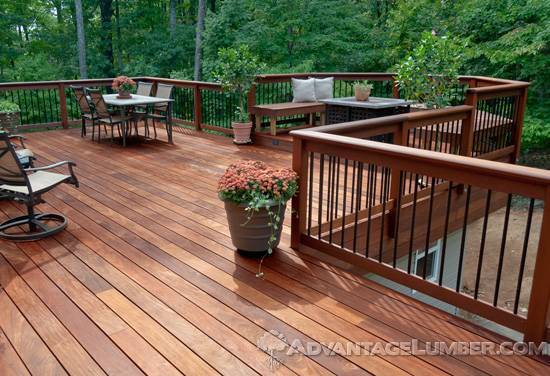
Hardwood decking is known for its strength, durability, and rich natural beauty. But once homeowners start researching maintenance, one question comes up again and again:
Does hardwood decking need to be sealed?
The answer is yes but there is an important distinction many people miss. There are actually two very different types of “sealing” involved with hardwood decking:
- End sealing
- Oiling
They serve completely different purposes, happen at different stages of the project, and protect the wood in different ways. Understanding the difference can help you protect your investment and keep your deck looking its best for years to come.
End Sealing: Protecting the Cut Ends of Hardwood Deck Boards
End sealing is one of the most important steps during hardwood deck installation.
Hardwoods like Ipe, Cumaru, Garapa, and Tigerwood are incredibly dense. While that density makes them naturally resistant to rot, insects, and decay, it also means they can lose moisture very quickly through the exposed end grain.
If freshly cut ends are left untreated, the ends can dry out exponentially faster than the rest of the board. This rapid moisture loss can lead to:
- End checking
- Cracking
- Splitting
- Excessive movement
In some cases, checking can begin in as little as a single day after cutting.
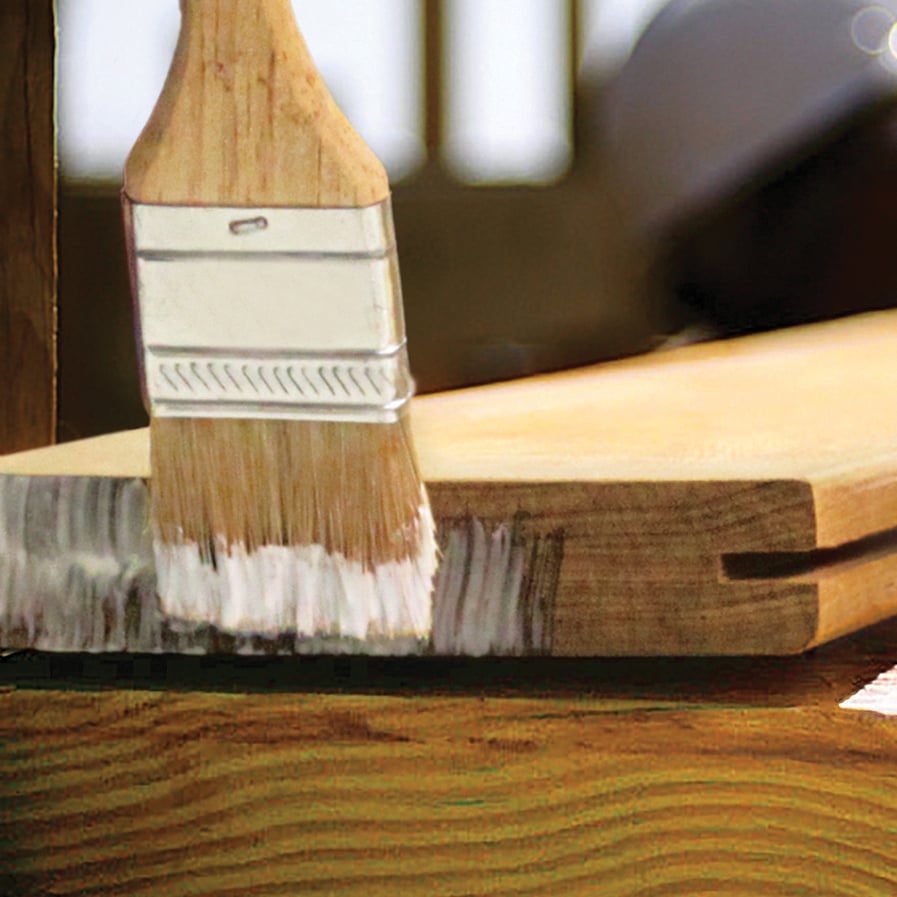
When Should End Sealer Be Applied?
End sealer should be applied:
- Immediately after every cross-cut
- Before fastening the boards down
- On stair treads, ripped boards, and picture frame borders
This is why professional hardwood deck installations always include end sealing as part of the process.
What End Sealer Does Not Do
This is where some of the confusion begins.
End sealer is not a surface finish. It:
- Does not protect the face of the deck boards
- Does not enhance color
- Does not prevent UV fading
- Does not stop the deck from turning gray
Its job is strictly moisture control and crack prevention at the board ends.
For long-lasting hardwood deck installations, using a quality end sealer along with properly acclimated hardwood decking boards is essential.
Oiling Hardwood Decking: Preserving Color and Appearance
Unlike end sealing, oiling is applied to the surface of the deck boards after installation. The primary purpose of hardwood deck oil is aesthetic protection and UV resistance.
Hardwood decking naturally contains oils and dense grain structures that make it exceptionally durable even without a surface coating. Structurally, most hardwood decking species can perform extremely well without ever being oiled.
However, sunlight and weather exposure will gradually cause the wood to fade into a silvery-gray patina over time. Many homeowners love this weathered look. Others prefer to maintain the rich browns, reds, and golden tones that make exotic hardwoods so visually striking. That is where hardwood deck oil comes in.
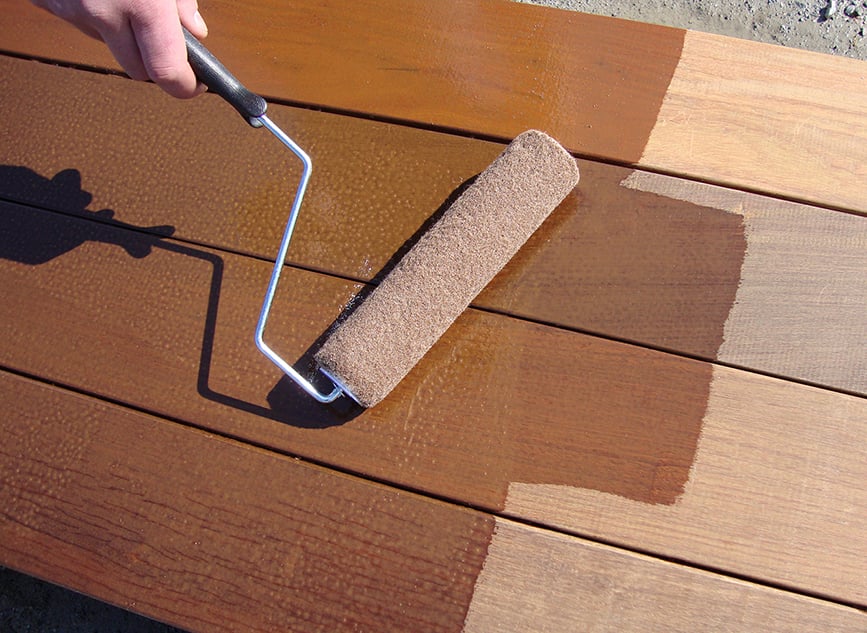
Benefits of Oiling Hardwood Decking
Applying a high-quality hardwood deck oil can help:
- Slow UV graying
- Enhance natural color
- Bring out rich wood grain patterns
- Reduce surface drying
- Minimize surface checking
- Maintain a freshly installed appearance
For homeowners who want to preserve the original color of their hardwood deck, regular oiling is typically recommended.
Is Oiling Required?
No, oiling is completely optional. If you prefer a lower-maintenance deck that naturally ages into a silver-gray patina, you can skip oiling altogether and the hardwood can still remain structurally sound for decades.
If maintaining the original appearance is important to you, periodic oiling is the best way to slow the natural weathering process.
Most hardwood decks benefit from maintenance oiling every 1 – 2 years depending on:
- Sun exposure
- Climate
- Foot traffic
- Deck orientation
- Wood species
The Best Approach for Hardwood Decking
The simplest way to think about it is this:
- End sealing helps prevent cracking and splitting at the board ends during installation.
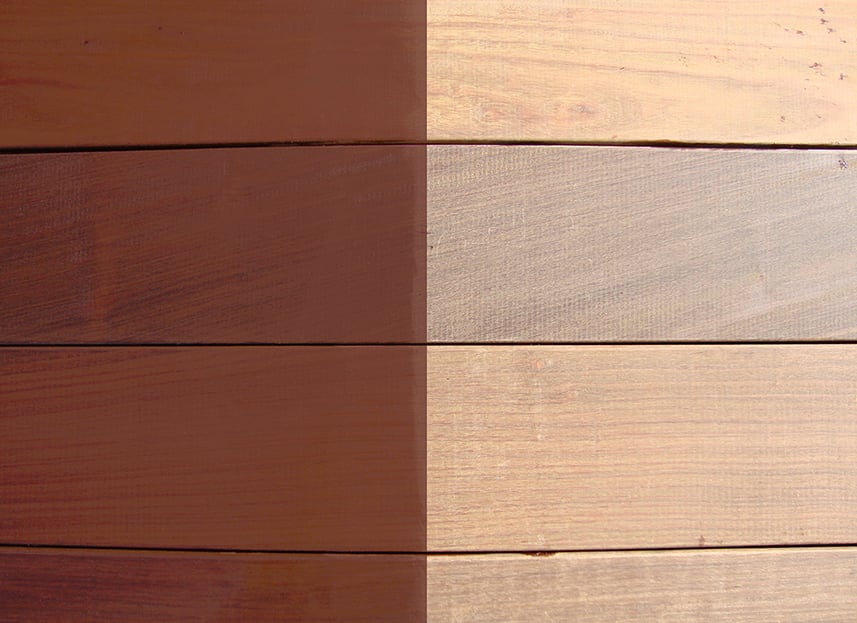
- Oiling helps preserve the wood’s rich natural color and slows UV weathering.
Both can play an important role in getting the best long-term performance and appearance from your hardwood deck.
Ready to Build a Long-Lasting Hardwood Deck?
Explore premium hardwood decking, deck oils, end sealers, hidden fasteners, and installation accessories from AdvantageLumber.com to help your hardwood deck stay beautiful and perform for decades.