
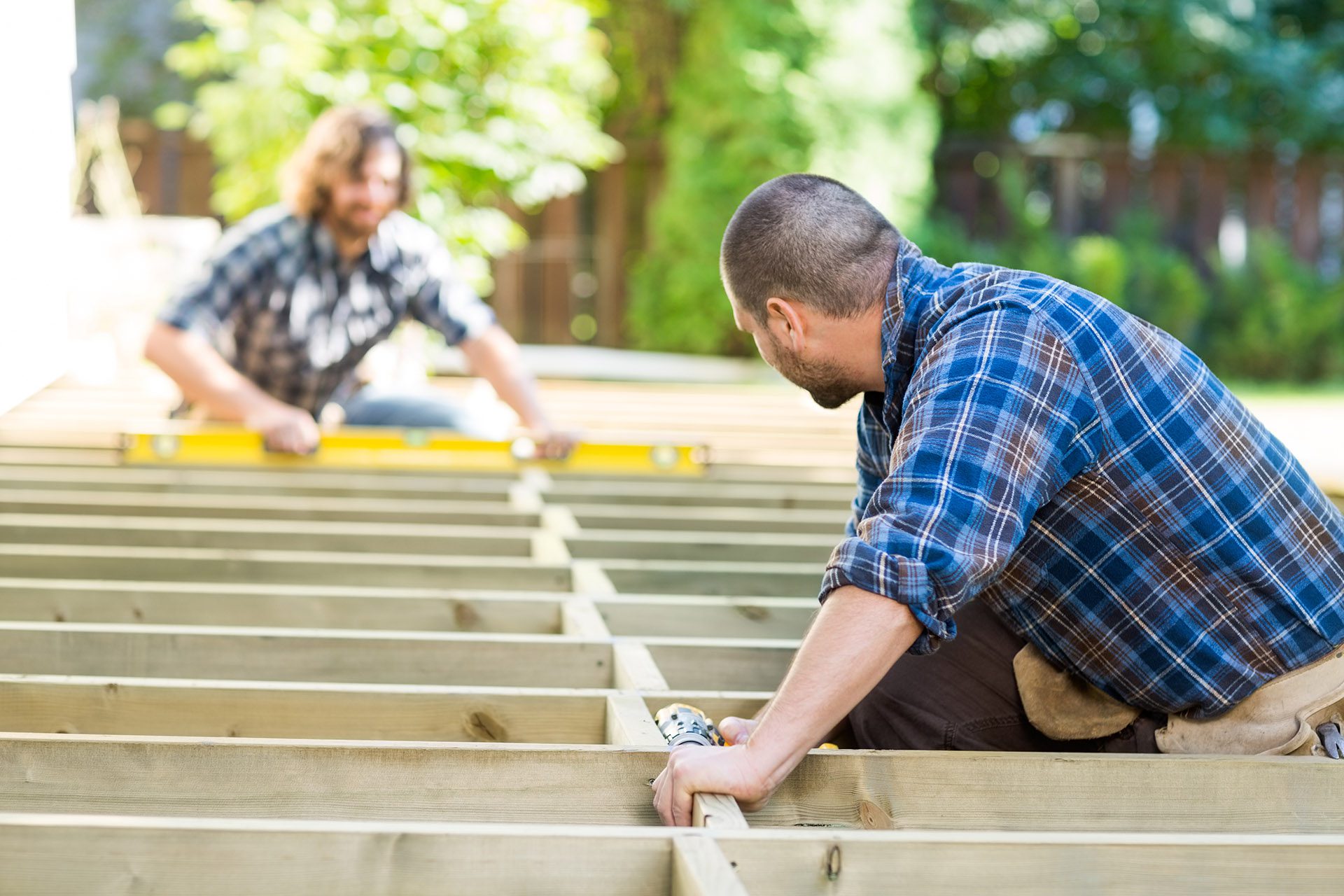
Building a deck is an exciting way to enhance your outdoor living space, whether you’re dreaming of summer barbecues, cozy evenings under the stars, or a relaxing spot for morning coffee. But without careful planning and execution, your dream deck can turn into a costly nightmare.
From structural failures to safety hazards, deck-building mistakes can lead to repairs, fines, or even injuries. To help you create a deck that’s safe, durable, and beautiful, we’ve compiled the 13 most common deck-building mistakes—and how to avoid them.
1. Poor Planning and Design
Mistake: Jumping into construction without a clear plan for the deck’s size, layout, or purpose. Many builders underestimate the space needed for furniture, traffic flow, or activities like dining or grilling.
Why It’s a Problem: A poorly designed deck can feel cramped, impractical, or violate local zoning laws, leading to headaches down the road.
How to Avoid It: Start with a detailed plan. Consider how you’ll use the deck—entertaining, relaxing, or both? Sketch the layout using graph paper or design software. For example, a dining table needs about a 12×12-foot area. Check local zoning laws for setbacks and permits to ensure compliance.
2. Ignoring Local Building Codes and Permits
Mistake: Skipping permits or disregarding local building codes.
Why It’s a Problem: Non-compliant decks can result in fines, forced removal, or complications when selling your home. Codes exist to ensure safety and structural integrity.
How to Avoid It: Contact your local building department before starting. Ask about requirements for footings, railings, setbacks, and permits. Schedule inspections as needed to keep your project on track.
3. Inadequate Foundation and Footings
Mistake: Using undersized, shallow, or improperly placed footings, or ignoring frost-line requirements in cold climates.
Why It’s a Problem: Weak footings can cause the deck to sink, shift, or collapse, especially under heavy loads or freeze-thaw cycles.
How to Avoid It: Dig footings below the frost line (typically 36–48 inches in cold climates). Use concrete piers (12–18 inches in diameter for standard decks) that are level and properly spaced based on beam and joist spans. A solid foundation is the backbone of a safe deck.
4. Improper Ledger Board Attachment
Mistake: Incorrectly attaching the ledger board (the board connecting the deck to the house) or skipping ledger flashing.
Why It’s a Problem: A poorly secured ledger can pull away, risking collapse. Without flashing, water seeps behind the ledger, causing rot and damage to your home’s structure.
How to Avoid It: Secure the ledger with lag screws or through-bolts (not nails) into the house’s rim joist or framing, following code-specified spacing (e.g., 16–24 inches). Install corrosion-resistant flashing, like aluminum or galvanized steel, to divert water away from the house. Use DeckWise Ledger tape to create a waterproof seal that prevents your ledger board from rotting.
5. Using Incorrect or Substandard Materials
Mistake: Choosing non-pressure-treated wood for ground-contact areas or non-corrosion-resistant fasteners.
Why It’s a Problem: Untreated wood rots quickly in moist conditions, and non-galvanized fasteners corrode, weakening the structure. Mixing incompatible materials (e.g., aluminum flashing with treated wood) can cause galvanic corrosion.
How to Avoid It: Use pressure-treated lumber or composite materials rated for ground contact. Opt for hot-dipped galvanized or stainless steel fasteners and connectors. Ensure material compatibility, such as using vinyl or copper flashing with treated wood.
6. Incorrect Joist and Beam Sizing or Spacing
Mistake: Using undersized joists or beams, or spacing them too far apart.
Why It’s a Problem: Undersized or over-spanned components can sag, bounce, or fail under load, creating safety hazards.
How to Avoid It: Refer to span tables from the American Wood Council or local codes to select appropriate sizes (e.g., 2×8 joists at 16-inch centers for a 10-foot span). Use joist hangers to securely connect joists to beams and ledgers.
7. Neglecting Proper Ventilation and Drainage
Mistake: Building decks too close to the ground or without gaps between deck boards, trapping moisture.
Why It’s a Problem: Poor ventilation promotes mold, mildew, and rot, especially in humid climates. Water pooling on the deck accelerates wear.
How to Avoid It: Elevate the deck 18 inches above ground for airflow. Space deck boards 1/8–1/4 inch apart for drainage. Slope the deck slightly (1/8 inch per foot) away from the house to prevent water buildup.
8. Inadequate or Missing Railings
Mistake: Omitting railings on elevated decks or installing railings that are too low or weak.
Why It’s a Problem: Decks over 30 inches above ground typically require railings (per most codes) to prevent falls. Weak railings are a safety risk.
How to Avoid It: Install railings at least 36 inches high (42 inches for commercial decks) with balusters spaced no more than 4 inches apart. Ensure railings can withstand 200 pounds of lateral force, as required by code.
9. Overlooking Post and Beam Connections
Mistake: Failing to use proper post-to-beam connectors or notching posts incorrectly.
Why It’s a Problem: Weak connections or excessive notching reduce load-bearing capacity, compromising the deck’s stability.
How to Avoid It: Use post caps or hurricane ties to secure beams to posts. Avoid notching posts; instead, rest beams on top of posts or use metal connectors for a strong connection.
10. Skipping Maintenance Considerations
Mistake: Not planning for ongoing maintenance, like sealing pressure treated wood decks.
Why It’s a Problem: Unmaintained softwood decks splinter, warp, or rot, while even composite decks require periodic cleaning to stay in top shape.
How to Avoid It: Choose low-maintenance materials like composite, PVC decking or hardwood decking if upkeep is a concern. For wood decks, apply a weather-resistant sealant or stain every 1–3 years, depending on your climate.
11. Incorrect Fastener Installation
Mistake: Using nails instead of screws, over-driving fasteners, or spacing them improperly.
Why It’s a Problem: Nails can pop out over time, and over-driven screws weaken the wood. Incorrect spacing reduces structural integrity.
How to Avoid It: Use corrosion-resistant deck screws or hidden fasteners. Drive screws flush with the surface and follow manufacturer guidelines for spacing (e.g., two screws per joist for deck boards).
12. Building Without Proper Tools or Skills
Mistake: Attempting a deck build without essential tools (e.g., a level, post-hole digger, or circular saw) or sufficient carpentry skills.
Why It’s a Problem: Inaccurate cuts, uneven surfaces, or weak joints can compromise the deck’s appearance and safety.
How to Avoid It: Invest in or rent quality tools, like a laser level for precision. If you’re new to deck building, consider hiring a professional for critical steps like the foundation or ledger attachment, or take a deck-building workshop to build your skills.
13. Not Using Joist Tape
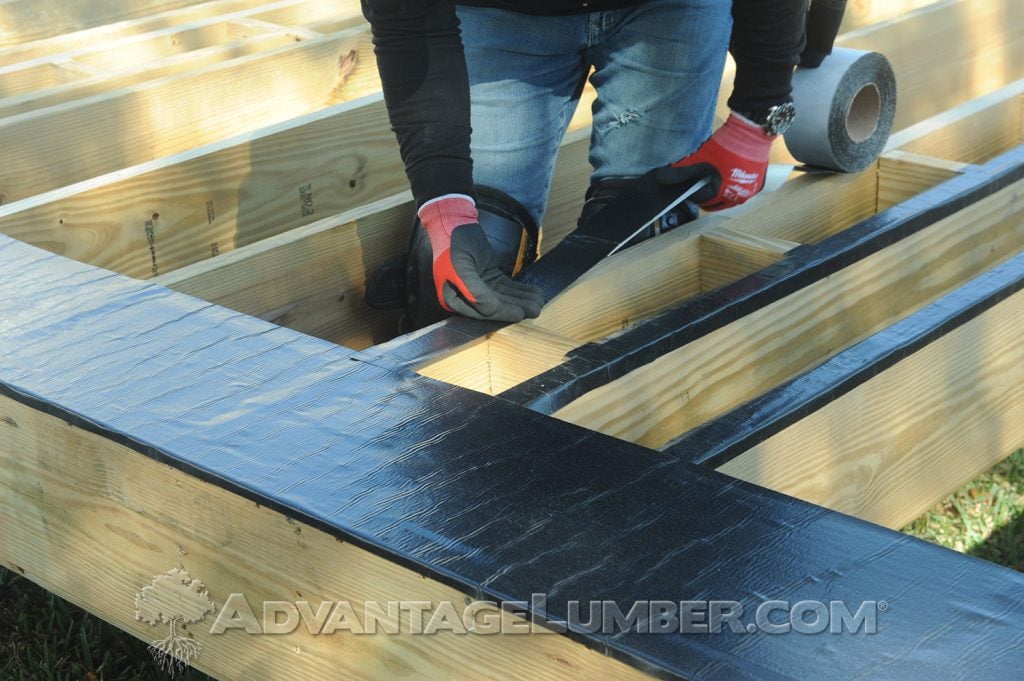
Mistake: Skipping joist tape on the top of joists and beams before installing deck boards.
Why It’s a Problem: Joist tape, a self-adhesive butyl rubber or asphalt-based membrane, is a game-changer for deck longevity. Without it:
- Water Infiltration: Rain, snow, or spills seep into joists through screw holes and gaps, leading to rot, mold, and wood decay.
- Fastener Corrosion: Moisture around screws or nails accelerates corrosion, weakening connections and causing fasteners to loosen.
- Reduced Lifespan: Untreated joists can rot within 5–10 years in wet climates, requiring costly repairs or replacement.
- Structural Weakness: Rot weakens joists, increasing the risk of deck failure under weight.
How to Avoid It: Apply joist tape (e.g., Trex Protect or DeckWise Joist Tape) to the top of all joists, beams, and ledger boards before installing deck boards. Ensure the tape covers the entire top surface and wraps slightly over the edges for maximum protection. Clean and dry the wood first for proper adhesion. This simple step can extend your deck’s lifespan by 10–20 years!
