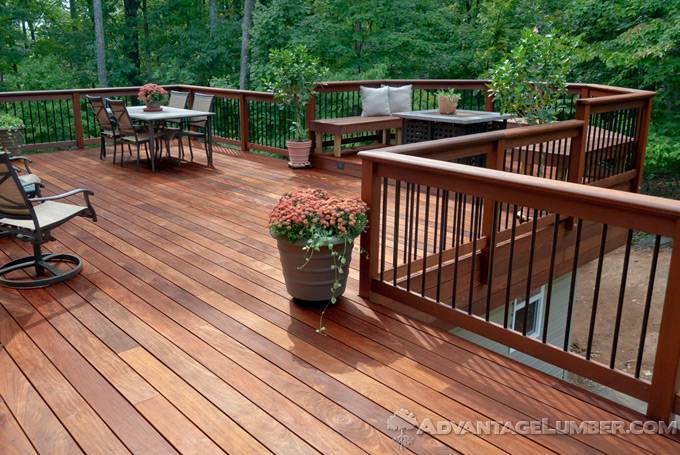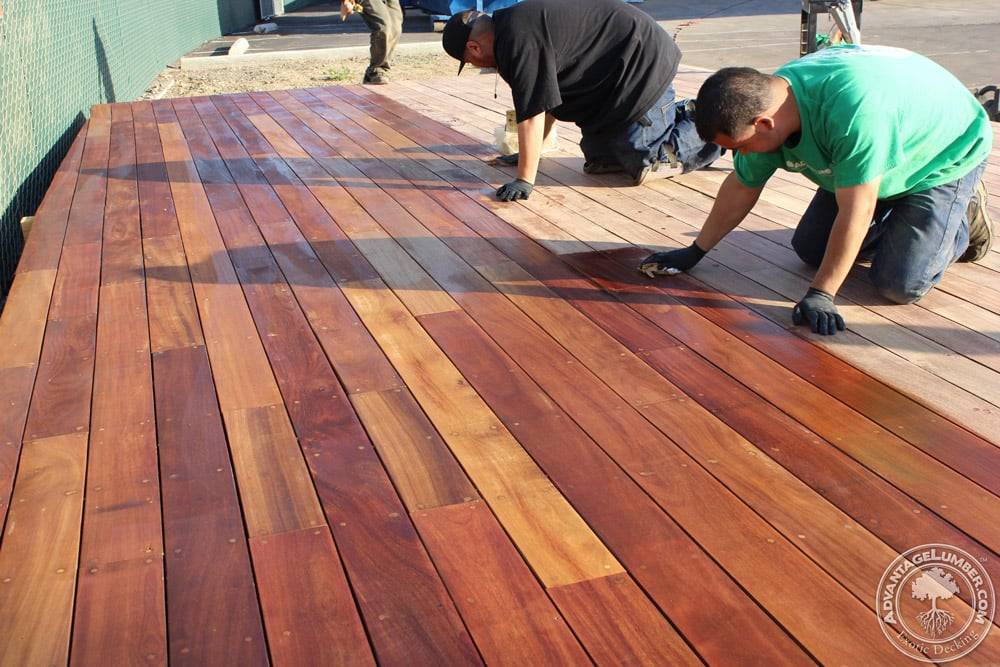
Tropical hardwoods like Ipe, Cumaru, Tigerwood, and Plantation Teak are some of the most durable decking materials available. They resist rot, insects, and moisture, and many even carry a Class A fire rating. That density, however, makes them a little tricky when it comes to finishing.
Film-forming sealers that work on softwoods often can’t bond to hardwood properly, leading to peeling, flaking, or uneven wear. That’s why homeowners and contractors turn to penetrating oils like Ipe Oil® or high-performance water-based sealers such as WiseCoat®, which are specifically designed for dense hardwoods.
Applied correctly, these finishes enhance the wood’s natural beauty and slow down UV graying. Applied incorrectly? You may see sticky surfaces, blotchy color, black spots, or premature fading. The good news: most problems are preventable.
Below are the most common mistakes we see and how to avoid them.
1. Leaving Excess Oil on the Surface
Hardwoods can only absorb so much oil. Anything left on the surface may never fully cure. That can lead to:
- Sticky or gummy surfaces
- Dirt, dust, and pollen collecting on the finish
- Patchy water beading and uneven color
How to avoid it:
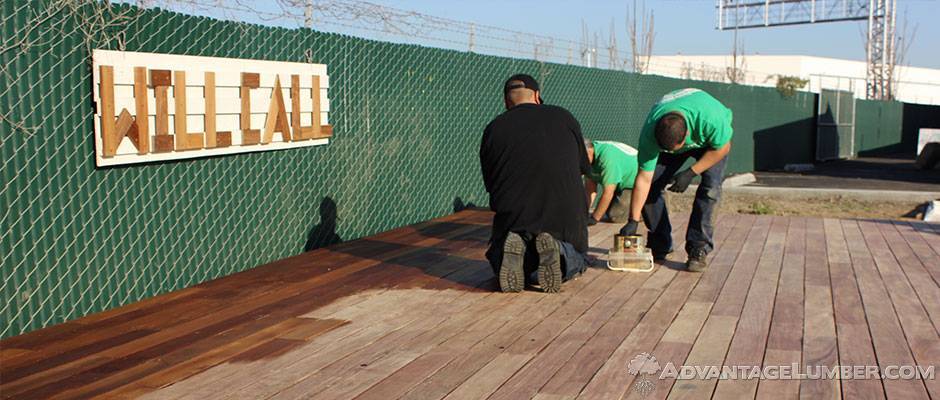
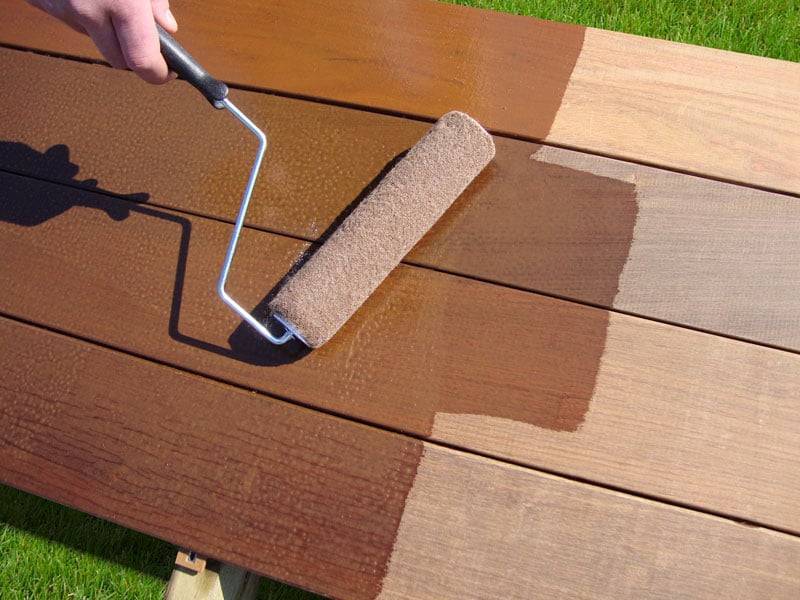
- Apply a thin coat with a brush, pad, or 3/8″ roller
- Allow it to soak in according to the label
- Wipe off all excess until the wood looks natural and matte
If your deck feels sticky days later, too much product is usually the cause – not defective wood.
2. Applying in Poor Weather Conditions
Oil needs the right environment to cure. Applying too soon after rain, during freezing temperatures, or in extreme heat can prevent proper penetration, causing streaking or blotchy color.
Best practice guidelines:
- Make sure the deck is completely dry (typically at least 24 hours after rain)
- Avoid temps below 50°F (10°C) or extreme heat
- Check for clear weather at least 24 hours after application
3. Sanding Without Proper Cleaning
Fresh sanding produces fine dust that can clog wood pores, stopping the oil from penetrating fully.
Common symptoms:
- Cloudy or patchy finish
- Faster UV fading
- Tacky or uneven feel
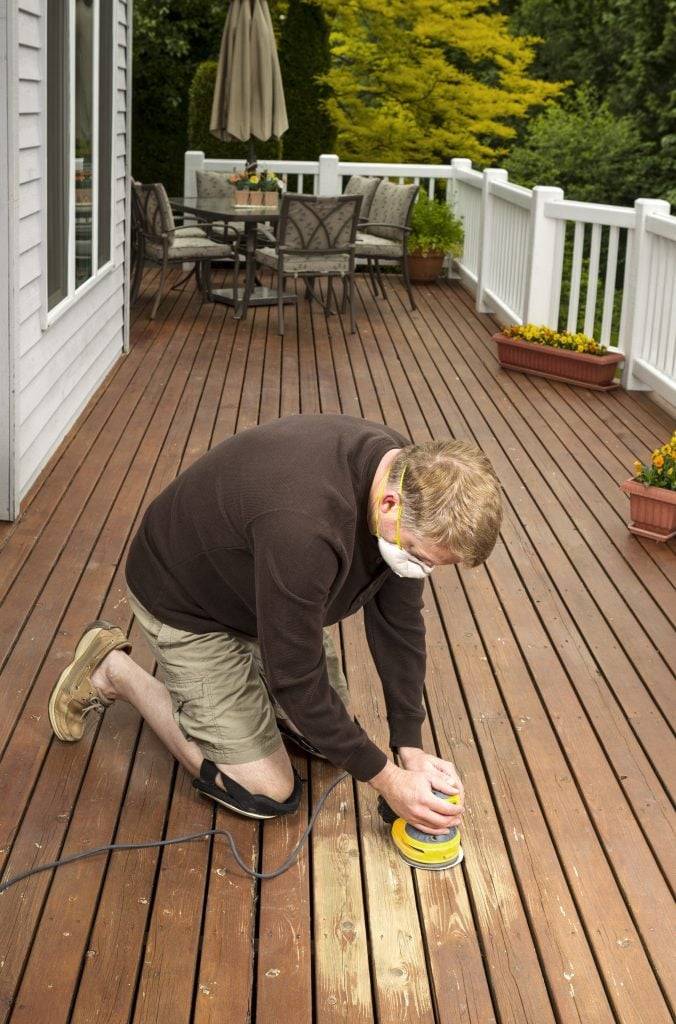
Proper prep order:
- Clean with a hardwood deck cleaner
- Use a brightener if needed
- Rinse thoroughly, allow 24–48 hours to dry
- Sand lightly only if needed
- Remove all sanding dust before finishing
4. Confusing Oil and Sealer
Softwood stains and film-forming sealers usually sit on hardwood rather than penetrating into it. On hardwoods like Ipe and Cumaru, that leads to peeling and frustration.
Here’s what works:
- Penetrating oil finishes (like Ipe Oil®) for rich color enhancement and UV protection
- Water-based penetrating sealers like WiseCoat®, which use nanotechnology to coat wood fibers at the cellular level and create a breathable, long-lasting moisture barrier.
Oil will always fade with UV exposure. In high-sun, high-UV locations (Caribbean resorts, for example), decks might need to re-oil every 6 – 12 months, while shaded decks in cooler climates might get 2 – 3 years between applications. That’s normal and not a sign of bad wood.
5. Not Understanding How Long a Finish Should Last
A big disconnect we see between expectations and reality. Hardwood deck finishes do not last forever — and they’re not meant to. Sun exposure, weather patterns, and even whether a deck is near water or surrounded by trees all impact how long a finish will hold up. Every properly applied coat of finish should last at least as long as or longer than the previous one, as long as the surface isn’t sanded between coats and the prep is done correctly.
Tips for realistic expectations:
- A standard hardwood deck oil like Ipe Oil® is often applied once per year as a typical benchmark, though many customers can go longer or shorter depending on sun exposure.
- Water-based sealers like WiseCoat® can offer longer waterproofing performance (up to several years on horizontal surfaces), especially in moderate climates, though UV and color maintenance still depend on exposure and care.
If the deck is sanded, you’re effectively “resetting” the surface and must clean and pressure wash afterwards so the new finish can penetrate properly.
6. Black Spots or Dark Speckling
Black spots or dark patches on a hardwood deck often alarm homeowners, but they are rarely a sign of defective wood. The most common causes are related to finish issues or environmental factors:
- Finish issues: Over-application of oil or improper back-wiping can leave a tacky surface that collects dirt, pollen, and mildew.
- Metal contamination: Tiny metal filings from cutting, railings, gutters, or nearby structures can react with the wood’s tannins when wet, causing black or dark stains.
How to address black spots:
- Clean the deck thoroughly with a hardwood deck cleaner to remove dirt, mildew, and contaminants.
- Use a wood brightener if necessary to restore the wood’s pH balance and open the pores.
- Lightly sand any affected areas if needed
- Reapply the appropriate finish, making sure to follow the manufacturer’s soak time and back-wiping instructions.
Replacing boards without addressing the underlying cause rarely solves the problem and often leads to recurring staining.
A successful hardwood deck finish relies on proper prep, correct application, and realistic expectations. When done right, oil finishes provide beautiful, natural color and long-lasting protection, keeping hardwood decks looking great for years.