
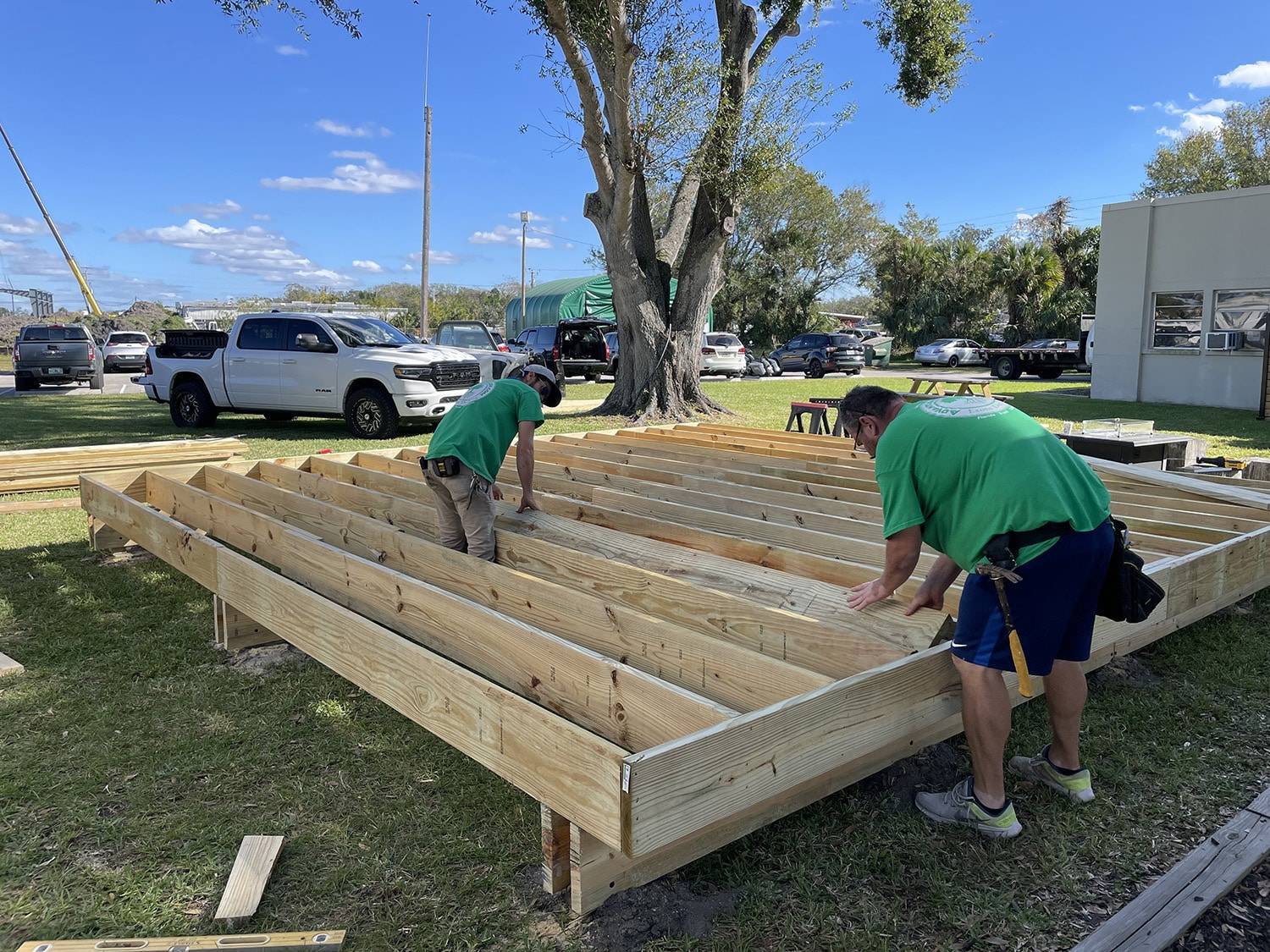
Building a deck can transform your backyard into an outdoor oasis, perfect for barbecues, relaxation, and family gatherings. But before you grab your tools and start hammering away, there’s a crucial question to address: Do you need a permit? The short answer is—it depends.
In this blog post, we’ll discuss whether a permit is required, the potential consequences of skipping it, and practical tips on how to draw up deck plans that will sail through the approval process with your local building inspector. Whether you’re a DIY enthusiast or hiring a contractor, understanding these steps can save you time, money, and headaches.
Do You Need a Permit to Build a Deck?
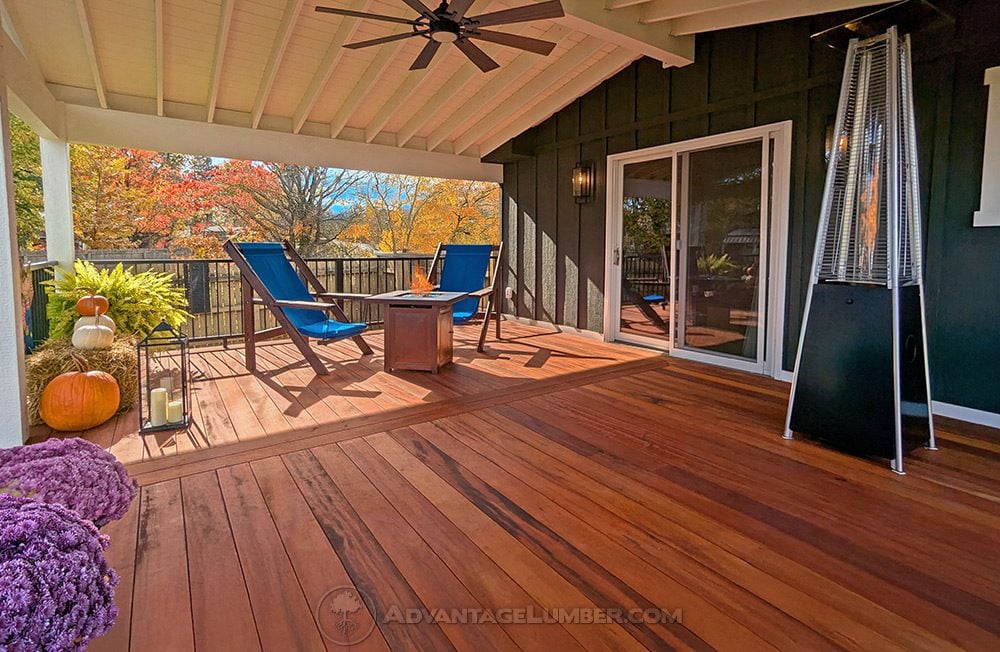
The requirement for a building permit when constructing a deck varies significantly based on your location, the deck’s size, height, and design. Local building codes, often based on the International Residential Code (IRC), dictate these rules, and they’re enforced by your city’s or county’s building department. Always check with your local authorities first, as regulations can differ even between neighboring towns.
Here are some general guidelines commonly seen across the United States:
- Height Threshold: If your deck is more than 30 inches above the ground at any point, a permit is typically required. This is a safety measure to ensure proper railings, footings, and structural integrity.
- Size Matters: Decks larger than 200 square feet often need permits, regardless of height. Smaller, ground-level decks (sometimes called “patios” if they’re very low) might be exempt.
- Attachment to the Home: If the deck is attached to your house (e.g., via a ledger board), it’s almost always permit-required, as it affects the home’s structure. Freestanding decks may have more leniency if they’re under 30 inches high.
- Other Factors: In areas with homeowners associations (HOAs), you’ll need their approval in addition to (or before) a municipal permit. Special considerations apply for manufactured homes, where even small decks used for entry/exit require permits. Zoning laws might restrict deck placement near property lines or easements.
For example, in many Minnesota cities like Hopkins or Maplewood, freestanding decks under 30 inches don’t need permits, but anything taller or attached does. In contrast, some counties might exempt decks under 2 feet high entirely. To confirm, contact your local building inspections department—they often provide handouts or online resources outlining specifics.
Pro Tip: Even if a permit isn’t required, it’s wise to follow building codes for safety. A poorly built deck can lead to collapses, injuries, or costly repairs down the line.
What Happens If You Build a Deck Without a Permit?
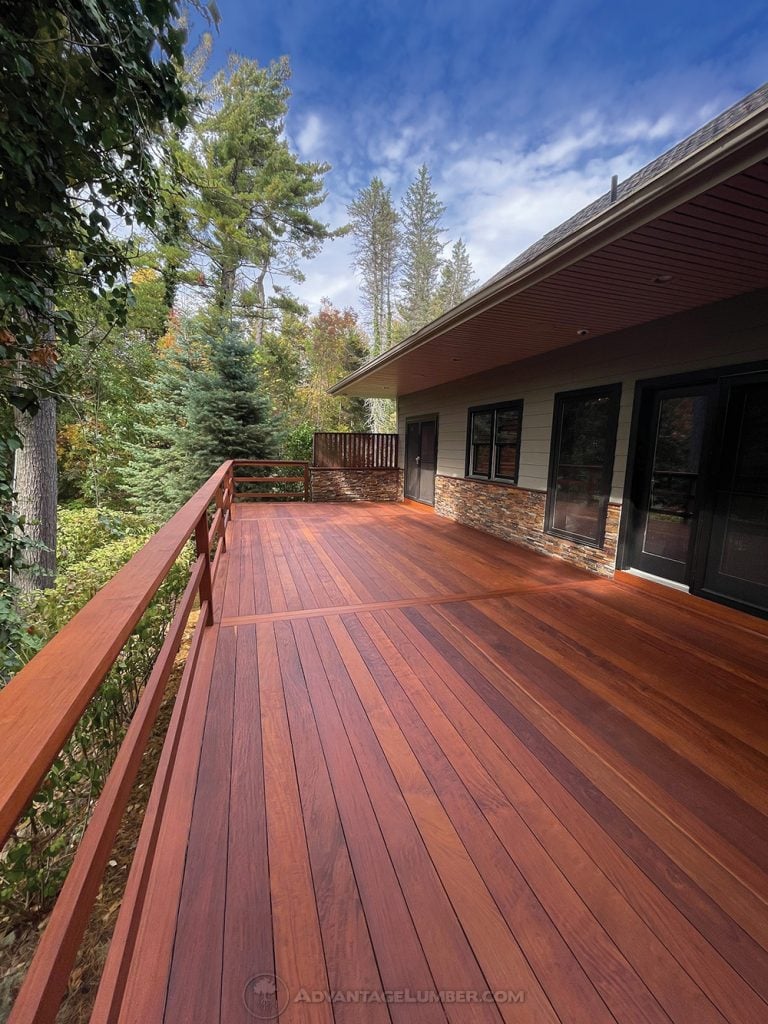
Tempted to skip the paperwork? Think again.
Building without a permit might seem like a shortcut, but it can lead to serious repercussions. Local governments take building codes seriously to ensure public safety, and violations can be discovered through neighbor complaints, routine inspections, or when you try to sell your home.
Here’s a breakdown of the potential consequences:
- Fines and Penalties: You could face hefty fines, often starting at a few hundred dollars and escalating to $500 per day in some areas. These can include back taxes if the deck increases your property’s assessed value without proper documentation.
- Forced Demolition or Modifications: Authorities might issue a “stop work” order and require you to tear down the deck entirely or rebuild it to code. In some cases, you can apply for a retroactive permit, but if the structure doesn’t meet standards, demolition is non-negotiable.
- Legal Issues: Expect court appearances, liens on your property, or even lawsuits if someone gets injured on the unpermitted deck. Liability falls squarely on you as the homeowner.
- Safety Risks: Without inspections, your deck might not comply with codes for load-bearing, railings, or footings, increasing the chance of accidents, injuries, or fatalities.
- Insurance Problems: Your homeowner’s insurance may deny claims for damage or injuries related to the deck, as unpermitted work often voids coverage. Warranties on materials or contractor work could also be invalidated.
- Issues When Selling Your Home: An unpermitted deck can scare off buyers, lower your property value, or halt a sale until resolved. Home inspectors will flag it, potentially leading to negotiations for repairs or price reductions.
In short, the risks far outweigh the convenience. Outcomes vary by city, some allow retroactive inspections, while others demand a full tear down. Always err on the side of caution and get the permit upfront.
How to Draw Deck Plans for Permit Approval
Once you’ve decided to pursue a permit, the next step is creating detailed plans. Building inspectors need to see that your design is safe, code-compliant, and feasible. The good news? Plans don’t have to be fancy—simple hand-drawn sketches can suffice if they’re clear and comprehensive. However, using software can make the process easier and more professional.
What to Include in Your Deck Plans
Submit at least two copies of your plans with the permit application. Key elements to cover:
- Site Plan: Show the deck’s location on your property, including distances to property lines, the house, and any easements.
- Overall Dimensions: Length, width, height, and exact footing locations with center-to-center distances.
- Structural Details: Sizes and spans for girders/beams, floor joists, support posts, and footings. Specify materials (e.g., pressure-treated lumber, composite decking).
- Views and Sections: Include a plan view (top-down), front and side elevations, and cross-sections showing components like ledger boards, flashing, railings, stairs, and hangers.
- Additional Components: Note bridging/blocking if needed, railing/guard details, and any septic/zoning permits if applicable.
Use local code tables for joist spans, beam sizes, and footing depths to ensure compliance.
Tools and Tips for Drawing Plans
- DIY Drawing: Start with graph paper, a ruler, and pencil for a basic sketch. Scale it appropriately (e.g., 1/4 inch = 1 foot).
- Software Options: Free tools like the Trex Deck Designer or Simpson Strong-Tie Deck Planner can generate blueprints, material lists, and 3D renderings. Decks.com offers hundreds of free professional plans you can customize.
- Professional Help: If you’re unsure, hire a deck builder or architect to draft plans—they often include this in their services.
- Approval Tips: Double-check against your local IRC version (e.g., 2018 NC Residential Code in some areas). Get pre-approval from your HOA if required, and use calculators for accurate sizing (e.g., stair or cost estimators). Submit complete applications to avoid delays—inspectors appreciate clarity and thoroughness.
With well-prepared plans, approval is usually straightforward, and you’ll have peace of mind knowing your deck is built to last.
Final Thoughts
Building a deck is an exciting project, but navigating permits is essential for safety and legality. By checking local requirements, understanding the risks of going permit-free, and submitting detailed plans, you’ll set yourself up for success. If in doubt, consult your building department early—they’re there to help. Happy building, and enjoy your new outdoor space! If you’ve got deck-building stories or tips, share them in the comments below.
