
When planning a new deck, pressure-treated pine is often one of the first materials homeowners consider because of its low upfront cost. But if you’re looking for something with richer color, distinctive grain, and greater natural durability, Tigerwood offers a very different option.
The two materials come with very different price tags, but the initial cost is only part of the picture. Maintenance, appearance, and how long the decking lasts can all affect its value over time.
Tigerwood vs. Pressure Treated Pine: Initial Cost
Pressure-treated pine is one of the least expensive wood decking options. It’s treated with preservatives to help protect against rot, decay, and insect damage, making it a common choice for homeowners working with a tighter budget.
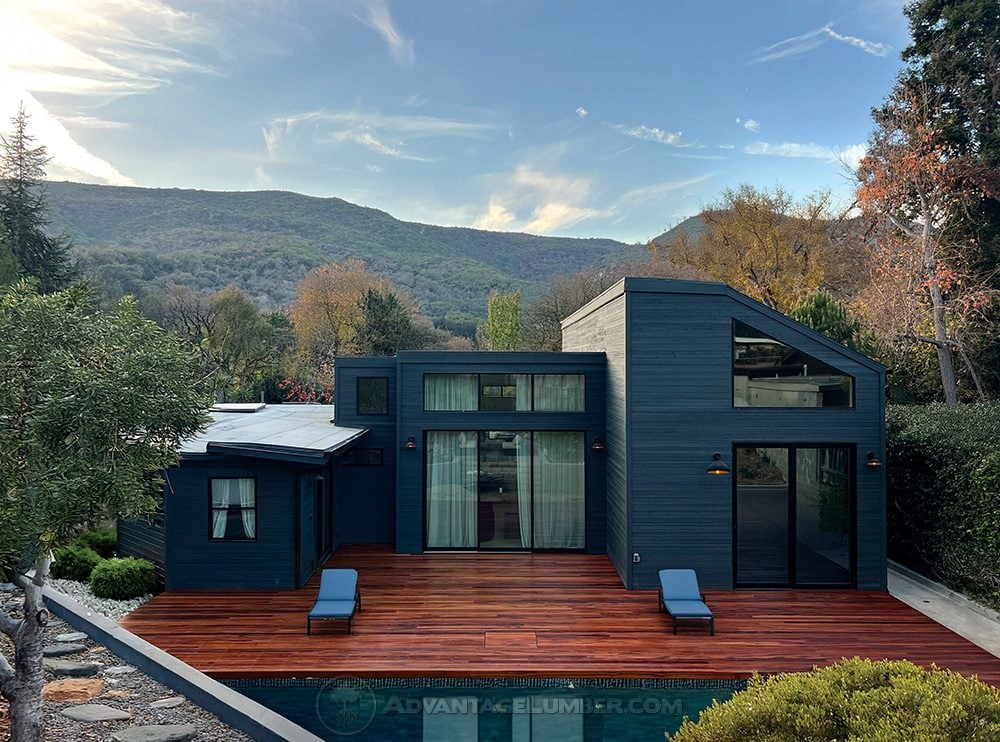
Tigerwood costs considerably more upfront, but it offers a different level of appearance and natural durability. This tropical hardwood has beautiful golden to reddish-brown coloring with dark brown and nearly black streaks. The contrasting grain gives each board a distinctive look that’s difficult to replicate with pressure-treated pine.
Here’s a look at approximate retail prices for comparable 5/4 × 6 decking boards.
| Decking Material | Example Board Price | Approx. Cost per Linear Foot |
| Pressure-treated pine 5/4 × 6 × 8 ft. | 6.88 | 0.86 |
| Tigerwood, 5/4 × 6 | Varies by length | 3.78 |
These are example retail prices checked in November 2026, not fixed market averages. Lumber prices can fluctuate, and actual costs may vary by supplier, location, grade, board length, and availability. Use these figures as a general starting point rather than a guaranteed project quote.
The initial price difference is substantial. However, the cost of the boards is only one part of the decision.
Tigerwood is much harder and denser than pressure-treated pine. Its Janka hardness rating is approximately 2,160 lbf, compared with around 690 lbf for Southern Yellow Pine. That added density contributes to its durability, but it also means cutting and drilling require appropriate tools and techniques.
Pressure-treated pine is generally easier to cut and install, which may reduce labor costs. Tigerwood typically requires pre-drilling and carbide-tipped cutting tools, so installation costs can be higher depending on the project and contractor.
Appearance and Natural Durability
One of the biggest differences between these materials is how they look and perform outdoors.
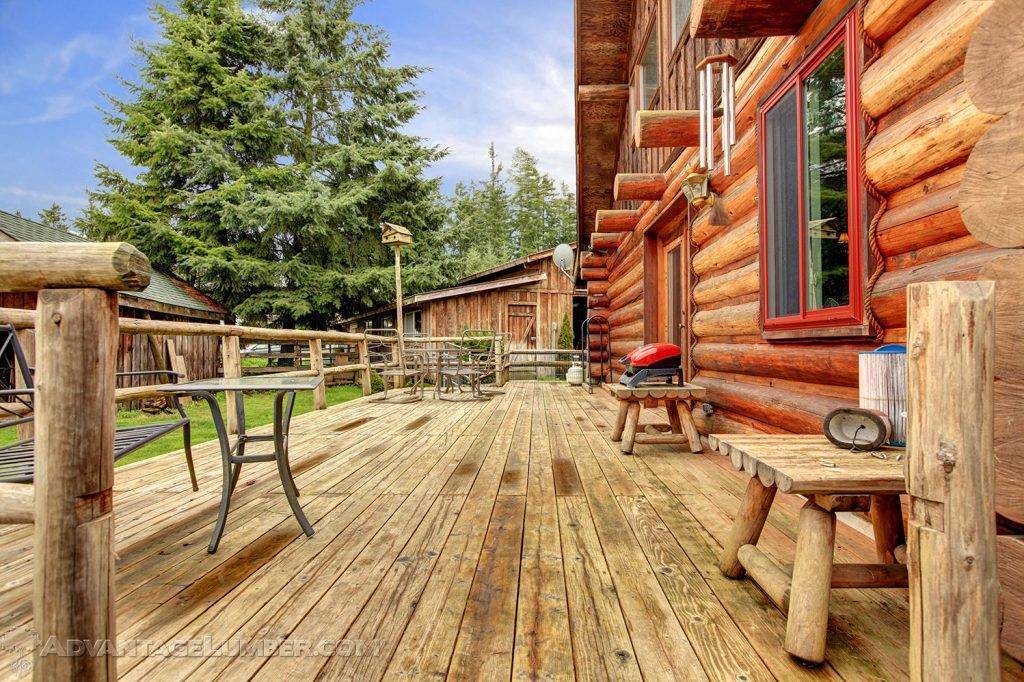
Pressure-treated pine has a familiar wood appearance, but its color and overall appearance can change as it weathers. Boards may develop cracks, checks, and splinters over time, particularly when exposed to repeated moisture and temperature changes.
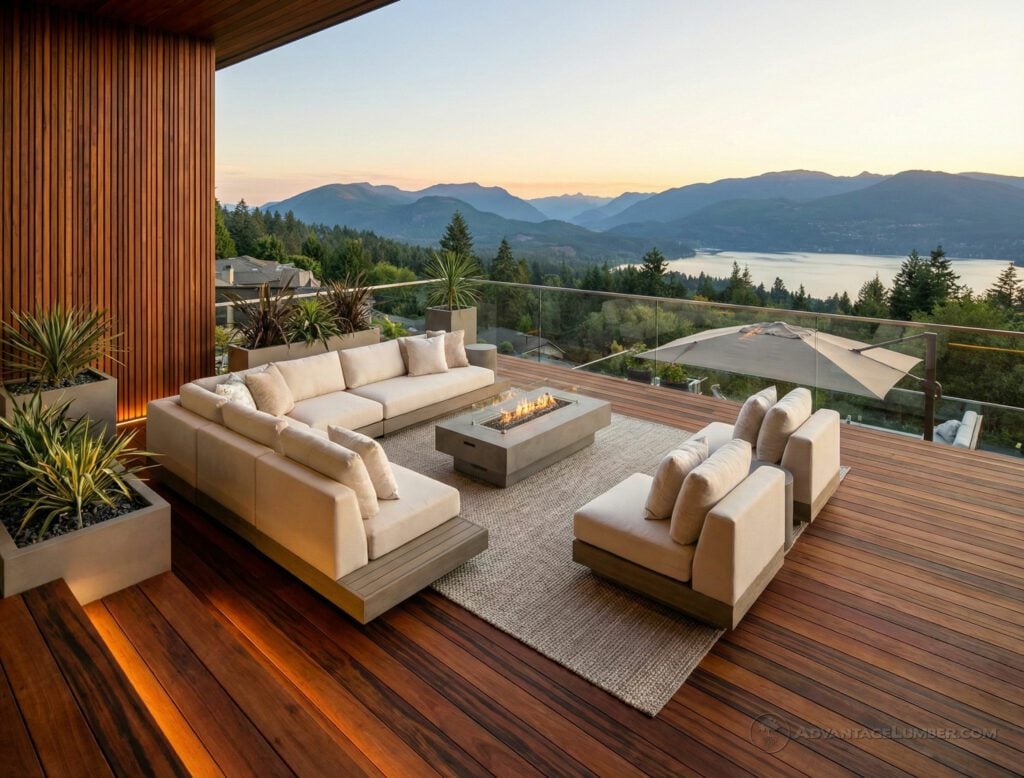
Tigerwood stands out for its rich natural color and distinctive grain. Its golden and reddish-brown tones, accented by dark streaks, give decks a warm, high-contrast appearance. It’s also naturally resistant to rot, decay, and insects, so it doesn’t rely on chemical preservatives for those protective properties.
Tigerwood’s density is another advantage. With proper installation and care, it can last 30 years or more, making it a strong option for homeowners who want a long-lasting hardwood deck.
It’s also worth knowing that Tigerwood’s color naturally changes with sun exposure. If left unfinished, it gradually weathers to a silver-gray patina. This doesn’t mean the wood has lost its natural durability. Homeowners who prefer the original brown tones can apply a UV-protective hardwood finish to help preserve the color.
Maintenance Costs Over Time
Both materials benefit from occasional cleaning and inspection, but their finishing requirements are different.
Pressure-treated pine benefits from a water-repellent finish to help protect it from moisture and weathering. You’ll also want to inspect the boards periodically for cracking, splintering, loose fasteners, and other signs of wear. How often the deck needs additional treatment depends on the product, exposure, and condition of the boards.
Tigerwood doesn’t need oil or sealer to maintain its natural resistance to rot and insects. You can clean it as needed and leave it unfinished if you like the silver-gray appearance that develops over time.
If you prefer to maintain Tigerwood’s original color, you can apply a UV-protective hardwood oil. Depending on the product and local conditions, this may require one or more applications per year. This is an optional appearance-related expense, not a requirement for the wood’s durability.
As a result, the maintenance comparison largely comes down to your preferences. Pressure-treated pine needs appropriate protection and upkeep, while Tigerwood gives you the option of a naturally weathered appearance or periodic finishing to preserve its original color.
What Does a 25-Year Cost Comparison Look Like?
To make the initial price difference easier to understand, let’s look at a hypothetical 400-square-foot deck using 5/4 × 6 decking.
We’ll estimate approximately 940 linear feet of boards, including 10% extra for cuts and waste. Based on the example prices above, the initial decking material costs would look something like this:
| Cost for a 400-Sq.-Ft. Deck | Pressure-Treated Pine | Tigerwood |
| Initial decking material | Approximately $810 | Approximately $3,550 |
At first glance, pressure-treated pine is the clear winner on upfront cost. However, a 25-year comparison involves more than the original purchase.
Pressure-treated pine may need periodic water-repellent treatment, repairs, or replacement boards as it ages. Depending on the deck’s exposure, installation, and maintenance, some homeowners may also need to replace the decking during that period.
Tigerwood costs more initially, but it can last 30 years or more with proper installation. It also doesn’t require routine oiling to maintain its natural durability. If you’re comfortable allowing it to weather to silver-gray, you can avoid the additional expense of finishes intended to preserve its original color.
For homeowners who want to maintain Tigerwood’s original appearance, the cost of UV-protective oil should be included in their maintenance budget.
There isn’t one reliable 25-year total for either material because maintenance needs, product prices, labor rates, and replacement timing vary from one deck to another. Still, the comparison shows the trade-off: pressure-treated pine is less expensive to purchase, while Tigerwood offers a longer-lasting hardwood option with distinctive natural beauty.
These estimates cover decking boards only. They exclude installation labor, framing, fasteners, freight, taxes, structural repairs, and future price increases.
Which Decking Material Is Right for Your Project?
Pressure-treated pine makes sense if your main priority is keeping the initial project cost low. It’s widely available, relatively easy to install, and can provide years of service with proper care.
Tigerwood is a better fit if you want the appearance and natural durability of tropical hardwood. It costs more upfront, but its rich color, distinctive grain, and natural resistance to rot and insects offer benefits that pressure-treated pine can’t match. You can also let it weather naturally without sacrificing its durability.
Ultimately, the right choice depends on your budget, how long you plan to enjoy the deck, and the appearance and maintenance requirements you’re comfortable with.

Frequently Asked Questions
Is Tigerwood decking worth the extra cost?
Tigerwood may be worth the additional upfront investment if you value natural hardwood appearance, durability, and long-term performance. It costs more than pressure-treated pine, but it also offers greater natural resistance to rot, decay, and insects.
How long does Tigerwood decking last?
Tigerwood decking can last 30 years or more with proper installation. Its natural durability makes it a strong option for outdoor decking.
How long does pressure-treated pine decking last?
There isn’t one reliable lifespan for every pressure-treated pine deck. Treatment level, moisture exposure, installation, and maintenance all affect how long the boards remain serviceable. Some decks last for decades, while others need repairs or replacement sooner.
Does Tigerwood decking need to be sealed or oiled?
No. Tigerwood doesn’t need oil or sealer to maintain its natural durability. However, applying a UV-protective hardwood finish can help preserve its original brown and reddish tones. Without a finish, the wood gradually weathers to silver-gray.
Does pressure-treated pine need to be sealed?
A water-repellent finish is recommended for pressure-treated Southern Pine decking. Follow the finish manufacturer’s instructions for application and reapplication, since maintenance intervals vary by product and exposure.
Final Thoughts
Pressure-treated pine can be a practical choice when keeping the initial cost down is the priority. However, if you want a deck that stands out for its natural beauty and is built to last, Tigerwood is worth a closer look.
Its rich golden-brown color, dark grain patterns, and natural resistance to decay give it qualities you won’t get from standard pressure-treated lumber. And because it doesn’t need to be oiled to maintain its durability, you can enjoy its natural silver-gray weathered appearance or apply a finish to keep its original color.
The best choice ultimately comes down to what matters most for your project: the lowest upfront price or investing in a hardwood deck with distinctive character and lasting performance.
Ready to explore Tigerwood for your next deck project? Take a look at Advantage Lumber’s Tigerwood decking to see the natural color, grain, and available options.
