Building a deck is a long-term investment, and most homeowners today want materials that look great without constant maintenance. Traditional pressure-treated lumber can require regular sanding, staining, and sealing to keep it protected from weather and wear.
Fortunately, modern decking materials offer durable alternatives that reduce upkeep while maintaining beautiful outdoor living spaces. In 2026, three decking materials stand out for their low-maintenance performance: composite decking, PVC decking, and hardwood decking.
Each material offers its own advantages in terms of durability, appearance, cost, and long-term maintenance requirements. Understanding the differences can help you choose the best option for your deck project.
Composite Decking – Durable and Low-Maintenance
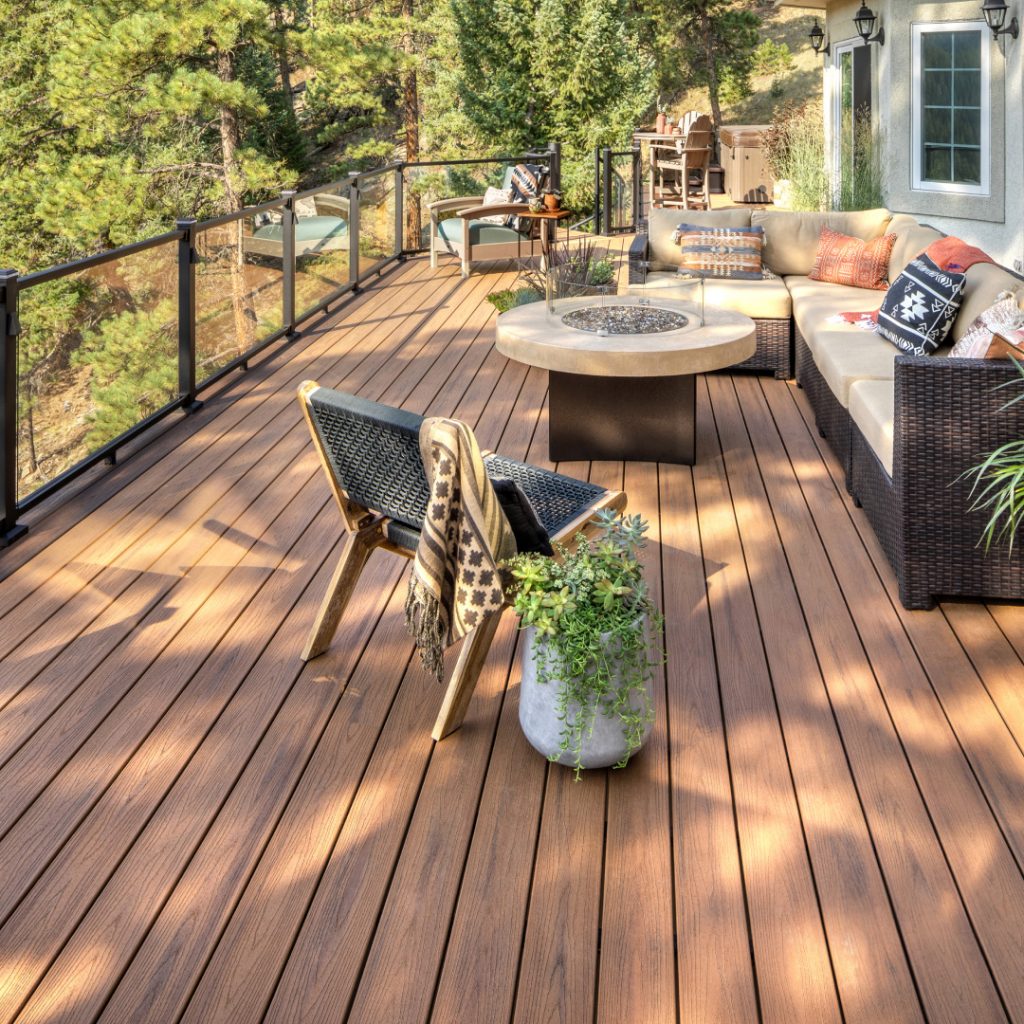
Composite decking combines wood fibers and recycled plastics to create boards that look like natural wood but resist many of the problems that affect traditional lumber, including splintering, warping, and rot.
Composite boards install similarly to wood, making them a familiar choice for many DIYers and professional installers alike.
Benefits of Composite Decking
- Very low maintenance
- Resistant to rot, insects, and splintering
- Wide variety of colors and wood-grain textures
- Often made with recycled materials
- Lifespan of 25 – 30 years
Advantage Lumber carries leading composite brands including Trex, TimberTech, and Deckorators.
Maintenance for Composite Decking
Composite decks are designed to minimize upkeep. Typical care includes:
- Sweeping debris regularly
- Washing with mild soap and water
- Using a nylon or soft brush for stubborn dirt
- Occasional low-pressure power washing
Composite boards do not require staining, sanding, or sealing, and in colder climates, snow can be removed with a plastic shovel while ice melt products approved by the manufacturer are safe to use.
Best For
Composite decking works well in a wide range of climates, including regions with seasonal temperature changes.
PVC Decking – Moisture-Resistant and Long-Lasting
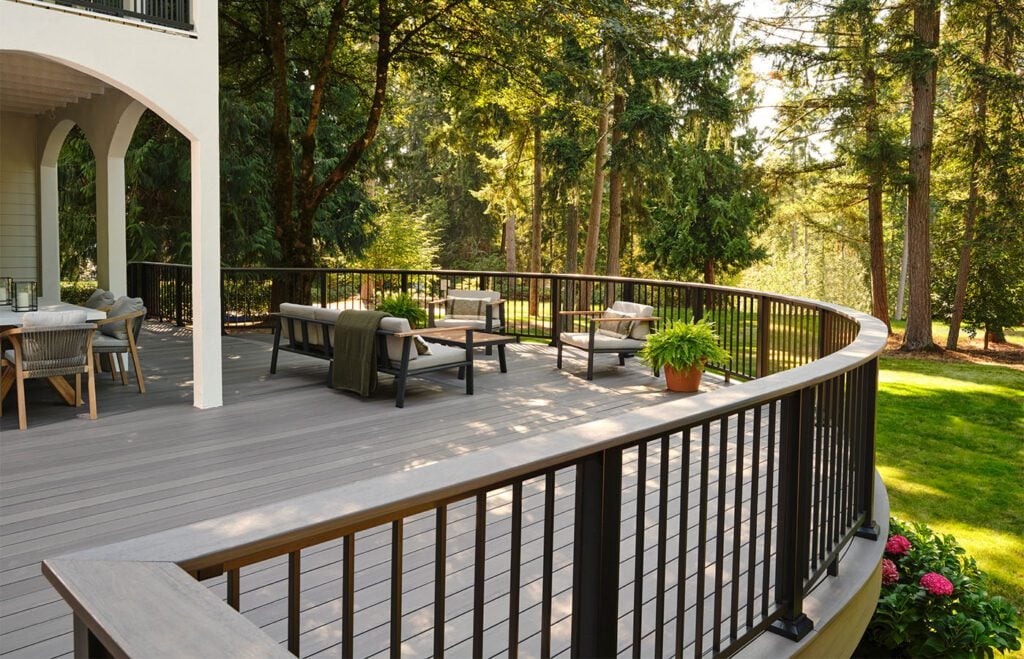
PVC decking is made from polyvinyl chloride, meaning it contains no organic materials like wood fibers. This makes it highly resistant to moisture, mold, and mildew.
PVC boards deliver a realistic wood appearance without the maintenance of natural wood.
Benefits of PVC Decking
- Extremely low maintenance
- Resistant to moisture, rot, mold, and mildew
- Lightweight and easy to install
- Long lifespan of 50+ years
Advantage Lumber carries TimberTech PVC decking, known for durable capped polymer boards designed to resist fading, staining, and moisture damage.
Maintenance for PVC Decking
PVC requires very little upkeep. Basic maintenance includes:
- Occasional washing with soap and water
- Brushing away dirt and debris with a stiff deck brush
There is no need for sanding, sealing, or staining, making PVC a truly low-maintenance option
Best For
PVC decking is ideal for humid climates, poolside decks, or waterfront properties, where moisture exposure is a concern.
Hardwood Decking – Premium Natural Option
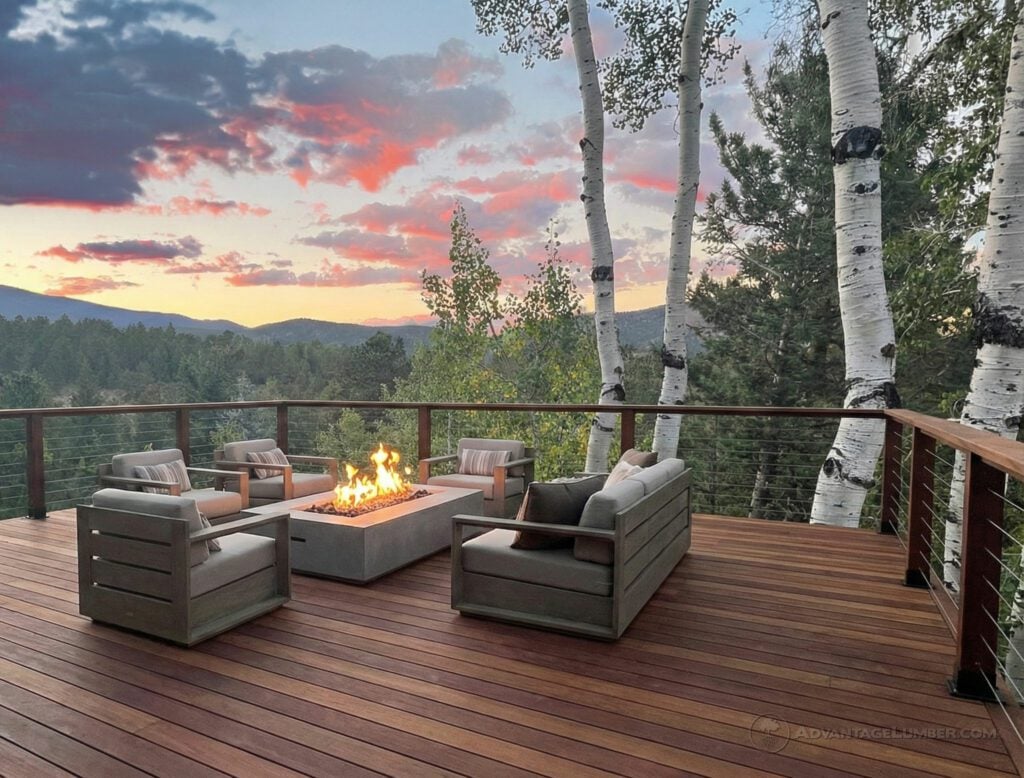
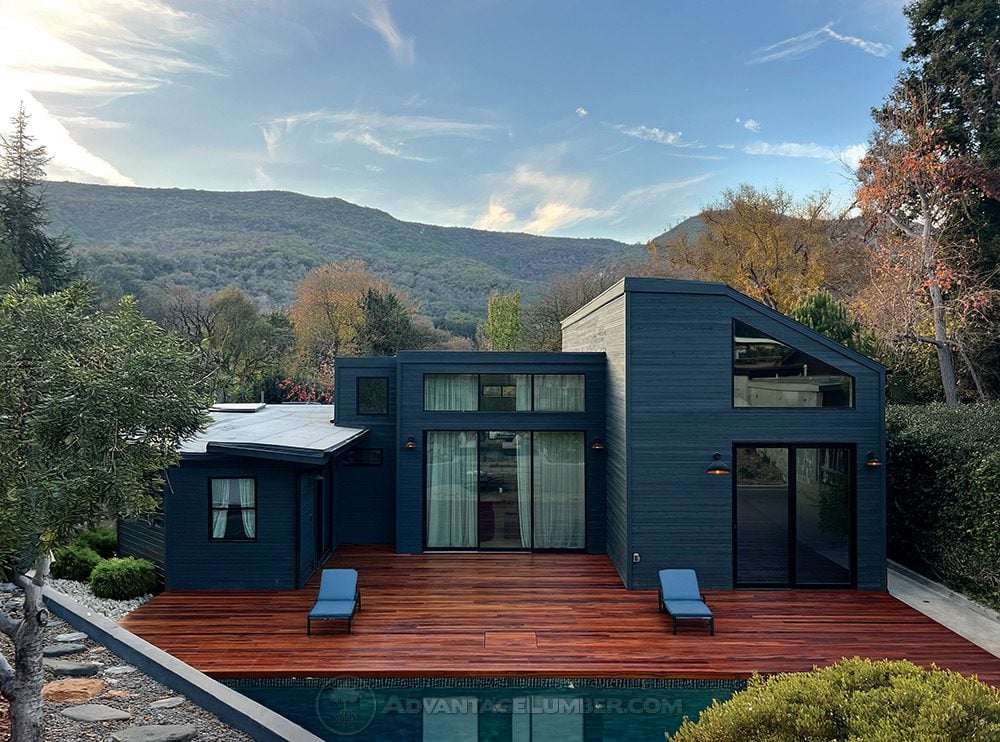
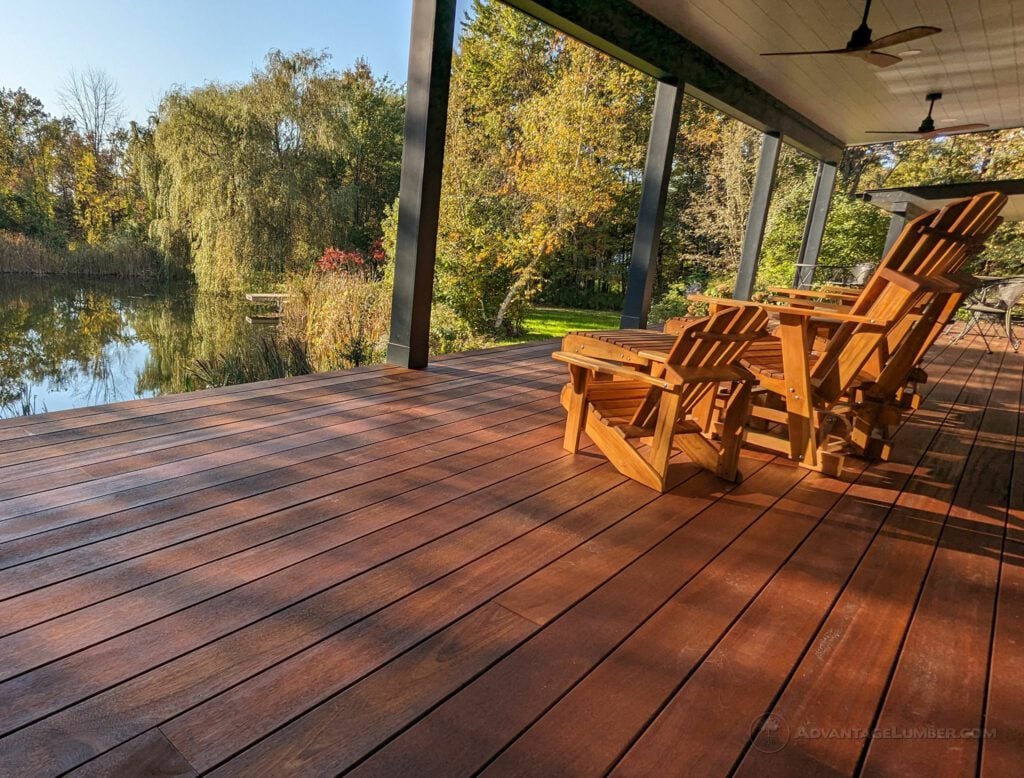
Hardwood decking offers the authentic beauty and durability of natural wood. Many hardwood species are extremely dense and naturally resistant to insects, rot, and weather, making them a long-lasting choice for outdoor living spaces.
Advantage Lumber carries a variety of hardwood species, including:
Each species offers its own color tones and grain patterns, giving homeowners unique design options that cannot be replicated with synthetic materials.
Maintenance for Hardwood Decking
While hardwood is extremely durable, periodic maintenance helps preserve its natural beauty:
- Occasional cleaning with a deck cleaner
- Periodic power washing on low pressure to remove dirt and buildup
- Optional application of hardwood oil to maintain the original color
If hardwood decking is not oiled, it will gradually weather to a silver-gray patina, which many homeowners find appealing.
Benefits of Hardwood Decking
- Natural beauty and unique grain patterns
- Exceptional strength and durability
- Naturally resistant to insects and decay
- Long lifespan, often 25 – 40+ years
Because of their density and durability, hardwood decks are often used in high-traffic residential and commercial applications.
Best For
Hardwood decking is ideal for homeowners who want the natural appearance of real wood combined with long-term durability.
Which Low-Maintenance Decking Material Is Right for You?
Choosing the right decking material depends on your priorities for appearance, maintenance, and longevity:
- Composite decking: Offers a realistic wood look with very low maintenance. Great for a broad range of climates.
- PVC decking: Virtually maintenance-free and highly moisture-resistant. Ideal for pool decks, humid climates, or waterfront properties.
- Hardwood decking: Premium natural wood with exceptional durability and beauty. Requires occasional cleaning and optional oiling to maintain color.
By understanding the benefits and upkeep of each material, you can select a deck that fits your lifestyle, climate, and design goals.
Planning a Deck Project?
Choosing the right decking material can make a big difference in how much time and effort you spend maintaining your outdoor space.
Explore our decking options on Advantage Lumber’s website or contact our team for guidance. We can help you select the right material for your project and ensure it performs beautifully for years to come.