
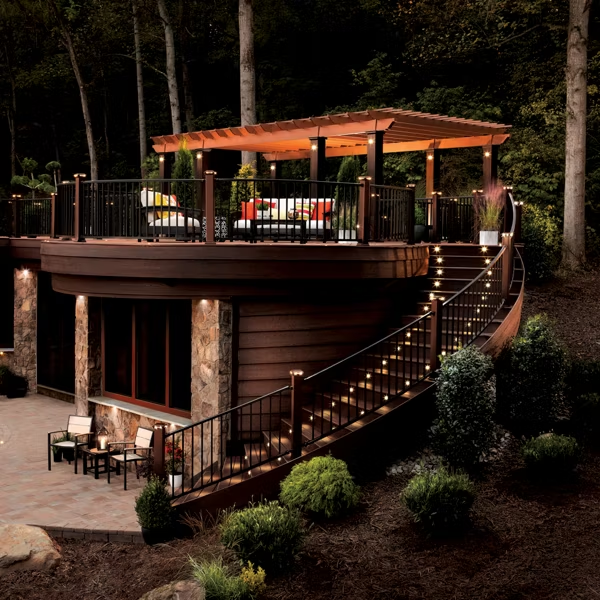
Outdoor living continues to evolve in 2026, and homeowners are thinking bigger than ever. Instead of one large, flat platform, today’s decks are being designed as intentional outdoor living spaces—complete with separate zones for dining, relaxing, cooking, and entertaining.
One of the most popular ways to achieve this? Multi-level deck designs.
By incorporating different elevations, materials, and design features, you can create a backyard that feels more like an outdoor resort than a simple deck.
Let’s explore how to design a multi-level deck that’s functional, beautiful, and built to last.
Why Multi-Level Decks Are Trending in 2026
Multi-level decks aren’t just about aesthetics—they solve real design challenges and improve how you use your space.
1. They Define Purpose Naturally
Instead of using furniture alone to create separation, level changes clearly define areas like:
- Outdoor dining spaces
- Lounge zones
- Fire pit seating areas
- Outdoor kitchens
- Hot tub platforms
2. They Work With Sloped Yards
If your property has elevation changes, a multi-level deck works with the landscape instead of fighting it.
3. They Improve Traffic Flow
Guests can move naturally between spaces without everything feeling crowded.
4. They Add Architectural Interest
Different levels create visual depth and make your backyard feel larger and more dynamic.
Designing Functional Zones for Your Multi-Level Deck
The key to a successful multi-level deck is planning each space with intention.
Zone 1: Outdoor Dining Area
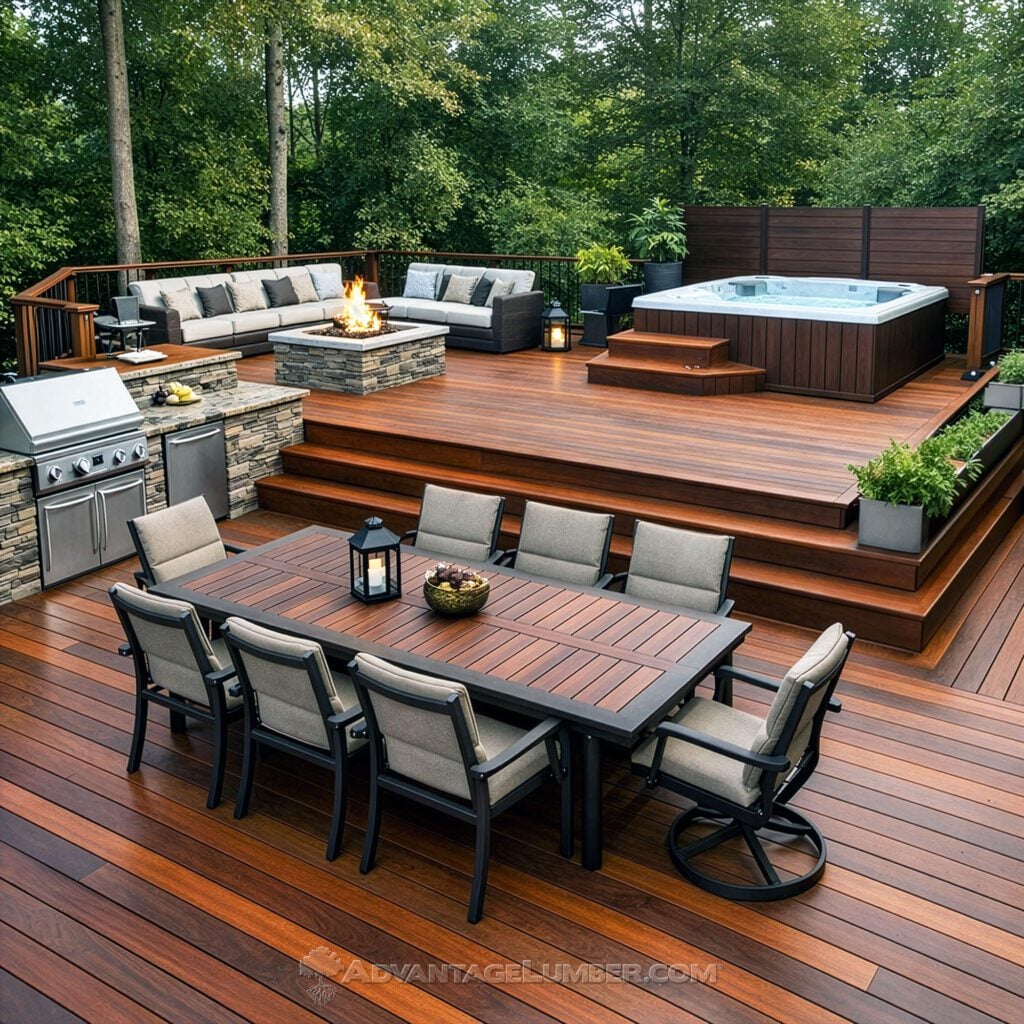
The dining level is often positioned closest to the home for easy kitchen access.
Design Tips:
- Allow enough space for table movement and chair pull-out.
- Consider built-in benches to maximize seating.
- Install overhead pergolas or shade structures for comfort.
- Use lighting in stair risers and post caps for evening dining.
Best Materials for Dining Zones
Food spills, chair movement, and heavy foot traffic demand durability.
Top choices include:
- Ipe decking
- Cumaru decking
- Tigerwood decking
- PVC decking
- Capped composite decking (Trex, TimberTech, Deckorators)
Hardwoods like Ipe and Cumaru are especially popular in 2026 for upscale dining spaces because of their:
- Extreme durability
- Natural rot resistance
- Scratch resistance
- Long lifespan (40+ years)
Zone 2: Lounge & Relaxation Area
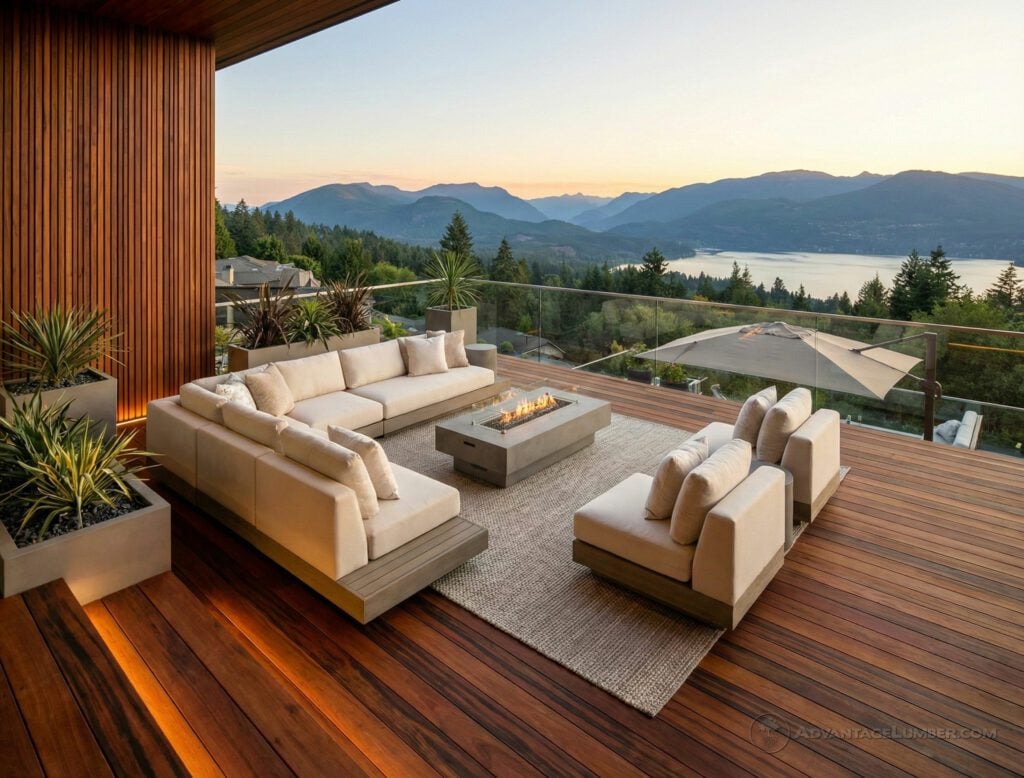
A few steps down from the dining space, the lounge level creates a more intimate, relaxed environment.
This space may include:
- Sectional outdoor seating
- Fire pits
- Outdoor fireplaces
- Accent lighting
- Outdoor TVs
Material Considerations for Lounge Areas
Homeowners are leaning toward:
- Picture frame borders for added design detail
- Mixed-width hardwood decking
- Contrasting board colors for visual separation
For example:
- Field boards in Ipe
- Border boards in Garapa or Tigerwood
- Dark composite picture framing around lighter composite decking
This subtle elevation and material contrast helps define the zone without walls.
Zone 3: Entertaining & Outdoor Kitchen Level
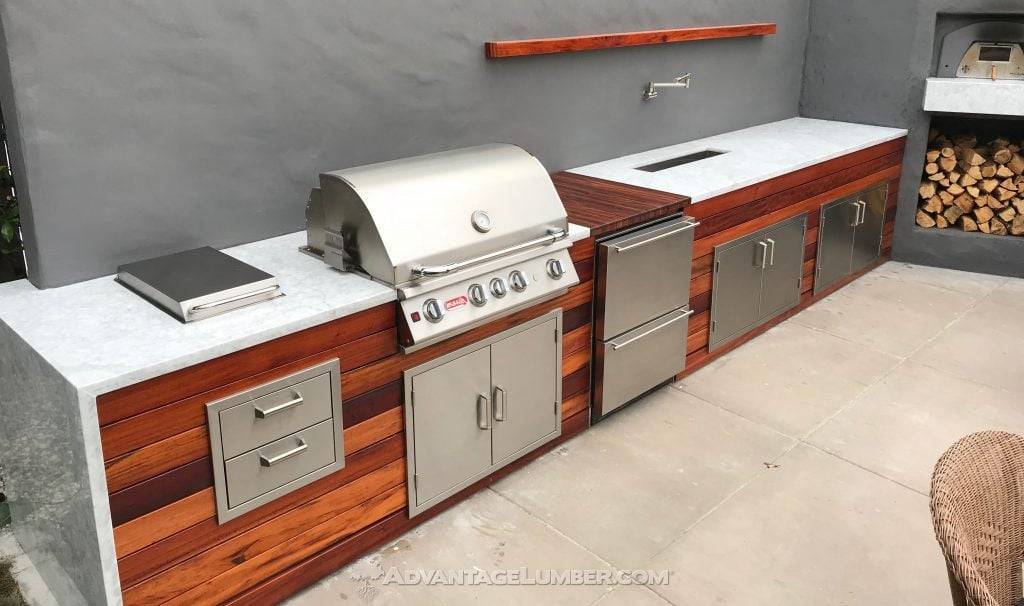
Outdoor kitchens and bar areas are becoming standard in 2026 deck builds.
Placing this space on a slightly lower level:
- Contains food prep mess
- Creates a natural gathering point
- Improves traffic flow
Structural Considerations
Outdoor kitchens are heavy. You must ensure:
- Proper framing support
- Reinforced joist spacing
- High-performance deck framing materials
Many homeowners are upgrading from traditional pressure-treated lumber framing to:
- Steel deck framing
- Aluminum deck framing
Unlike pressure-treated lumber, which can twist, shrink, and rot in as little as 10-15 years, steel and aluminum framing provide:
- Superior structural stability
- Long-term durability
- Minimal maintenance
- Greater safety for elevated multi-level builds
- Long Lifespan and Warranties
Mixing Materials for Modern 2026 Designs
One of the biggest trends in 2026 is intentional material mixing.
Popular Combinations:
- Hardwood decking with black aluminum railing
- PVC decking for upper levels, hardwood for lower levels
- Composite decking with hardwood picture frame borders
- Thermally modified wood paired with steel framing
Black aluminum deck railing remains one of the most requested features because it:
- Keeps sightlines open
- Complements hardwood and composite decks
- Offers long-term durability
- Requires little maintenance
Brands like Trex Railing, TimberTech Railing, and Deckorators Railing continue to be popular choices for clean, modern designs.
Safety Matters: Elevated Multi-Level Decks
As decks grow larger and more complex, structural integrity becomes even more important.
Improper framing or undersized footings can lead to:
- Sagging
- Movement between levels
- Structural failure
- Safety hazards
This is especially critical for second-story and elevated decks.
Before building:
- Inspect soil conditions
- Follow proper footing depth requirements
- Use proper joist spacing
- Consider upgrading to steel or aluminum framing
A beautiful multi-level deck must also be a safe one.
Lighting: The Secret to Seamless Zones
Lighting ties all your levels together.
In 2026, homeowners are incorporating:
- Stair riser lights
- Post cap lights
- Under-rail lighting
- Recessed deck lighting
- Low-voltage LED systems
Lighting not only enhances ambiance—it improves safety on stairs and transitions between levels.
Why Hardwood Decking Is Dominating High-End Multi-Level Builds
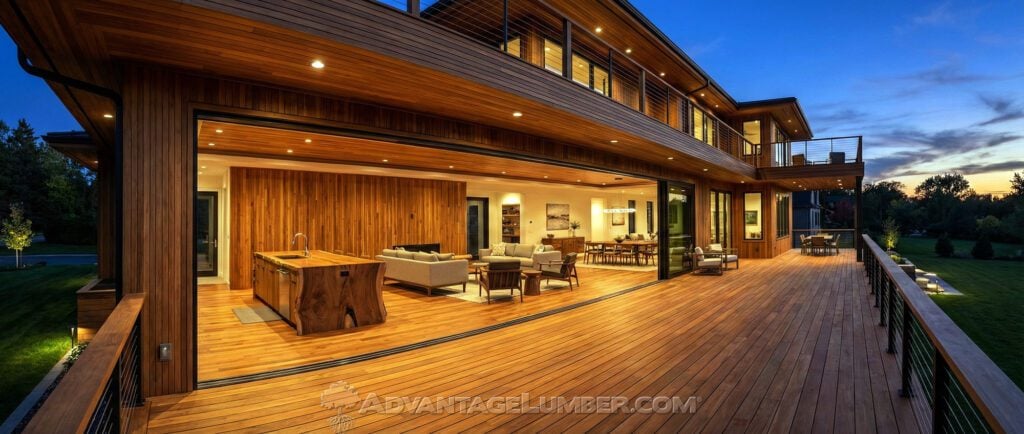
While composite and PVC decking remain popular for low-maintenance needs, natural hardwood decking is making a strong comeback in luxury multi-level designs.
Why?
- 40–75 year lifespan (Ipe)
- Incredible strength
- Fire resistance (Class A rating for Ipe + Cumaru)
- Natural resistance to rot and insects
- Timeless appearance
When properly installed and maintained, hardwood decking offers unmatched performance and beauty for multi-tier builds.
Planning Your Multi-Level Deck the Right Way
Before starting your project:
- Define how you want to use each space.
- Measure carefully and allow proper stair transitions.
- Choose materials based on performance—not just appearance.
- Ensure structural framing is built to last.
- Work with experienced professionals or get expert estimating assistance.
At AdvantageLumber.com, we help homeowners and contractors design high-performance decks with premium hardwoods, composite decking, PVC decking, aluminum railing systems, and long-lasting deck framing options.
Our team offers:
- Free project estimating
- Material take-offs
- Expert product guidance
- Nationwide shipping
Final Thoughts: Build Once, Build It Right
Multi-level deck designs in 2026 are about more than adding steps. They’re about creating purpose-driven outdoor living spaces that feel intentional, comfortable, and built for decades of use.
Whether you’re envisioning:
- A hardwood showpiece deck
- A low-maintenance composite layout
- A hybrid material design
- Or a steel-framed elevated structure
The right materials and planning make all the difference.
If you’re ready to design a multi-level deck that truly transforms your backyard, contact AdvantageLumber.com today and let our experts help you get started.
