
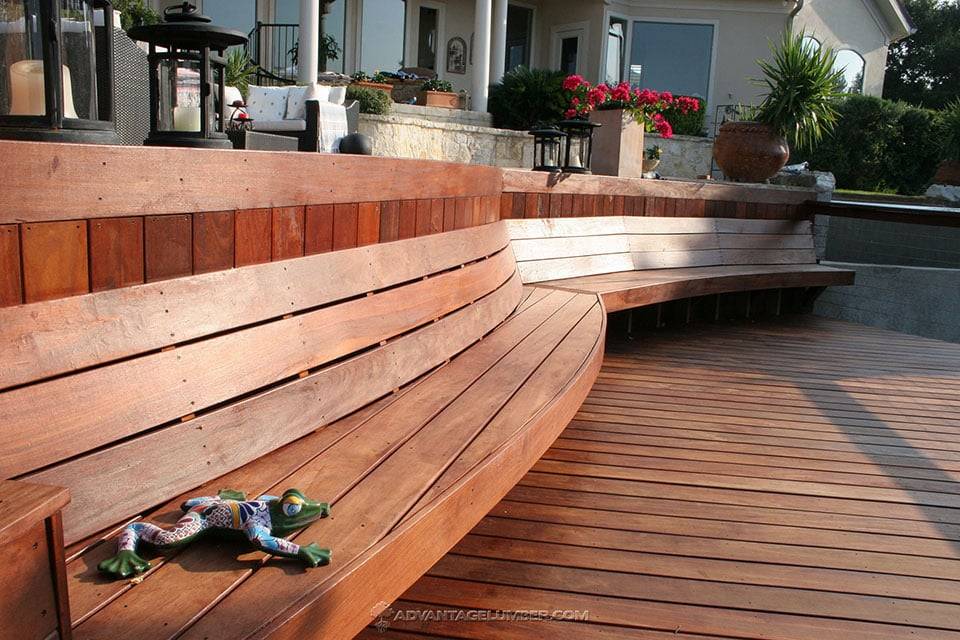
A well-designed deck is more than just a platform for outdoor furniture. Thoughtfully integrated built-in features can transform a basic deck into a functional and inviting outdoor living space.
Unlike freestanding furniture and accessories, built-ins are permanent, space-efficient, and designed to work directly with the structure of the deck. When planned correctly, they improve organization, maximize available space, and create a cohesive design that feels intentional rather than temporary.
Whether you are building a new deck or upgrading an existing one, built-in seating, planters, storage, and lighting can dramatically improve how your outdoor space looks and functions.
Plan Built-In Features During the Deck Design Phase
Built-in deck elements are easiest to incorporate when they are planned during the initial design phase. Adding these features later can require structural modifications, additional framing, or rerouting electrical wiring.
Taking time to plan ahead allows built-in features to blend naturally with the layout of the deck instead of feeling like afterthoughts.
When designing your deck, consider a few important factors:
- Traffic flow – Make sure seating, planters, and storage areas do not block walkways or stair access.
- Structural support – Benches, planters, and storage compartments may require additional framing beneath them.
- Lighting access – Running wiring before decking boards are installed makes lighting systems easier to install and conceal.
- Moisture management – Planters and storage areas should include drainage and protective barriers.
Careful planning ensures these built-in elements improve both the functionality and longevity of your deck.
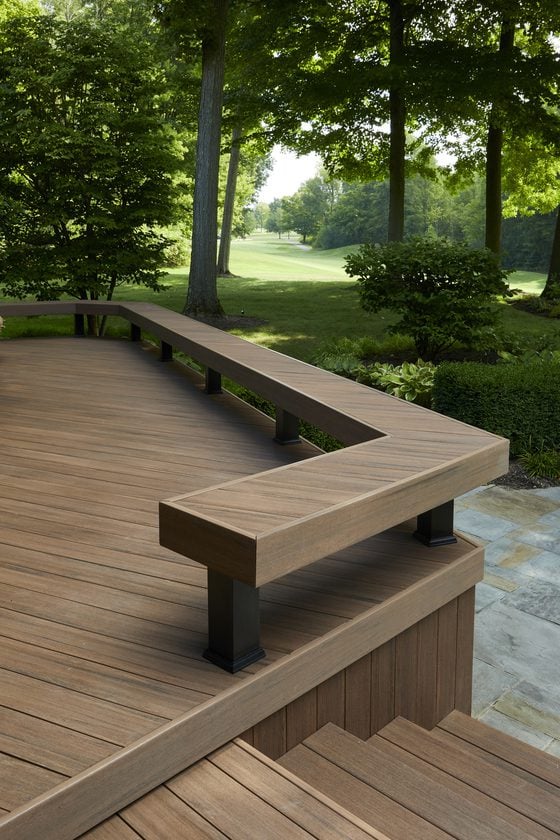
Built-In Deck Seating
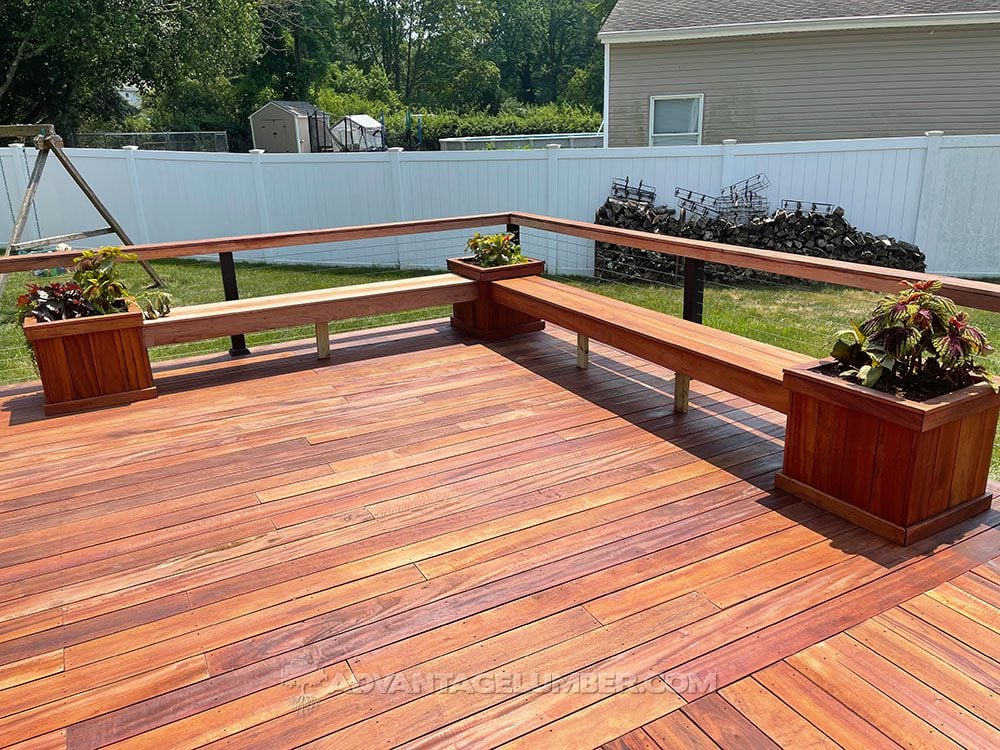
Built-in benches are one of the most popular deck upgrades because they provide comfortable seating without cluttering the deck with additional furniture.
By integrating seating directly into the deck structure, you can maximize usable space while creating a clean, streamlined look. Built-in seating also works well for entertaining since it allows guests to gather comfortably without constantly rearranging chairs.
Common built-in bench styles include:
Perimeter benches
Benches that run along the edge of the deck make efficient use of space and often replace traditional railing sections.
Wraparound corner seating
Corner benches help define conversation areas and create a natural gathering spot for guests.
Backless benches
Backless designs offer flexible seating and work well around dining tables or fire features.
Benches with integrated backs
These provide additional comfort and support, making them ideal for relaxing spaces where people may sit for longer periods.
For comfortable seating, most deck benches are designed with a seat height of approximately 17 to 18 inches and a seat depth of 16 to 20 inches.
Adding weather-resistant cushions or seat pads can further improve comfort while maintaining the clean appearance of built-in seating.
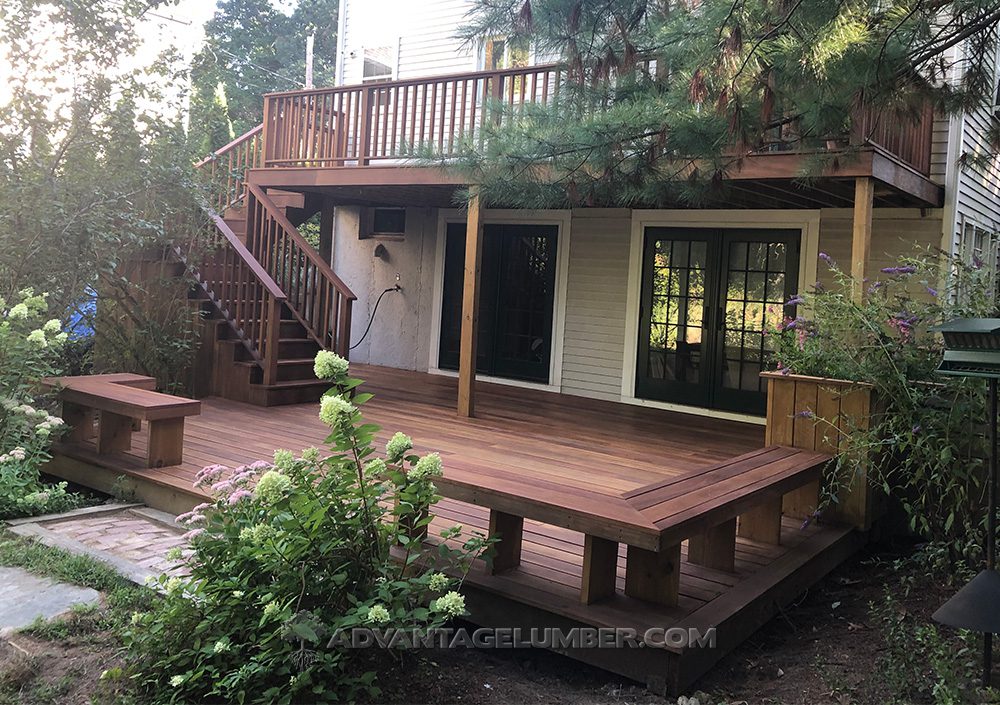
Built-In Deck Planters
Built-in planters are an excellent way to incorporate greenery into your deck without taking up valuable floor space. Instead of placing pots and containers around the deck, integrated planter boxes create a seamless transition between the deck and the surrounding landscape.
Planters can also help define different zones within the space. For example, they can frame a seating area, create subtle privacy boundaries, or soften the edges of the deck with natural elements.
Popular planter locations include:
- Along the outer edge of the deck
- At stair landings
- Integrated into railing corners
- Between seating areas
When installing built-in planters, moisture protection is especially important. Soil and water can damage wood framing if proper precautions are not taken.
To prevent long-term issues:
- Line planter boxes with a waterproof barrier
- Add drainage holes to prevent standing water
- Use a gravel layer at the bottom to improve drainage
Choosing plants suited to your local climate and sun exposure will also make maintenance easier throughout the growing season.
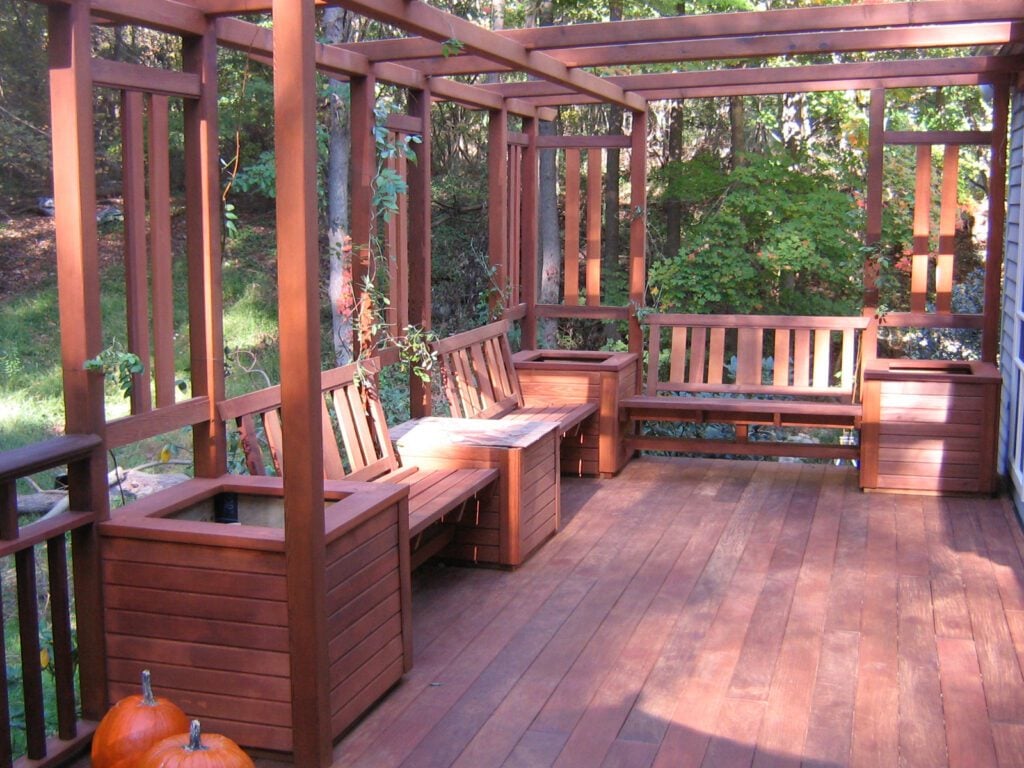
Built-In Deck Storage
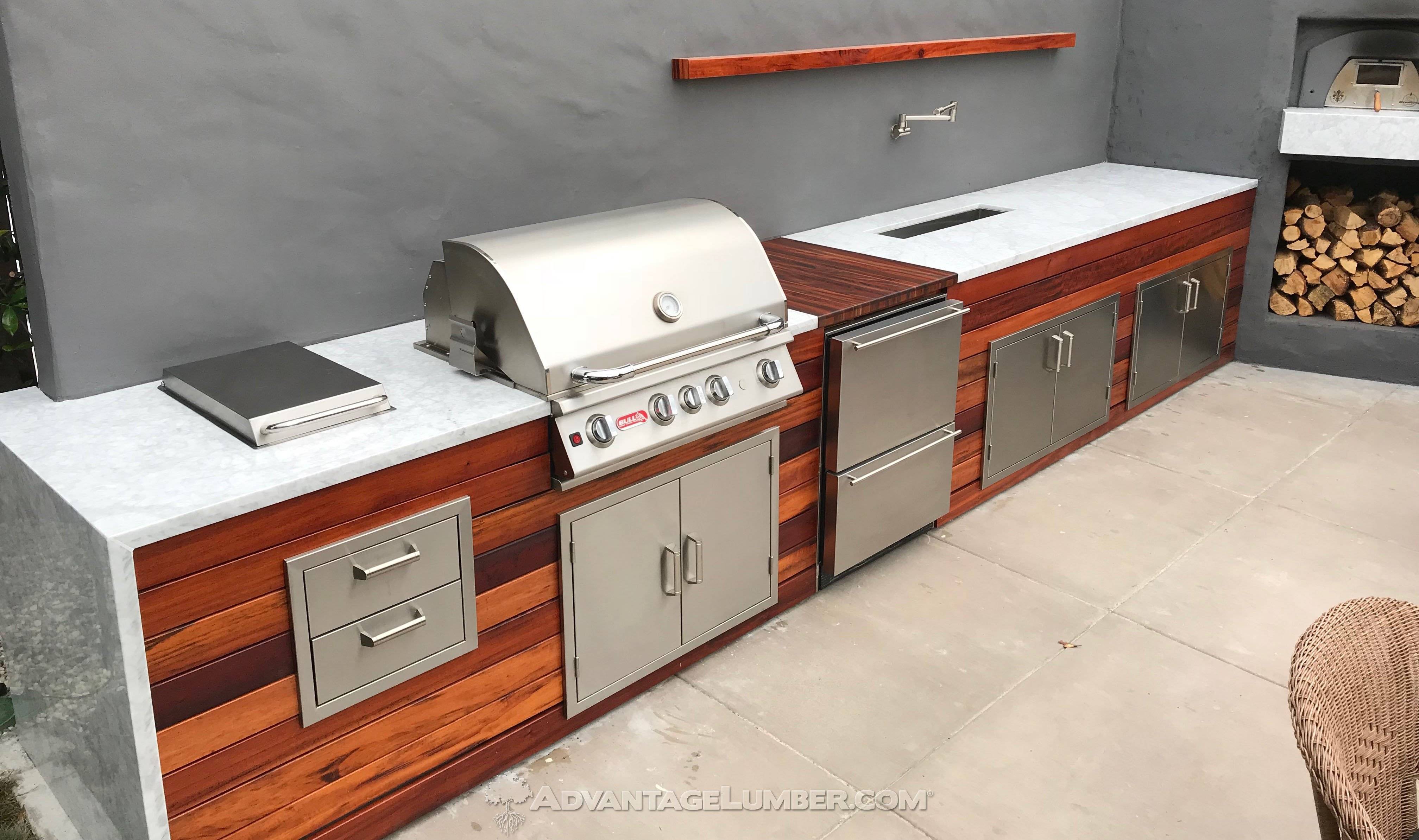
Outdoor living spaces often accumulate items like cushions, grilling accessories, gardening tools, and outdoor games. Without proper storage, these items can quickly clutter the deck.
Built-in storage solutions help keep everything organized while preserving a clean and uncluttered appearance.
One of the most practical solutions is bench seating with hidden storage underneath. Lift-up seat lids allow you to store cushions, blankets, or outdoor toys without sacrificing usable space.
Other built-in storage ideas include:
- Corner storage boxes built into the deck frame
- Under-bench storage compartments
- Access panels that allow use of the space beneath the deck
When designing storage compartments, use durable hinges and hardware that can withstand outdoor conditions. It is also helpful to include small ventilation gaps so moisture does not become trapped inside the compartment.
Proper ventilation helps prevent mildew and keeps stored items dry.
Built-In Deck Lighting
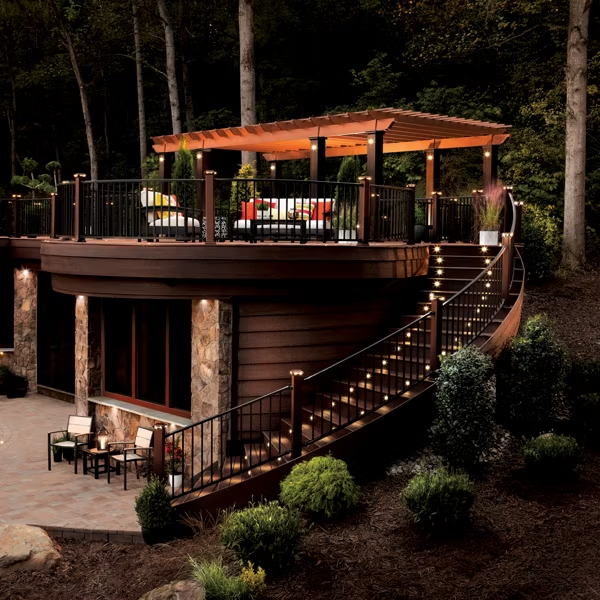
Lighting is one of the most overlooked elements in deck design, but it plays an important role in both safety and atmosphere. Well-placed deck lighting allows you to extend the use of your outdoor space well into the evening while creating a warm, inviting environment.
Several types of built-in lighting can be incorporated into a deck design.
Post cap lights – Mounted on top of railing posts, these lights help define the deck perimeter and provide subtle ambient lighting.
Stair lights – Installed in stair risers or along side stringers, stair lighting improves visibility and helps reduce the risk of trips and falls.
Recessed deck lights – These low-profile lights are installed directly into deck boards or stair treads and provide soft accent lighting.
Under-rail lighting – Mounted beneath the top rail, this lighting casts a gentle glow across the deck surface without creating harsh glare.
Low-voltage lighting systems are often preferred because they are energy-efficient and relatively easy to install. Planning lighting during the deck design phase makes it easier to hide wiring and achieve a cleaner finished appearance.
Choosing the Right Materials for Built-In Deck Features
Built-in deck elements should be constructed with materials that match the durability and performance of the deck itself.
For example:
- Composite decking materials are often used for bench seating and planter surrounds because they resist moisture and require minimal maintenance.
- Hardwood decking provides a premium natural appearance but may require periodic oiling to maintain its color and prevent weathering.
Using the same decking material for built-in features helps create a consistent look while ensuring the features age at the same rate as the rest of the deck.
Creative Ways to Combine Built-In Deck Features
The most effective deck designs combine several built-in elements so they work together rather than acting as separate features.
For example:
- Bench seating with hidden storage underneath
- Planters used to frame seating or dining areas
- Lighting integrated into stairs, railings, and seating zones
- Storage benches placed near outdoor dining or grilling areas
Combining these features helps the deck feel more organized and purposeful while improving the overall flow of the space.
Final Thoughts
Built-in features are one of the most effective ways to elevate a standard deck into a comfortable outdoor living space. Seating, planters, storage, and lighting each serve practical purposes while contributing to a cohesive and thoughtful design.
When planned carefully, these elements can make your deck feel larger, more organized, and better suited for relaxing or entertaining.
Whether you are designing a brand-new deck or improving an existing one, built-in features can significantly enhance both the appearance and functionality of your outdoor space.
Need Help Planning Your Deck Project?
Choosing the right materials and design details can make a big difference in how your deck performs and how long it lasts.
If you have questions about decking materials or need guidance for your next project, our team is happy to help. Visit our Contact Us page to connect with us and get expert advice for your deck design.
