
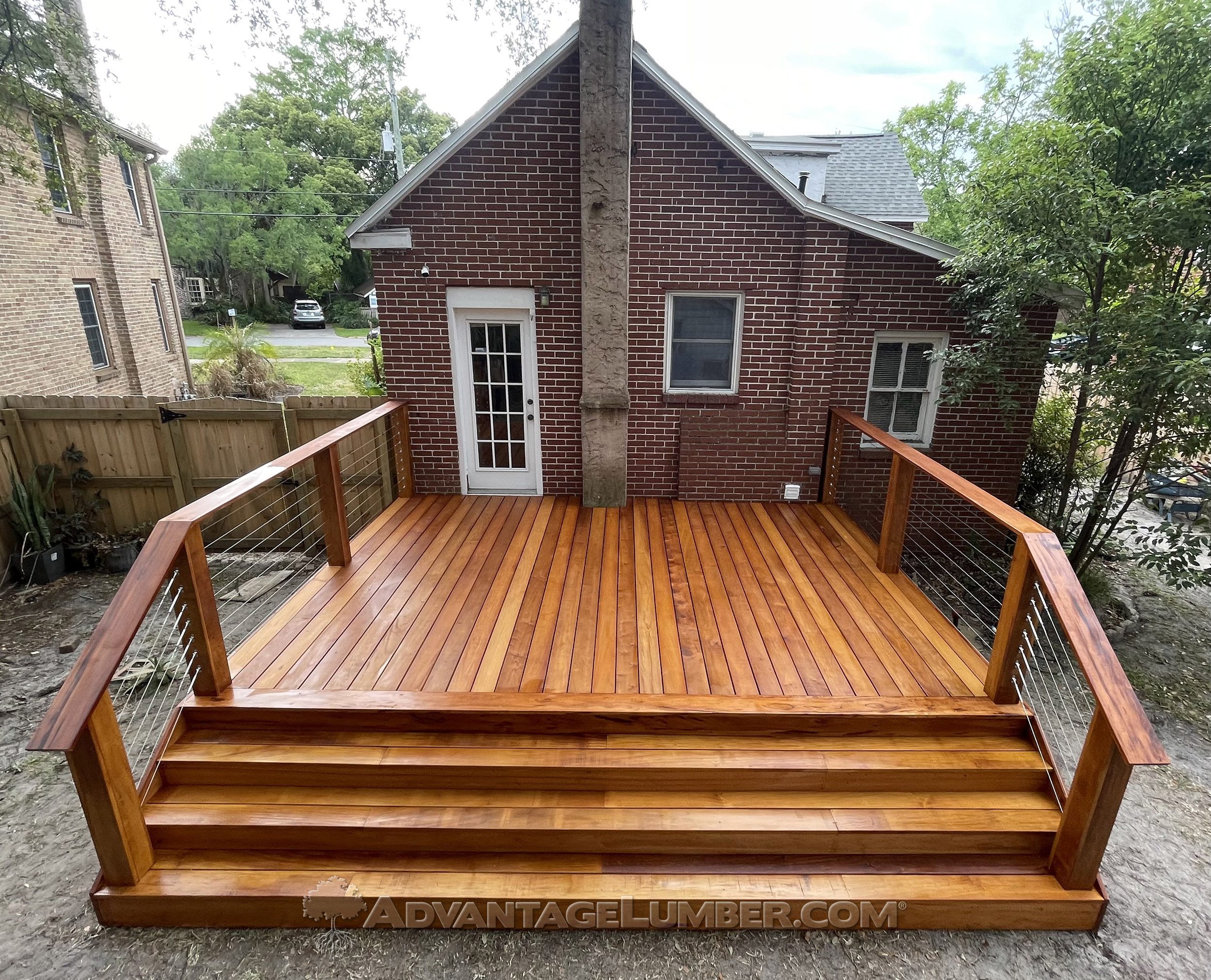
Hey there, fellow wood lovers! If you’ve ever wandered into a lumber yard or scrolled through decking options online, you’ve probably bumped into Brazilian Ash. It’s that warm, honey-toned beauty that lights up a room or turns a backyard into a tropical escape.
But let’s cut to the chase—one question I get all the time is, “How hard is Brazilian Ash, anyway?” It’s a fair ask, especially if you’re eyeing it for high-traffic spots like a family deck or a bustling kitchen floor. Today, we’re discussing the nitty-gritty of its hardness, why it matters, and how this wood pulls double duty indoors and out. Grab a coffee; this one’s worth the read.
First Things First: What’s Brazilian Ash All About?
You might know it by its more exotic alias—Garapa. Sourced straight from South America, this hardwood has a subtle grain that dances in the light, giving it that effortless glow. At Advantage Lumber, we stock it in spades because it’s as versatile as it is stunning. Think sleek decking boards that age gracefully under the sun, sturdy fencing that stands up to whatever Mother Nature throws at it, or siding that adds a modern twist to your home’s exterior. It’s all about that outdoor durability, where Garapa shines brightest.
But flip the script, and you’ll hear it called Brazilian Ash when folks are dreaming up interior projects. Why the name swap? It’s all in the vibe— “Ash” evokes that classic, light interior warmth, perfect for flooring, paneling, or even custom cabinetry. No matter the label, you’re getting the same premium stuff: sustainably harvested, eco-friendly, and built to last.
Cracking the Code on Hardness: Enter the Janka Scale
Alright, let’s talk toughness. In the wood world, hardness isn’t about attitude—it’s measured scientifically with something called the Janka hardness test. Picture this: a steel ball gets plunged into a wood sample with a set amount of force, and the result (in pounds-force, or lbf) tells you how much resistance that wood puts up. Higher number? Tougher wood. It’s like a resilience scorecard for everything from scratches to stomps.
So, where does Brazilian Ash land? Drumroll… it clocks in at a solid 1,650 lbf on the Janka scale. That’s right in the sweet spot—not as rock-solid as ultra-dense exotics like Ipe (which hits over 3,500), but way punchier than softwoods like cedar or pine. For context, it’s comparable to white oak, a longtime favorite for floors and furniture. In real terms? It means Brazilian Ash can handle the hustle without turning into Swiss cheese overnight.
Why Hardness Matters: Decks That Don’t Quit and Floors That Fight Back
Now, you might wonder, “Cool stat, but why should I care?” Fair point. Hardness isn’t just a bragging right—it’s the secret sauce for longevity, especially in busy homes.
Start with decks. If you’re slapping down Garapa boards for that backyard oasis, a 1,650 Janka rating means it’ll shrug off heavy patio furniture, kids’ trampoline antics, and endless barefoot traffic. We’re talking resistance to dents from dropped tools or scuffs from dragging chairs.
Pair that with its natural oils and tight grain, and you’ve got a surface that weathers beautifully—fading to a silvery patina over time if you skip the finishes, or staying golden with a bit of oil TLC. At Advantage Lumber, we’ve seen Garapa decks thrive for 30+ years in harsh coastal climates, all because that hardness keeps it from splintering or warping under pressure.
Inside, it’s a whole different game, but the stakes are just as high. Brazilian Ash flooring? It’s a dream for open-concept living where life’s mess happens—pets skidding across the room, high heels clicking in the hall, or toddlers testing gravity with every toy.
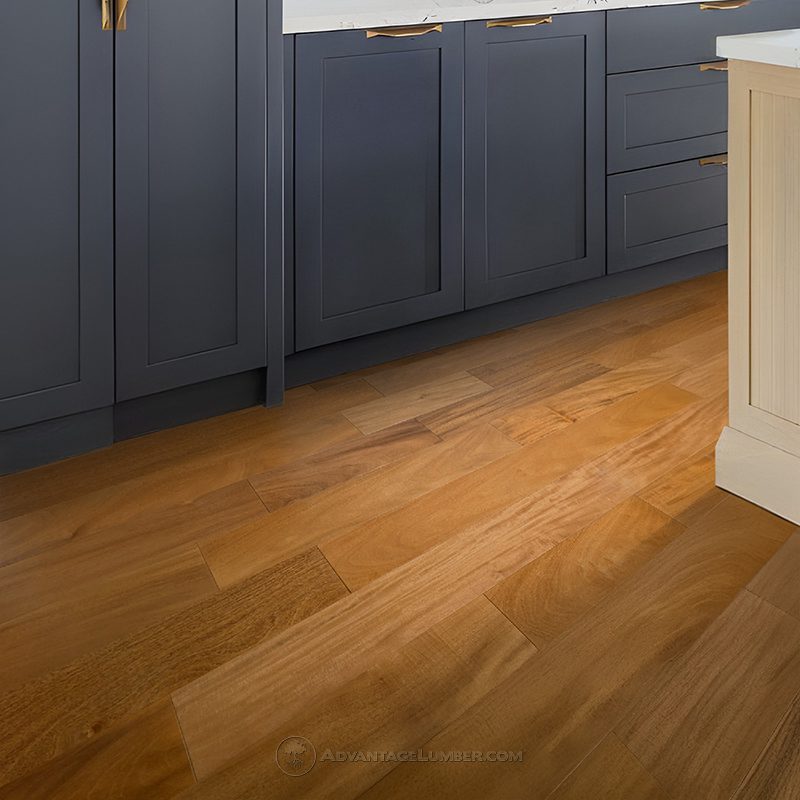
That Janka score translates to fewer gouges and scratches, so your investment stays pristine longer. It’s forgiving underfoot too, with just enough give to feel cozy without sacrificing strength. Homeowners rave about how it pairs with modern stains or keeps its natural luster, making it a go-to for everything from airy living rooms to hardworking home offices.
Bottom line: Whether you’re battling UV rays and rain outside or daily dings indoors, hardness ensures your Brazilian Ash isn’t just pretty—it’s practical.
Beyond the Numbers: What Else Makes Brazilian Ash a Winner?
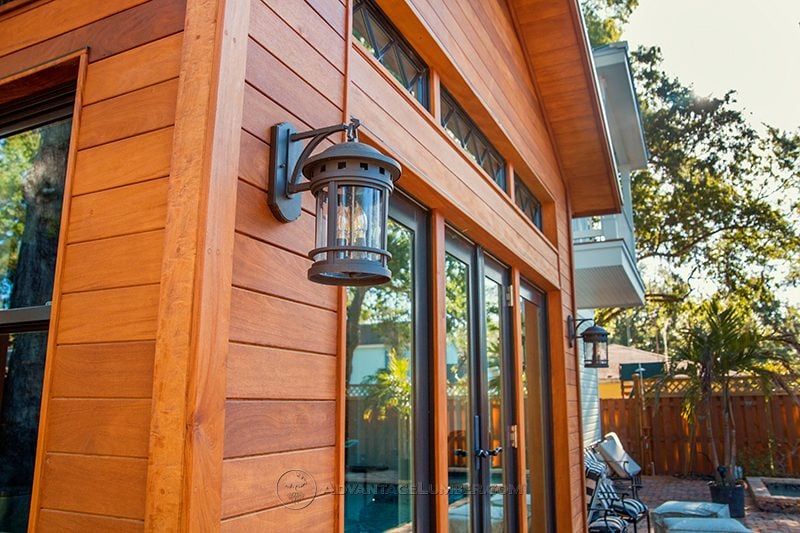
Sure, the Janka rating steals the show, but don’t sleep on the rest. This wood’s got low shrinkage (under 5% radially), so it won’t cup or twist like lesser lumbers. It’s naturally rot- and insect-resistant, earning it a spot on home owners must-have lists. Plus, with its Class A fire rating, it’s a smart pick for siding or pergolas where safety counts. And the price? Way more approachable than those ultra-hard heavy-hitters, without skimping on quality.
Ready to Bring Home Some Brazilian Ash Magic?
There you have it—Brazilian Ash (or Garapa, if you’re feeling fancy) is plenty hard at 1,650 lbf, making it a champ for decks that endure and floors that endure the fun. If you’re itching to see it in action, swing by AdvantageLumber.com. We’ve got live-edge slabs, pre-milled decking, and expert advice just a click away. Drop a comment below: What’s your next wood project? We’d love to hear.
Happy building,
Your friends at Advantage Lumber
