
Halloween is here, and while most people are busy decorating their homes with skeletons, cobwebs, and jack o’ lanterns, we’ve got something a little scarier to talk about.
Deck Building Mistakes…
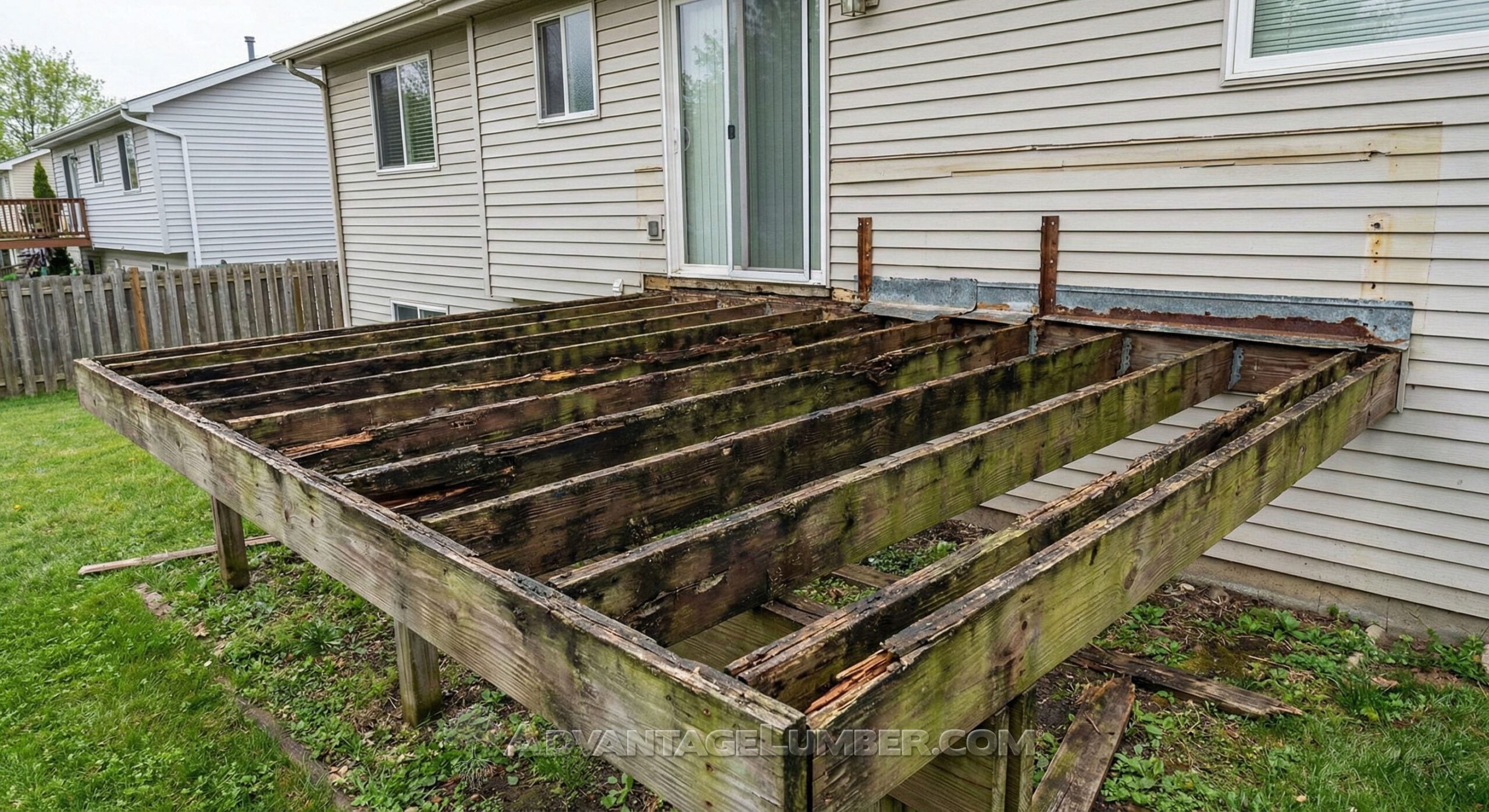
After more than 20 years in the decking industry, I’ve seen some pretty frightening things. I’m not talking about haunted houses or ghosts hiding under the porch. I’m talking about decks with rotting support beams, dangerously loose railings, and expensive hardwood boards screwed into framing that’s already falling apart.
Believe me, some of these deck horror stories would make a home inspector lose sleep.
The unfortunate part? Most of these nightmares could have been avoided with better planning, proper installation, and the right building materials.
So, in the spirit of Halloween, let’s take a walk through the graveyard of bad deck building decisions. Here are 10 mistakes that might come back to haunt you long after the last trick or treater has gone home.
1. The Rotting Deck Frame: The Monster Hiding Beneath Your Feet
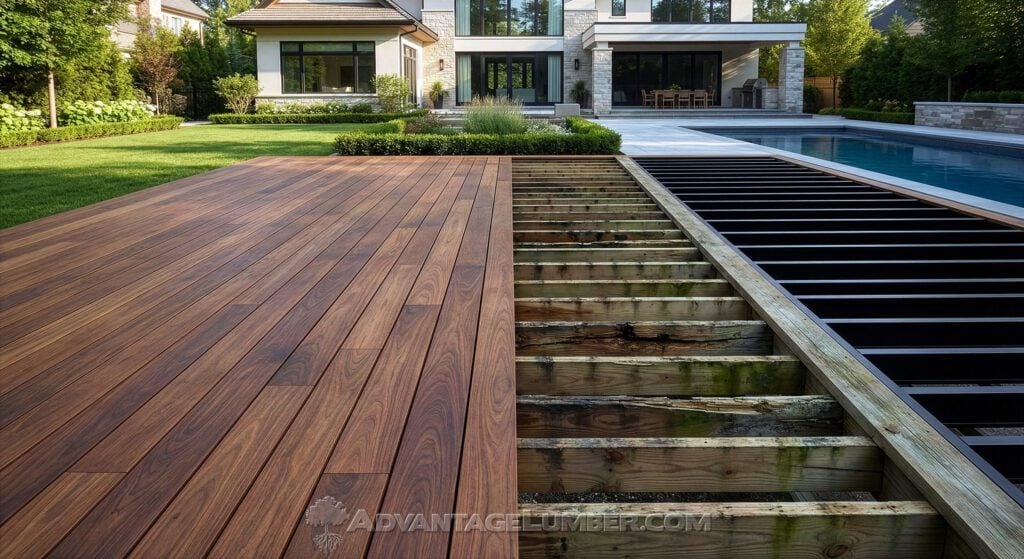
Here’s a scary thought. You could spend thousands of dollars on beautiful new decking, only to discover 10 or 15 years later that the entire structure underneath needs replacing. Unfortunately, this happens more often than homeowners realize.
Traditional pressure treated lumber is commonly used for deck framing because it’s inexpensive and readily available. However, moisture can eventually take its toll, especially around fasteners, joist tops, and areas where water gets trapped.
In damp environments, we’ve seen pressure treated deck framing begin showing serious deterioration in as little as 10 to 15 years. Meanwhile, premium hardwood decking such as Ipe can potentially last 50 years or longer when properly installed and maintained.
See the problem? Your deck boards might outlive the structure supporting them by several decades.
How to avoid this nightmare:
If you’re building a long lasting deck, consider upgrading the framing instead of focusing your entire budget on the surface.
- New Castle Steel Deck Framing: Galvanized steel framing offers excellent resistance to rot, termites, and moisture damage.
- TimberTech Aluminum Framing: Aluminum won’t rot and provides a durable alternative to traditional wood framing.
- Outdure Aluminum Framing: Another excellent option for homeowners looking to avoid the moisture problems associated with wood.
- PWT Treated LVL Framing: An engineered wood alternative designed for demanding outdoor structural applications.
If pressure treated framing is your choice, use quality joist tape and ledger flashing to help protect vulnerable areas.
Personally, I think putting 50 year decking over a frame with a much shorter expected lifespan is one of the biggest missed opportunities in deck construction.
2. The Disappearing Deck Fasteners: When Cheap Screws Turn Into Rusty Nightmares
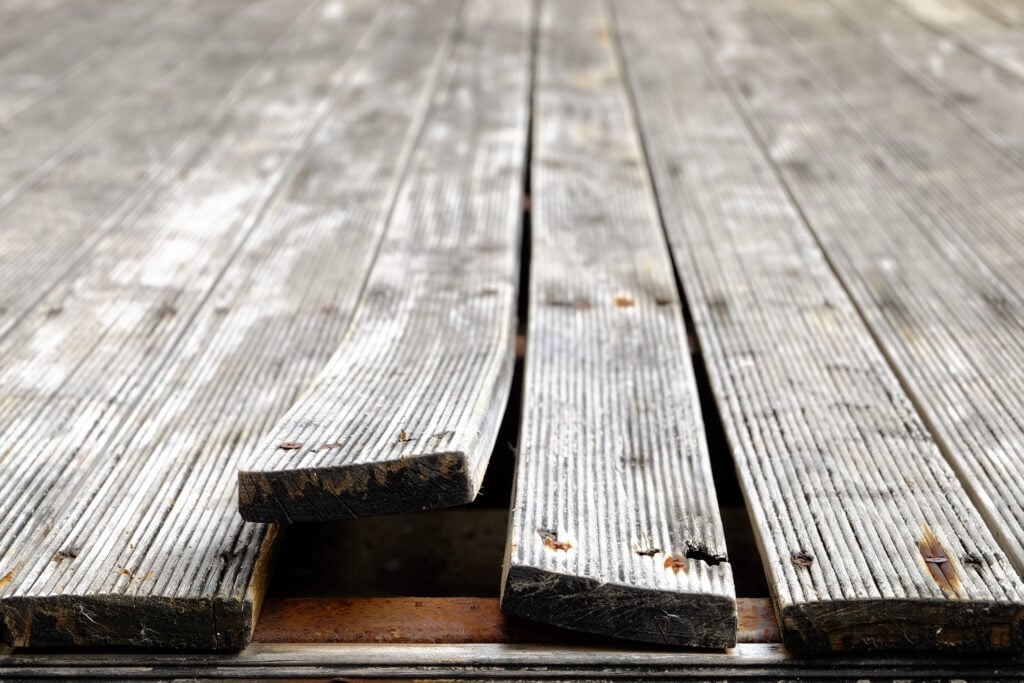
Imagine walking across your deck and noticing several boards starting to lift. You look closer and discover the screw heads are rusting, breaking, or disappearing altogether.
That’s not exactly the kind of Halloween surprise anyone wants. One of the most common mistakes we encounter involves using the wrong fasteners for the decking material.
Tropical hardwoods such as Ipe, Cumaru, and Tigerwood are extremely dense. Ordinary construction screws aren’t suitable for these materials, and cheaper coated fasteners can eventually corrode.
Worse yet, using improper screws can leave ugly stains around the fastener holes or cause boards to split.
How to avoid this nightmare:
For hardwood decking, use high quality stainless steel deck screws or a hidden fastening system designed for dense tropical hardwoods.
We’re big fans of Ipe Clip hidden deck fasteners because they allow homeowners to enjoy a clean deck surface without rows of exposed screw heads.
For composite and PVC decking from Trex, TimberTech, and Deckorators, always follow the manufacturer’s approved fastening instructions.
One little screw might not seem important during construction, but multiply that mistake by a few thousand fasteners and you’ve got a real horror story.
3. The Haunted Deck Boards: Cupping, Warping, and Twisting
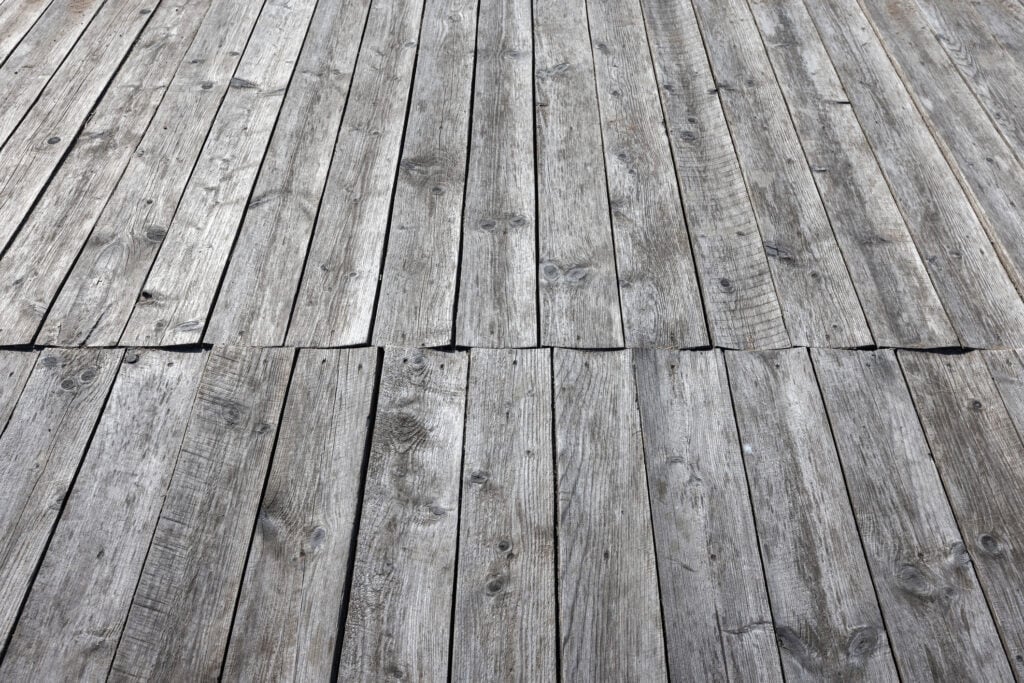
Few things frustrate homeowners more than spending good money on premium decking and watching the boards start to cup or twist.
I’ve heard plenty of stories where someone blamed the lumber immediately, only to discover the real problem involved poor ventilation, incorrect spacing, or improper installation.
Wood naturally absorbs and releases moisture as humidity changes. When the top and bottom of a deck board experience dramatically different moisture conditions, movement can become more noticeable.
This is especially important with wider hardwood deck boards. A wide board installed over a damp, poorly ventilated area may develop more noticeable cupping than a narrower board in the same environment.
How to avoid this nightmare: Give hardwood decking room to breathe.
Proper airflow beneath the deck helps reduce moisture differences between the upper and lower surfaces of the boards. Also, follow species specific installation guidelines for spacing, fastening, and moisture conditions.
If you’re building a low deck close to the ground, ventilation becomes even more important. In some situations, a different decking system or design might be the smarter choice.
And here’s something worth remembering: Even incredibly durable hardwoods aren’t immune to the laws of nature.
4. The Deck That Moves in the Night: Ignoring Expansion and Contraction
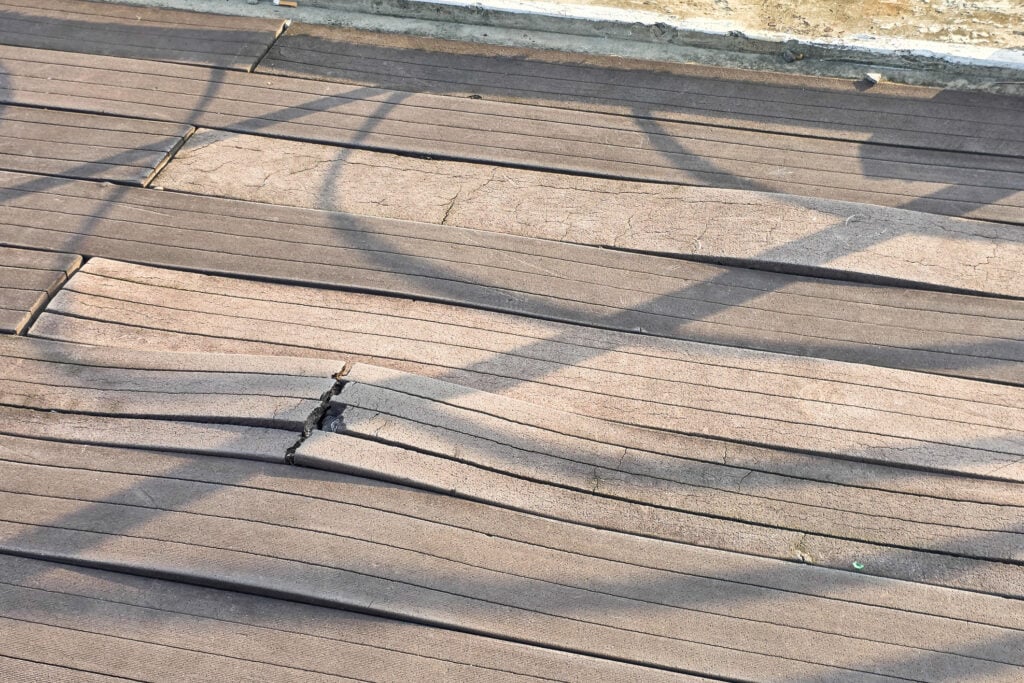
Ever hear strange popping or creaking noises coming from your deck when temperatures change? Sometimes that’s simply normal material movement. Other times, it’s a warning sign of an installation problem.
Composite and PVC decking expand and contract as temperatures rise and fall. Natural hardwood also moves, although moisture changes generally play a larger role than temperature.
Install either material without the proper gaps and you could end up with buckled boards, damaged fasteners, or unsightly joints.
I’ve seen homeowners assume tighter joints automatically mean a better looking deck. Unfortunately, materials don’t care how nice those tight joints look on installation day.
How to avoid this nightmare:
Follow the manufacturer’s installation instructions for end gaps, side spacing, and fastening.
With composite and PVC decking, the required gaps can vary based on the temperature during installation and the length of the boards.
For tropical hardwoods, account for moisture content, board width, and expected seasonal movement. A little extra attention during installation can prevent some very expensive repairs down the road.
5. The Slippery Staircase of Doom: Poorly Built Deck Stairs
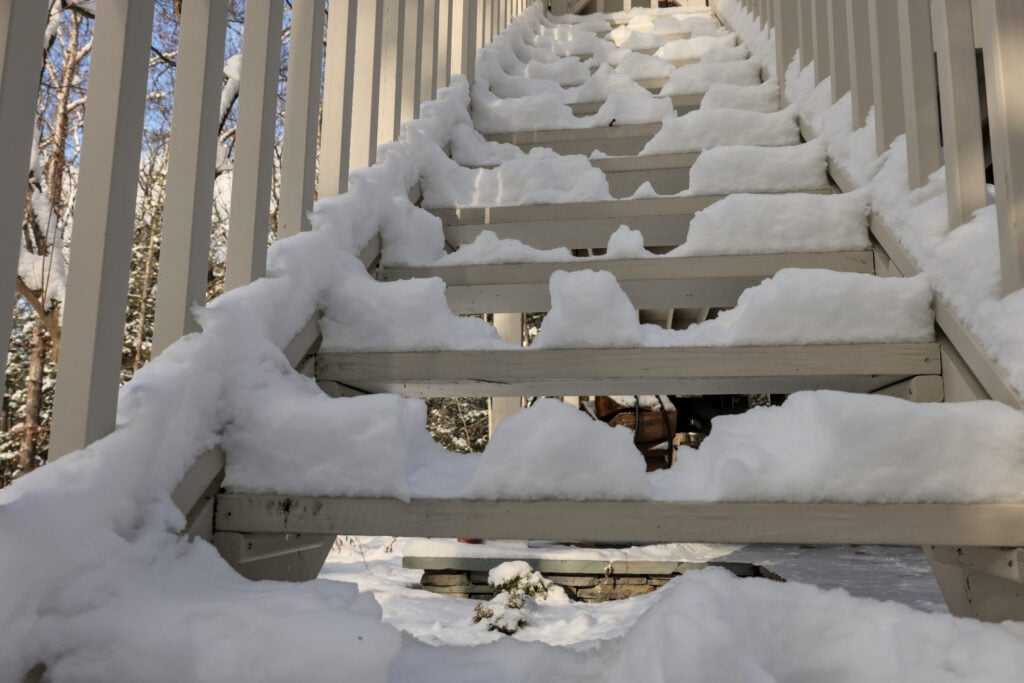
If there’s one part of a deck where I never recommend cutting corners, it’s the stairs. Poorly constructed stairs can turn an otherwise beautiful outdoor living space into a serious safety hazard.
Common problems include inconsistent riser heights, inadequate tread support, loose handrails, and slippery surfaces. Even small differences between stair risers can increase the likelihood of someone tripping.
And if your deck stairs have been outside for years, deteriorating stringers or loose connections can make things even worse.
How to avoid this nightmare:
Build stairs according to your local building code, including the required tread dimensions, riser consistency, structural support, handrails, and guards.
For composite and PVC decking, pay particular attention to stair tread spans. Many products require closer support than standard deck surfaces. Don’t assume a decking board approved for 16 inch joist spacing can automatically handle the same span on stairs.
Check the specific product’s installation guide. Trust me, nobody wants their Halloween party remembered because someone took an unexpected tumble down the deck steps.
6. The Railing That Gives You Chills: Weak or Improperly Installed Deck Railings
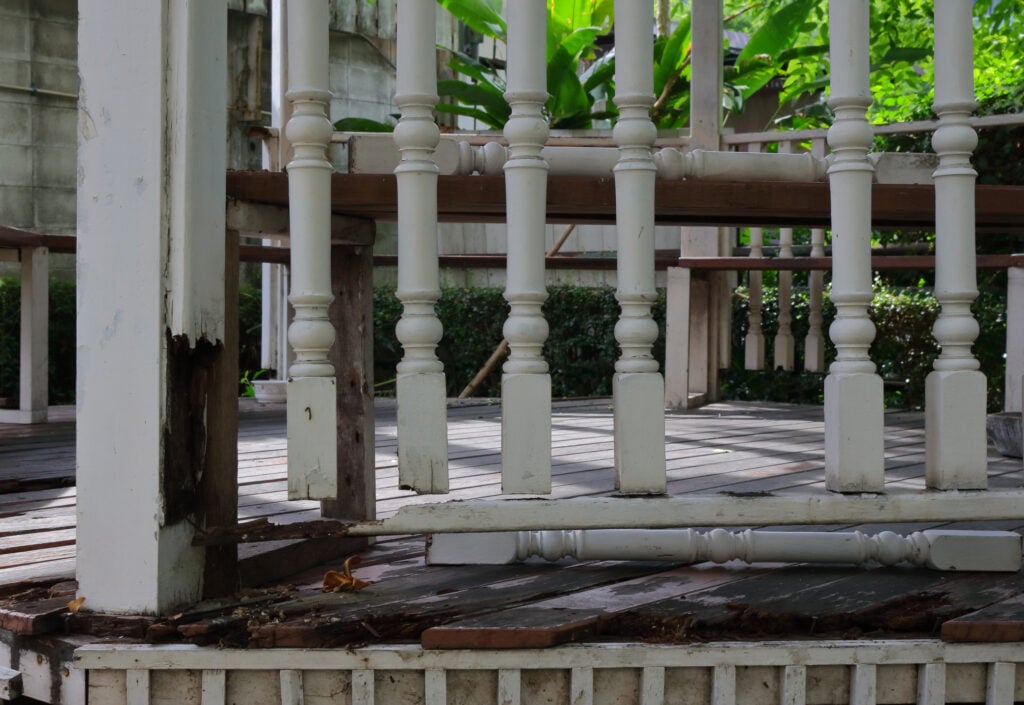
Picture this. You’re hosting a backyard gathering, and someone leans against the deck railing. Instead of feeling solid, it moves several inches.
That’s enough to make anyone nervous. Deck railings are more than decorative features. On elevated decks, they’re critical safety components.
Unfortunately, improper post connections, undersized hardware, and poorly installed railing systems can create dangerous conditions. A railing might look perfectly fine from a distance while hiding serious structural weaknesses.
How to avoid this nightmare:
Use code compliant railing systems and follow the manufacturer’s installation requirements.
Popular options include:
- Trex Signature Aluminum Railing
- TimberTech Impression Rail Express
- Deckorators Aluminum Railing
- Stainless Steel Cable Railing Systems
Pay special attention to post connections, attachment hardware, guard height, and the maximum permitted spacing between infill components.
Remember, a railing is only as strong as its weakest connection. No amount of attractive powder coating can make up for poor structural installation.
7. The Swamp Beneath the Deck: Poor Drainage and Standing Water
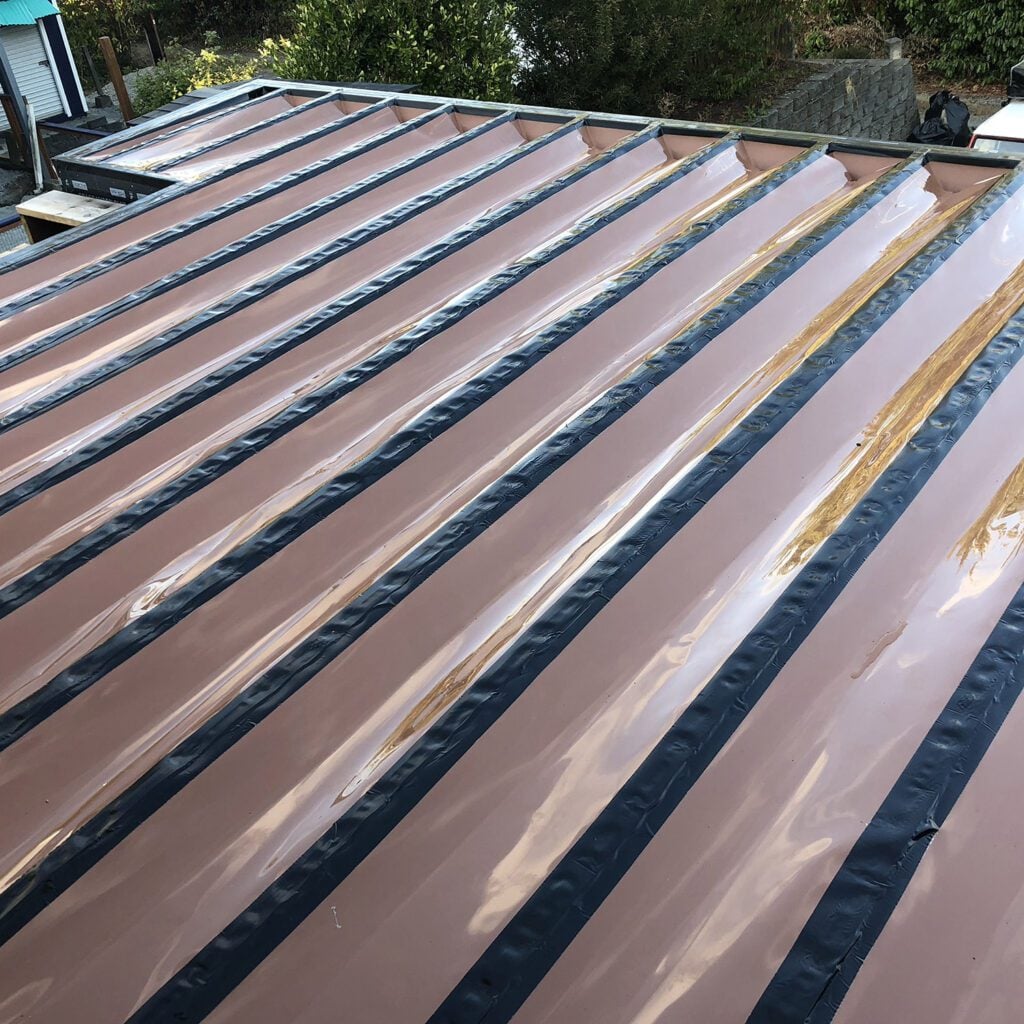
Some of the worst deck problems start where homeowners rarely look. Underneath.
I’ve seen decks where the ground stays wet for days after a rainstorm. In other situations, water collects around support posts, foundations, and joists because nobody considered drainage during construction.
Over time, excessive moisture can contribute to wood decay, mold growth, and premature deterioration. It can also create an inviting environment for insects. Not exactly the kind of wildlife you want living under your outdoor entertainment area.
How to avoid this nightmare:
Before building, evaluate how water moves across the property. Make sure the ground beneath the deck drains away from the house and doesn’t allow water to collect around structural components.
Maintain adequate clearance and ventilation where the decking system requires it. For elevated decks with usable space underneath, consider an under deck drainage system such as Trex RainEscape.
These systems can help direct water away from the area below the deck when installed correctly. One important detail: A drainage system doesn’t replace proper flashing, grading, or structural waterproofing.
Water always finds a way. Your job is to give it somewhere safe to go.
8. The Deck That Gets Too Hot to Touch: Choosing the Wrong Decking for Full Sun
Here’s a problem homeowners often overlook until the first really hot summer afternoon. Their beautiful new deck becomes uncomfortable to walk on barefoot.
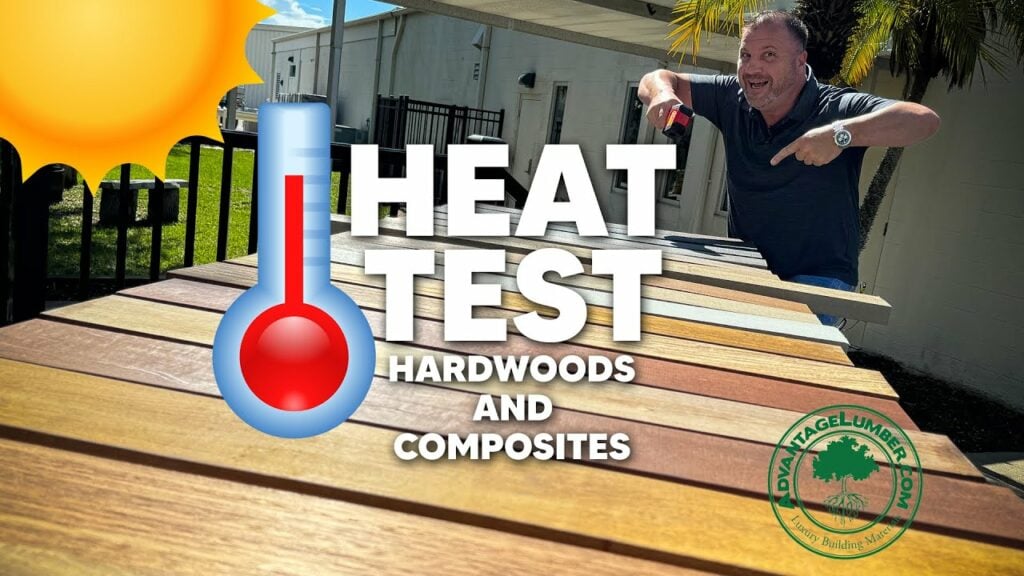
Some composite and PVC decking products can get surprisingly hot in direct sunlight, particularly darker colors. We’ve measured deck surface temperatures during testing at our Sarasota, Florida, facility and found significant differences between decking materials.
In one comparison, plantation Teak measured around 120°F while certain composite boards reached approximately 140°F under the test conditions.
That’s a noticeable difference when you’re walking barefoot from the house to the pool. Of course, actual temperatures vary with sunlight, air temperature, color, wind, and the specific product.
How to avoid this nightmare:
If your deck receives intense afternoon sunlight, consider lighter colors or decking collections engineered to reduce heat buildup. Some Trex, TimberTech, and Deckorators products incorporate heat mitigation technologies.
Natural hardwoods such as Teak may also be worth considering, depending on your priorities. Before ordering thousands of dollars in decking, get samples and compare how they feel in direct sunlight.
A deck should be a place where you want to spend time, not something you avoid until the sun goes down.
9. The Deck That Slowly Pulls Away From the House: Improper Ledger Board Installation
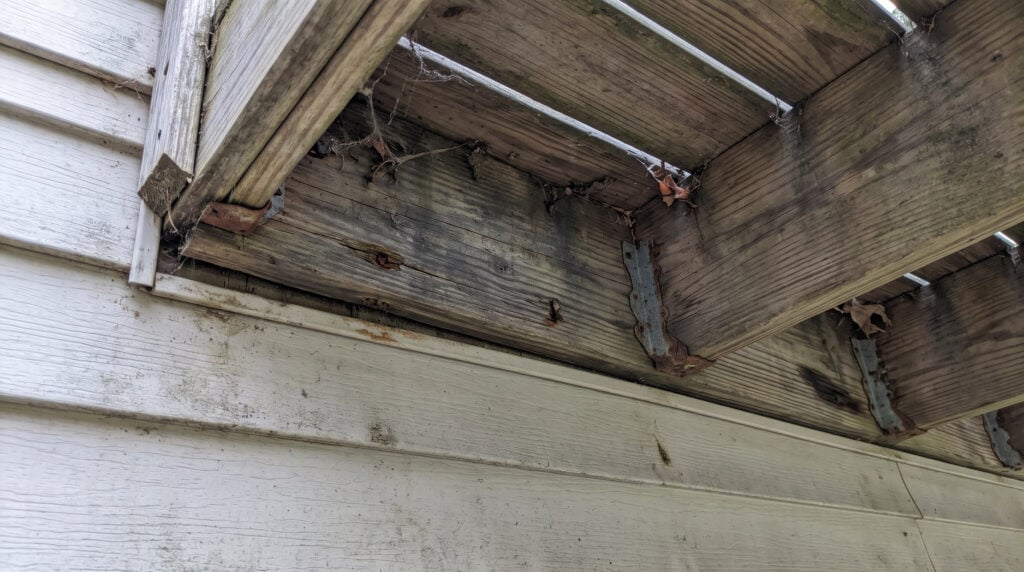
Now we’re getting into genuinely frightening territory. One of the most serious deck construction mistakes involves improperly attaching the deck ledger board to the house.
The ledger is a structural member that connects many attached decks to the building. If it’s installed incorrectly, water can enter the wall assembly, fasteners can fail, and the deck may eventually separate from the house.
Unlike a warped deck board or a rusty screw, ledger failure can lead to catastrophic structural collapse.
How to avoid this nightmare:
Proper ledger installation requires more than driving a few large screws through a board.
Builders need to consider structural fasteners, approved attachment methods, flashing, lateral load connections, and the condition of the house framing.
Some homes aren’t suitable for conventional ledger attachment at all. In those situations, a properly engineered freestanding deck may be the better option.
Always follow local building codes and approved structural details. If you’re inspecting an older deck, look for water damage, loose connections, unusual movement, and signs of separation near the house.
However, don’t rely on a quick visual inspection to determine whether a ledger is structurally sound. When in doubt, have a qualified deck contractor or structural professional inspect it.
Of all the problems on this list, this is one you should never ignore.
10. The Cheapest Decking Quote: A Deal That Comes Back From the Dead
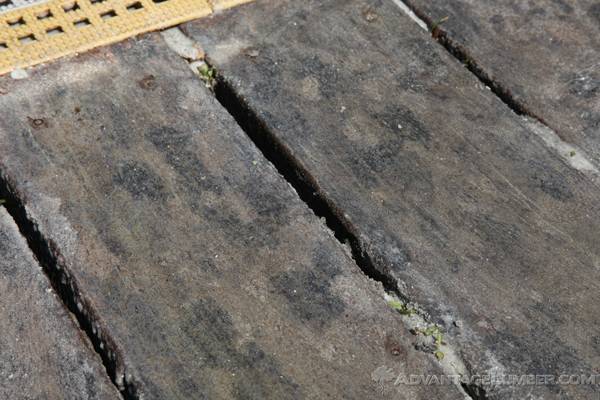
Let’s finish with a mistake that can haunt homeowners financially for decades. Choosing the cheapest decking materials without considering their long term performance.
I’ve been in this industry long enough to know that everybody has a budget. There’s absolutely nothing wrong with trying to save money on a deck project.
However, there’s a big difference between finding a good value and buying something simply because it has the lowest upfront price.
A less expensive decking product might need replacement sooner than a premium alternative. Cheap fasteners could corrode, while poor framing choices might force you to tear apart an otherwise perfectly good deck.
Suddenly, that bargain doesn’t look quite so attractive.
How to avoid this nightmare:
Think about the total cost of ownership instead of just the initial material price. For example, premium tropical hardwoods such as Ipe and Cumaru can offer exceptional longevity when properly installed.
High performance composite and PVC decking from Trex, TimberTech, and Deckorators can also provide long service life with relatively low routine maintenance.
Pair these materials with durable framing, quality fasteners, and proper construction techniques, and you may avoid major replacement expenses for many years.
The goal shouldn’t be to build the cheapest deck possible. It should be to build the best deck your budget allows.
Bonus Halloween Horror: The DIY Deck With No Building Permit
Before we wrap things up, there’s one more scary situation worth mentioning. The homeowner or cheapest contractor who builds an entire deck without checking local building requirements.
Maybe a friend told them permits weren’t necessary. Perhaps they watched a few online videos and figured everything looked straightforward. Then they decide to sell the house.
Suddenly, an unpermitted deck becomes a major headache. Depending on local regulations, the homeowner might face inspections, costly modifications, or even removal of the structure.
The lesson? Check local permit requirements before starting construction. Follow applicable building codes and use qualified professionals for structural work when necessary.
A building permit might not be the most exciting part of a deck project, but it’s certainly less frightening than discovering your new deck doesn’t meet code.
Don’t Let Your Dream Deck Turn Into a Halloween Nightmare
After more than two decades working with hardwood decking, composite materials, and deck construction products, I’ve learned something pretty simple.
Most serious deck problems don’t happen because someone picked the wrong color or railing style. They happen because important details were overlooked before construction ever started.
Poor drainage, inadequate framing, incorrect fasteners, and improper installation can shorten the life of even the most expensive decking materials.
On the other hand, a thoughtfully designed deck with quality materials and proper construction can provide decades of enjoyment.
At AdvantageLumber.com, we help homeowners and contractors choose decking materials designed for long term performance.
We stock premium tropical hardwoods including Ipe, Cumaru, Tigerwood, Garapa, Brazilian Redwood, Teak, and Mahogany, along with composite and PVC decking from Trex, TimberTech, and Deckorators.
We also offer steel and aluminum deck framing, hidden fastening systems, railing products, and other materials to help you build a complete deck.
With four warehouse and manufacturing locations across the United States, we can supply materials for projects ranging from a small backyard deck to a large commercial installation.
Whether you’re planning a new deck or replacing an old one, our experienced team can help you compare materials and avoid common construction mistakes.
This Halloween, the only skeletons around your deck should be the decorations.
Happy Halloween from all of us at AdvantageLumber.com!
And remember: Build it right the first time, so your deck doesn’t come back to haunt you.
Frequently Asked Questions About Common Deck Building Mistakes
What is the most common mistake when building a deck?
One of the most common mistakes is focusing on the decking boards while overlooking the framing underneath. Poor drainage, inadequate flashing, and improper fasteners can also cause serious long term problems.
How long should a properly built deck last?
Deck lifespan depends on the decking material, framing system, climate, maintenance, and installation quality. Premium hardwoods such as Ipe may last 50 years or longer under favorable conditions, while many composite and PVC decking products carry substantial limited warranties. The framing must also remain structurally sound throughout the deck’s service life.
Why do deck boards warp or cup?
Wood decking can cup or warp when moisture levels differ between the top and bottom of the boards. Poor ventilation, incorrect fastening, excessive moisture, and improper installation can contribute to these problems.
Is steel deck framing better than pressure treated wood?
Steel framing eliminates the risk of wood rot in the framing members and can provide excellent dimensional stability. However, it generally costs more upfront and requires proper corrosion protection, compatible hardware, and correct installation. Pressure treated lumber remains a practical option when installed and maintained properly.
What decking material lasts the longest?
Ipe, Cumaru, and other durable tropical hardwoods are known for their long service lives. Premium PVC and composite decking products can also last for decades. Actual longevity depends on exposure, maintenance, product quality, and installation conditions.
Can you build a deck without a permit?
Permit requirements vary by location, deck height, attachment method, and other factors. Many attached or elevated decks require permits and inspections. Always check with your local building department before beginning construction.
