
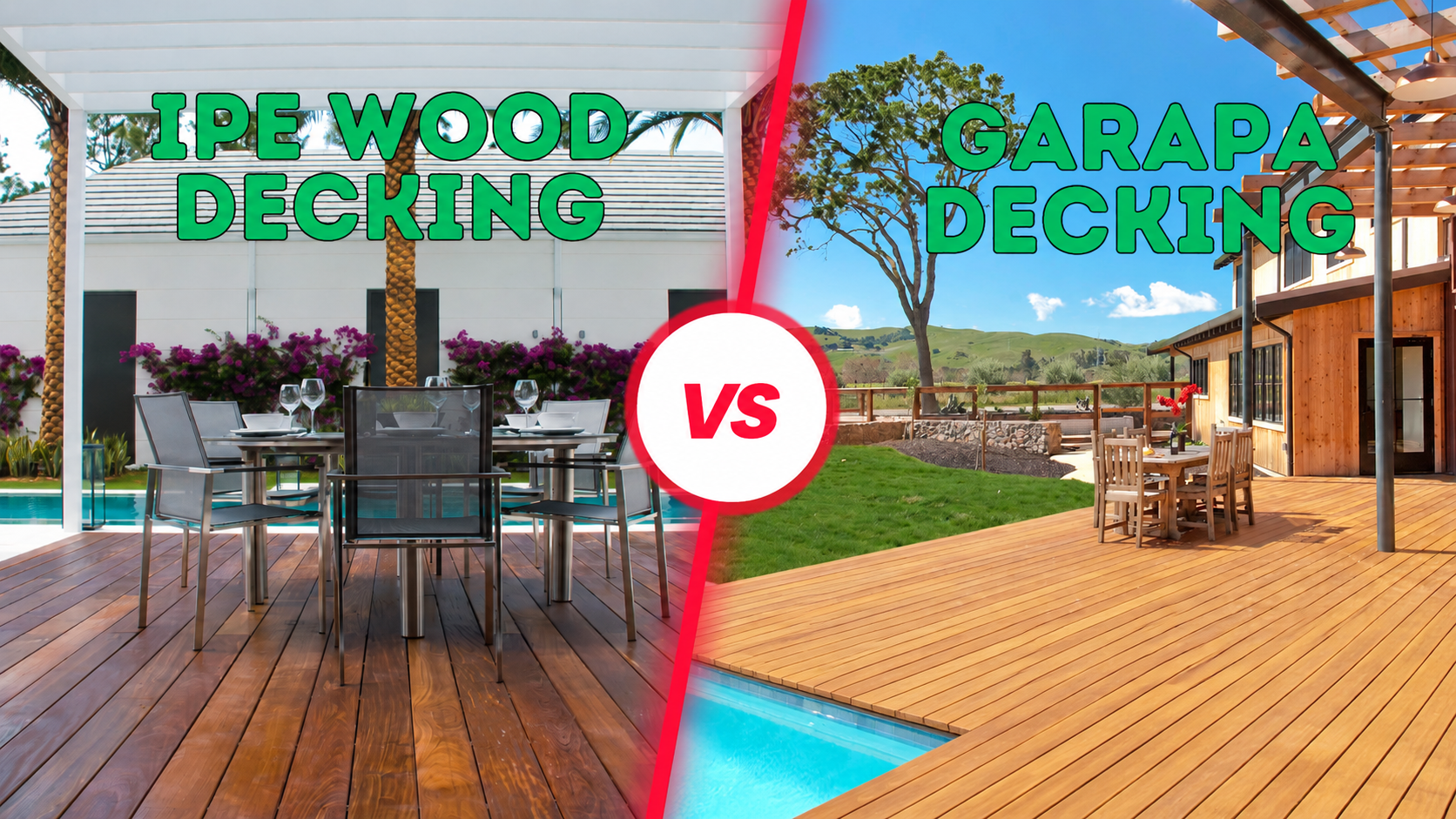
When comparing hardwood decking, Garapa and Ipe are two options worth considering. Both are durable tropical hardwoods that can be used for decking and other exterior projects, and both offer natural resistance to insects and decay.
The biggest differences come down to hardness, appearance, and price.
Ipe is known for its exceptional durability and dark, rich appearance, but it typically costs more than Garapa. Garapa offers excellent durability at a generally lower price point and has a much lighter, golden color.
So, is Ipe worth the extra cost?
It depends on your priorities. If maximum hardness and long-term durability are at the top of your list, Ipe may justify the additional investment. If you’re looking for a durable hardwood with a lower upfront cost, Garapa could offer excellent value.
| Garapa | Ipe | |
| Color | Golden yellow to light brown | Reddish brown to dark brown |
| Hardness | Dense and durable | Exceptionally hard and dense |
| Durability | Highly durable | Exceptional durability |
| Price | Generally more affordable | Typically more expensive |
| Best For | Balancing cost, durability, and appearance | Maximum performance and longevity |
How Durable Are Garapa and Ipe?
Both Garapa and Ipe are well suited for exterior applications.
Garapa, sometimes called Brazilian Ash, is a dense South American hardwood with natural resistance to insects and decay. It can provide decades of service when properly installed and maintained, making it a practical choice for residential decks and other outdoor projects.
Ipe is even denser and harder. With a Janka hardness rating commonly listed above 3,500 lbf, it is one of the hardest woods used for decking. Its density contributes to its resistance to wear, dents, insects, and decay.
The bottom line: Ipe is generally more durable than Garapa, but Garapa is still a highly durable hardwood that can perform well for many decades.
Which Wood Is Harder
Ipe is substantially harder than Garapa.
That additional hardness can make Ipe more resistant to dents, scratches, and heavy foot traffic. For busy decks or demanding applications, that extra durability may be a significant advantage.
However, not every project requires the hardest wood available.
Garapa is still a dense hardwood that can withstand everyday residential use. For many homeowners, it provides more than enough durability at a lower material cost.
Do Garapa and Ipe Look Different?
Appearance is another major difference between the two.
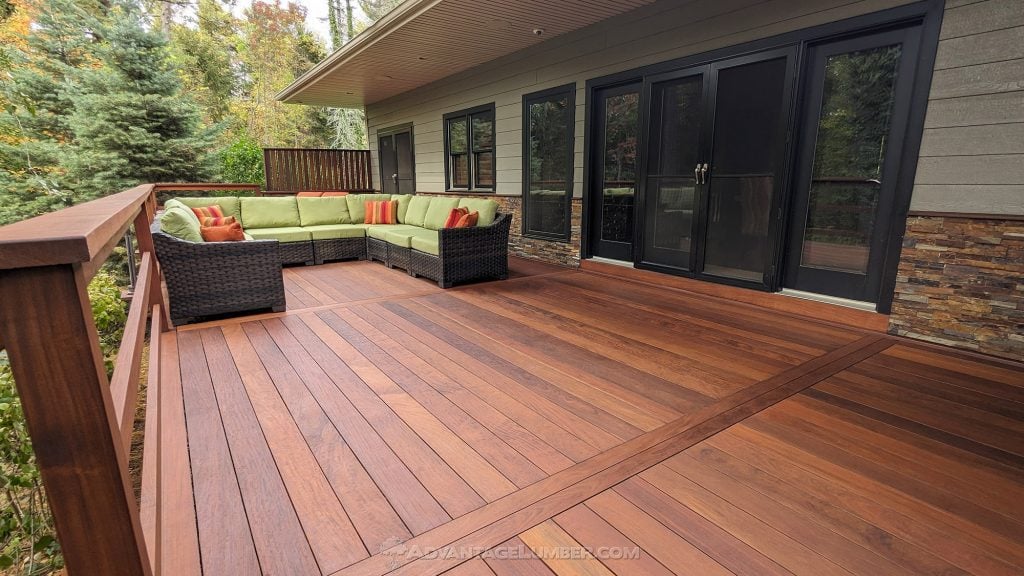
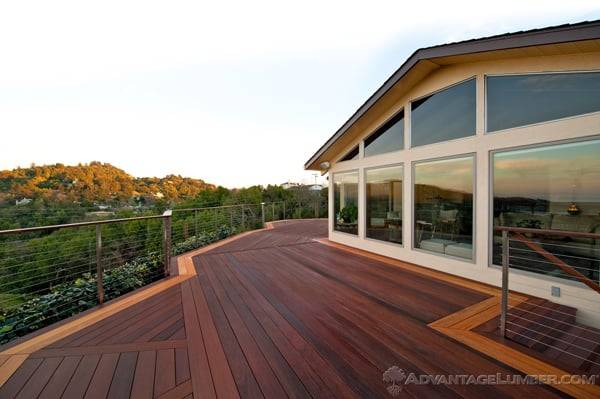
Ipe is known for its darker tones, which can range from reddish brown to deep brown and olive shades. It offers a rich, dramatic appearance that many homeowners associate with premium hardwood decking.
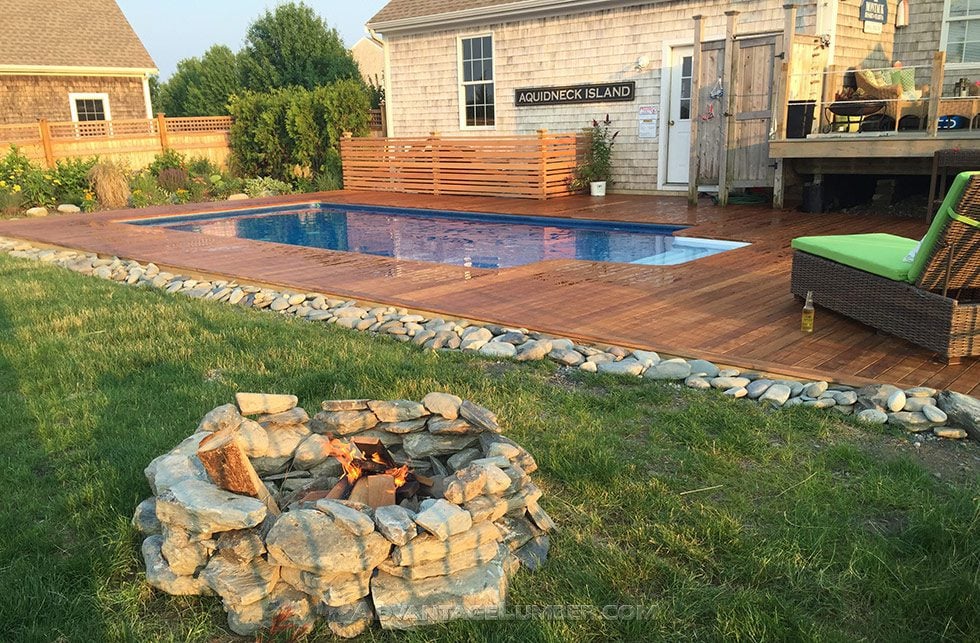
Garapa has a much lighter appearance, typically ranging from golden yellow to light brown. Its warm color can create a brighter look for an outdoor space.
Over time, both species can naturally weather to a silvery-gray patina when left unfinished and exposed to the elements.
The choice largely comes down to personal preference. If you prefer a dark, rich hardwood, Ipe may be the better fit. If you want something lighter and warmer, Garapa may be more appealing.
Is Garapa Less Expensive Than Ipe?
Garapa is typically less expensive than Ipe, which can make a noticeable difference on larger projects. Pricing can vary depending on availability, dimensions, and market conditions, but Garapa is often chosen by homeowners looking for the benefits of tropical hardwood at a more accessible price point.
This does not necessarily make Garapa the better choice for every project. Ipe’s higher upfront cost may be worthwhile for those who place the greatest value on exceptional hardness, durability, and long-term performance.
Is the Extra Cost of Ipe Worth It?
Ipe may be worth the extra cost if maximum durability and hardness are your top priorities.
Its exceptional density makes it one of the most durable hardwoods available for exterior projects. For homeowners planning a long-term investment or building a deck that will receive heavy use, those advantages may justify the higher price.
However, Garapa may offer better value if budget is an important consideration.
It provides many of the characteristics homeowners want from hardwood decking, including durability, natural resistance to insects and decay, and long-term performance, while generally costing less than Ipe.
Choose Ipe If You Want:
- Exceptional hardness and durability
- Greater resistance to dents and wear
- A darker, richer appearance
- A premium material for a demanding or high-traffic project
Choose Garapa If You Want:
- A more budget-friendly hardwood
- Excellent long-term durability
- A lighter, golden appearance
- A balance between price and performance
What About Maintenance?
Both Garapa and Ipe are relatively low-maintenance compared to many other decking materials.
Regular cleaning can help remove dirt, leaves, and other debris. If you want to preserve the wood’s natural color, applying a hardwood oil periodically may help slow the weathering process.
If you prefer a naturally weathered appearance, both woods can be allowed to gradually develop a silvery-gray patina.
The amount of maintenance required will depend largely on your climate, sun exposure, and the appearance you want to maintain.
Final Thoughts
So, is the extra cost of Ipe worth it? For some projects, absolutely. For others, Garapa may be the better value.
Ipe offers exceptional hardness, durability, and a rich, dark appearance. If maximum performance and long-term durability are your priorities, paying more for Ipe may make sense.
Garapa should not simply be viewed as the less expensive alternative. It is a durable hardwood in its own right and can provide excellent long-term performance for decking and other exterior projects.
The best choice depends on your budget, design preferences, and how demanding your project will be.
Explore Hardwood Decking Options
Visit the Advantage Lumber website to explore Garapa, Ipe, and other hardwood decking materials for your next project.
