
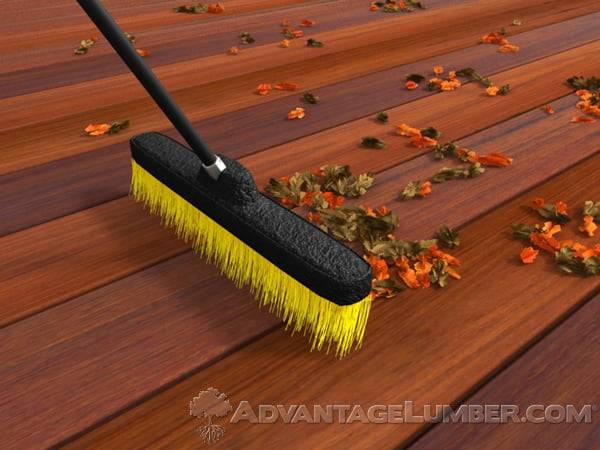
Labor Day marks the unofficial end of summer. As a result, you spent the last few months grilling, hosting, and enjoying your outdoor space. Now give the deck some attention before cooler weather and falling leaves take over. You know how it is one minute you’re flipping burgers, the next the calendar’s flipped and fall’s knocking.
Indeed, a quick Labor Day session might keep things looking good through fall and can set you up for an easier spring. At the same time, the exact steps depend on what your deck is made of, so here is what probably works for hardwood, softwood, and composite or PVC.
Trust me, I’ve seen plenty of decks that looked great in July and turned into headaches by October just because nobody spent an afternoon on the basics. Anyway, let’s get into the actual stuff.
Start by cleaning thoroughly

First, sweep or blow off debris. After all, leaves, dirt, pollen, and leftover food scraps can stain or potentially promote mold if they sit too long. In particular, pay special attention to the gaps between boards. Stuff that gets trapped there might hold moisture and can lead to problems later. Who wants to scrape that gunk out in the spring when it’s turned into a solid mat? Please don’t leave a pile sitting there.
For hardwood decks (Ipe, Cumaru, Tigerwood, Garapa, Massaranduba, Teak, or Mahogany), rinse with warm water. In most cases, that often does the job. However, if the surface looks dull or shows some mildew, mix a cleaner and brightener like DeckWise. Then apply it with a mop or soft brush, let it work, and rinse thoroughly. Even so, these dense tropical hardwoods probably do not need aggressive scrubbing. I’ve always liked how Ipe just shrugs off most of the mess makes the job feel almost too easy. Honestly, it seems pretty smart.
Meanwhile, cedar and other softwoods can pick up dirt and gray faster. Therefore, use a wood cleaner that makers formulate for softwoods and a medium bristle brush. At the same time, avoid high pressure washing if you can it might raise the grain or potentially damage the surface. Cedar’s beautiful, don’t get me wrong, but it may need a little more babying than the tropical hardwoods. I guess that’s just the reality.
You should definitely consider upgrading your standard pressure washer wand to a rotary surface cleaning attachment as shown in the picture above. The one in the picture above allows you to effortlessly clean 20 inches in one pass without all the wrist pain from the standard wand.
On the other hand, composite and PVC (TimberTech, Trex, Deckorators, etc.) can forgive more. As a result, most manufacturers recommend mild soap and water or their own cleaner. A soft brush or broom might work fine. However, skip pressure washers on the high setting; they can damage the surface or force water into the material. Honestly, I’ve watched folks blast those boards like they’re cleaning concrete and then wonder why the finish looks chalky. Uh, nope, that’s not the direction to head.
Check for standing water and drainage
After a summer of parties and rain, look for low spots where water pools. Indeed, standing water is never good. On hardwood it might lead to surface mold or cupping over time. Likewise, on softwoods it can speed up rot. At the same time, on composites it may leave mineral deposits or potentially promote mold in the gaps. Ever notice how one stubborn puddle can ruin a whole weekend’s worth of relaxation? Yeah, me too. It can impact the whole space somehow.
So sweep or mop puddles away. If you notice consistent pooling, however, consider whether the deck might need a slight adjustment or better under deck drainage. This is also a good time to clear any debris from under the deck if you can reach it. It’s the kind of chore that’s easy to put off, but you’ll probably thank yourself later. Suppose you carry a couple of chairs out of the way first.
Inspect fasteners, railings, and structure
Next, walk the deck and feel for loose boards or wobbly railings. Then tighten screws or replace any that have backed out. On hardwood decks that use hidden fasteners like Ipe Clips, check that everything still sits properly. Softwood decks, on the other hand, can often show more movement, so look closely at nail or screw heads. I’ve lost count of how many times a single loose board turned into a bigger repair just because it got ignored through the holidays. Use your fingers and hands to press down and check.
After that, give the railings a once over, especially if you have TimberTech or Trex systems. Make sure posts and balusters stay secure. While you do that, glance at the framing if it is visible. Any signs of rot or excessive moisture might mean you should address the issue before winter. Nothing kills the mood faster than leaning on a rail that gives a little, right? Obviously, a decent check now brings relief later.
Decide whether to oil or seal
Hardwood decks can benefit from a fresh coat of oil if you want to keep the rich color. Products like Ipe Oil penetrate the dense grain and act like a sunscreen. Therefore, clean the deck first, apply a thin coat, and wipe off the excess within a few minutes so it does not stay tacky.
Once a year is usually enough, though how much sun the deck gets can change that. Even so, if you are fine with the natural gray look, you can skip the oil entirely these woods probably stay strong either way. Personally, I like the oiled look, but I’ve got customers who swear by the weathered silver tone and never touch a can of oil again. It seems slightly odd to some, but it works.
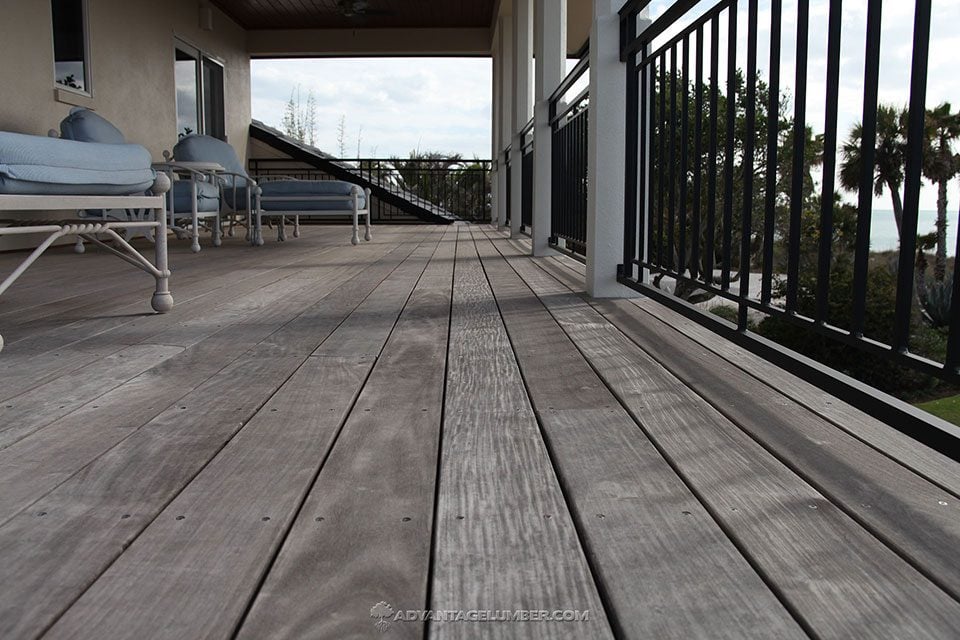
Cedar and softwoods, however, might need more protection. As a result, a good penetrating sealer or stain can help fight moisture and UV damage. Fall is a solid time to apply it so the wood stays protected through the wetter months. At the same time, follow the product directions and do not apply if rain is in the forecast. Skip that step and you’ll potentially be staring at peeling boards by spring ask me how I know. I discovered that the hard way a couple years ago.
Most composite and PVC decks, on the other hand, do not need sealing or oiling. The color is built in. Just keep them clean. Some brands offer specific protectants, though they remain optional. That’s one of the selling points, isn’t it? Less fuss. Definitely pure convenience in my book.
Handle the little extras
First, move planters, furniture, and decorations so you can clean underneath them. Moisture that gets trapped under pots can be a common source of stains and mold. Therefore, put rubber pads under furniture legs if they do not already have them this might protect the surface whether it is hardwood, cedar, or composite. I can’t tell you how many nice decks I’ve seen marked up by metal chair feet just because nobody thought about pads. A scratch here or there is no one’s fault if you plan ahead.
If you grill on the deck, clean any grease spots now. On hardwood you can usually sand lightly and re-oil. Softwoods, meanwhile, may need a stronger cleaner. Composites often respond to a dedicated degreaser that the manufacturer supplies. Grilling’s half the fun of having a deck, but the cleanup’s the part everybody hopes someone else handles. Kinda gets wet and messy fast, you know?
A few final notes
Labor Day maintenance does not have to take all weekend. Indeed, a solid afternoon of sweeping, cleaning, and checking fasteners can go a long way. Hardwoods like Ipe are probably the lowest maintenance option long term they mostly need occasional cleaning and optional oiling.
Softwoods, however, might require more regular sealing. Composites and PVC sit somewhere in between: easy to clean, though you still need to remove debris from the gaps and surface. In my experience, the folks who spend that one afternoon every year are the ones still smiling about their decks a decade later. They’ve gotten the picture and made real progress.
Get it done now and you will potentially spend less time worrying about the deck and more time enjoying the last warm days of the season. If you run into anything unusual persistent mold, loose boards that will not stay put, or questions about the right cleaner reach out. We have seen most of these situations before and can point you in the right direction. After all, that’s what we’re here for. I suppose that’s the honest truth, and further delay isn’t necessary.
