
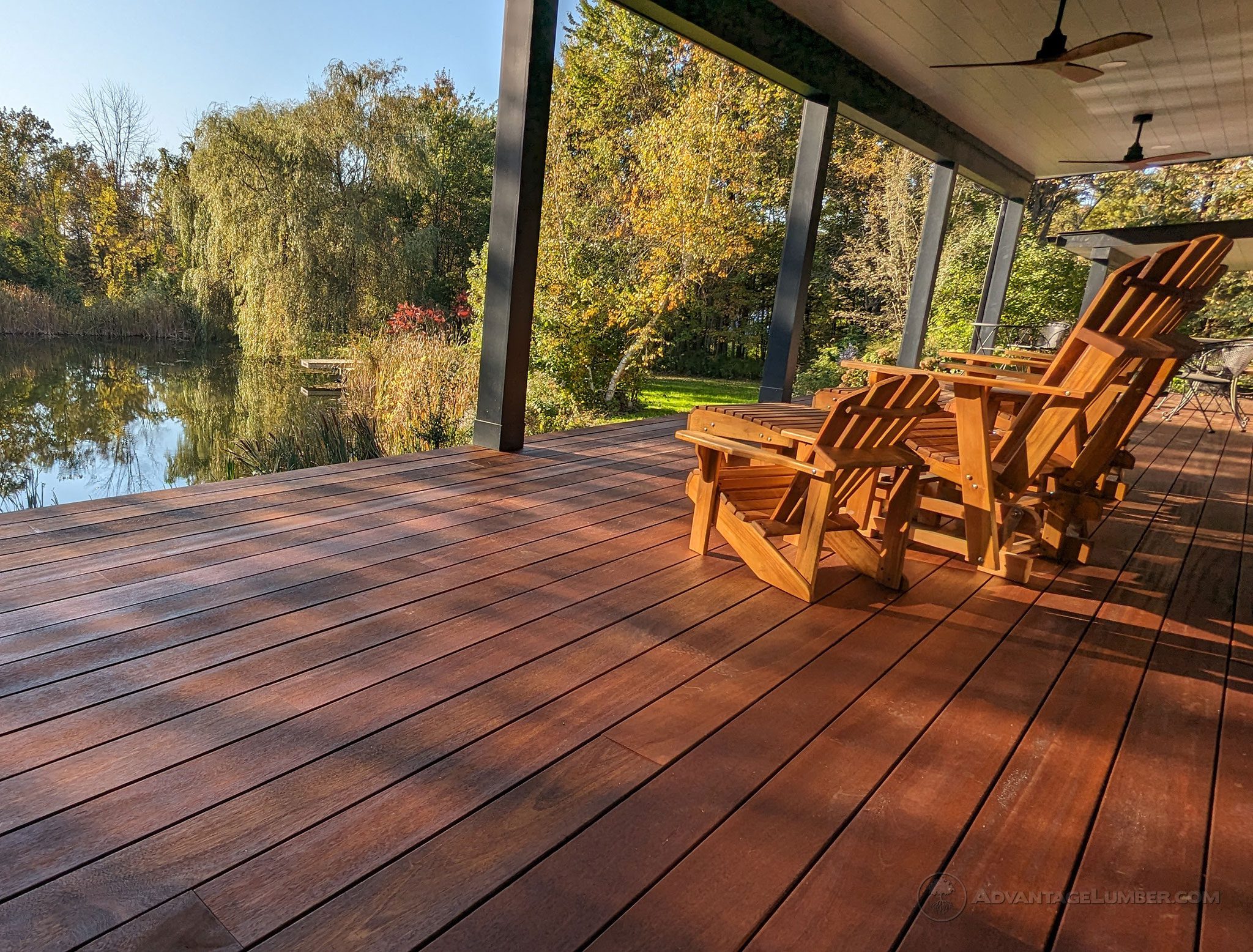
If you live in a humid climate, you already know how quickly moisture becomes part of everyday life. Your deck has to deal with it, too.
Rain, humidity, shade, and organic debris can keep a wood deck damp longer than you might expect. Although quality wood decking can handle outdoor conditions very well, it still needs some basic care to keep it looking good and performing well.
The good news is that maintaining a wooden deck in a humid climate doesn’t have to be difficult. In my experience, you don’t need to turn deck maintenance into a weekend-long project every time you see a few leaves. Keep the deck clean, help it dry, and take care of small problems before they become bigger ones.
1. Keep Your Deck Clean
Leaves, dirt, pollen, and other debris do more than make your deck look dirty. They can also hold moisture against the wood.
This can be especially important in humid climates, where wet debris may take longer to dry. If you’ve ever moved a pile of leaves off a deck after a few rainy days, you probably know what I mean.
Sweep your deck regularly, especially after heavy rain or storms. Pay close attention to corners, areas along the house, and the spaces between your deck boards.
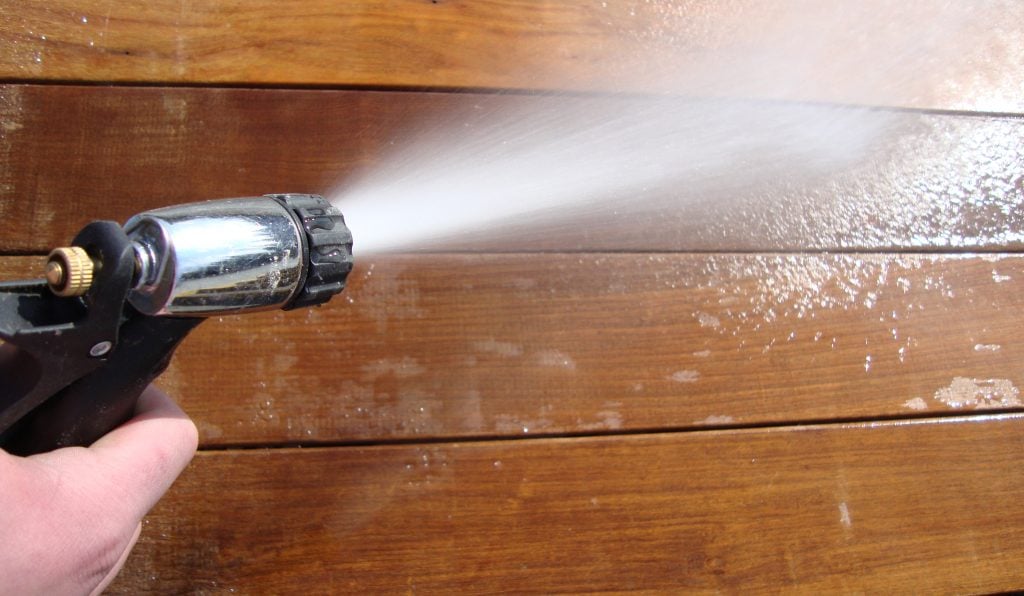
When the deck needs a deeper cleaning, use a wood-safe deck cleaner and a stiff-bristle brush. This can remove dirt and organic buildup without unnecessarily damaging the wood.
2. Make Sure Water Can Drain
A wood deck doesn’t need to stay completely dry to last for years. However, it does need a chance to dry out after it gets wet.
Keep the spaces between your deck boards clear. Otherwise, leaves and dirt can collect there and interfere with drainage.
Also, look for places where water tends to pool. If one area stays wet long after the rest of the deck has dried, find out why.
You may have a drainage problem, or something may be blocking airflow. Either way, it’s worth addressing before the moisture creates a bigger problem.
Proper board spacing, drainage, and deck construction all help move moisture away from the wood. You want water to have somewhere to go.
3. Give Your Deck Plenty of Airflow
Good airflow helps a deck dry faster, which makes it particularly important in a humid climate.
If you have an elevated deck, make sure air can circulate freely underneath it. Avoid filling the space below the deck with boxes, firewood, landscaping materials, or other stuff that blocks ventilation.
It’s tempting to use that space for storage, but I’ve seen plenty of decks where the stuff underneath leaves almost no room for air to move.
The same idea applies to the deck surface. Although you don’t have to constantly move your patio furniture around, pay attention to areas where furniture or other items may trap moisture.

4. Watch for Mold and Mildew
Humidity doesn’t automatically mean your deck will develop mold or mildew. Even so, consistently damp conditions can create a good environment for both.
If you notice green, black, or gray growth, clean it before it spreads. Use a cleaner that’s appropriate for your decking material and follow the product’s instructions.
Then take a closer look at the area. Cleaning can remove mold and mildew, but it won’t solve the problem if water keeps collecting in the same spot.
Check for poor drainage, blocked airflow, nearby vegetation, and debris. Once you address the cause, keeping the area clean should become much easier.
5. Don’t Get Carried Away With the Pressure Washer
Pressure washing can make quick work of a dirty deck, but more pressure isn’t always better.
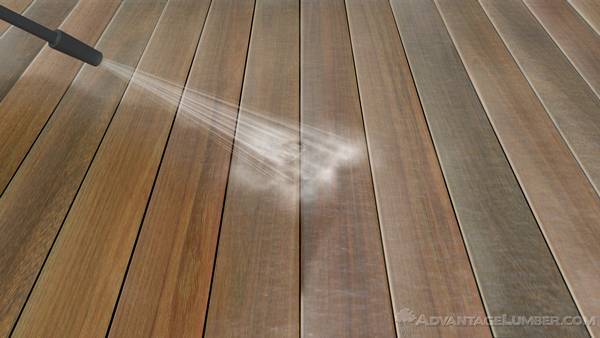
Too much pressure or holding the nozzle too close to the wood can damage the surface and leave visible marks in the grain. You may also remove softer portions of the wood and leave the surface looking rough.
Start with the least aggressive cleaning method that will get the job done. If you need a pressure washer, use a lower-pressure setting and keep the nozzle moving.
Personally, I’d rather make two gentle passes than spend the afternoon fixing a deck that I cleaned too aggressively.
Even dense hardwoods such as Ipe and Cumaru can suffer surface damage if you clean them too aggressively.
6. Inspect the Deck and Framing
Don’t limit your inspection to the boards you can see from the top of the deck. Take a look underneath, too.
Check the joists, beams, posts, ledger, fasteners, and other structural components. In humid conditions, pay particular attention to places where water collects or airflow remains limited.
Look for:
- Soft or deteriorating wood
- Loose or corroded fasteners
- Cracked or damaged boards
- Areas that stay wet
- Mold or mildew
- Rot around posts, joists, or connections
- Debris collecting between boards
The framing deserves just as much attention as the decking. Even the most durable decking won’t make up for a substructure that allows moisture to linger.
If you have a wood-framed deck, joist tape can help protect the tops of joists and other vulnerable areas from water exposure. Of course, good drainage and airflow still matter, but protecting the framing can provide another layer of defense.
7. Choose the Right Finish
Whether you should apply a finish depends on the wood species and the appearance you want.
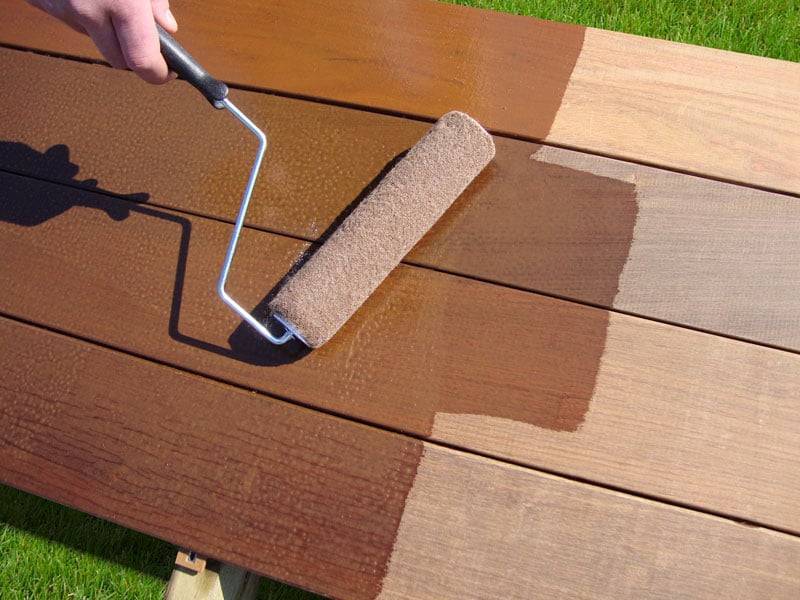
If you want to maintain the original color of a hardwood deck, a suitable penetrating oil can help slow the natural weathering process. On the other hand, if you like the silver-gray color that wood develops over time, you may not need a finish for appearance alone.
Whatever you choose, make sure the product works with your particular decking species and follow the manufacturer’s instructions.
Also, don’t assume more finish means more protection. Applying too much product can leave the surface tacky and create another maintenance headache. Nobody wants to discover that after walking across the deck in bare feet.
8. Choose a Naturally Durable Wood
If you’re building a new deck in a humid climate, think about the decking species before you start. The material you choose can have a big impact on how your deck handles the elements.
Some wood species naturally withstand outdoor conditions better than others. Tropical hardwoods such as Ipe, Cumaru, Tigerwood, Garapa, Massaranduba, Teak, and Red Balau can make excellent choices for demanding outdoor applications.
Ipe stands out for its exceptional density and natural resistance to rot, decay, insects, and fungi. Although no wood deck is completely maintenance-free, Ipe can provide excellent long-term performance with proper installation and care.
Still, even naturally durable hardwoods need good deck construction. Give the boards enough room to drain water, allow air to circulate, and build the framing with moisture in mind.
Does Humidity Damage a Wood Deck?
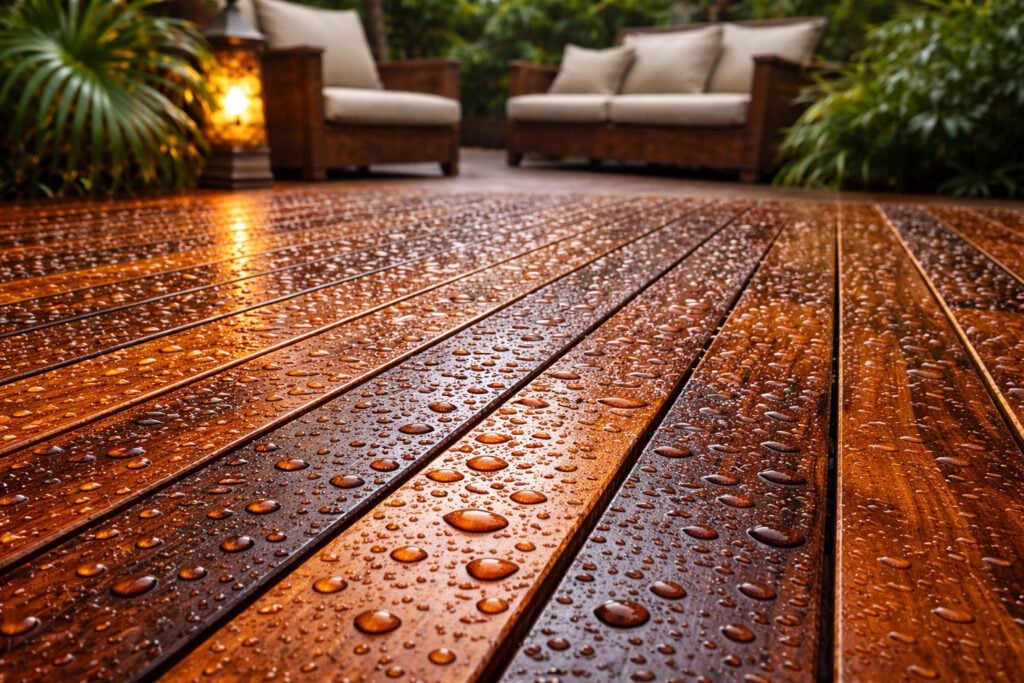
Humidity alone won’t necessarily damage a wood deck. The bigger concern comes from moisture that stays on or around the deck for too long.
Wood naturally gains and loses moisture as conditions change. Although a humid climate can keep the wood damp for longer periods, proper drainage and airflow can help it dry between wet periods.
That’s why good deck maintenance focuses on managing moisture rather than trying to eliminate it. You don’t need to keep your deck perfectly dry. You just need to help it dry properly.
How Often Should You Clean a Wood Deck in a Humid Climate?
There’s no single cleaning schedule that works for every deck.
A deck surrounded by trees and exposed to frequent rain may need more attention than one in an open, sunny area. Instead of following a strict schedule, watch for the signs that your deck needs attention.
Sweep away leaves and debris regularly. Then, give the deck a deeper cleaning when dirt, organic material, mold, or mildew begins to build up.
If the deck looks clean and dries quickly after a rain, you’re probably on the right track.
Should You Seal a Wood Deck in a Humid Climate?
Not necessarily. It depends on the wood species and the look you want.
Some wood decks benefit from a penetrating finish, especially if you want to maintain the wood’s original color. Other decks can remain unfinished and develop a natural silver-gray patina.
Although a good finish can help protect the appearance of some decking species, it won’t replace proper drainage, airflow, and cleaning. If you use the wrong product or apply too much, you may create additional maintenance problems.
Consider the wood species, the look you want, and the manufacturer’s recommendations before choosing a finish.
Keep Moisture From Becoming a Problem
A humid climate doesn’t mean you have to give up on a wood deck. With the right approach, a well-built wood deck can perform beautifully for years.
Keep the deck clean, clear the gaps between the boards, give the structure plenty of airflow, and inspect the decking and framing from time to time. These simple steps can go a long way toward keeping a wood deck in good shape.
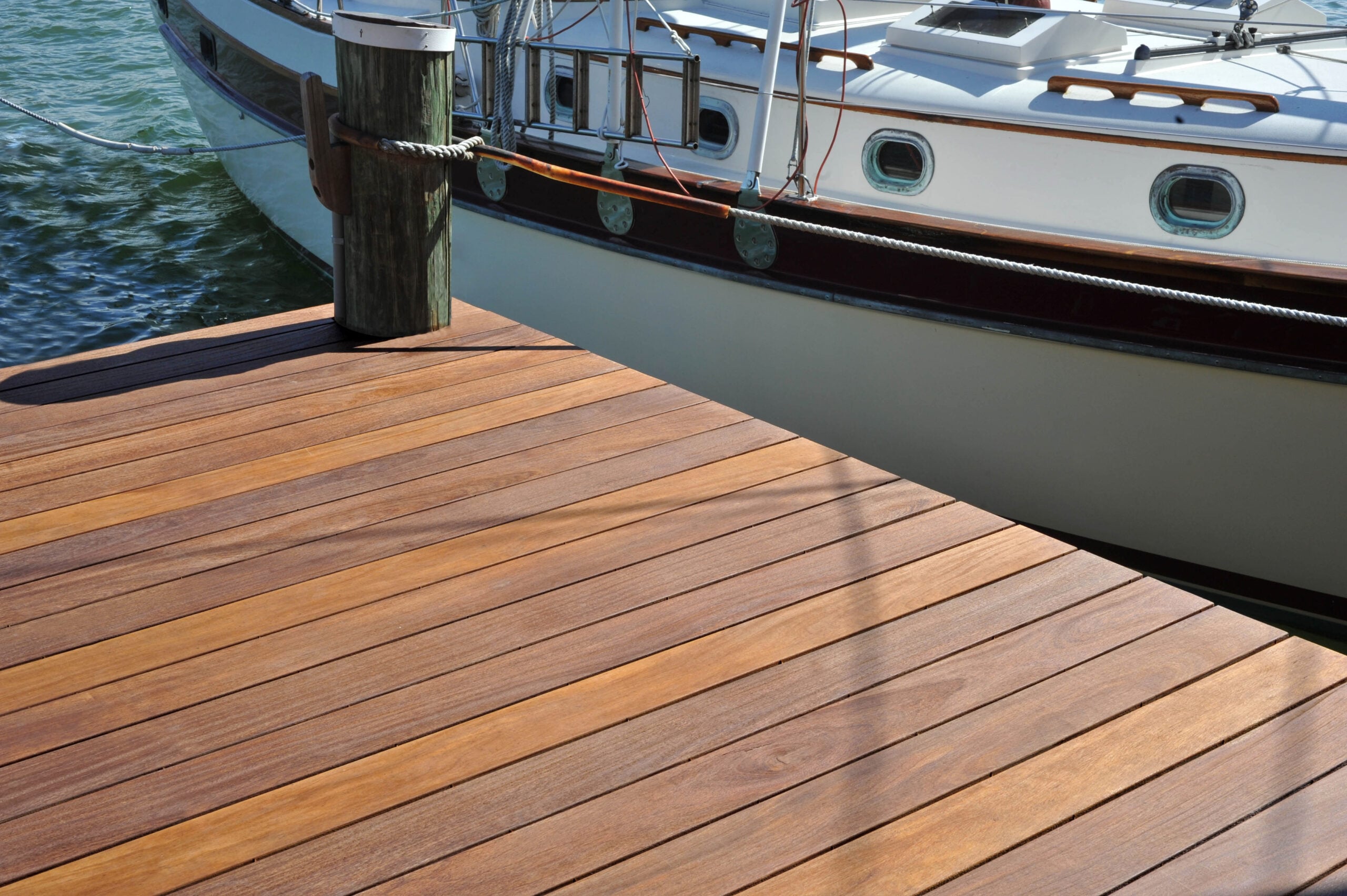
If you’re building a new deck, choosing a naturally durable species such as Ipe, Cumaru, or Tigerwood can give you an advantage from the start. Proper installation matters just as much as the wood species you choose.
Looking for a wood species that can handle your climate and the way you plan to use your deck? Explore our selection of premium hardwood decking at Advantage Lumber and find the right material for your project.
