
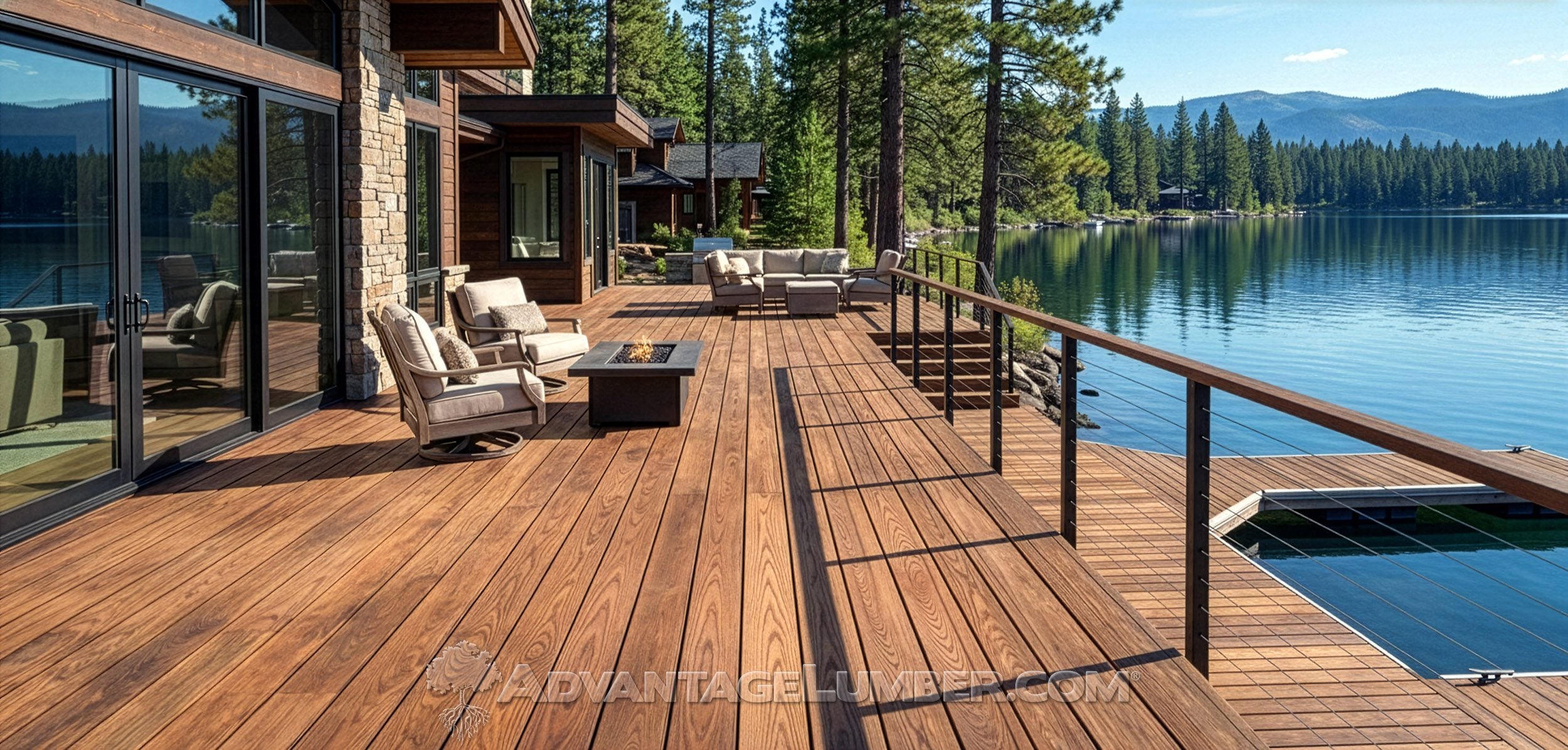
Your deck may look fine on the surface, but hidden structural problems can turn it into a serious safety hazard. Every year, thousands of decks fail due to rot, corroded fasteners, poor construction, and lack of maintenance. Many homeowners only notice the problem after the damage has become severe.
While regular deck maintenance and visual inspections are important, there are certain warning signs that should never be ignored. If you notice any of the red flags below, it may be time to call a professional deck inspector.
Why Professional Deck Inspections Matter
A professional deck inspection goes far beyond a quick visual check. An experienced inspector can identify hidden structural issues, code violations, water damage, improper flashing, failing connections, and other problems that are difficult for homeowners to spot.
This is especially important for:
- Decks older than 10–15 years
- Elevated decks
- Large multi-level decks
- Decks attached to older homes
- Waterfront or poolside decks exposed to constant moisture
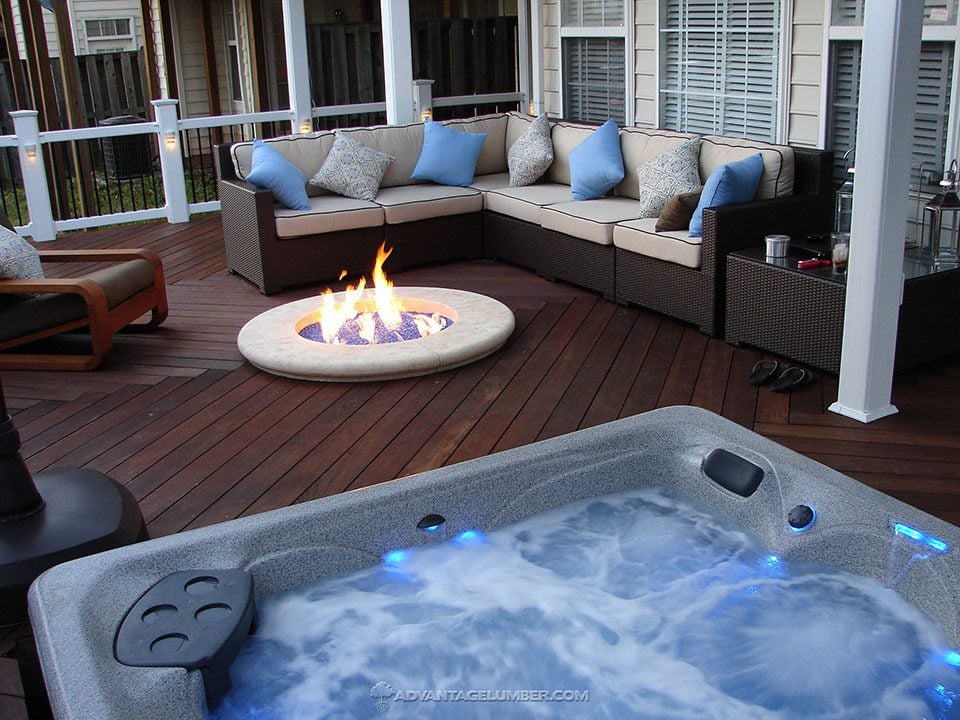
- Decks with heavy furniture, outdoor kitchens, hot tubs, or pergolas
A professional inspection can help prevent expensive repairs, injuries, or complete deck failure.
Red Flags You Should Never Ignore
1. Soft, Spongy, or Rotten Wood
Rot is one of the biggest warning signs of structural deck failure. If parts of your deck feel soft underfoot or the framing crumbles when probed with a screwdriver, moisture may have already compromised the structure. This is especially common on older pressure-treated decks that have experienced years of weather exposure.
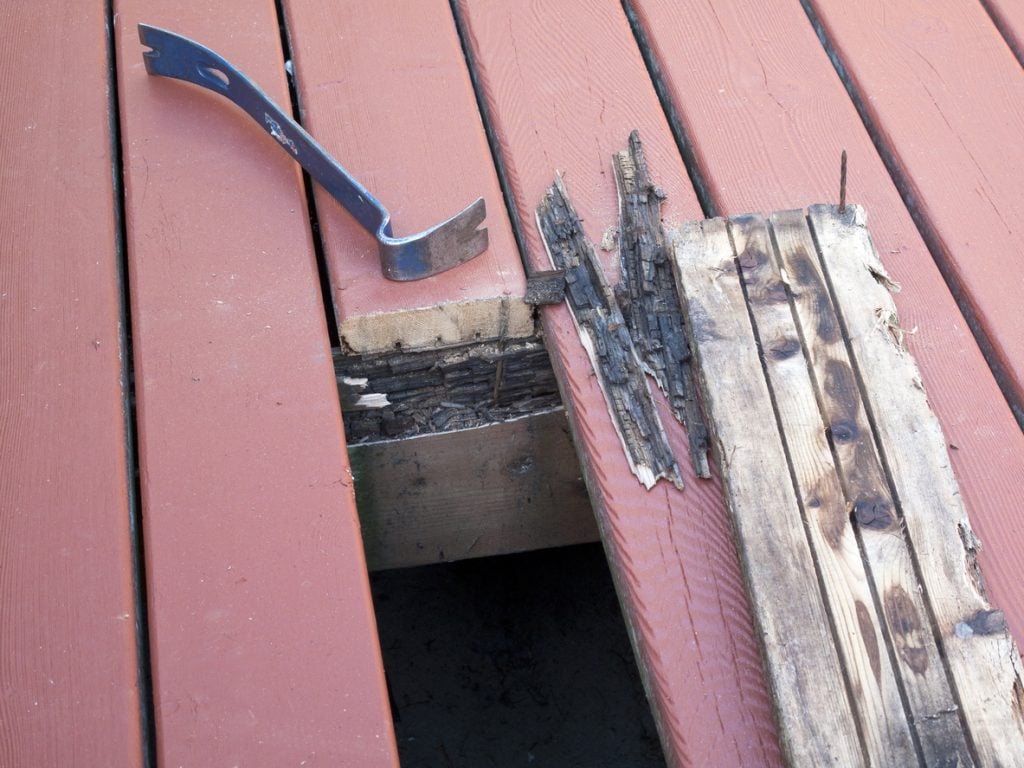
The most vulnerable areas include:
- Ledger boards
- Support posts
- Stair stringers
- Joists and beams
- Areas near fasteners
- Ground-contact framing
If the rot is isolated, a contractor may be able to replace damaged framing members or deck boards. For longer-lasting repairs, many homeowners upgrade to naturally durable hardwood decking or low-maintenance composite and PVC decking products.
2. Wobbly or Loose Railings
Deck railings should feel solid and secure. If a railing moves when pushed or shaken, there may be hidden structural problems behind the connection points.
Loose railings are commonly caused by:
- Rotting posts or weakened framing
- Corroded or improper hardware
- Older construction methods that no longer meet modern code standards
Because railing failures can happen suddenly, this is one deck safety issue that should never be ignored. A professional deck inspector can determine whether the railing system needs reinforcement or full replacement.

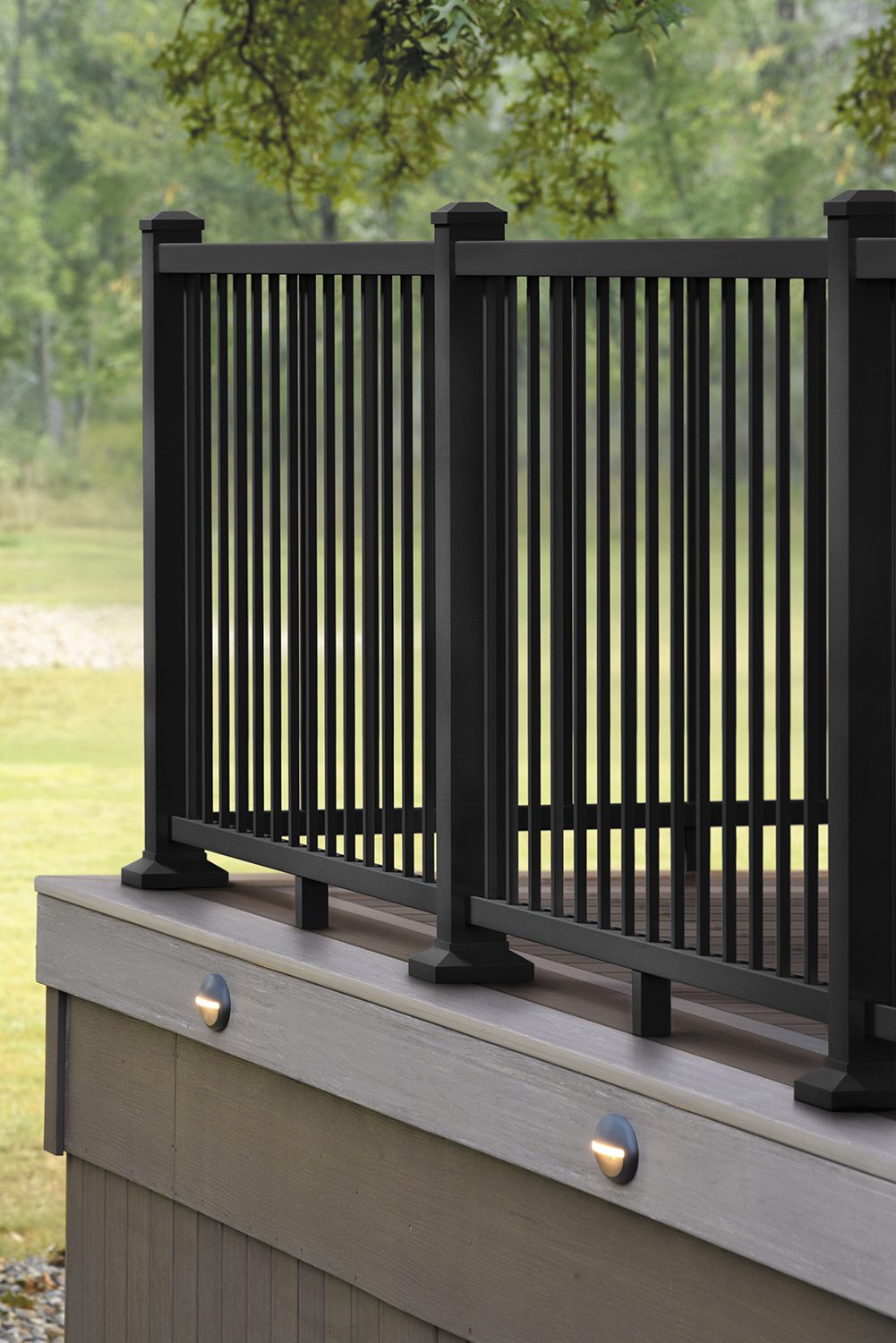
If replacement is necessary, upgrading to modern aluminum or cable railing systems and durable decking materials can improve both safety and long-term performance.
3. Sagging or Uneven Deck Boards
A deck surface that feels uneven, bouncy, or sagging may indicate structural problems underneath.
Potential causes include:
- Failing joists
- Undersized framing
- Water damage
- Shifting footings
- Structural overload
Pay close attention to:
- Soft spots
- Dips in the deck surface
- Areas that bounce excessively when walked on
- Cracked or split boards
A professional inspector can determine whether the issue is cosmetic or structural.
4. Rusted or Corroded Fasteners
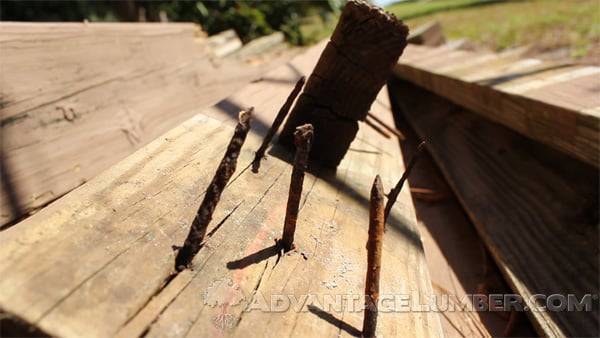
Your deck is only as strong as the hardware holding it together. Over time, screws, bolts, joist hangers, and structural connectors can corrode due to moisture exposure. This is especially common on:
- Older pressure-treated wood decks
- Pool decks
- Coastal decks
- Waterfront decks
- Poorly ventilated decks
Corroded hardware weakens structural connections and can eventually lead to framing failure. Watch for:
- Rust streaks
- Flaking metal
- Missing connectors
- Loose bolts
- Fasteners pulling away from framing
Modern deck framing repairs often include upgrading to corrosion-resistant fasteners and connectors. Many homeowners also use this opportunity to upgrade old decking materials to hardwood deck boards, low-maintenance composite decking or PVC decking for longer-lasting performance.
5. Cracks in Posts, Joists, or Beams
Small surface checks are normal in wood decking and framing. However, large cracks or splits in structural components may signal serious problems.
Call a professional inspector if you notice:
- Deep splits in support posts
- Cracked beams
- Splitting near bolts or fasteners
- Twisting or warping framing members
Structural cracks can reduce load capacity and lead to failure over time.
6. Loose or Improper Ledger Board Connections
The ledger board is one of the most important structural components of an attached deck because it secures the deck to the house. Improper ledger attachment is also one of the leading causes of deck collapses.
Warning signs of ledger problems include:
- Visible gaps between the deck and house
- Missing or corroded bolts and fasteners
- Water damage or rot around the ledger
- Missing flashing
- Movement where the deck connects to the home
Many ledger problems develop behind the deck and are difficult to see without a professional inspection. If structural repairs are needed, rebuilding with modern framing materials, corrosion-resistant fasteners, and longer-lasting decking products can help improve both safety and long-term performance.
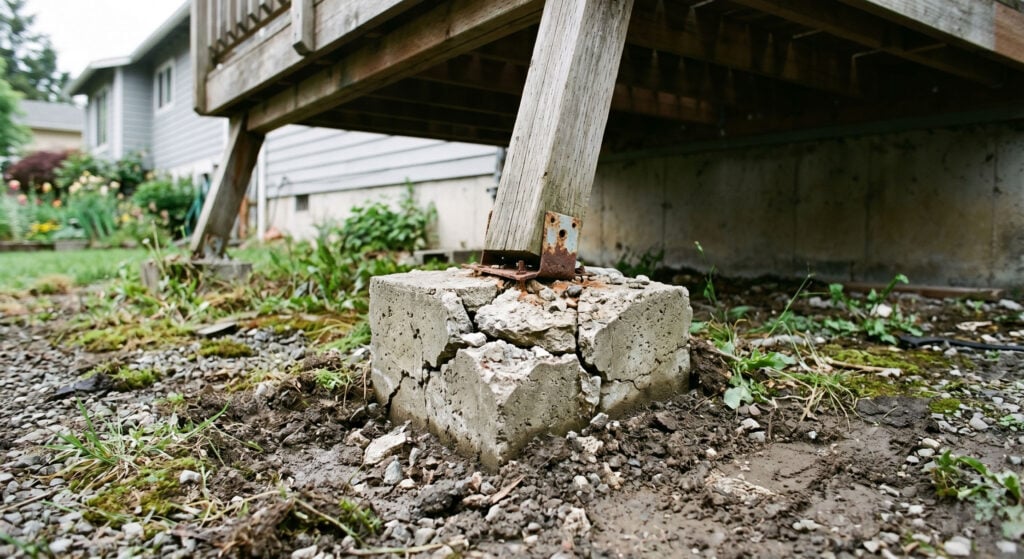
7. Shifting, Sinking, or Leaning Deck Supports
Deck footings and support posts should remain stable over time.
Signs of movement may indicate:
- Soil erosion
- Frost heave
- Improper footing depth
- Water damage
- Structural settlement
Watch for:
- Leaning posts
- Tilted stairs
- Uneven deck surfaces
- Cracked concrete footings
- Gaps between framing connections
Structural movement can worsen quickly if ignored.
8. Excessive Mold, Mildew, or Moisture Buildup
Persistent moisture problems can accelerate deck deterioration. Mold and mildew are often signs that water is not draining properly or that airflow beneath the deck is restricted.
Common problem areas include:
- Under planters
- Around stairs
- Between deck boards
- Under low-clearance decks
Moisture buildup can eventually lead to rot, fastener corrosion, and structural weakening.
9. Your Deck Was Built Before Modern Building Codes
Older decks may not meet current safety standards. Building codes have changed significantly over the years regarding:
- Ledger attachment
- Railing height
- Stair safety
- Joist sizing
- Fastener requirements
- Lateral load connections
If your deck is more than 15 – 20 years old and has never been professionally inspected, scheduling an inspection is a smart precaution.
10. You Are Planning Major Upgrades or Added Weight
Before adding heavy features like:
- Hot tubs
- Outdoor kitchens
- Pergolas
- Fireplaces
- Large planters
- Roof structures
Have the deck professionally evaluated. Many older decks were not designed to handle significant additional weight. A structural inspection can determine whether reinforcement is needed before upgrades are installed.
What a Professional Deck Inspector Looks For
A professional deck inspection may include:
- Structural framing evaluation
- Ledger board inspection
- Fastener and connector checks
- Stair and railing safety
- Footing stability
- Moisture and rot detection
- Code compliance review
- Load capacity concerns
Some inspectors may also recommend repairs, reinforcements, or replacement if safety concerns are found.
How Often Should You Have a Deck Professionally Inspected?
As a general rule:
- Inspect your deck visually at least twice per year
- Schedule professional inspections every few years for older decks
- Have elevated or aging decks inspected more frequently
- Schedule inspections immediately after severe storms or visible damage
The North American Deck and Railing Association (NADRA) recommends regular deck safety checks to help identify hazards before they become serious.
How to Prevent Future Deck Problems
Routine maintenance and periodic inspections are the best ways to extend the life of your deck. If your deck already has significant structural damage, repairs may only be a temporary solution. In many cases, rebuilding with longer-lasting materials can reduce future maintenance and improve overall safety.
Popular low-maintenance upgrade options include:
- Naturally durable hardwood decking
- PVC decking for moisture resistance
- Composite decking for reduced maintenance
- Corrosion-resistant fasteners
- Modern aluminum railing systems
Final Thoughts
A deck inspection may not seem urgent until something fails. Loose railings, rotting wood, sagging framing, corroded fasteners, and shifting supports are all warning signs that your deck could have hidden structural issues. If you notice any of these red flags, do not ignore them. Calling a professional deck inspector can help identify safety hazards early, protect your investment, and give you peace of mind before spending more time outdoors this season.
Planning to Repair or Upgrade Your Deck?
Visit AdvantageLumber.com to explore high-performance hardwood decking, composite decking, PVC decking, deck framing materials, and deck safety resources. Our team can help you choose durable materials built for long-term outdoor performance.
