

May is National Deck Safety Month, the perfect time for homeowners to inspect their decks before the busy summer season kicks off. With millions of decks across the U.S. aging and many past their prime, a simple annual check can prevent serious accidents, injuries, or even collapses.
At Advantage Lumber, we specialize in high-quality, durable decking materials like pressure-treated lumber, hardwoods, and composites designed to stand up to the elements. But even the best materials need proper maintenance and inspection.
Here are the top 10 warning signs that your deck may be unsafe—check these at the start of deck season.
1. Rotted or Soft Wood
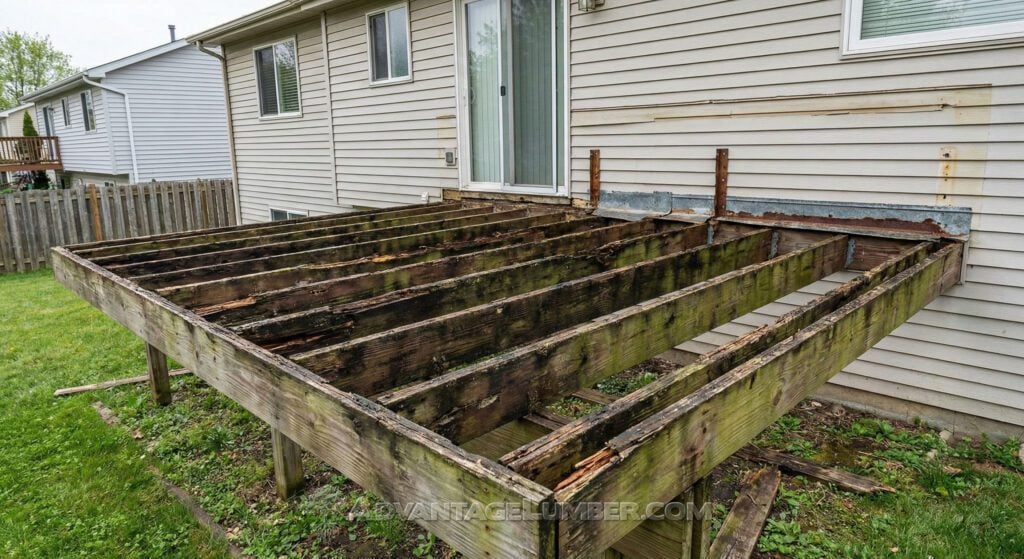
Probe posts, joists, beams, stringers, and deck boards with a screwdriver or awl. If the wood feels soft, spongy, or easily penetrates, rot is present. Look for discoloration, cracking, or crumbling, especially where wood contacts the ground, concrete, or the house. Moisture is the #1 enemy—address it quickly to prevent structural failure. You can also use a moisture meter and probe different sections of your deck components.
2. Loose, Missing, or Rusted Fasteners and Connectors
Nails popping up, screws backing out, or rusted/corroded joist hangers, post caps, and brackets signal trouble. Older decks often rely on simple nails instead of modern code-approved connectors. Inspect underneath the deck and replace any compromised hardware immediately—corrosion weakens connections over time.
3. Wobbly or Loose Railings
Push and pull on railings and balusters. If they move more than 1-2 inches or feel unstable, they’re a major fall hazard (especially for children and elderly family members). Check connections to posts and the deck frame. Balusters should have no more than 4 inches between them to prevent head entrapment.
4. Cracked, Split, or Warped Boards and Beams
Look for large cracks (especially around fasteners), splits in posts/beams, or boards that bow, cup, or sag. These indicate overloading, moisture damage, or age-related weakening. Minor surface checking is normal in wood, but structural cracks demand attention.
5. Ledger Board Issues
The ledger (the board attaching the deck to your house) is a common failure point. Check for gaps between the ledger and house, improper flashing (allowing water behind it), or signs of rot/separation. Many older decks were nailed rather than properly bolted— this is a red flag for potential collapse.
6. Sagging, Uneven, or Bouncy Deck Surface
Walk across the entire deck. Does it feel spongy, bounce, or slope noticeably? This often points to weakened joists, inadequate footings, or settling supports. Uneven surfaces create trip hazards and signal deeper structural problems.
7. Problems with Stairs and Stringers
Stairs take heavy wear. Inspect for cracked stringers, loose steps, unstable handrails, or risers/treads that don’t meet code (typically 7-11 inch rise/run). Wobbly stairs are one of the most common injury spots on decks.
8. Unstable or Inadequate Footings and Posts
Check if posts are shifting, footings are cracked/heaved, or posts sit directly on (or too close to) the ground without proper elevation and anchors. In freeze thaw climates, footings must be below the frost line. Settling or heaving makes the whole structure unstable.
9. Missing or Improper Flashing and Drainage
Water pooling on the deck or trapped against the house leads to rot. Ensure proper flashing at the ledger and house connection, and that the deck slopes slightly away from the house for drainage. Debris buildup under the deck also traps moisture.
10. General Age and Lack of Maintenance
If your deck is 10–15+ years old and hasn’t been inspected recently, it’s time for a thorough check (or professional evaluation). Half of all U.S. decks are estimated to need repair or replacement.
Pro Tip: Perform this inspection with two people one on top and one underneath for a full view. Use a flashlight, screwdriver, and level. Wear gloves and eye protection.
What to Do If You Find Issues
- Minor problems — Tighten fasteners, replace a few boards, or apply a fresh sealer.
- Major concerns — Stop using the deck and consult a professional deck inspector or builder. NADRA (North American Deck and Railing Association) offers resources and inspector directories.
At Advantage Lumber, we carry premium durable hardwoods (like Ipe and Cumaru), and low maintenance composites that resist rot, insects, and weathering better than standard materials. Upgrading to modern, code compliant components during repairs can give your deck new life.
Don’t wait for an accident make Deck Safety Month your cue to inspect! A safe deck means more worry free barbecues, sunsets, and family memories this season.
Have questions about materials or need help choosing the right lumber for repairs or a full rebuild? Contact the experts at AdvantageLumber.com today. Stay safe out there!
