
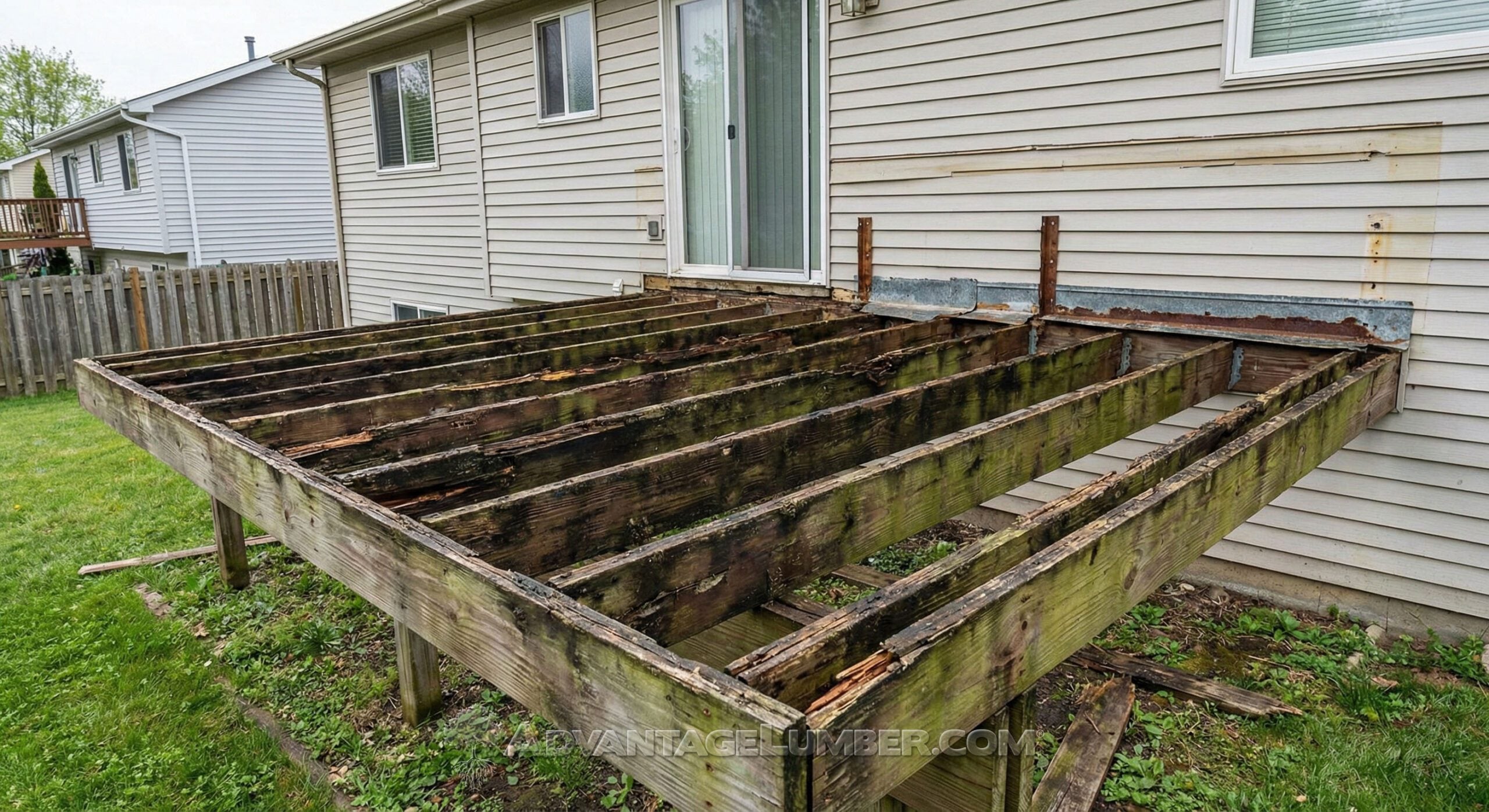
May is Deck Safety Month, making it the ideal time to inspect your deck and ensure everything is safe, sound, and ready for the season ahead. While most homeowners focus on the surface, the deck frame is what truly supports everything. If that structure begins to fail, the entire deck can become a safety hazard.
In this guide, we will walk through how to inspect your deck frame for rot and structural issues, what warning signs to look for, and how to prevent problems before they start.
Why Deck Frame Inspections Matter
Your deck frame is constantly exposed to moisture, temperature changes, and fastener stress. Over time, these conditions can lead to:
- Wood rot and decay
- Structural weakening
- Loose connections
- Potential deck collapse
According to the North American Deck and Railing Association (NADRA), regular inspections are one of the most effective ways to prevent deck failures.
What to Check When Inspecting Your Deck Frame
1. Ledger Board (Most Critical Area)
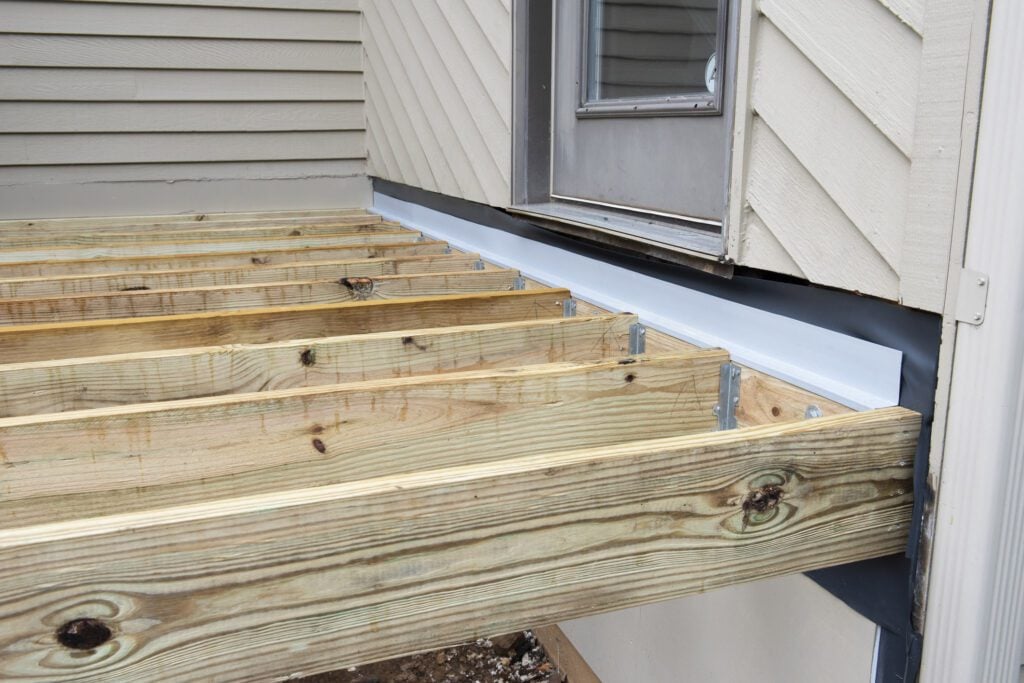
The ledger board attaches your deck to your home and is one of the most common points of failure.
Look for:
- Soft or crumbling wood
- Signs of water intrusion where the deck meets the house
- Loose or corroded fasteners
Pro Tip: Use a screwdriver or ice pick. If it easily penetrates ¼ to ½ inch, the wood may be rotting.
2. Footings and Support Posts
Your deck is only as strong as what it stands on.
Inspect for:
- Posts that are cracked, split, or leaning
- Signs of rot where posts meet the ground
- Shifting or sinking footings
Pay close attention to ground contact areas, as these stay damp longer and are more prone to decay.
3. Joists and Beams
These structural members carry the load of your deck.
Check for:
- Sagging or bowing
- Splitting or cracking wood
- Soft spots, especially near fasteners
Focus on areas where water can sit or collect, such as between joists or around hardware.
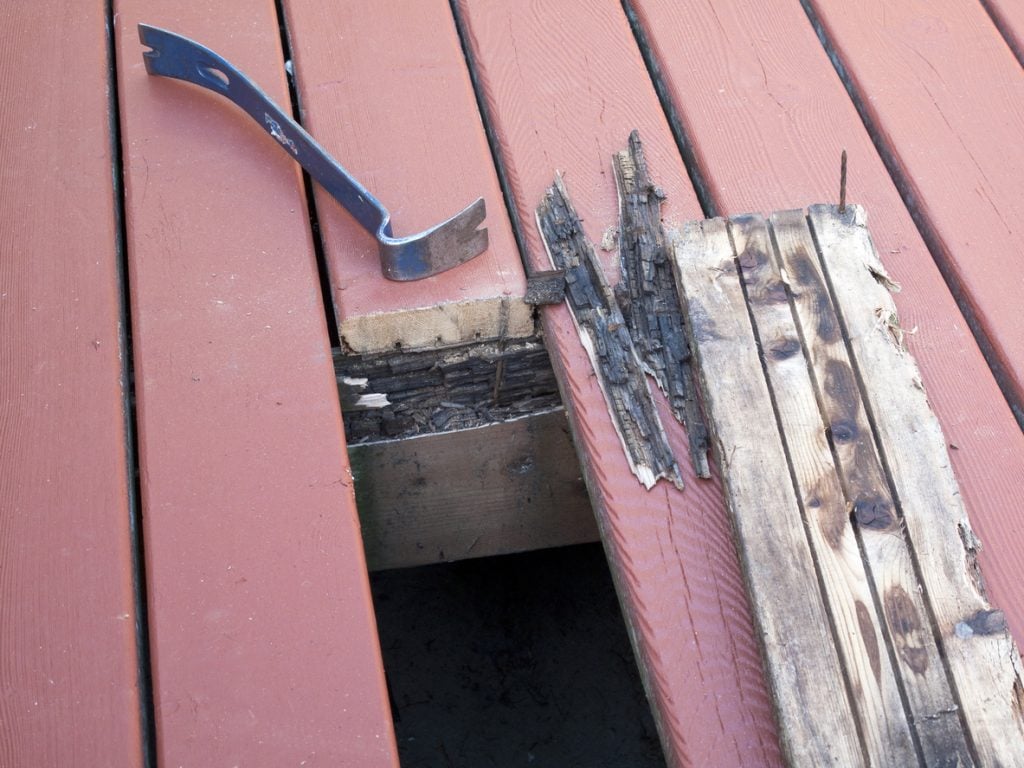
4. Decking Boards (Surface-Level Clues)
While not part of the frame itself, decking boards can reveal underlying issues.
Watch for:
- Spongy or soft boards
- Discoloration or mold
- Loose or lifting boards
These can indicate moisture problems affecting the structure below.
How to Test for Rot
NADRA recommends a simple field test:
- Probe the wood with a screwdriver or pick
- If the tool easily sinks in or the wood feels soft and spongy, rot is likely present
- Breaking off a splinter-free piece of wood is another warning sign
Also, check for small holes, which may indicate insect damage.
High-Risk Areas to Pay Attention To
Certain parts of your deck are more vulnerable to rot:
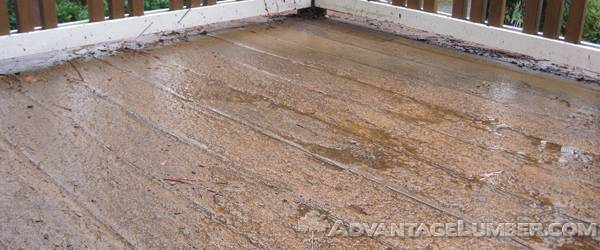
- Areas that stay damp or shaded
- Spots where water pools or drains slowly
- Around fasteners and connectors
- Where wood meets concrete or soil
These are the first places problems typically develop.
How to Prevent Deck Rot and Structural Failure
A thorough inspection is only half the equation. Choosing the right materials and building practices can significantly extend the life of your deck.
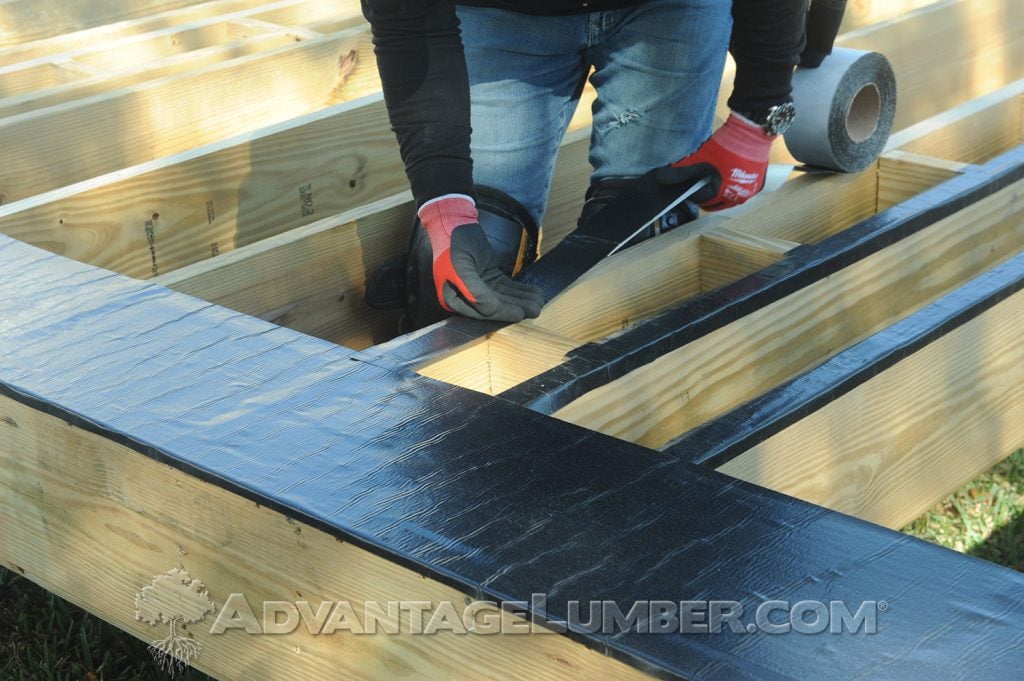
Use Joist Tape and Ledger Tape
Applying deck joist tape creates a protective barrier that prevents water from penetrating the wood.
Benefits include:
- Reduced moisture intrusion
- Longer lifespan for joists and ledger boards
- Added protection around fasteners
Choose the Right Fasteners
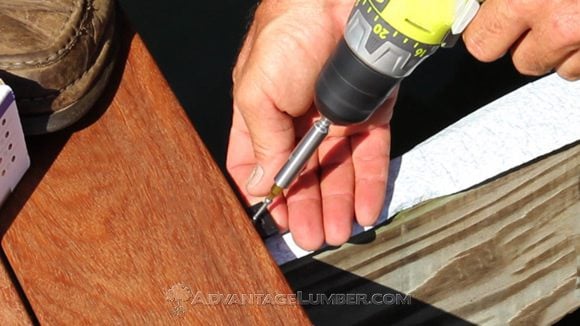
Fasteners are a common entry point for moisture.
We recommend:
- Stainless steel screws for maximum corrosion resistance
- Hidden fastening systems to reduce surface penetration
- Avoiding low-quality or coated fasteners that can fail over time
High Quality Deck Boards
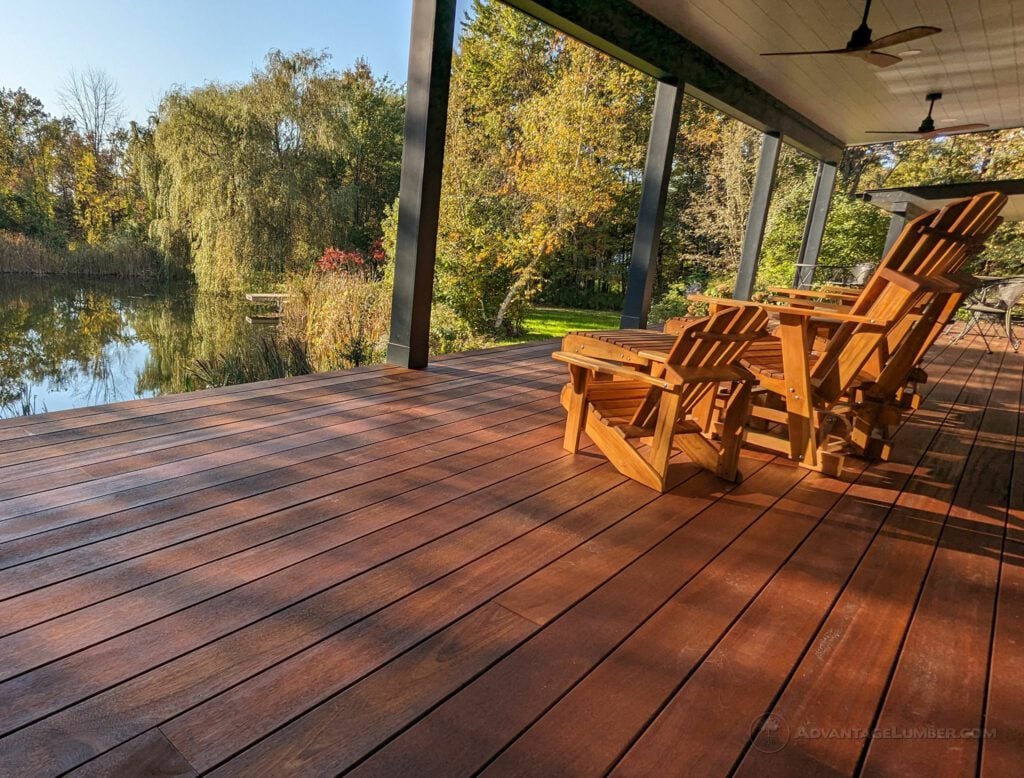
The type of decking you use plays a major role in moisture management.
Consider:
- Tropical hardwoods (like Ipe, Cumaru, and Teak) for natural rot resistance
- Composite decking for low maintenance
- PVC decking for maximum moisture resistance
These materials help reduce water exposure to the underlying frame.
Consider Aluminum or Steel Framing
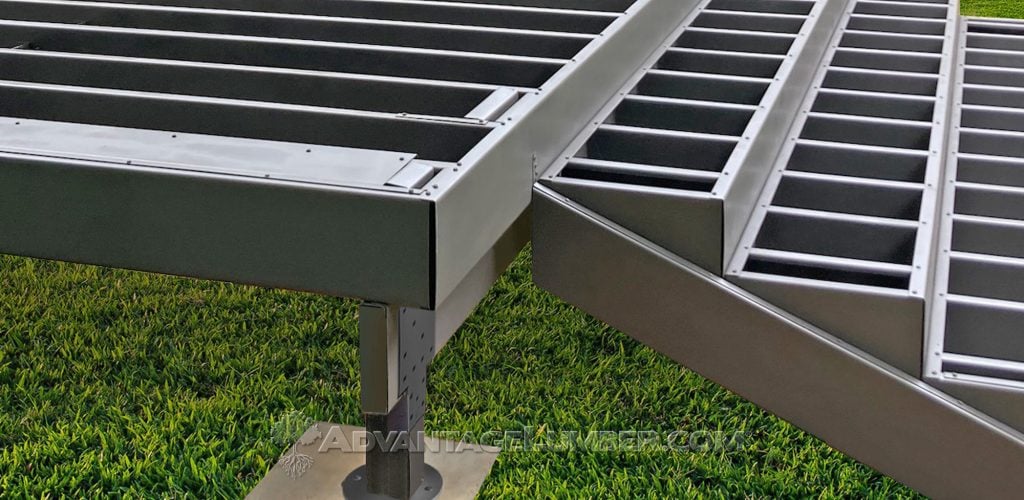
For the ultimate in durability, upgrading from wood framing to aluminum or steel deck framing can virtually eliminate rot concerns.
Advantages:
- Will not rot, warp, or crack
- Resistant to insects and moisture
- Long-term structural reliability
When to Repair or Replace Your Deck Frame
If your inspection reveals any of the following, it may be time for repairs or replacement:
- Deep or widespread rot
- Structural sagging or instability
- Loose ledger board connections
- Significant insect damage
When in doubt, consult a professional. Structural issues should never be ignored.
Final Thoughts
Inspecting your deck frame is one of the most important steps you can take to ensure long-term safety and performance. By focusing on high-risk areas like the ledger board, joists, and posts—and by using high-quality materials—you can prevent costly repairs and extend the life of your deck.
If you are planning a new deck or upgrading an existing one, AdvantageLumber.com offers premium decking materials, fasteners, and framing solutions designed to resist rot and stand the test of time.
Get Started
Explore our selection of:
- Tropical hardwood decking
- Composite and PVC decking
- Hidden fasteners and stainless steel screws
- Deck joist tape and framing solutions
Or contact our team for expert guidance and samples to help you choose the best materials for your project.
