
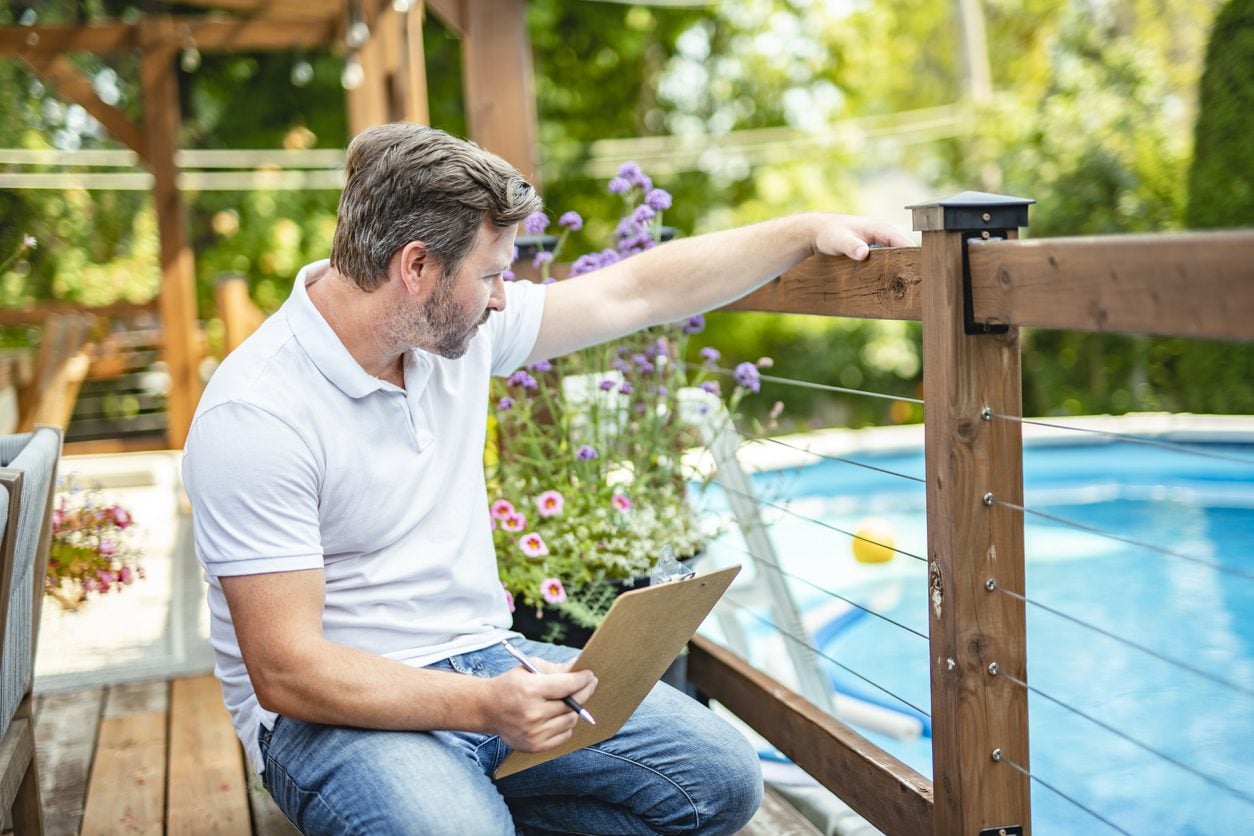
Your deck is an extension of your home—a place for family gatherings, barbecues, and quiet evenings under the stars. But over time, exposure to weather, foot traffic, and natural wear can turn a relaxing outdoor space into a hidden hazard.
According to safety organizations like NADRA (North American Deck and Railing Association), regular inspections are essential, as many decks (especially those over 10–20 years old) may have issues that could lead to collapses or injuries if left unchecked.
At Advantage Lumber, we believe in building decks that last with premium, durable materials like our exotic hardwoods (Ipe, Cumaru, Tigerwood, and more). This step-by-step checklist empowers you to inspect your deck safely and confidently. Perform this check annually, ideally in spring before peak season.
Step 1: Prepare for Your Inspection
- Gather tools: Screwdriver or ice pick (for probing wood), moisture meter, flashlight, hammer, level, and notepad.
- Clear the deck of furniture, grills, and debris.
- Inspect from both above and below (if accessible). For elevated decks or if you’re unsure, hire a professional deck inspector or builder.
Step 2: Check for Split or Decaying Wood
Start with the structural elements—the most critical part of deck safety.
- Probe the ledger board (where the deck attaches to the house), support posts, joists, beams, deck boards, railings, and stairs.
- Look for soft, spongy wood, discoloration, cracking, or small holes (signs of insects). Use a screwdriver to test—if it penetrates easily more than ¼–½ inch or the wood breaks without splintering, decay is likely.
- Pay extra attention to areas that stay damp or contact fasteners.
Action: Replace damaged wood promptly. Premium hardwood decking from Advantage Lumber offers superior natural resistance to rot, insects, and decay compared to traditional options, extending your deck’s lifespan significantly.
Step 3: Inspect Flashing and Ledger Board Connection
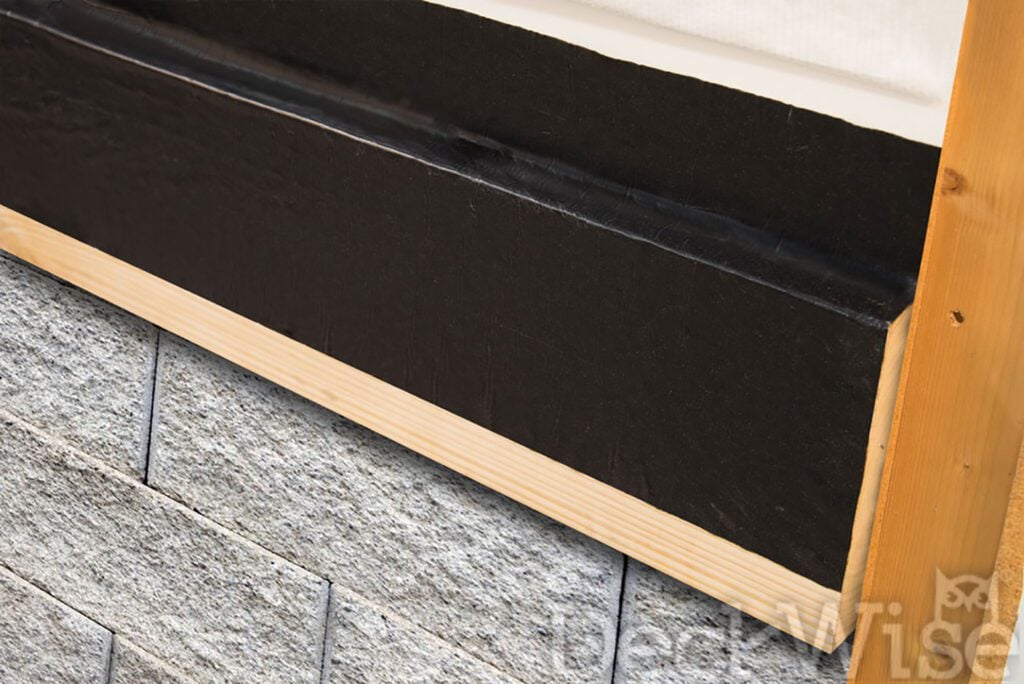
The ledger is a leading cause of deck failures.
- Ensure metal or plastic flashing directs water away from the house-deck junction. Check for gaps, water stains, or debris buildup.
- Test for movement: Step onto the deck firmly—it should feel solid with no sway or separation from the house.
Action: Add or repair flashing if needed. Consult a pro for any ledger concerns, as improper attachment can be catastrophic.
Step 4: Examine Support Structure (Posts, Beams, Joists, and Footings)
- Check concrete footings for cracks or shifting.
- Ensure posts are plumb, elevated above ground (to avoid moisture), and securely anchored.
- Look at beams and joists for sagging, cracks, or loose connections.
- Inspect joist hangers and hardware for rust.
Action: Tighten or replace corroded fasteners. Reinforce as necessary.
Step 5: Evaluate Deck Boards and Surface
- Walk the entire surface: Look for loose, warped, splintered, or cupped boards. Check for popped fasteners.
- Feel for spongy spots or excessive bounce.
Action: Secure or replace boards. Clean thoroughly to remove mildew or algae, which create slippery surfaces. Our dense hardwoods maintain structural integrity and beauty longer, reducing frequent replacements.
Step 6: Test Railings, Balusters, and Stairs
Railings prevent falls—especially important for children and elevated decks.
- Push firmly on railings (they should withstand significant lateral force). Ensure height meets code (typically 36–42 inches).
- Check balusters: Spacing should be no more than 4 inches (nothing larger than a 4-inch sphere should pass through).
- For stairs: Verify treads and risers are secure, level, and free of rot. Handrails must be sturdy. Open risers should not exceed 4 inches.
Action: Tighten all connections and replace damaged parts.
Step 7: Inspect Fasteners and Hardware
- Scan all nails, screws, bolts, and metal connectors for rust, corrosion, or loosening.
Action: Replace rusted items with appropriate corrosion-resistant fasteners, especially important in coastal or humid areas. High-quality hardwoods pair best with stainless steel fasteners for longevity.
Step 8: Address Cleaning, Maintenance, and Environmental Factors
- Remove leaves, debris, and mildew (power wash if needed, then reapply sealant for softwood decks or Ipe oil for hardwood decks).
- Check lighting: Ensure pathways and stairs are well-lit.
- Review fire safety: Keep grills, fire pits, and heaters on non-flammable pads, away from railings and from the home itself (many homes catch on fire from grills placed too close to the siding.
- Trim overhanging trees and secure furniture/storage.
Pro Tip: For wood decks, annual cleaning and sealing (or oiling for hardwoods) prevents many issues.
Step 9: Consider Upgrades for Long-Term Safety
If your deck shows significant wear, upgrading to durable materials can transform it. Advantage Lumber’s exotic hardwood decking is naturally strong, beautiful, and sustainable—offering decades of low-maintenance performance while enhancing curb appeal and home value.
When to Call a Professional
DIY checks are a great start, but for decks over 10 years old, elevated more than a few feet, or showing structural concerns, hire a qualified inspector or NADRA-affiliated deck builder. They can assess code compliance and hidden issues.
Final Thoughts: Safety First for Years of Enjoyment
A few hours of inspection each year can prevent accidents, save money on repairs, and give you peace of mind. Your deck should be a safe haven, not a worry.
Ready to build or refresh your deck with premium materials? Explore our selection of Ipe, Cumaru, Tigerwood, and other hardwoods at AdvantageLumber.com. We ship direct and stand behind products built for lasting beauty and strength.
Stay safe and enjoy your outdoor space this season—and every season!
Sources include guidelines from NADRA and industry best practices. Always check local building codes.
