
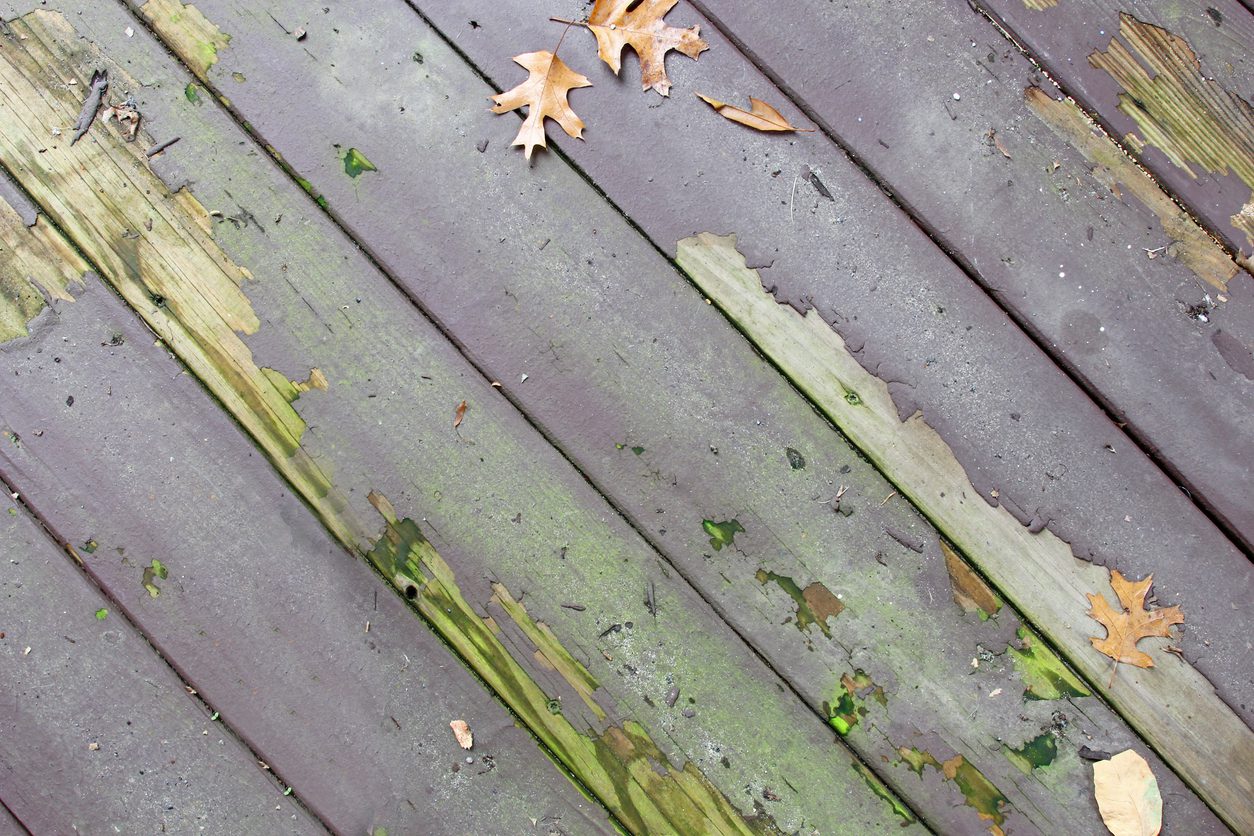
May is the perfect time to get your deck ready for the season and to take a closer look at its safety.
Many homeowners assume their deck is fine as long as it “looks good.” The reality is that deck failures are usually caused by hidden structural issues, not surface-level wear.
According to the North American Deck and Railing Association (NADRA), regular inspections are critical. Their Deck Safety Checklist highlights key problem areas that often go unnoticed until it is too late.
So, are old decks dangerous?
They can be – especially if they have not been properly maintained or inspected.
Let’s break down when a deck can be repaired and when it is time to replace it.
Why Old Decks Can Become Unsafe
Decks are constantly exposed to moisture, UV rays, and temperature changes. Over time, that exposure leads to structural degradation.
Structural Rot and Decay
Wood does not have to look damaged to be compromised. Rot often starts from the inside, especially in:
- Joists
- Beams
- Posts
- Ledger boards
NADRA specifically recommends checking for split or decaying wood, as this is one of the leading causes of deck failure.
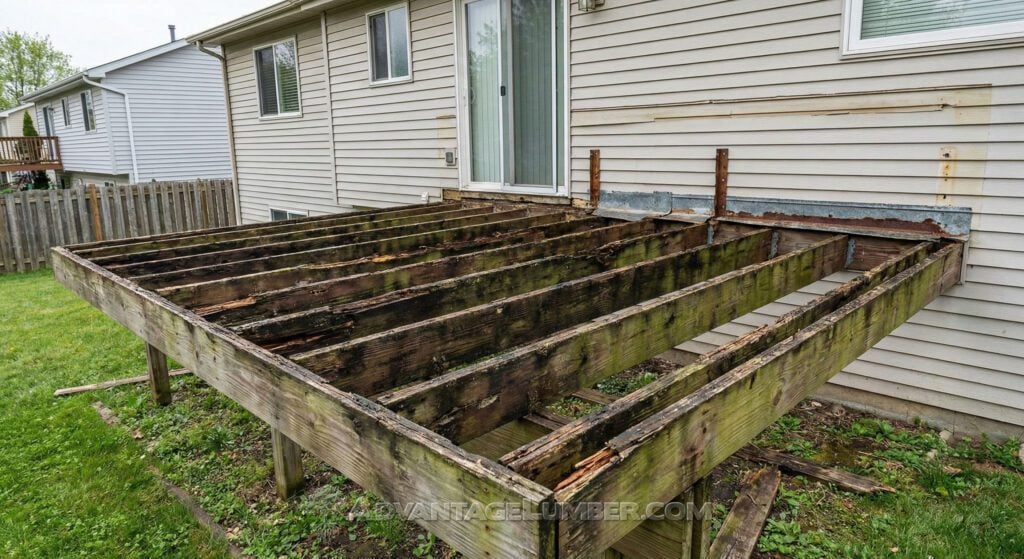
Ledger Board Failure
The ledger board connects your deck to your home. If this connection fails, the entire deck can collapse.
Common issues include:
- Missing or damaged flashing
- Water intrusion behind the ledger
- Improper fastening
This is one of the most critical areas to inspect.
Loose or Corroded Fasteners
Fasteners and connectors hold everything together. Over time, they can:
- Rust or corrode
- Loosen from repeated use
- Fail under load
NADRA identifies loose or corroded fasteners as a major safety concern especially on older decks built with outdated hardware.
Unsafe Railings and Stairs
Railings and stairs are high-use, high-risk components.
Watch for:
- Wobbly railings
- Loose balusters
- Cracked stair treads
- Unstable stringers
These issues are often repairable but they should not be ignored.
When You Can Repair a Deck
Not every aging deck needs to be replaced. If the underlying structure is still sound, repairs can extend its life significantly.
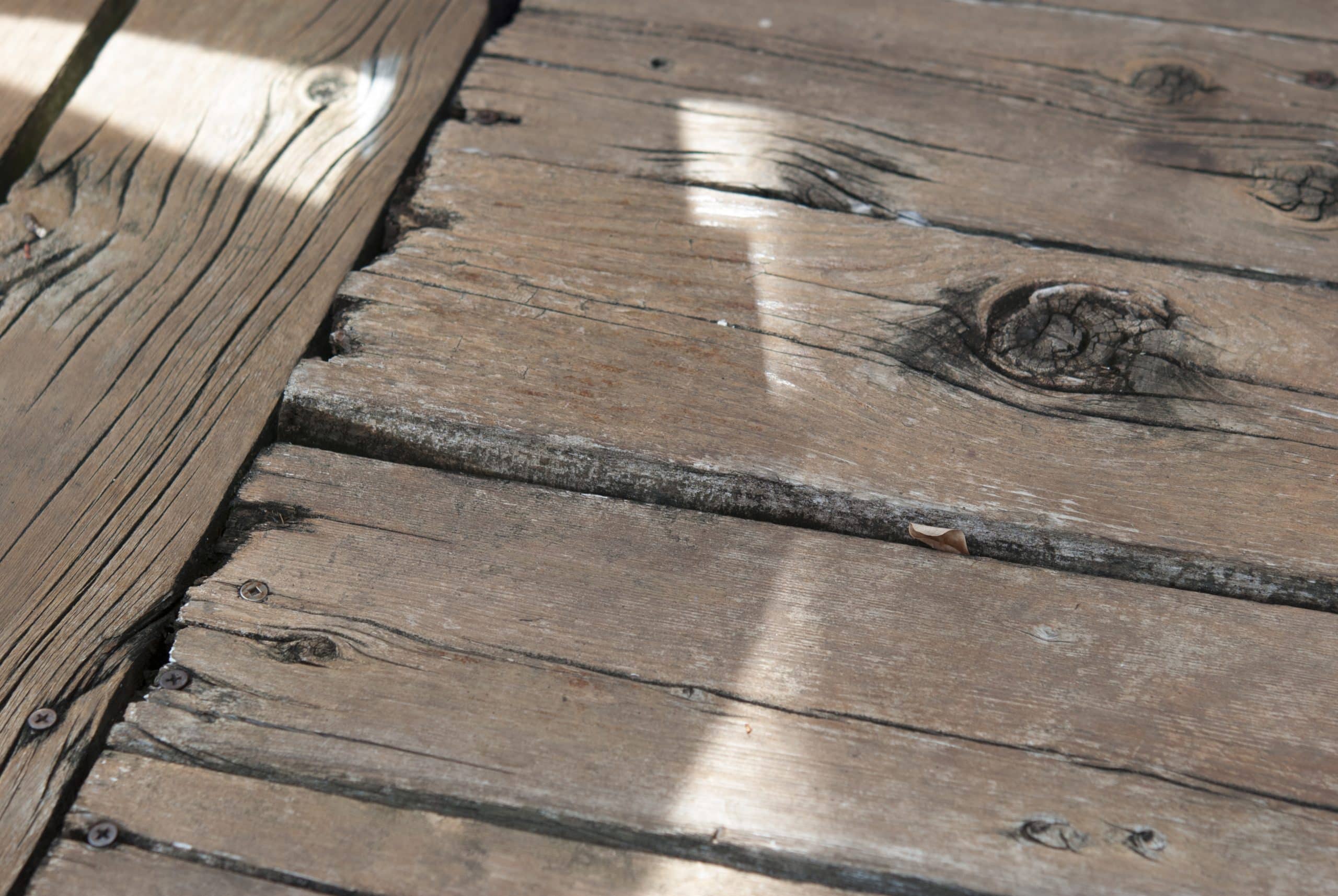
Repair is usually the right choice when:
- Deck boards are cracked, splintered, or weathered
- There are small, isolated areas of rot
- Railings or stairs are loose but structurally intact
- Fasteners or connectors need upgrading
- Flashing can be added or improved
Common repair projects:
- Replacing decking boards
- Reinforcing joists or beams
- Upgrading to modern structural hardware
- Securing railings and stairs
Key takeaway:
If the “bones” of the deck are solid, repairs are often cost-effective and safe.
When It Is Time to Replace Your Deck
In some cases, repairs are only a temporary fix and replacement is the safer long-term solution.
Signs your deck should be replaced:
- Widespread rot in joists, beams, or posts
- A compromised or failing ledger board
- Posts rotting at ground level
- Significant sagging or bouncing
- Extensive fastener corrosion
- The deck is 20-30+ years old and showing wear
If multiple structural components are failing at once, replacement is usually the smarter investment.
Repair vs. Replace: A Simple Rule of Thumb
Repair → Damage is minor and non-structural
Replace → Damage is structural or widespread
A good benchmark:
If repairs approach 50% or more of the cost of a new deck, replacement typically makes more sense.
How to Avoid Major Repairs (or Early Replacement)
The best way to deal with deck issues is to prevent them in the first place.
Start with better materials
- Naturally durable hardwoods like Ipe, Cumaru, and Teak resist rot, insects, and moisture
- High-performance decking materials require less maintenance over time
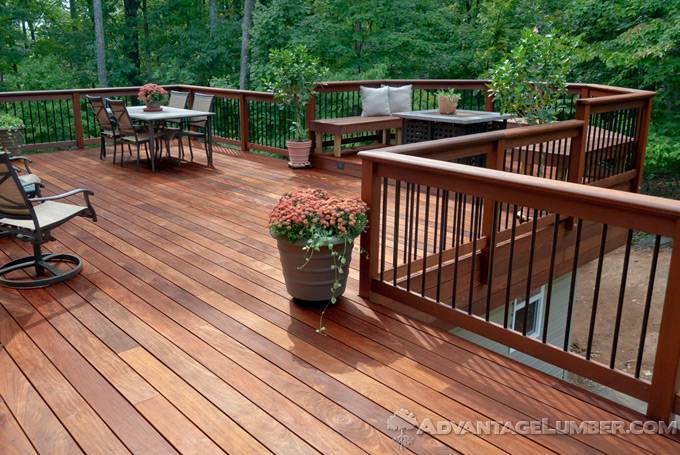
Build it right from the beginning
- Proper flashing at the ledger board
- Adequate spacing for drainage and airflow
- Corrosion-resistant fasteners and connectors
- Code-compliant framing and railing systems
Stay on top of maintenance
- Regular cleaning
- Checking surrounding trees for damage risk
- Keeping debris from trapping moisture
- Monitoring outdoor furniture placement to prevent hidden wear
A well-built, well-maintained deck can last decades without major structural issues.
The Bottom Line
Old decks are not automatically dangerous but they do require attention.
- Surface wear can usually be repaired
- Structural damage often means replacement
- Hidden issues are the biggest risk
If your deck has not been inspected in years, now is the time.
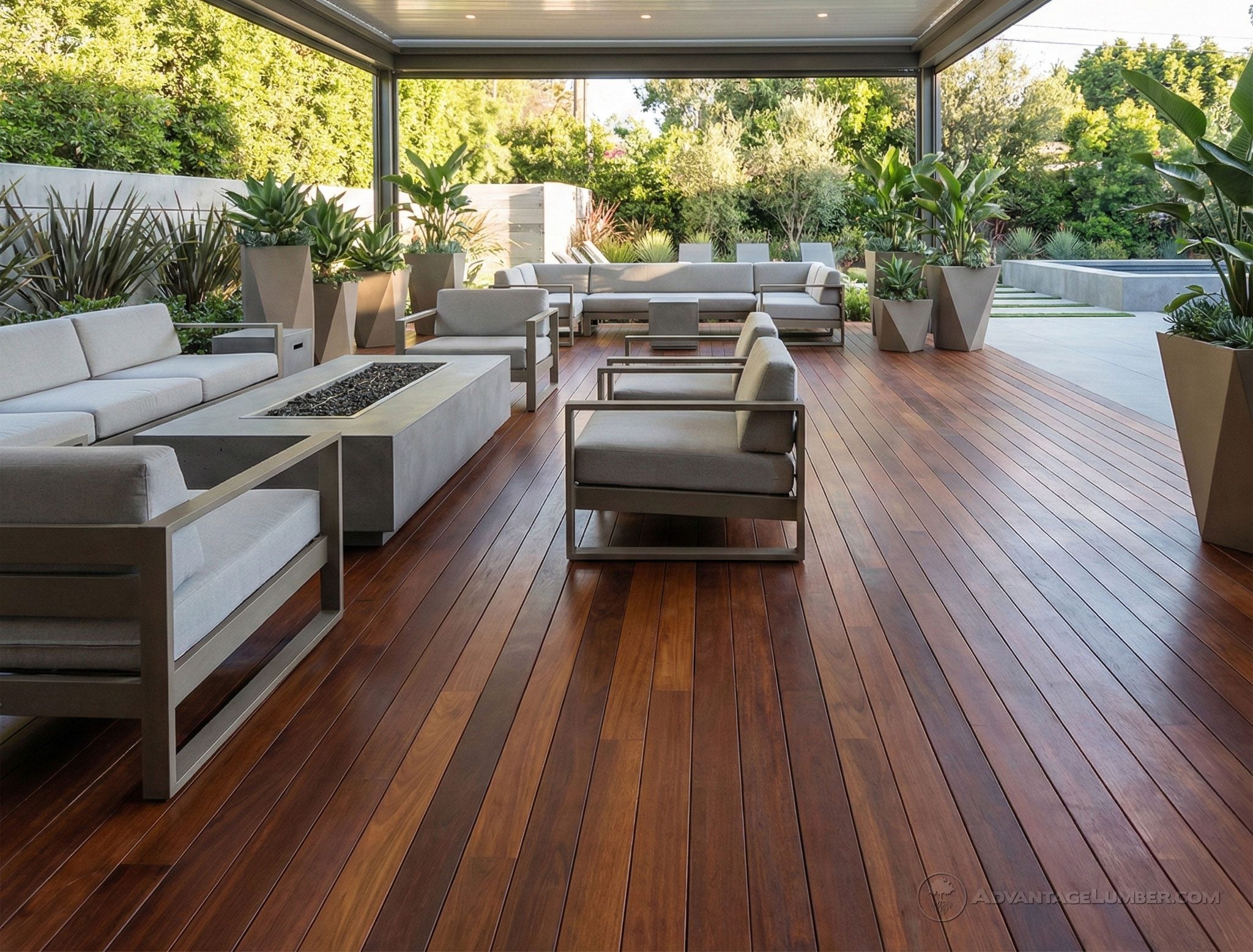
Ready to Upgrade or Rebuild Your Deck?
Whether you are repairing an existing deck or planning a full replacement, choosing the right materials makes all the difference.
Visit AdvantageLumber.com to:
- Explore high-performance decking options like Ipe, Cumaru, and Tigerwood
- Order samples to see the difference in person
- Speak with our team for expert guidance on your project
Build it right the first time and enjoy a safer, longer-lasting deck for years to come.