
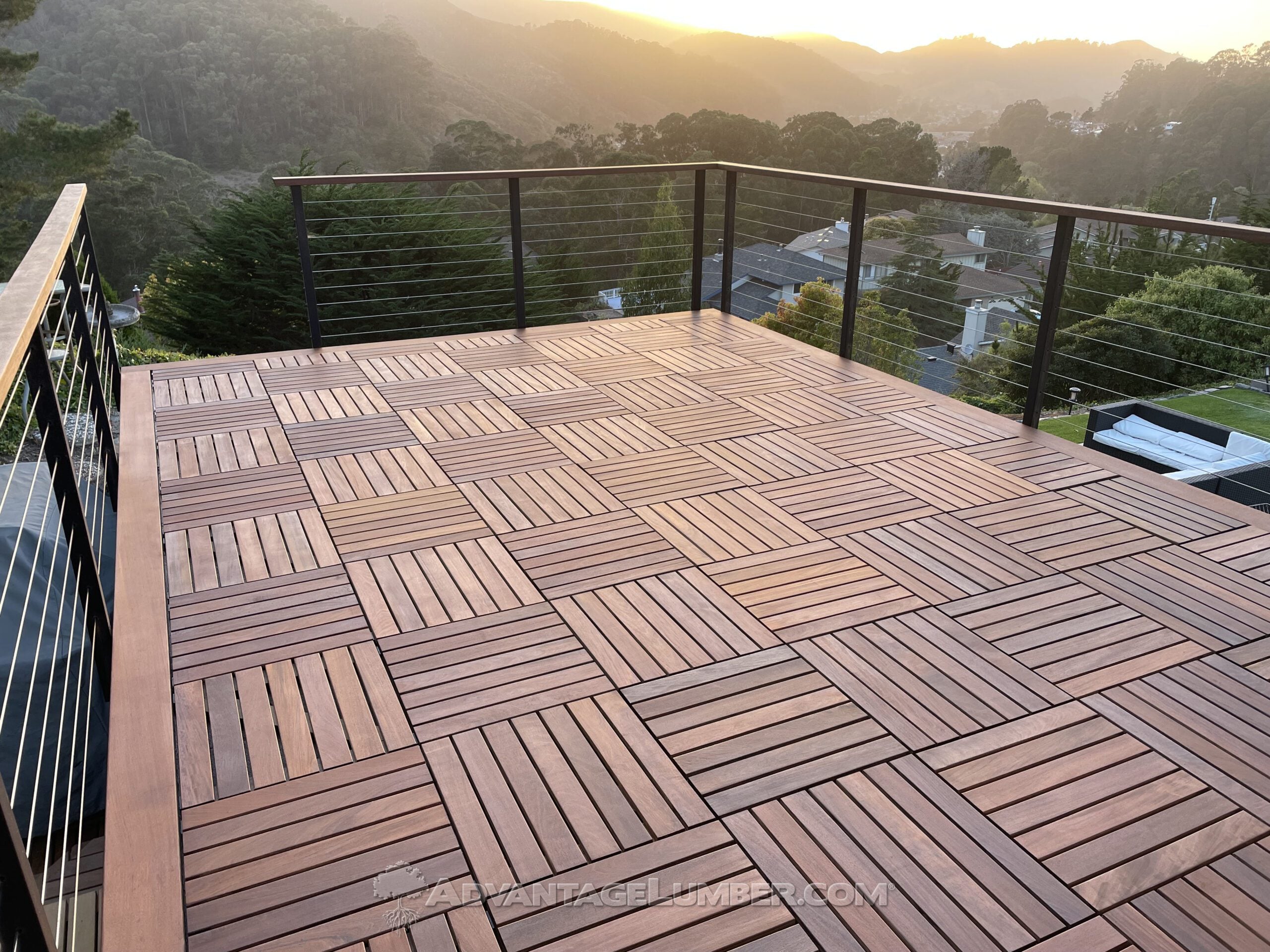
Exotic hardwood decking like Ipe, Cumaru, Tigerwood, Massaranduba, and Garapa is known for exceptional durability, long service life, and a timeless appearance. While these premium materials are an investment, there are several practical ways to reduce overall costs without sacrificing performance or aesthetics.
As demand for hardwood decking has grown, pricing has followed. However, informed material choices, thoughtful design decisions, and flexibility can make a significant difference.
Below are smart, often-overlooked strategies homeowners and builders use to get the most value from their hardwood decking projects.
1. Use Decking Shorts
Long deck boards typically carry a premium. Incorporating shorter lengths—generally between 3 and 6 feet—can lower material costs while adding visual interest to the design. Shorts are particularly well suited for balconies, picture-frame layouts, or patterns where seams are intentional rather than avoided.
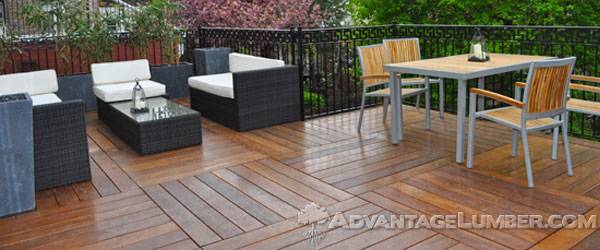
With proper planning, shorter boards can create a distinctive look while helping stretch your budget further.
2. Choose Narrow Deck Boards
Wider boards tend to cost more and can be more prone to cupping over time. Narrow boards, such as 1×4 decking, often provide better stability and a cleaner, more refined appearance compared to wider profiles.
In addition to cost savings, narrower boards allow for more consistent performance in changing weather conditions—an important consideration for long-term durability.
3. Plan Board Layouts to Minimize Waste
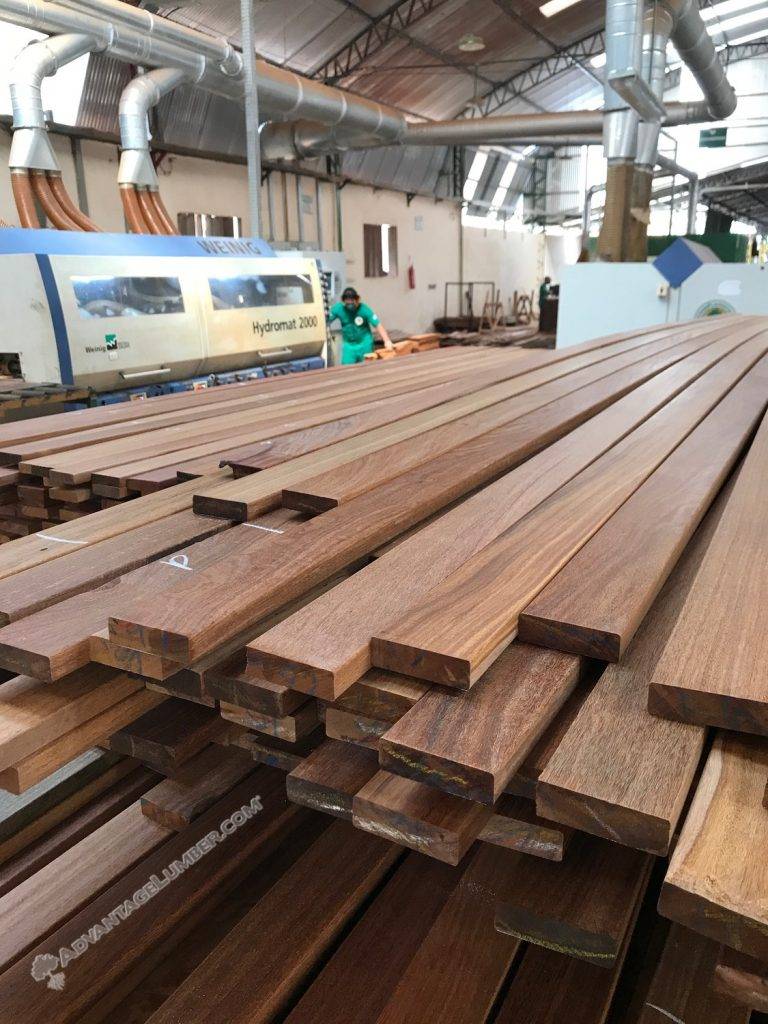
One of the easiest ways to reduce costs is by thinking through your deck layout before purchasing materials. Careful planning helps you use standard board lengths more efficiently, reducing offcuts and the need to buy extra boards.
Consider staggering joints strategically, aligning seams with joists, or combining different standard lengths (like 1×4 and 1×6) to cover odd spans. Thoughtful layouts not only save money but also result in a cleaner, more intentional look. Even small adjustments during the design phase can translate to significant material savings on a large deck.
4. Look at B-Grade Decking
B-Grade hardwood decking may include minor visual characteristics such as small knots, color variation, or irregular grain patterns. Structurally, these boards perform just as well as higher grades.
Many homeowners prefer the added character, and the reduced price makes B-Grade an excellent option for projects where natural variation is welcomed.
5. Explore Secondary Hardwood Species
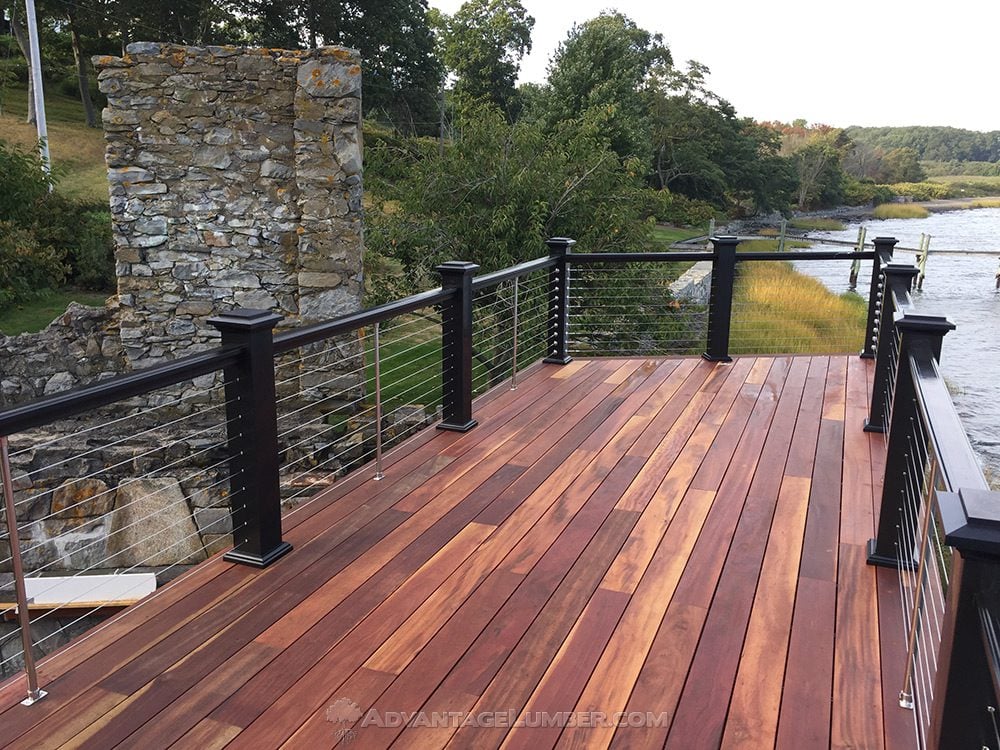
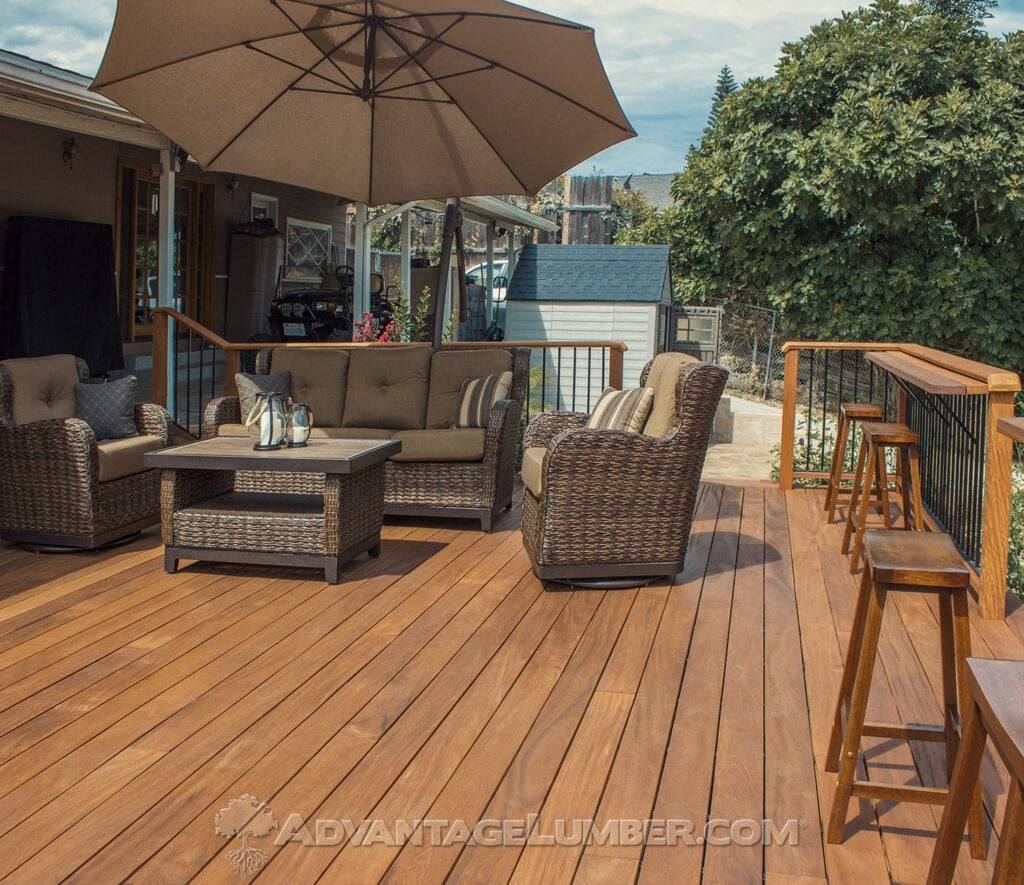
Ipe is widely recognized for its strength and longevity, but it is not the only hardwood capable of delivering top-tier performance. Species such as Cumaru, Tigerwood, Massaranduba, Mahogany (Red Balau), and Garapa have been used around the world in demanding environments for decades.
These “secondary” species are often more affordable simply because they are less heavily marketed not because they are inferior in performance or longevity. When selected properly, they provide excellent durability, natural beauty, and long service life at a lower cost.
6. Watch for Bargain Bundles and Sales
Overstocked materials, canceled orders, production overruns, or returned bundles can create opportunities for significant savings. Availability changes frequently, but these materials are often ideal for flexible projects or builders who can adapt layouts to available lengths and quantities.
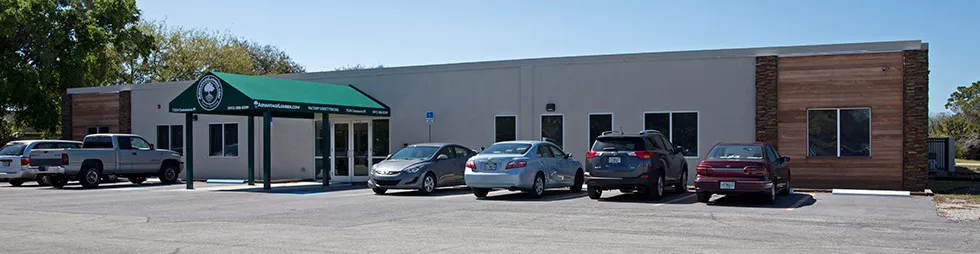
If you are located near one of our AdvantageLumber.com facilities, you may also find additional savings by visiting in person. Our locations in Buffalo, NY; Grover, NC; Sarasota, FL; and Santa Fe Springs, CA often have clearance materials available. These sections may include limited-quantity bundles, discontinued sizes, or one-off specials that are ideal for flexible projects or smaller builds. Availability varies by location, so stopping in can be a great way to uncover unique hardwood decking opportunities at reduced pricing.
7. Be Flexible With Design and Layout
Deck designs that require uniform lengths and tight tolerances tend to cost more. Allowing flexibility in board length, layout patterns, or spacing can open the door to more cost-effective material options.
Thoughtful design adjustments can often reduce waste and material costs without changing the overall look or function of the deck.
8. Use Hardwood Deck Tiles
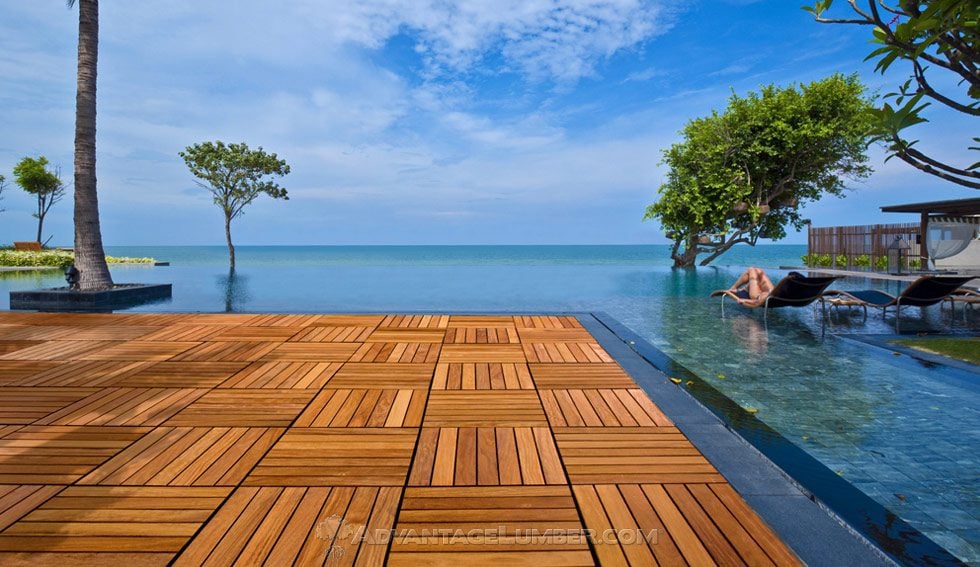
For patios, rooftops, balconies, or covered concrete surfaces, hardwood deck tiles can significantly reduce labor and framing costs. These modular tiles install quickly, require no traditional substructure, and can be removed or relocated if needed. They are especially cost-effective for areas where building a full deck frame is impractical or unnecessary.
9. Buy in Volume When Possible
Large projects may qualify for better pricing when materials are purchased in higher quantities. Whether for residential developments, commercial spaces, or large custom decks, buying in volume can reduce per-board costs and shipping expenses.
10. Consider Metric Thickness Options
Between the standard U.S. deck board thicknesses of 3/4 inch (19 mm) and 1 inch (25 mm) lies a commonly used European standard of 21 mm, which finishes at approximately 0.83 inches thick.
At AdvantageLumber.com, this size is commonly referred to as 1×6 Plus®. It offers a practical middle ground providing added stiffness and stability compared to thinner 3/4-inch boards, while remaining more cost-effective than full 1-inch decking.
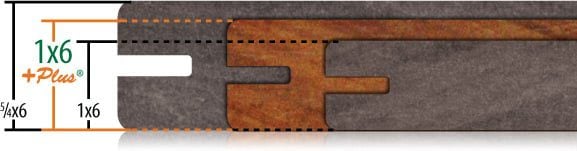
Installation methods remain the same, and this thickness performs well in a wide range of residential and commercial decking applications where durability and value are both priorities.
11. Plan for Long-Term Value, Not Just Upfront Cost
Hardwood decking lasts significantly longer than many alternative materials. Choosing species with proven durability can reduce long-term maintenance, replacement, and repair costs often making hardwood the more economical option over time.
12. Stay Informed on Specials and New Offerings
Material availability, special buys, and limited-run products change regularly. Staying connected ensures you are aware of opportunities to save when they arise. Sign up for our newsletter to stay up to date on our sales and follow us on social media to see when new products arrive at our mills.


Making the Most of Your Hardwood Decking Investment
Saving money on hardwood decking is less about cutting corners and more about making informed decisions early in the planning process. By understanding grading, sizing, species options, and design flexibility, you can build a deck that delivers exceptional performance and lasting value without overspending.
If you would like help selecting the most cost-effective hardwood decking options for your project, the AdvantageLumber.com team is always available to provide guidance and pricing support.