
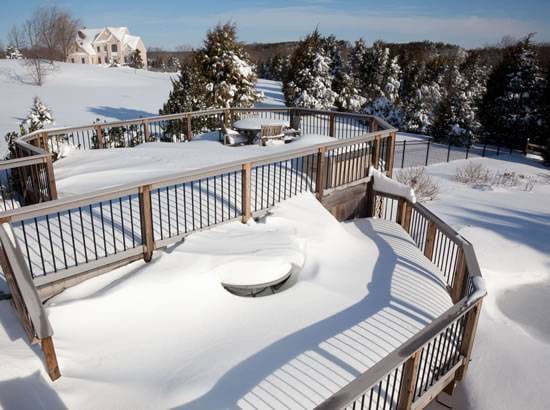
As winter approaches with its snow, ice, and freezing temperatures, your outdoor deck faces some serious challenges. Moisture can lead to warping, cracking, or rot, while heavy snow accumulation might strain the structure.
At AdvantageLumber.com, we’re passionate about helping you maintain beautiful, durable decks—whether you’re working with our premium exotic hardwoods like Ipe and Garapa, or opting for low-maintenance composite or PVC materials.
By taking a few proactive steps now, you can protect your investment and ensure your deck emerges in spring looking as good as new. In this guide, we’ll cover general preparation tips that apply to all deck types, followed by specific instructions for hardwood, composite, and PVC decking.
General Preparation Tips for Any Deck
Before diving into material-specific advice, start with these universal steps to set a strong foundation:
- Inspect Thoroughly: Walk your deck and check for loose boards, railings, or fasteners. Look for signs of rot, mold, mildew, or pest damage. Address any repairs immediately to prevent worsening in cold weather.
- Clear Debris and Furniture: Remove leaves, twigs, dirt, and any outdoor items like furniture, grills, or planters. This prevents moisture trapping and potential staining or mold growth. If you must leave items out, cover them securely.
- Trim Overhanging Branches: Cut back any tree limbs that could scrape the deck or drop heavy snow loads onto it. This simple step avoids scratches and reduces risk during storms.
These basics will help regardless of your deck’s material, but tailored care makes all the difference.
Preparing Hardwood Decks for Winter
Hardwood decks, such as those made from dense exotics like Ipe or Garapa available at AdvantageLumber.com, are naturally resilient but still benefit from seasonal prep to combat moisture and freeze-thaw cycles. Unlike softer woods, these hardwoods resist rot well, but proper maintenance preserves their rich color and strength.
- Clean the Surface: Once leaves have mostly fallen, blow off debris and hose down the deck. If it’s stained or darkened, use a wood cleaner and brightener. Avoid power washing if temperatures are near freezing to prevent ice formation. Keeping the deck free of organic matter stops mold and staining under snow.
- Apply Oil (Optional): If your deck isn’t already oiled or it’s been a while, apply a high-quality, penetrating oil before temperatures drop below 60 degrees. This enhances water resistance and UV protection, helping maintain the wood’s natural beauty through winter. For Ipe and similar hardwoods, oiling is optional but recommended before the temperature drops below 60 degrees.
- Snow and Ice Removal: Use a plastic shovel to clear snow, always pushing along the grain of the boards to avoid scratches. Skip chemical ice melters unless your using DeckWise® Deck Ice-Melt, as they can damage the wood—opt for sand if needed for traction. Remove heavy accumulations to prevent structural strain, especially if snow piles higher than the railings.
- Additional Checks: Inspect for pests like termites or ants, and ensure good airflow under the deck to minimize moisture buildup. If you’re in a region with heavy snowfall, consider a breathable tarp for temporary coverage during storms, but remove it afterward to avoid trapping humidity.
With these steps, your hardwood deck will weather the winter gracefully, ready for outdoor gatherings come spring.
Preparing Composite Decks for Winter
Composite decking, often made from a blend of wood fibers and recycled plastics, is designed for minimal upkeep and excellent weather resistance. Brands like Trex or TimberTech (which pair well with our hardwood offerings) won’t rot or warp from moisture, making winter prep straightforward.
- Pre-Winter Cleaning: Sweep away fall debris like leaves to prevent residue. Rinse the deck, then scrub gently with warm, soapy water or a mild cleaner. For tougher grime, a power wash on low pressure works well—do this before temperatures drop too low.
- Remove Items and Inspect: Store or cover furniture and decor. Check the deck for any structural issues, though composites are less prone to pest or rot problems compared to wood.
- Snow and Ice Management: You don’t need to remove every flake, as composites handle weight and moisture well. For safety, use a plastic shovel (avoid metal to prevent scratches) or a broom for light snow. Calcium chloride ice melt is safe and effective—avoid rock salt on older generations, and rinse any residue in spring.
- Extra Tip: Clear snow from ledger boards and thresholds to maintain proper drainage and avoid water intrusion into your home.
WARNING: Composite and PVC decks can be extremely slippery during winter so keeping them free of snow and ice is very important.
Preparing PVC Decks for Winter
PVC decking is fully synthetic, offering superior resistance to moisture, fading, and staining—perfect for harsh winters. Similar to composites but even more durable, PVC options like those from TimberTech by Azek require minimal effort.
- Cleaning Routine: As with composites, start by removing debris and giving the deck a good wash with soap and water. PVC’s non-porous surface makes it easy to keep clean and mold-free.
- Furniture and Debris Removal: Clear off items to prevent slip hazards and allow full access for snow removal.
- Handling Snow and Ice: Use a plastic shovel without metal edges for snow, or a broom/leaf blower for lighter coverings. Calcium chloride is ideal for melting ice, as it’s safe for PVC and won’t corrode fasteners or surfaces. Avoid heavy piles to reduce stress on the substructure.
- Inspection: Quickly check for any installation issues, but PVC’s weatherproof nature means less worry about expansion or contraction in cold temps.
PVC decks are a set-it-and-forget-it choice, standing up to winter without the sealing needs of wood.
Final Thoughts: Safeguard Your Deck Investment
Preparing your deck for winter doesn’t have to be overwhelming— a little effort now pays off in longevity and aesthetics later. Whether you choose the timeless elegance of hardwood from AdvantageLumber.com or the convenience of composite and PVC, following these guidelines will keep your outdoor space protected. If you’re building or upgrading, explore our selection of sustainable, high-performance materials designed to endure all seasons. Stay warm, and here’s to a cozy winter! For more tips or to shop our products, visit AdvantageLumber.com today.