
Deck railings are more than just a safety feature—they’re a defining element of your outdoor space, blending functionality with style to enhance your home’s curb appeal and value.
Whether you’re building a new deck or upgrading an existing one, selecting the right railing involves considering factors like material durability, maintenance needs, aesthetic preferences, and compliance with local building codes.
At AdvantageLumber.com, we specialize in premium hardwood solutions, but we’ll explore all popular options to help you make an informed decision. Let’s dive into the key considerations and emerging trends for 2025.
Key Factors to Consider When Choosing a Deck Railing
Before jumping into materials, think about these essentials:
- Safety and Compliance: Railings must be at least 36 inches high for residential decks (42 inches in some areas) and withstand significant force. Check local codes for baluster spacing—typically no more than 4 inches apart to prevent accidents, especially with children or pets.
- Aesthetics and Style: Do you want a traditional look, modern minimalism, or something in between? Trends lean toward clean lines, mixed materials, and open views, allowing your railing to complement your deck’s overall design.
- Maintenance Requirements: Some materials demand regular sealing or painting, while others are virtually hands-off.
- Budget and Longevity: Initial costs vary, but factor in long-term value. Cheaper options might need frequent replacements, whereas premium choices offer decades of performance.
- Environmental Impact: Sustainability is a growing priority; opt for eco-friendly materials like responsibly sourced hardwoods.
With these in mind, let’s examine popular railing materials and their 2025 trends.
Hardwood Railing: Timeless Elegance and Natural Durability
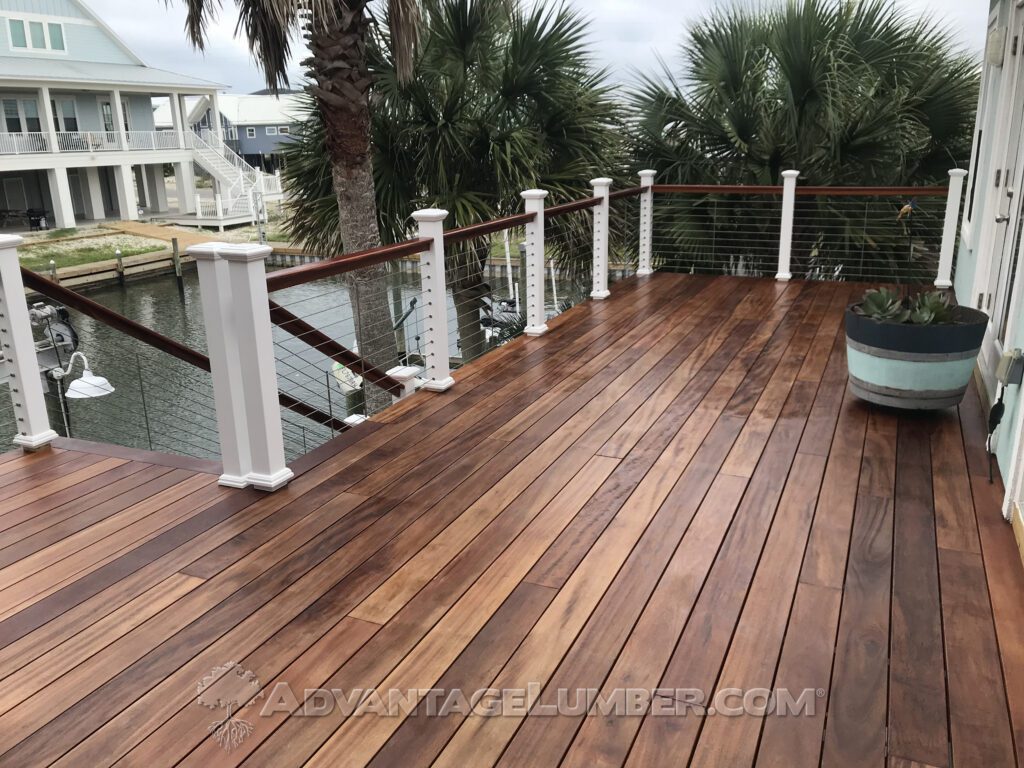
Hardwood railings, crafted from species like Ipe, Cumaru, or Tigerwood, bring unmatched natural beauty and strength to your deck. These woods are dense, rot-resistant, and can last 50+ years with minimal upkeep—far outpacing softer woods like pine. At AdvantageLumber.com, our FSC-certified hardwoods ensure you’re choosing sustainable options that support forest conservation.
2025 Trends: There’s a resurgence in mixing hardwoods with modern elements, such as metal accents for contrast. Homeowners are favoring minimalist designs that highlight the wood’s grain, often in darker tones for a sophisticated vibe. Sustainable sourcing is key, with demand rising for exotic hardwoods that offer UV resistance without chemical treatments. If you love the warmth of wood but want low maintenance, hardwood railings sealed with penetrating oils are trending for their eco-friendly appeal.
Composite Railing: Low-Maintenance Mimicry of Wood
Composite railings, made from recycled wood fibers and plastics, provide a wood-like appearance without the hassle. They’re resistant to warping, fading, and insects, making them ideal for busy households.
2025 Trends: Customization is booming, with composites offering seamless blends of colors and textures that mimic premium woods. Mixed-material designs, like composite posts with aluminum infills, are popular for added durability and contemporary style.
Expect more eco-focused composites using higher recycled content, aligning with sustainability trends. However, they can heat up in direct sun and may not match the longevity of true hardwoods.
PVC Railing: Affordable and Easy to Install
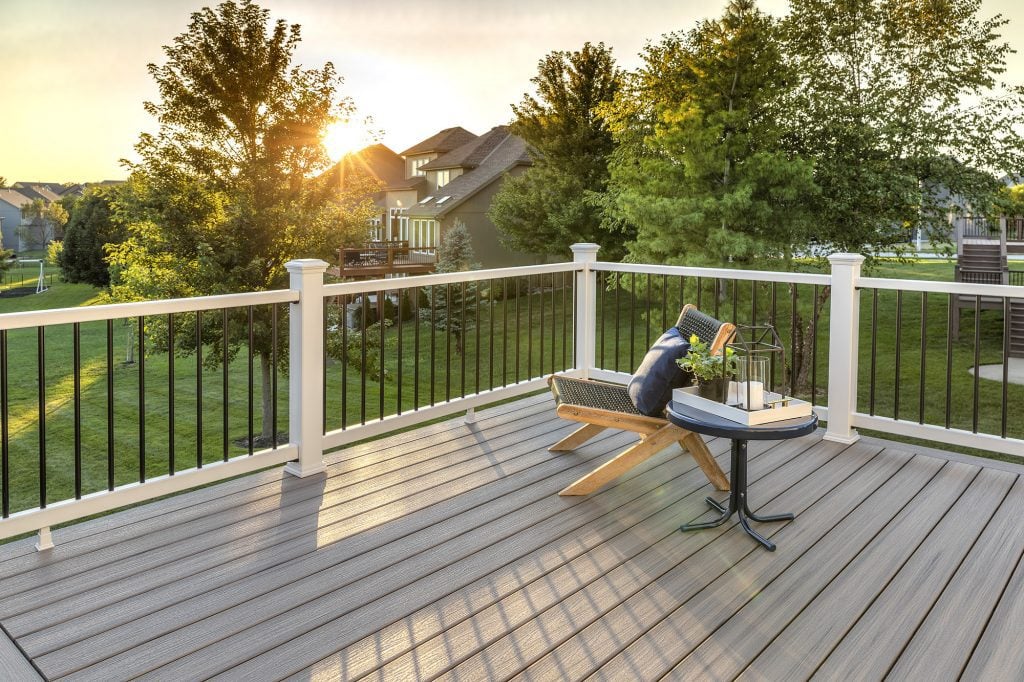
PVC (vinyl) railings are lightweight, budget-friendly, and require almost no maintenance—just a quick hose-down. They’re available in various colors and resist moisture, making them suitable for coastal areas.
2025 Trends: Basic PVC systems remain a go-to for cost-conscious projects, often paired with simple picket designs. Trends include integrating PVC with metal for hybrid looks, but it’s losing ground to more durable options as homeowners prioritize longevity over initial savings. White and neutral tones dominate, though textured finishes are emerging to reduce the “plastic” feel.
Steel and Aluminum Railing: Strength Meets Modernity
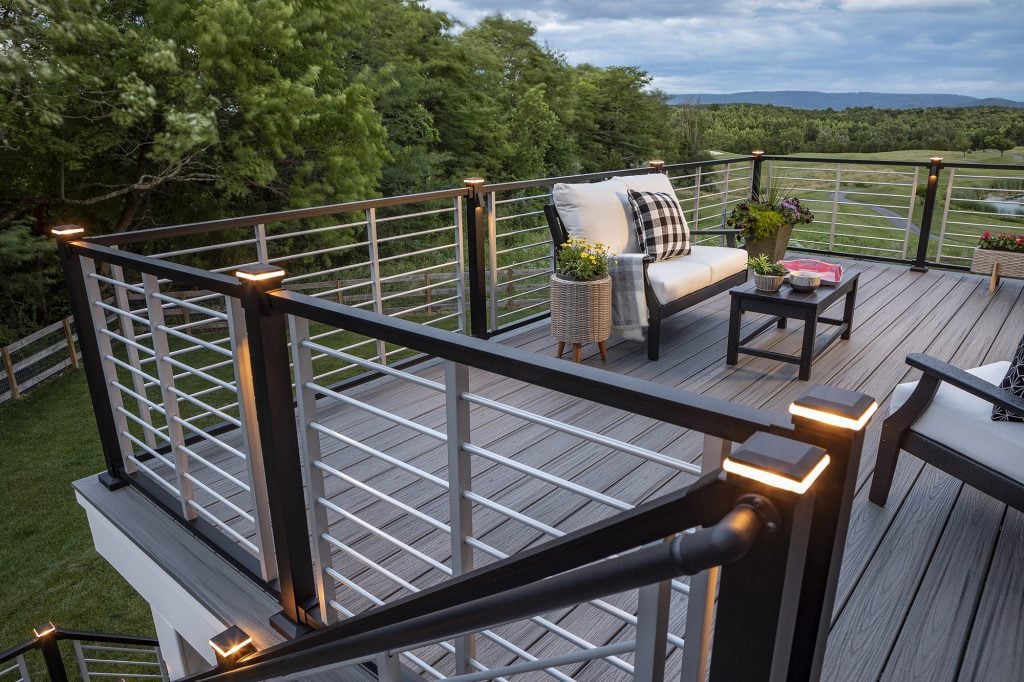
Metal railings offer sleek, industrial vibes with excellent strength. Steel is robust but prone to rust in humid climates unless galvanized or powder-coated. Aluminum, on the other hand, stands out as the premium choice—lightweight, corrosion-resistant, and versatile for custom designs.
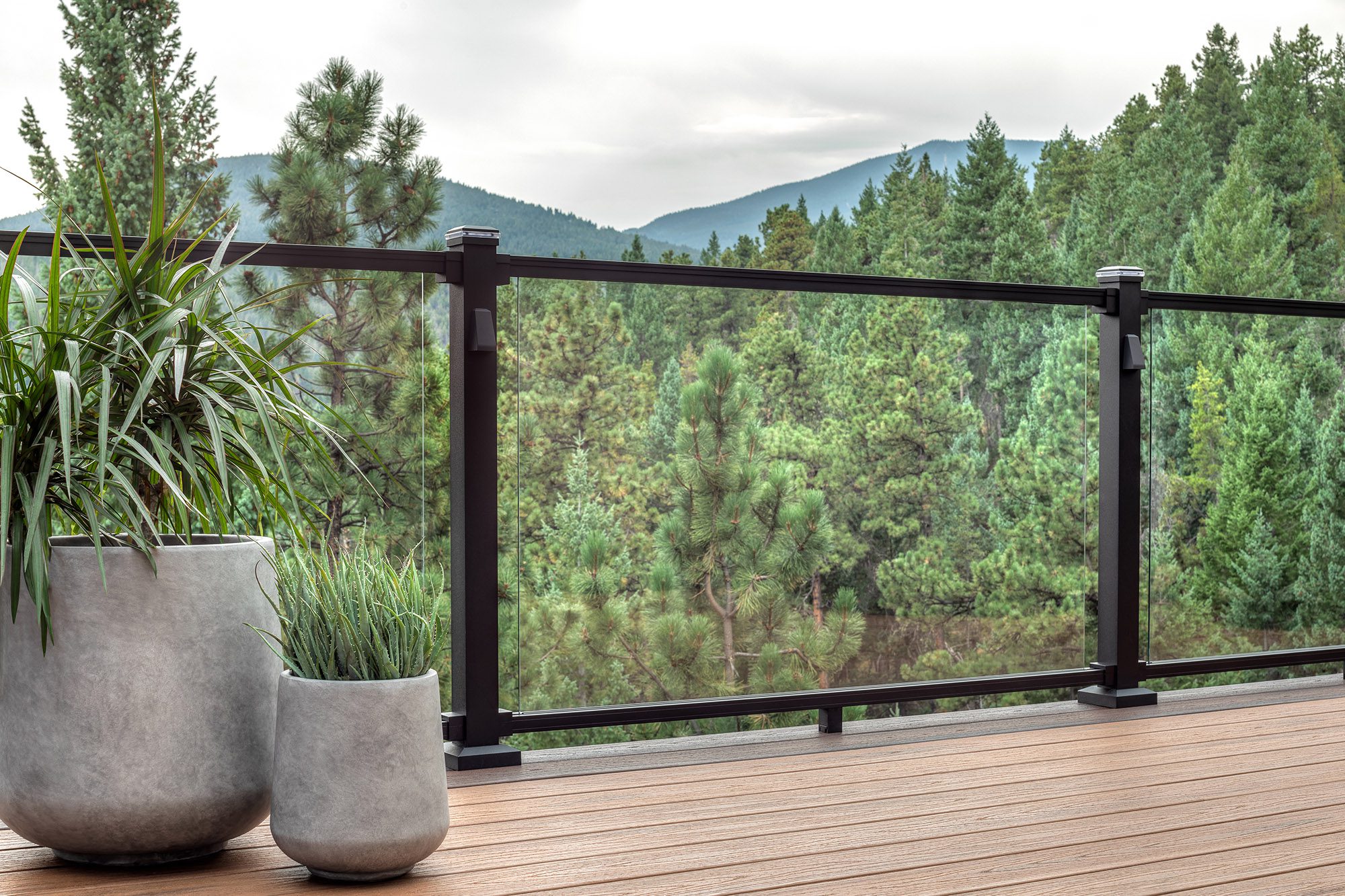
2025 Trends: Metal railings are surging in popularity, especially in mixed setups with wood or composite for visual interest. Cable and glass infills are hot for unobstructed views, with aluminum leading due to its weather resistance and low maintenance.
As a premium option, aluminum is gaining traction for its durability and modern aesthetics, often outlasting vinyl or composite while requiring minimal upkeep. Trends favor clean, open-concept styles like mesh or panel systems, making aluminum ideal for high-end, contemporary decks. While steel provides heavy-duty strength, aluminum’s premium status comes from its balance of elegance, longevity, and ease—perfect for those investing in a forever deck.
Emerging Overall Trends for 2025
Beyond materials, 2025 deck railing trends emphasize innovation: smart integrations like built-in lighting, multi-functional designs (e.g., railings doubling as planters), and a focus on outdoor living connectivity. Sustainability drives choices toward recyclable metals and certified woods, while minimalist profiles ensure railings enhance rather than obstruct views.
Final Thoughts: Making the Right Choice for Your Deck
Choosing a deck railing boils down to your lifestyle, budget, and vision. For timeless appeal and eco-friendliness, hardwood from AdvantageLumber.com can’t be beat. If low maintenance is key, consider composites or PVC for affordability, or elevate your space with premium aluminum for unmatched durability and style. Whichever you select, ensure it meets safety standards and complements your deck’s design.
Ready to get started? Browse our selection of hardwood railing components at AdvantageLumber.com or contact our experts for personalized advice. Transform your outdoor oasis today!
