
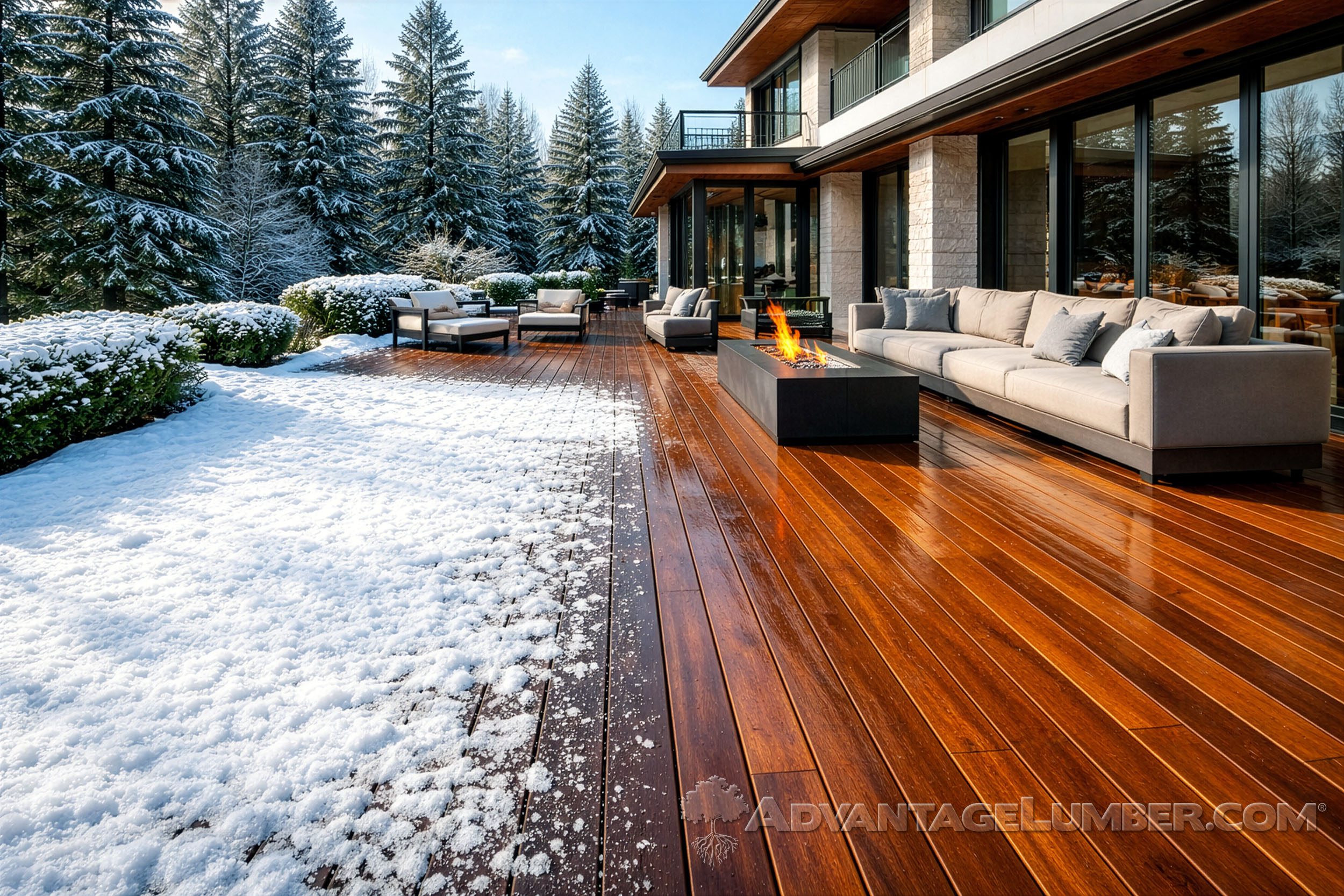
Ipe is known for being one of the most durable hardwoods available for outdoor projects. Its density and natural resistance to decay make it a popular choice for decks exposed to changing weather throughout the year.
But what actually happens to Ipe decking when fall arrives and winter follows?
Falling leaves, rain, freezing temperatures, snow, and ice can all affect an outdoor deck. While Ipe can handle demanding conditions well, a little seasonal maintenance can help protect both the appearance of the decking and the deck structure itself.
What Happens to Ipe Decking in the Fall?
Fall is often when leaves, twigs, and other debris begin collecting on the deck.
If that debris remains on the surface for long periods, it can trap moisture against the wood. Wet leaves and dirt may also contribute to staining, mold, or mildew growth, particularly in shaded areas.
Keeping the deck reasonably clean is one of the simplest ways to prepare for colder weather.
Once most of the leaves have fallen, consider blowing or sweeping the debris off the deck and rinsing the surface. If the wood appears stained or darkened, a suitable wood cleaner and brightener may help restore its appearance.
It’s also a good time to inspect the deck. Look for loose boards, fasteners, or railings and address any problems before winter weather arrives.
How Does Cold Weather Affect Ipe Decking?
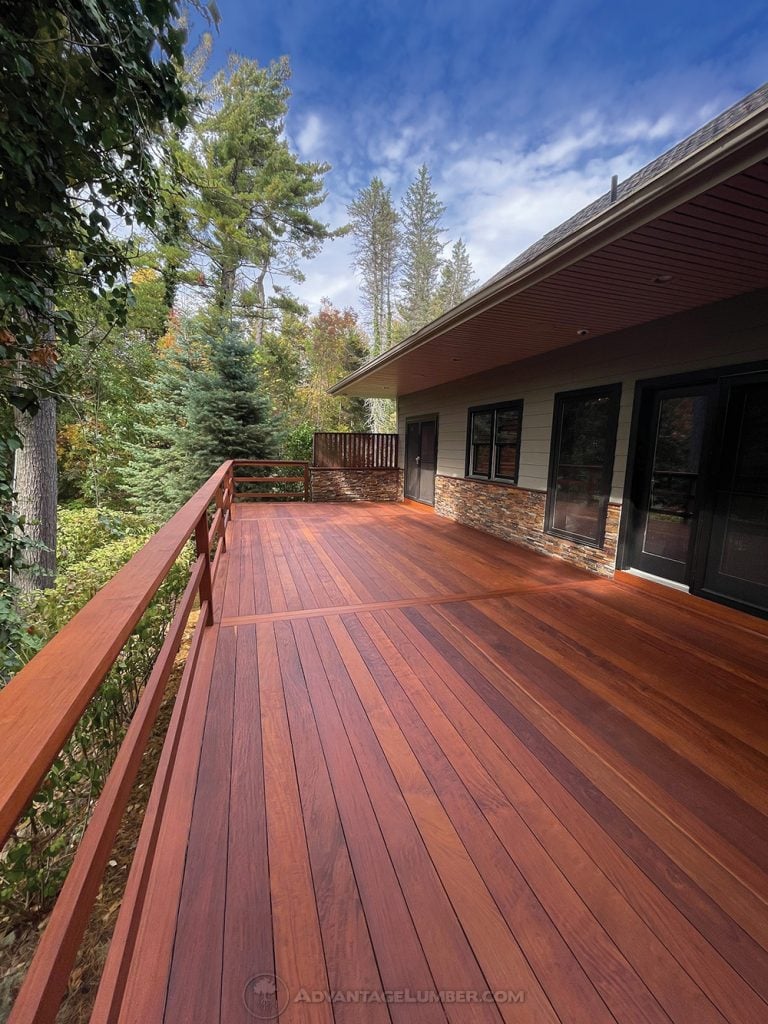
Ipe is a dense tropical hardwood that can perform well in changing outdoor conditions, including cold temperatures and freezing weather.
Like other natural wood products, however, Ipe can experience some seasonal movement as moisture conditions change. Proper installation and board spacing are important because they allow the decking to accommodate normal movement and help water drain between the boards.
The wood itself is naturally resistant to rot, but keeping moisture and debris from accumulating on the surface can still help prevent maintenance issues.
Can Snow Stay on an Ipe Deck?
Yes. Ipe decking can be exposed to snow and winter weather.
However, heavy snow accumulation can add weight to the overall deck structure. If a significant amount of snow builds up, removing some of it may help reduce the load on the deck.
When clearing snow from Ipe decking, use a plastic shovel rather than a metal one. Push the shovel along the grain of the boards to help reduce the risk of scratching or gouging the surface.
Avoid aggressively chopping at ice with sharp tools.
Should You Use Ice Melt on an Ipe Deck?
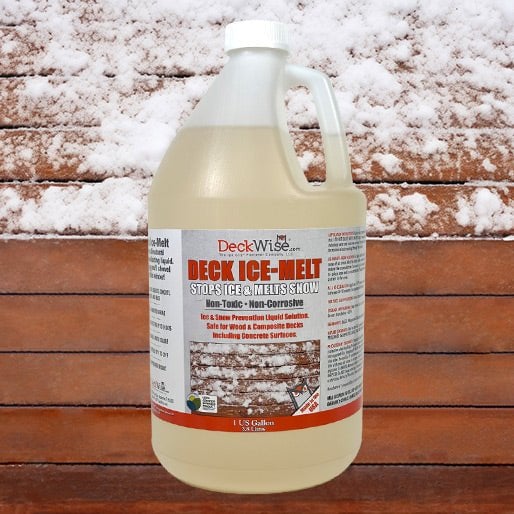
It’s important to choose the right product when dealing with ice on a hardwood deck. Some traditional ice-melting products may not be suitable for use on wood and could potentially affect the decking or its finish.
If you need to melt ice on your Ipe deck, DeckWise® Deck Ice-Melt is designed for use on most wooden and composite outdoor decks. The product is non-corrosive, non-toxic, and non-staining, and it can be used in temperatures ranging from 37°F down to -20°F.
Another option is to use sand when you simply need additional traction.
As with any deck maintenance product, follow the manufacturer’s application instructions.
Will Ipe Decking Turn Gray During the Fall and Winter?
Ipe can gradually change color when exposed to sunlight and weather.
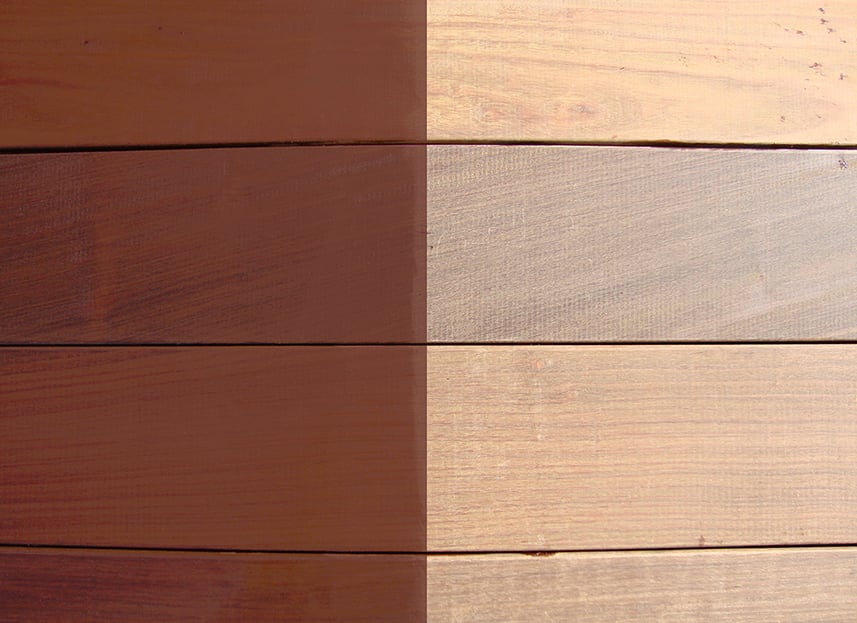
Over time, unfinished Ipe typically weathers from its original brown tones to a silvery-gray patina. This is a natural process and can occur throughout the year, not just during the fall and winter.
Homeowners who like the weathered gray appearance may choose to allow the decking to age naturally.
Those who prefer to maintain more of Ipe’s original color can periodically clean the deck and apply a suitable penetrating hardwood oil. Oiling is optional, but it can help enhance the wood’s natural color and appearance.
If you plan to oil your deck before winter, it’s generally best to complete the work before temperatures drop below approximately 60 degrees.
Does Ipe Need Special Maintenance Before Winter?
Ipe is naturally durable, but preparing the deck for winter can help prevent avoidable problems.
Before colder weather arrives, consider:
- Removing leaves, twigs, and other debris.
- Cleaning the deck if dirt, staining, or discoloration has accumulated.
- Checking for loose boards, railings, or fasteners.
- Making sure the gaps between boards remain clear for drainage.
- Inspecting the deck structure for any maintenance concerns.
- Checking that there is adequate airflow beneath the deck.
- Applying a suitable hardwood oil before colder temperatures arrive if maintaining the wood’s original color is important to you.
These simple steps can help prepare the deck for months of changing weather.
Should You Cover an Ipe Deck for the Winter?
In most situations, covering the entire deck isn’t necessary.
Ipe is designed to withstand outdoor exposure, and covering the deck for an extended period could potentially trap moisture if airflow is restricted.
In areas with significant snowfall, a breathable temporary covering may sometimes be used during a storm. However, it should be removed afterward so moisture and humidity do not remain trapped against the decking.
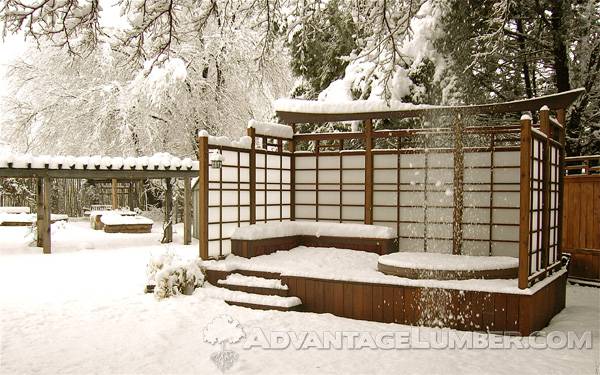
How Does Ipe Hold Up During the Fall and Winter?
Ipe decking is well suited for outdoor environments and can handle rain, cold temperatures, snow, and changing seasonal conditions.
That doesn’t mean winter maintenance should be ignored.
Keeping the deck clear of leaves and debris, checking for maintenance issues, maintaining proper drainage, and removing heavy snow accumulation when necessary can all help protect your investment.
Ipe’s natural durability gives it an advantage when facing demanding weather, while routine seasonal care can help keep the deck looking its best year after year.
Explore Ipe Decking for Your Next Project
Looking for a naturally durable hardwood for your outdoor project? Explore our selection of Ipe decking and discover why it continues to be a popular choice for beautiful, long-lasting outdoor spaces.
