
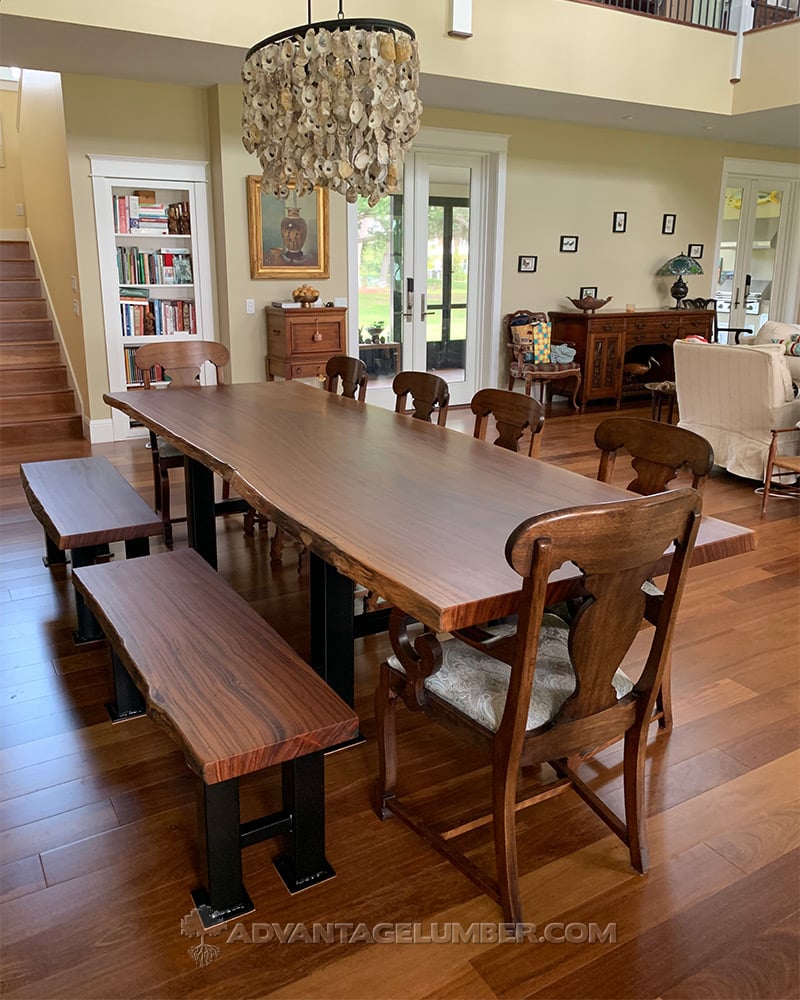
When shopping for a hardwood slab, one of the first decisions you’ll need to make is whether you want a live edge or straight edge slab. Both can be transformed into stunning tables, countertops, desks, shelves, and other custom furniture, but they create very different looks.
There isn’t a right or wrong choice. The difference comes down to the appearance you want, how you plan to use the slab, and your personal style.
What’s the Difference Between Live Edge and Straight Edge Slabs?
The primary difference is in how the edges are milled.
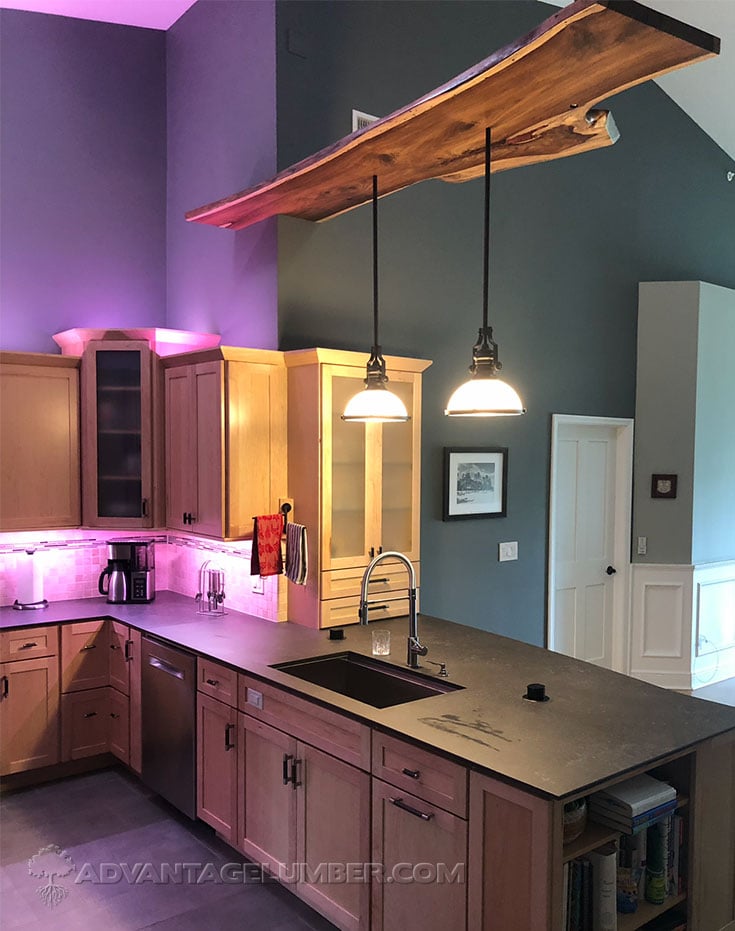
A live edge slab preserves one or both of the tree’s natural edges. Although the bark is typically removed during the milling process, the natural curves and contours remain, giving each slab a distinctive, one-of-a-kind appearance.
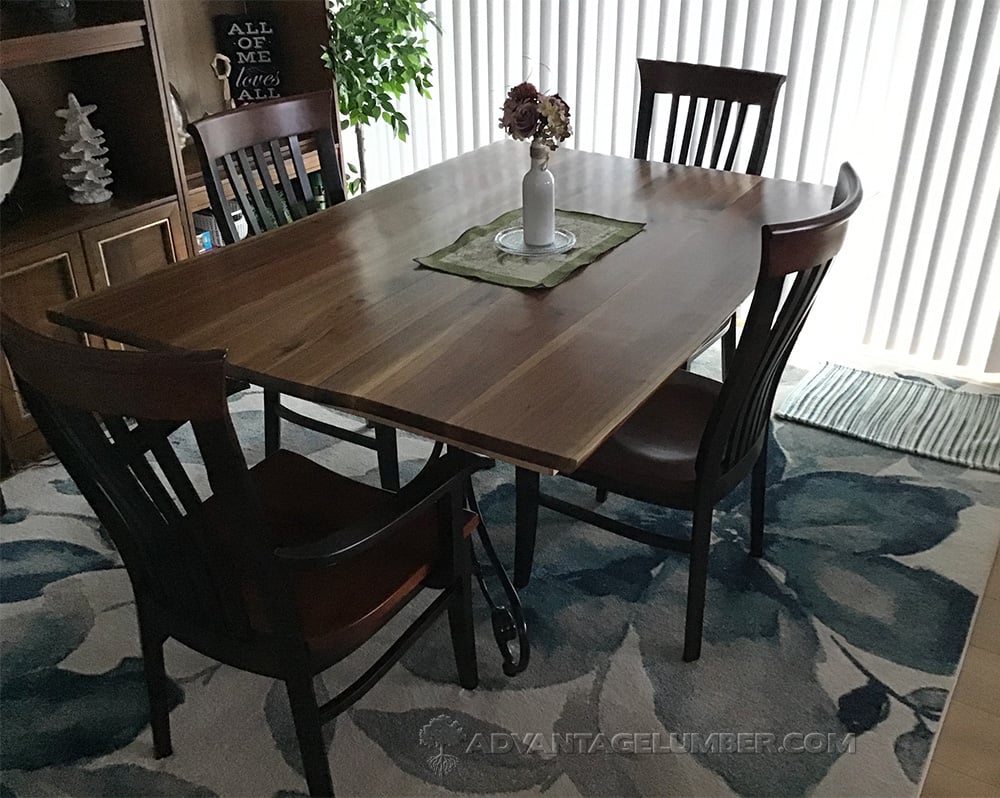
A straight edge slab has both sides trimmed square and parallel. This creates a cleaner, more symmetrical look that’s often preferred for modern, traditional, or built-in applications.
It’s important to understand that the edge profile doesn’t affect the strength or durability of the slab. Whether you choose live edge or straight edge, the longevity of your project depends on factors such as the wood species, proper drying, quality craftsmanship, and finish.
Why Choose a Live Edge Slab?
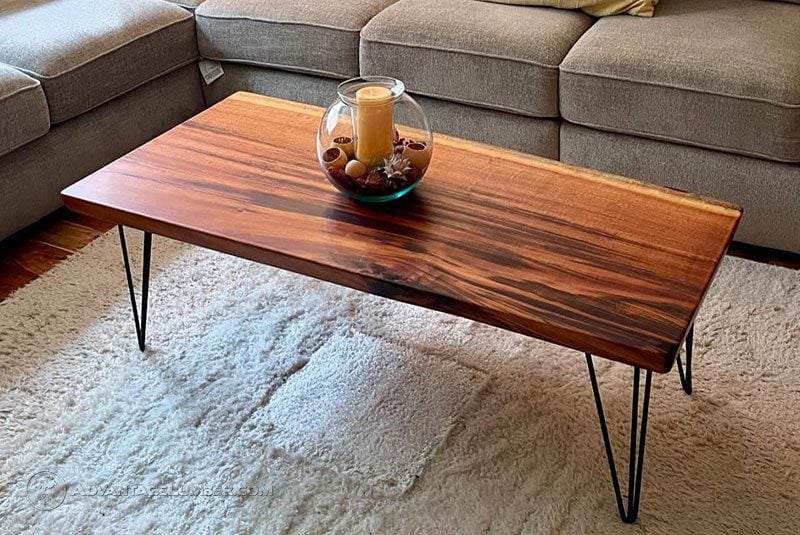
There’s a reason live edge furniture continues to be so popular. It highlights the natural beauty of the tree and creates a piece that’s impossible to duplicate.
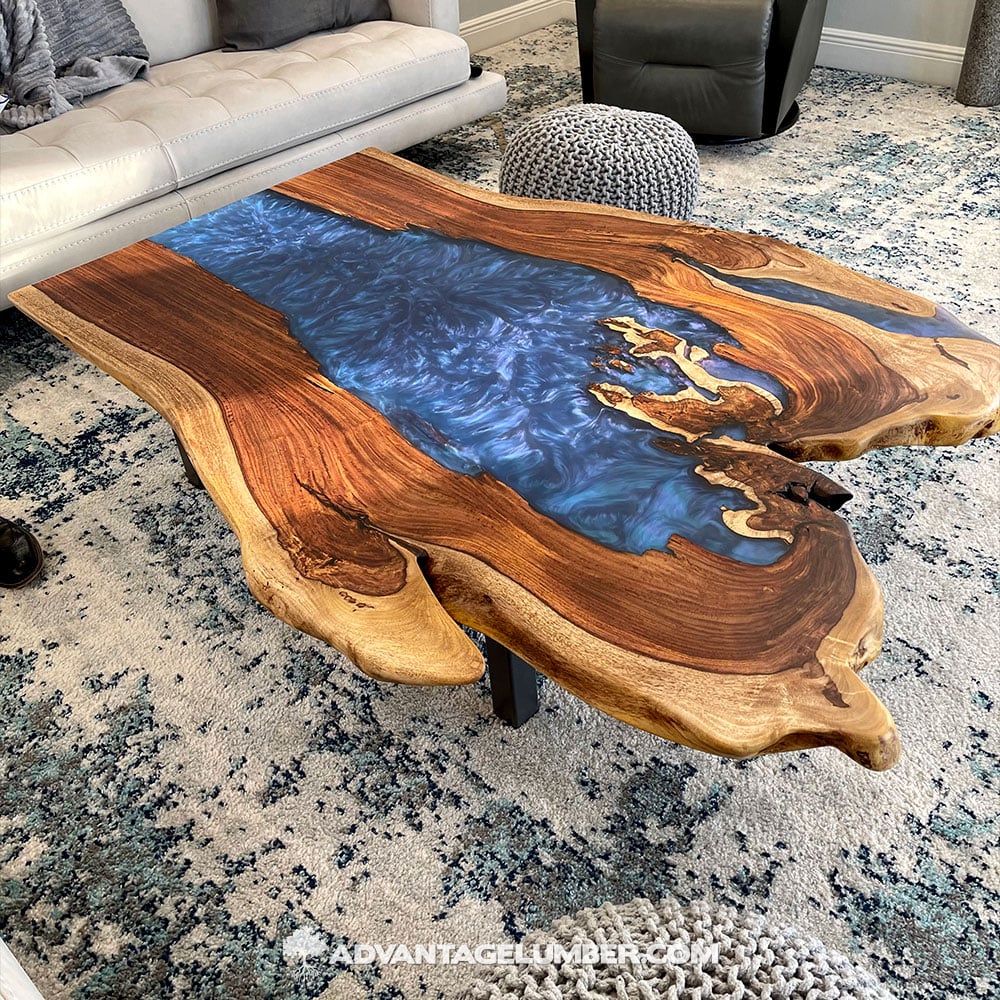
Every live edge slab has its own shape, grain pattern, color variation, and character. Small curves, subtle changes in width, and natural figuring become part of the finished design instead of being milled away.
Live edge slabs are especially popular for:
- Dining tables
- Coffee tables
- Conference tables
- Executive desks
- Kitchen islands
- Floating shelves
- Bar tops
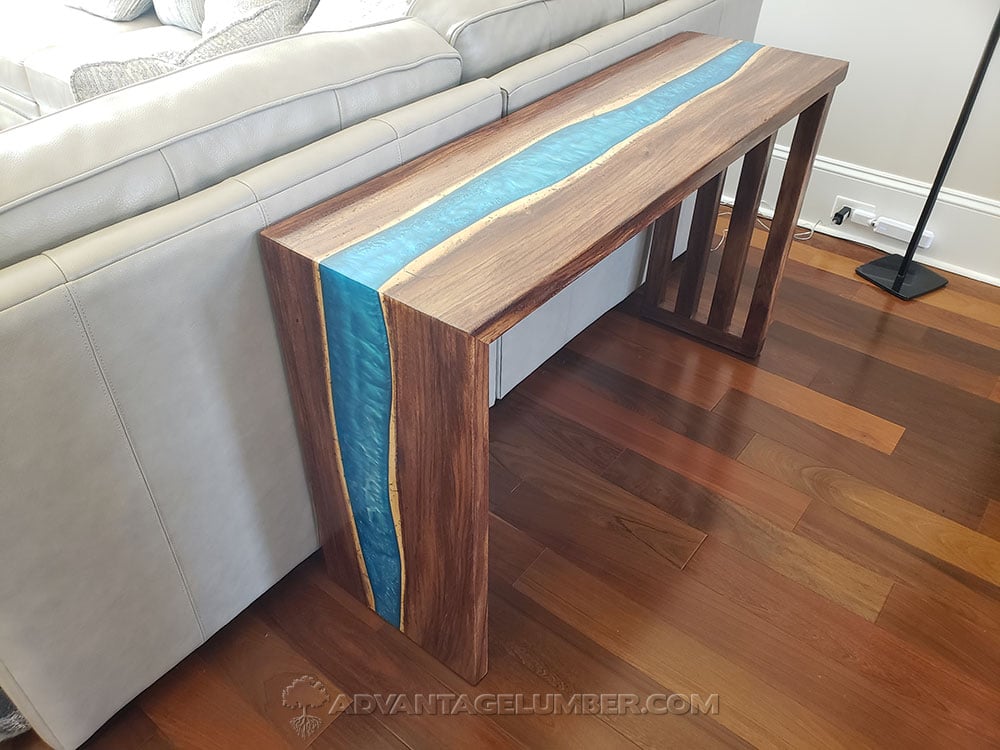
- Epoxy river tables
One of the biggest advantages of live edge is that it makes the wood itself the focal point. Whether it’s a dramatic Black Walnut slab with rich chocolate tones or a light-colored Maple slab with subtle figuring, the natural edge draws attention to the unique characteristics of the tree.
While many people associate live edge with rustic homes, it also complements contemporary, industrial, Scandinavian, and modern interiors. Pairing a live edge slab with sleek metal legs or a minimalist base creates a balanced look that’s both warm and sophisticated.
Why Choose a Straight Edge Slab?
If you prefer clean lines and a more structured appearance, a straight edge slab may be the better fit.
Straight edge slabs are milled with parallel sides, making them easier to size and incorporate into projects that require consistent dimensions. They’re often chosen for furniture with a refined appearance or applications where square edges simplify installation.
Straight edge slabs are commonly used for:
- Dining tables
- Desks
- Countertops
- Workbenches
- Cabinet tops
- Built-in shelving
- Window sills
- Mantels
Because the edges are already square, some woodworkers find straight edge slabs a little easier to work with. They require less trimming during fabrication and make it simpler to align bases, cabinetry, or adjoining pieces.
That said, straight edge doesn’t mean ordinary. The grain, color, and natural figuring of the wood remain the star of the project. You still get all the beauty of solid hardwood just with a more refined silhouette.
Which Style Is Easier to Work With?
If you’re building furniture yourself, straight edge slabs are generally more straightforward.
Their square edges make measuring, cutting, and joining a little easier, especially for first-time woodworkers.
Live edge slabs require a bit more planning because every slab is shaped differently. You’ll want to consider how the natural edge will interact with the base, seating, or surrounding space before making your final cuts.
Many experienced woodworkers enjoy this creative process because it allows the slab’s natural shape to influence the final design.
Which Projects Are Best for Each Style?
Choosing between live edge and straight edge often comes down to the type of project you’re building.
A live edge slab is an excellent choice when you want the wood to be the centerpiece of the design. Dining tables, coffee tables, conference tables, and statement desks all benefit from the organic look of a natural edge.
A straight edge slab is often the better option when clean lines are important. Countertops, built-in furniture, shelving, and work surfaces typically look more cohesive with square edges.
Of course, there are no hard rules. Some homeowners love the contrast of a live edge kitchen island in a modern home, while others prefer the timeless simplicity of a straight edge dining table. It all comes down to your personal style and the look you’re trying to achieve.
How to Choose the Right Slab
If you’re still on the fence, ask yourself a few simple questions:
- Do you want your furniture to make a bold visual statement?
- Are you drawn to organic, natural shapes?
- Does your design call for clean, symmetrical lines?
- Will the slab need to fit precisely against cabinets or walls?
A live edge slab is likely the better choice if you answered yes to the first two questions,
If the last two are more important, you’ll probably be happier with a straight edge slab.
At the end of the day, both styles showcase the beauty of real hardwood. Quality craftsmanship will have a much greater impact on the finished project than the shape of the edges alone.
Frequently Asked Questions
Is live edge furniture still in style?
Yes. Live edge furniture remains popular because it highlights the natural beauty of solid wood. While design trends come and go, quality hardwood furniture has a timeless appeal that fits everything from rustic homes to modern interiors.
Can a live edge slab be cut into a straight edge slab?
Yes. Many woodworkers purchase live edge slabs and trim them to create straight edges during fabrication. Starting with a live edge slab gives you more flexibility if your design changes.
Final Thoughts
Whether you choose a live edge or straight edge slab, you’re investing in a piece of real hardwood that’s unlike anything you’ll find in mass-produced furniture.
Live edge slabs celebrate the natural shape of the tree and create furniture full of character, while straight edge slabs offer clean lines that work beautifully in both traditional and contemporary spaces.
The best choice isn’t about which style is better. It’s about which one best fits your vision for the finished project.
Find the Perfect Slab for Your Next Project
Whether you’re building a one-of-a-kind dining table, a custom desk, or a beautiful countertop, Advantage Lumber offers a wide selection of premium hardwood slabs in a variety of species and sizes. Browse our inventory to find the perfect slab for your next woodworking project.
