
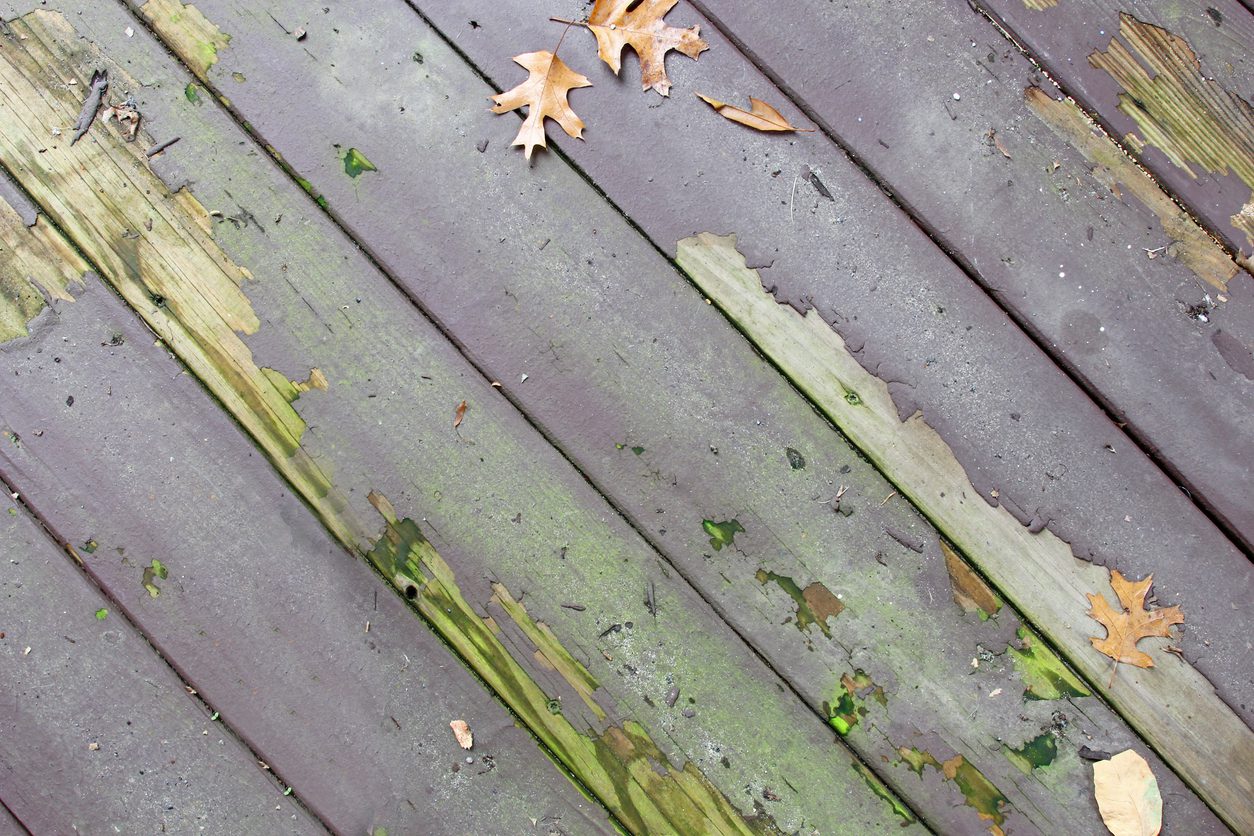
The price of decking materials can vary widely, and it is easy to understand why homeowners are drawn to lower-cost options. Building a deck is a significant investment, and when comparing material prices alone, cheaper decking can seem like a practical way to reduce upfront costs.
However, decking materials are exposed to the elements year-round. Sun, rain, snow, and temperature changes all take a toll. When material quality is compromised, the real costs often appear later through ongoing maintenance demands, declining appearance, and premature replacement.
The Maintenance Reality of Low-Cost Decking
One of the most overlooked costs of inexpensive decking materials is maintenance. Lower-quality materials typically require more frequent care just to maintain basic performance and safety.
Homeowners often find themselves dealing with:
- Regular sealing and staining to slow moisture damage
- Increased risk of mold and mildew growth
- Splintering surfaces that require sanding
- Boards that cup, warp, or split over time
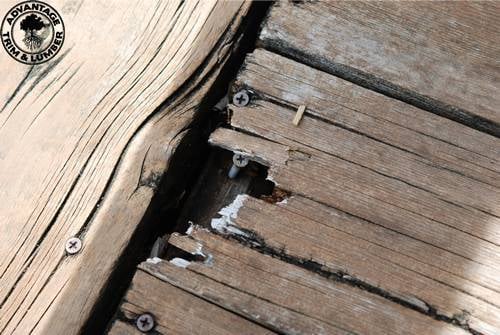
Over the life of a deck, these maintenance demands can add up significantly, both financially and in time spent maintaining the space instead of enjoying it.
Budget Decking Options: Understanding the Trade-Offs
Pressure-Treated Decking
Pressure-treated lumber is one of the most common budget-friendly decking materials. It is typically made from softwoods such as pine and chemically treated to resist rot and insect damage. While it can serve a purpose, especially in framing, it also illustrates a broader point about lower-cost decking materials as a whole.
When used as a decking surface, pressure-treated wood comes with several limitations:
- It is less dense and less durable than higher-quality materials
- It is more prone to splitting, warping, and surface checking
- It requires frequent sealing or staining to maintain performance
- Its yellow or faint green color often weathers unevenly over time
Because pressure-treated decking is made from softwood, it generally wears faster and reaches the end of its usable life sooner than denser alternatives. What appears affordable upfront can result in higher long-term maintenance and earlier replacement.
Entry-Level Composite Decking
Composite decking is often viewed as a low-maintenance upgrade from pressure-treated wood. While premium composite products can perform very well, entry-level or uncapped composite boards may introduce their own hidden costs over time.
Over time, homeowners may experience:
- Faster fading or inconsistent color changes
- Increased surface wear in high-traffic areas
- Reduced resistance to moisture absorption
- A shorter service life compared to capped, premium composite decking
When these issues arise, resurfacing or replacement may be required sooner than expected, offsetting the initial cost savings.
Low-Quality PVC Decking
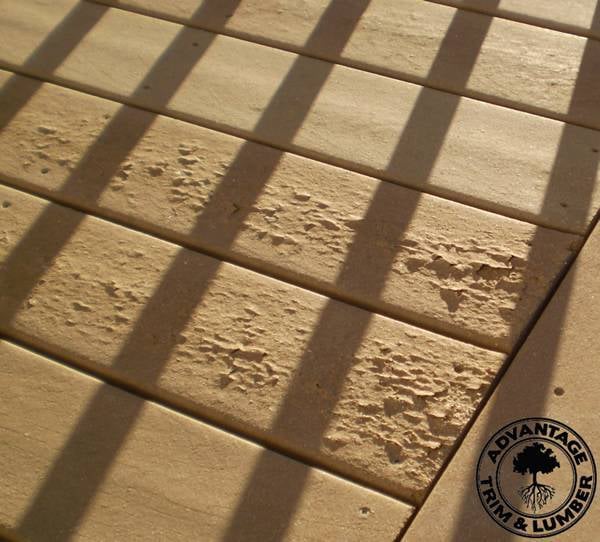
PVC decking can offer excellent moisture resistance when manufactured to high standards. However, lower-quality PVC products—particularly those from non-reputable sources—can behave very differently outdoors.
Potential long-term concerns include:
- Discoloration or UV-related degradation
- Boards becoming brittle over time
- Limited or unclear warranties
- Reduced performance during temperature extremes
Without proper formulation and testing, these products may not deliver the longevity homeowners expect, leading to premature repairs or replacement that can quickly outweigh initial savings.
How Higher-Quality Materials Change the Long-Term Equation
Not all decking materials perform the same, even within the same category. Higher-quality options are designed to reduce the very costs that make cheap decking expensive over time by prioritizing durability, stability, and long-term performance.
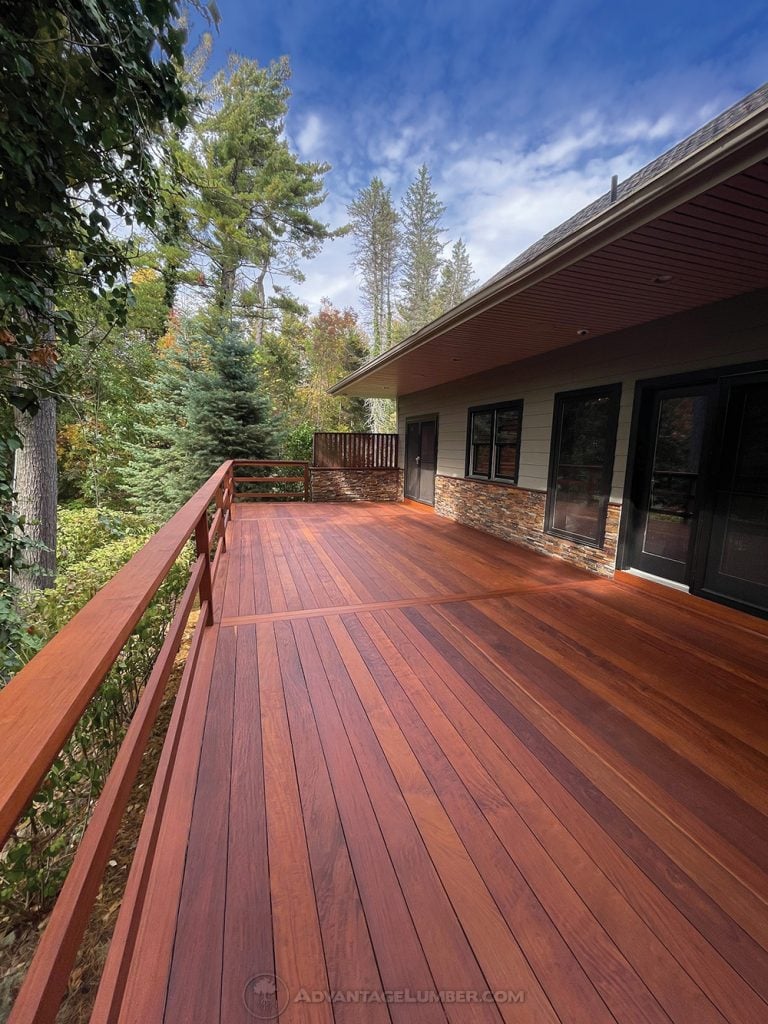
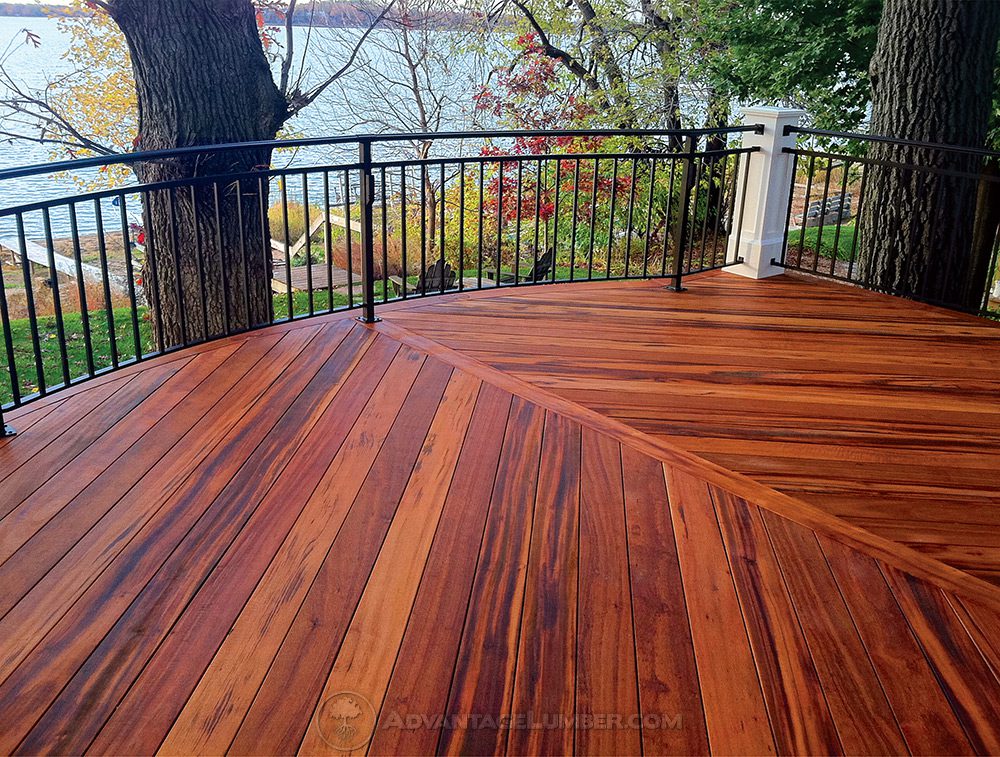
Tropical hardwoods such as Ipe, Cumaru, Tigerwood, and Garapa offer:
- Exceptional density and natural resistance to rot and insects
- Greater dimensional stability with less warping and splitting
- Rich natural colors and distinctive grain patterns
- Proven long-term performance in demanding outdoor environments
Similarly, premium composite and well-manufactured PVC decking products are engineered to deliver improved color stability, durability, and long-term performance when sourced from reputable manufacturers.
Build Once. Enjoy Longer.
The true cost of decking is not defined by the purchase price alone. Maintenance requirements, appearance over time, and material longevity all play a role in long-term value.
Many homeowners discover that what seemed like a savings upfront can lead to higher costs later through frequent upkeep or earlier replacement. Understanding these trade-offs before buying allows for smarter decisions and better long-term outcomes.
At AdvantageLumber.com, we help homeowners compare decking materials based on real-world performance so they can choose solutions that protect their investment and stand the test of time.
