
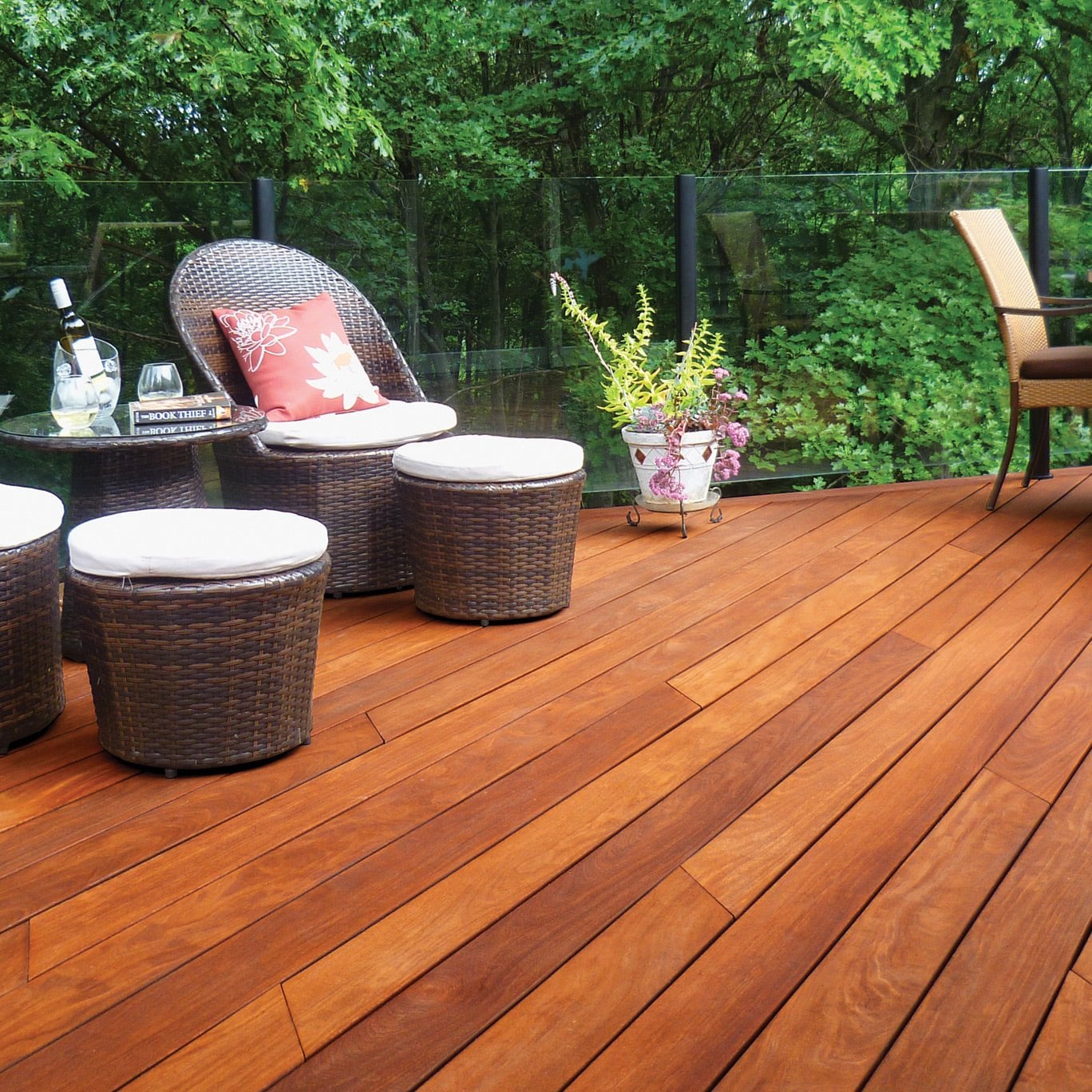
If you’re thinking about building a new deck next spring, fall is a good time to begin planning. You may not be ready to break ground yet, but you can make many of the important decisions now and potentially make the project smoother when spring arrives.
Starting early also gives you time to compare decking materials, work out your design, find a contractor, and handle permits before the spring rush. You probably don’t need every detail figured out yet. However, if you settle the big decisions now, you may sidestep some headaches later.
Decide How You’ll Use the Deck
Before you start comparing decking colors or railing styles, think about how you’ll actually use the space.
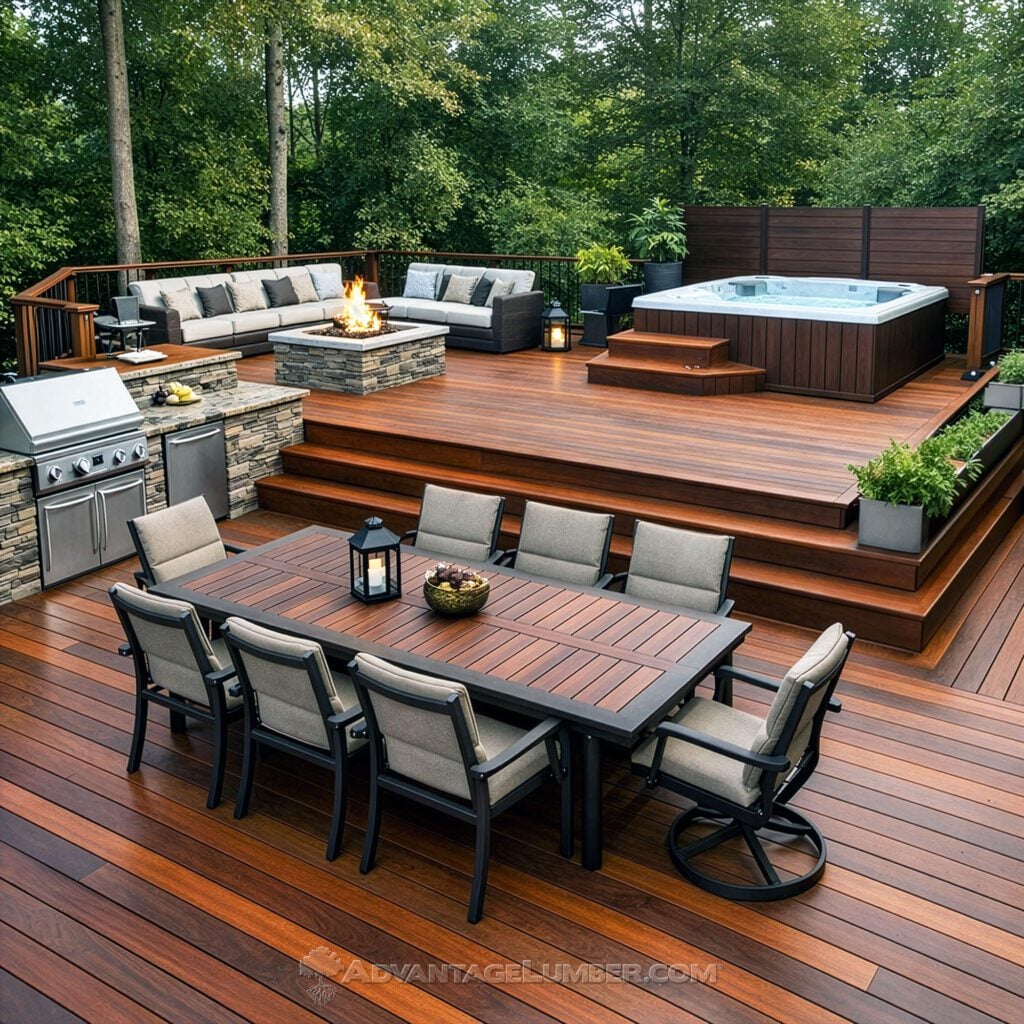
Will you mostly sit outside with a cup of coffee? Do you plan to entertain a couple of large groups? Will you need room for a grill, outdoor dining table, lounge furniture, or a hot tub?
Your answers can affect the deck’s size and layout more than you might anticipate. After all, a deck that looks plenty large on paper can feel crowded once you add furniture, a grill, and a few people.
Think about traffic patterns, too. You’ll probably want enough room to move easily between the house, stairs, seating areas, and other features. The direction people move through the space can have a surprisingly big impact on how the finished deck feels.
Set a Realistic Budget
Once you have a general idea of what you want, set a budget.
Decking is only one part of the cost. You also need to account for framing, fasteners, railings, stairs, footings, lighting, and any other features you plan to add. Labor and permit costs can vary, too.
Your choice of decking can make a significant difference. Tropical hardwoods, composite decking, PVC decking, and thermally modified decking all have different upfront costs and maintenance needs. It helps to look at the whole picture instead of the price of the boards alone.
A budget can help you narrow down your choices before you get too far into the design. It can also help you decide where it makes sense to spend more and where you may want to trim costs. A few thousand dollars can make a noticeable difference on a larger deck, so it’s worth being honest about what you’re comfortable spending.
Start Comparing Decking Materials
Fall is a good time to research decking because you’re not under the same time pressure you might face in April or May.
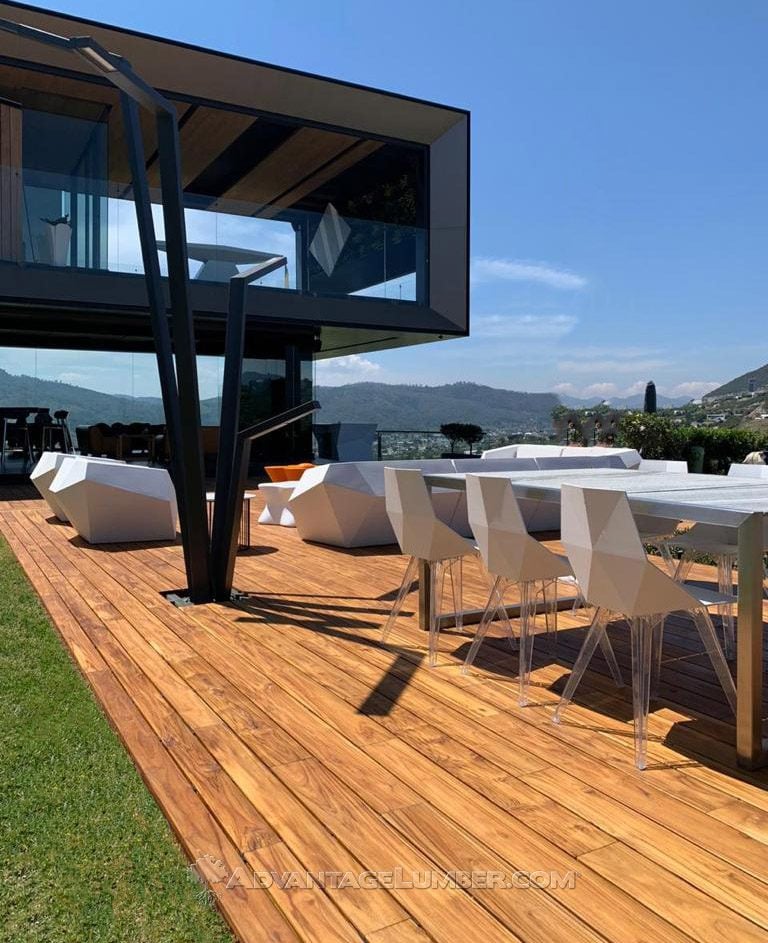
If you’re considering natural wood, look at species such as Ipe, Cumaru, Tigerwood, Garapa, Massaranduba, and Teak. These hardwoods offer different colors, grain patterns, hardness, and price points. They also resist rot and decay naturally, although proper installation and regular care still matter.
Composite and PVC decking are worth considering, too, especially if you want to keep routine maintenance to a minimum.
However, don’t choose a material based on appearance alone. Think about how it may weather, how much maintenance you’re willing to do, how long you want the deck to last, and how the material aligns with your budget.
If you can, order samples and look at them outdoors. Natural light can make decking look quite different from how it looks on a computer screen. You may discover that a color you liked on paper doesn’t look quite the same once you see it in the actual space.
Work Out the Deck Design
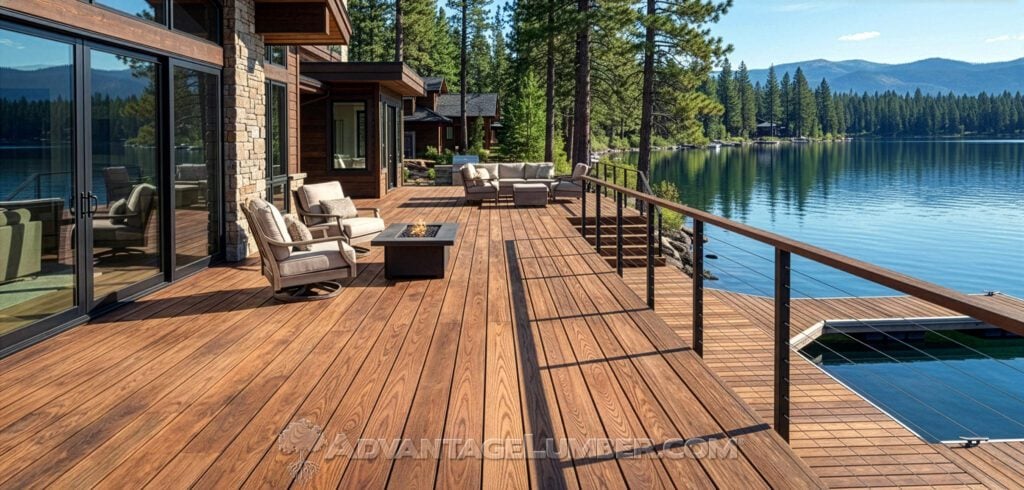
You do not need a final deck drawing in October, but you should have a good idea of the deck’s basic size and layout.
Think about the shape of the deck, where the stairs will go, how it will connect to the house, and where you’ll place furniture and other features. If you plan to add a grill, outdoor kitchen, privacy screen, or hot tub, account for those features now rather than trying to squeeze them in later.
It is also a good time to think about details such as board width, decking direction, picture framing, borders, and railing.
A little planning in the fall can go a long way. It’s easy to change a layout on paper. It can be much harder once the footings are in the ground.
Check Permit and Building Requirements
Before you get too committed to a particular design, find out what your local building department requires.
Depending on where you live, you may need a permit for your deck. Local codes may also set requirements for setbacks, footing depth, structural connections, stairs, railing, and other parts of the deck.
These requirements can affect your design, so it’s better to learn about them before construction starts.
If you’re working with a contractor, they can usually help you figure out what you need to address. Still, don’t assume every deck project follows the same rules. Local codes and site conditions can vary considerably.

Start Looking for a Contractor
If you plan to hire a contractor, don’t wait until spring to start calling.
Deck builders can get busy quickly once the weather warms up. Instead, start talking with contractors in the fall so you have time to compare your options, discuss your project, get estimates, and find someone you trust.
You’ll also have more time to talk through material choices and construction details. As a result, you may be able to resolve potential problems before construction begins.
A good contractor should be able to tell you what will and won’t work on your site. They can also point out potential problems you might not notice from a deck plan.
Think About the Framing, Too
It’s easy to focus on the decking because that’s what everyone sees, but the framing carries the entire deck.
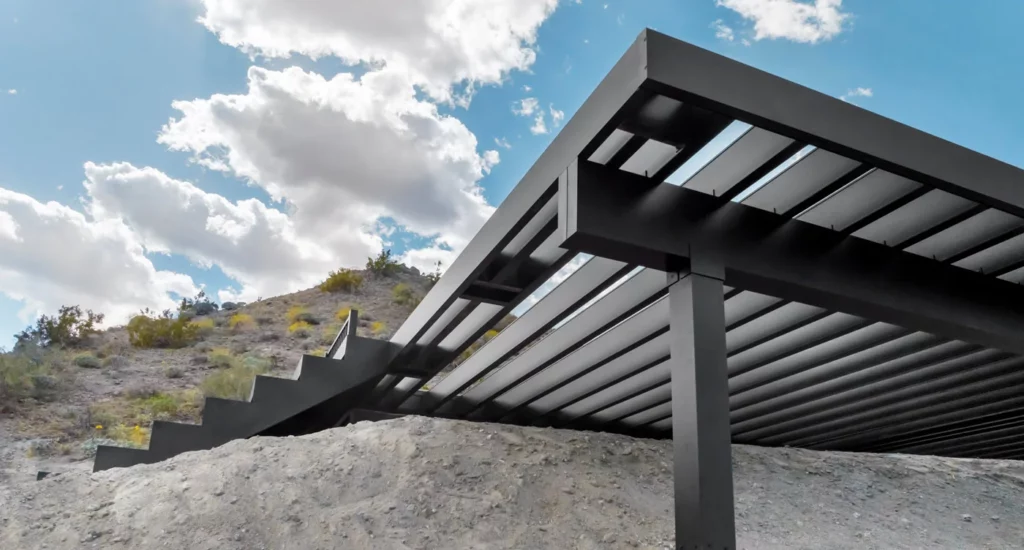
If you’re building a new deck, talk with your contractor about the framing material and how you’ll protect the structure from moisture. Pressure-treated lumber remains a common choice for deck framing, while steel framing can make sense for projects where long-term structural performance and dimensional stability matter.
The decking and framing should work together. Spending more on a long-lasting decking material may not make much sense if you pair it with the cheapest framing option and don’t give the structure underneath the same attention.
Choose Your Railing
Railing can also have a noticeable effect on the finished deck.
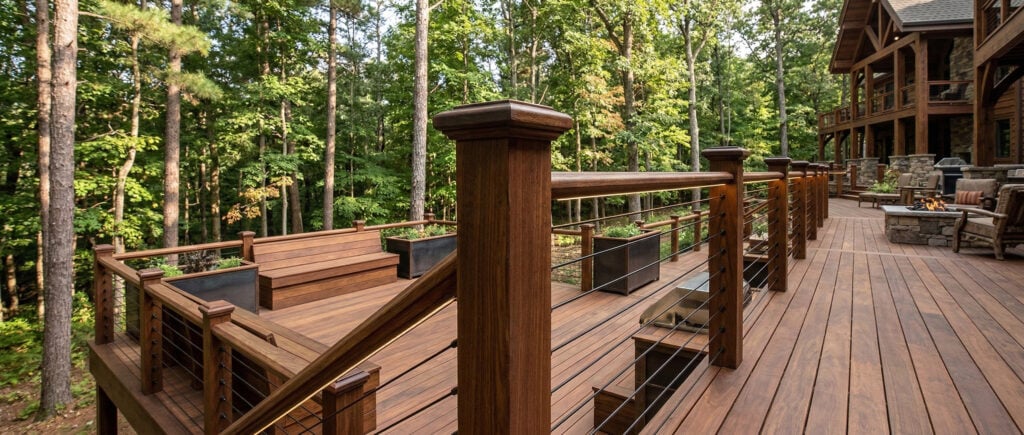
You can choose from wood, composite, metal, cable, glass, and other railing systems. Some homeowners want the railing to blend into the deck, while others may want it to serve as a design feature.
Think about maintenance, appearance, local code requirements, and how much of the view you want to preserve.
If you’re using a natural hardwood deck, you don’t necessarily need a wood railing. A contrasting aluminum or cable railing, for example, can give the deck a completely different feel.
Plan for Maintenance
Your decking material will affect how much maintenance the deck needs, so think about long-term care before you buy.
Natural hardwoods generally need less maintenance than many people expect, but there’s an important difference between caring for the wood and preserving its original color.
For example, untreated Ipe will naturally weather to a silver-gray color over time. If you want to keep its original brown color, you’ll need to clean and refinish it periodically.
Composite and PVC decking generally need less ongoing maintenance, although they still benefit from regular cleaning.
Ultimately, think about how much maintenance you’re willing to handle. Your answer can help you choose a material you’ll probably be happier with for years to come.
Plan Your Material Orders
Once you’ve settled on your design and materials, start thinking about when you’ll need everything.
Ordering materials before the spring rush can help keep your project moving forward. This may matter even more for larger projects or jobs that call for specific decking profiles, railing systems, or other materials that may need to be sourced in advance.
You don’t necessarily need every board sitting in your driveway all winter. Instead, focus on knowing when your materials will arrive and having a delivery plan in place. That can make the start of construction much easier.
Make a Simple Spring Timeline
Finally, work backward from when you’d like the deck finished.
Give yourself enough time to finalize the design, hire a contractor, get permits, order materials, and prepare the site. Weather can also affect the schedule, especially early in the spring.
You probably won’t know the exact construction date months in advance. However, a general timeline gives everyone something to work toward and leaves some room to adjust as the project moves forward.
Start Planning Now, Build When the Weather Breaks
You don’t need to have every detail figured out before winter. The goal is simply to get the important decisions out of the way while you have time to think them through.
Use the fall to work out how you’ll use the deck, set a budget, compare decking materials, develop the layout, check local requirements, and start talking with contractors. If you can get those pieces in place now, you’ll be in a much better position when spring arrives.
Then, when the weather finally breaks, you can spend less time sorting out the details and more time getting the deck built.
If you’re still deciding which decking material might make sense for your project, check out the decking, railing, and other outdoor building materials available from Advantage Lumber.
