
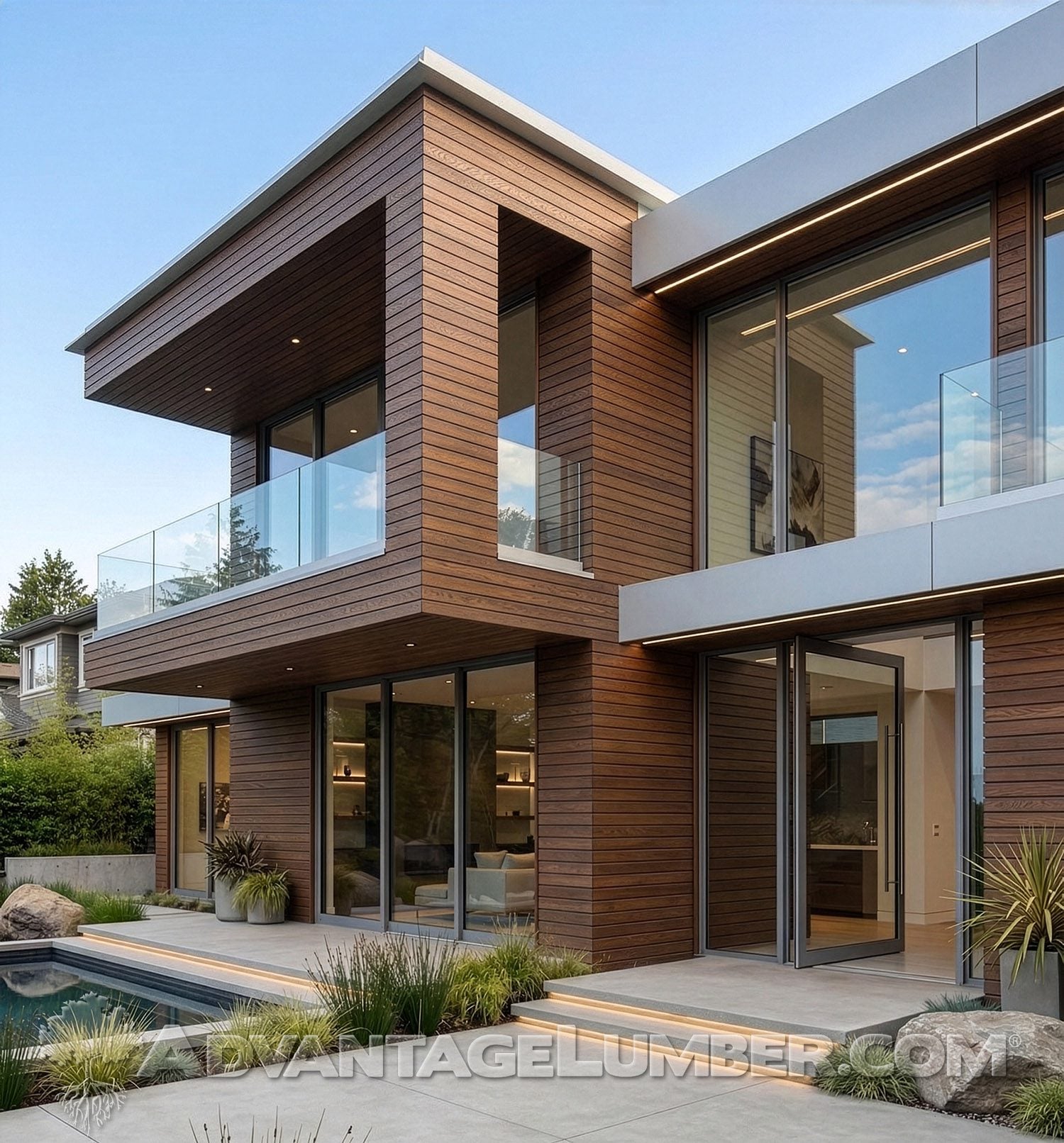
When it comes to designing your home’s exterior, few decisions have a bigger impact than your choice of cladding.
Cladding is more than just a finished surface. It is your home’s first line of defense against the elements and one of the most important factors in curb appeal. Whether you are building new or upgrading an existing exterior, two of the most popular options today are natural wood cladding and composite cladding.
So which one is better?
The answer depends on your priorities: appearance, maintenance, longevity, and overall lifestyle. In this guide, we will break down the key differences so you can make an informed decision.
What Is the Difference Between Wood and Composite Cladding?
Before comparing the two, it helps to understand what each material actually is.
Wood cladding is made from natural lumber often premium hardwoods like Ipe, Cumaru, Tigerwood, Garapa, or thermally modified wood. These materials are prized for their durability, strength, and natural beauty.
Composite cladding, on the other hand, is an engineered product made from a blend of recycled wood fibers, plastics, and bonding agents. It is designed to mimic the look of wood while improving durability and reducing maintenance.
Both serve the same purpose but they deliver very different experiences.
The Case for Wood Cladding
If your goal is to create a home that stands out, wood cladding operates in a different league.
Natural Beauty You Cannot Replicate
There is a reason architects and designers continue to specify real wood.
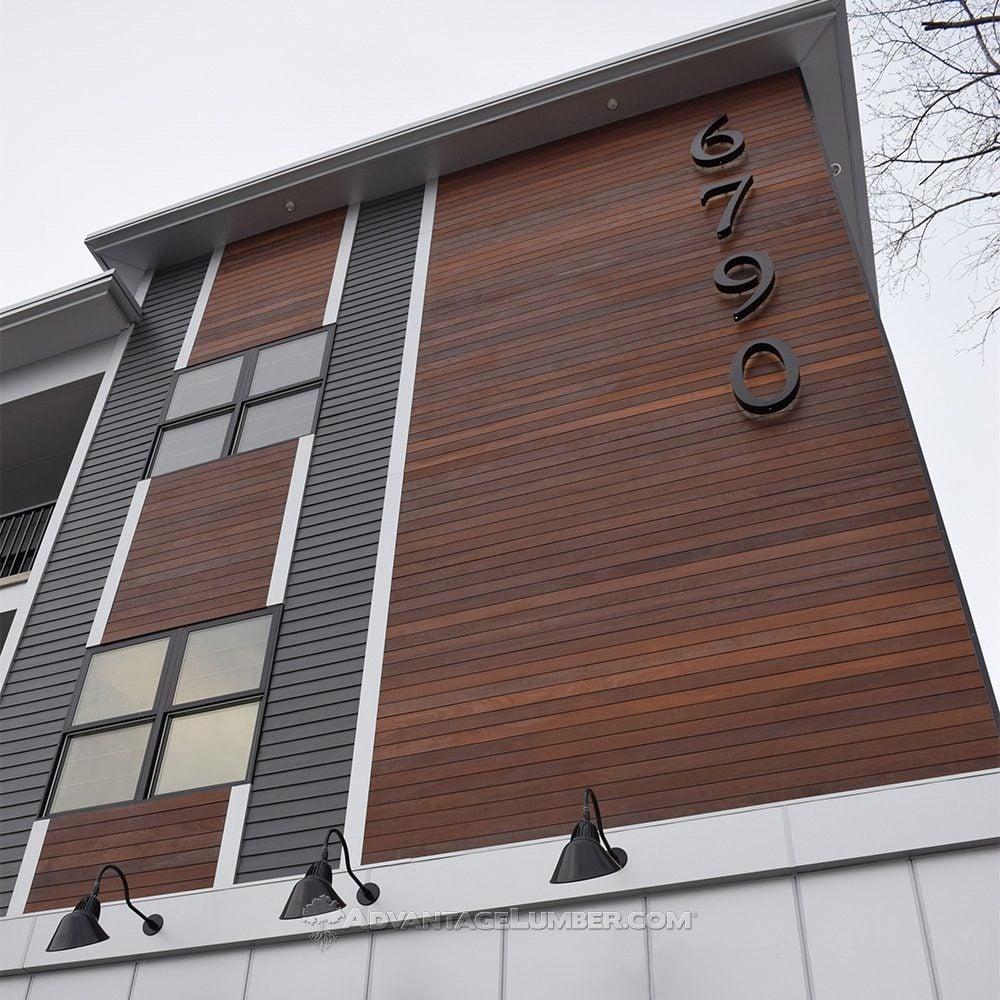
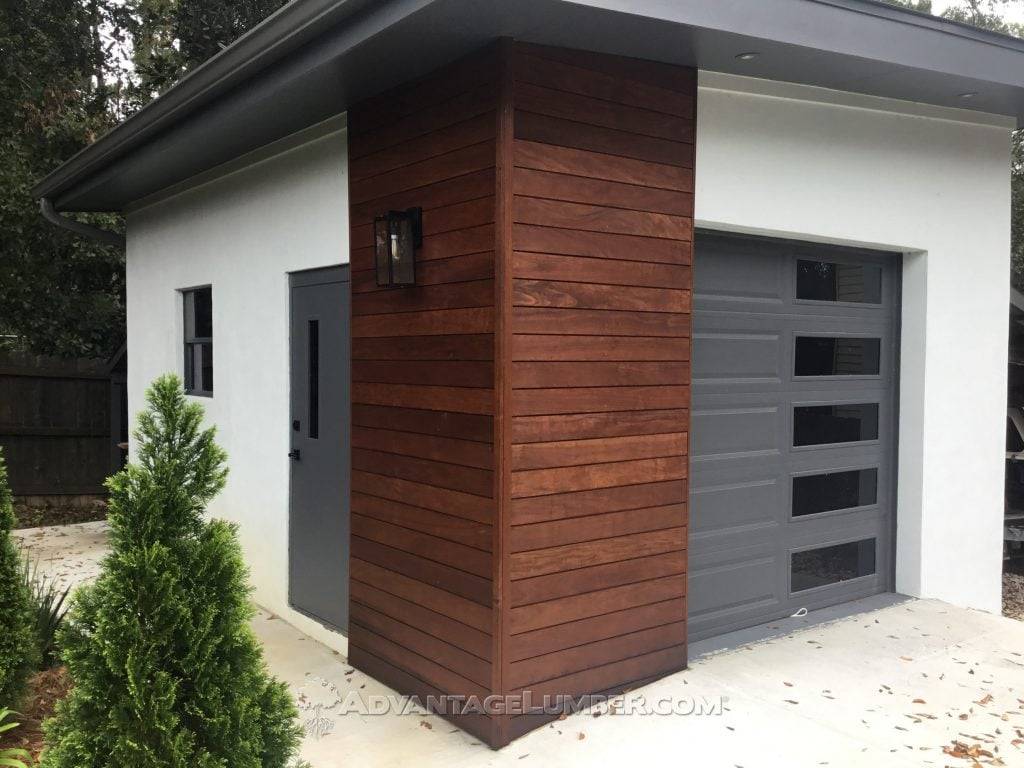
Each board has unique grain patterns, color variation, and texture that give your home depth and character. Exotic hardwoods like Ipe and Tigerwood create a rich, high-end appearance that synthetic materials simply cannot fully duplicate.
Wood also ages in a way that many homeowners love. Over time, it can develop a natural silver patina or maintain its original color with periodic oiling.
Proven Durability
Not all wood is created equal.
Premium hardwoods used for cladding are naturally resistant to:
- Rot and decay
- Insects
- Moisture damage
Species like Ipe and Cumaru are incredibly dense and have been used for decades in demanding exterior applications.
A True Premium Look
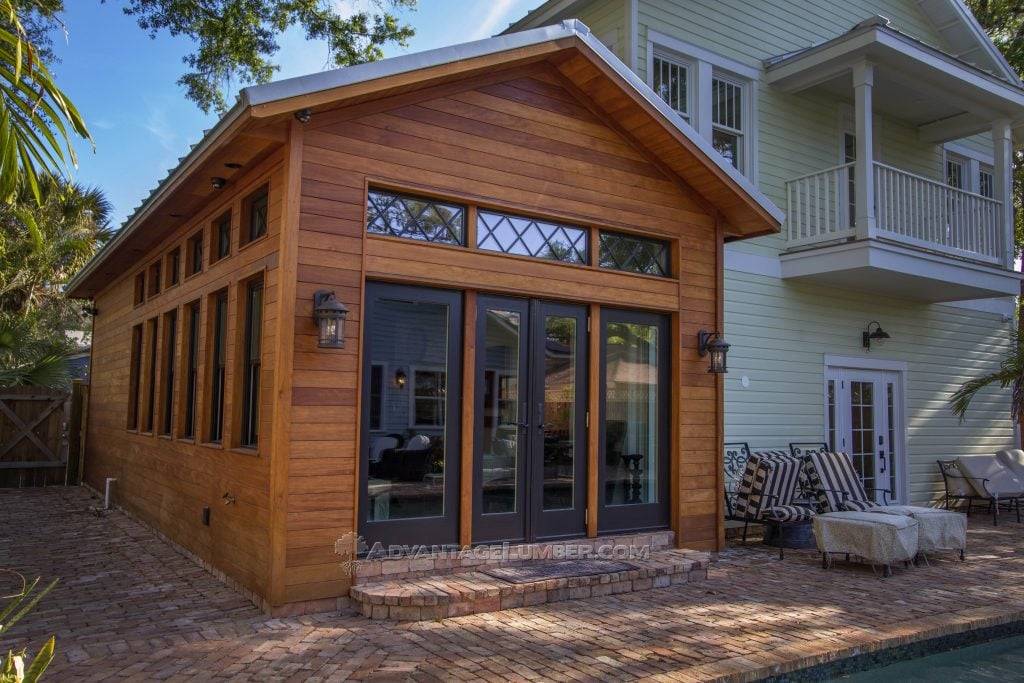
In higher-end markets, wood cladding signals craftsmanship and customization. It is often associated with luxury homes, modern architecture, and thoughtful design.
If you want your home to feel unique, not like every other house on the block, wood delivers.
The Trade-Off: Maintenance
Here is the reality: wood requires upkeep.
- Oiling is typically needed every 1–2 years to maintain color
- Proper installation (including ventilation and flashing) is critical
- Neglect can lead to weathering, fading, or long-term damage
For many homeowners, this is not a downside. It is part of the appeal. But it is a commitment.
The Case for Composite Cladding
Composite cladding has grown rapidly in popularity and for good reason.
It is engineered to solve many of the challenges associated with natural wood.
Low Maintenance Living
This is where composite shines.
Unlike wood, composite cladding does not require:
- Staining
- Sealing
- Oiling
Routine cleaning is typically all that is needed to keep it looking good.
Built for Long-Term Performance
Composite products are designed to resist:
- Fading from UV exposure
- Moisture intrusion
- Rot and decay
- Cracking, splitting, and warping
This makes them a strong choice for homeowners who want consistency and durability with minimal effort.
Modern, Uniform Aesthetic
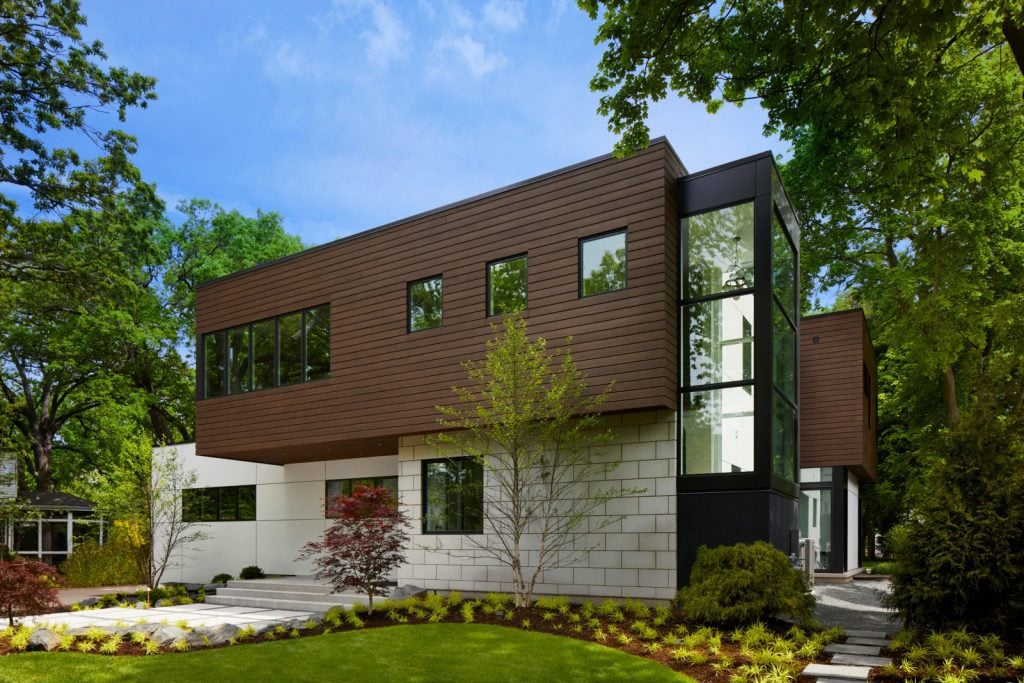
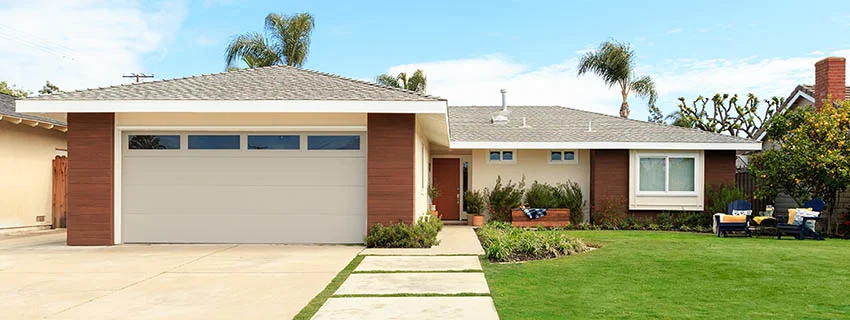
Composite cladding is often used in contemporary architecture because of its clean, consistent appearance.
It works especially well in:
- Open joint cladding systems
- Horizontal or vertical modern designs
- Commercial or mixed-use buildings
Popular Composite Cladding Brands
At AdvantageLumber.com, two of the most requested composite cladding options include:
- Trex® Cladding – Known for its durability, deep grain patterns, and strong warranty coverage
- TimberTech® Cladding – Offers both composite and PVC options with excellent resistance to moisture and fading
These products are engineered for performance and are widely used across the country.
The Trade-Off: Less Authenticity
While composite products have come a long way, they still cannot fully replicate the depth and variation of real wood.
If authenticity and natural character are your top priorities, this is where composite may fall short.
Head-to-Head Comparison
| Feature | Wood Cladding | Composite Cladding |
|---|---|---|
| Appearance | Natural grain, rich color variation, one-of-a-kind | Uniform, consistent, modern look |
| Maintenance | Requires oiling or sealing every 1–2 years | Minimal—just occasional cleaning |
| Durability | Extremely durable (with proper species) | Engineered for high resistance to elements |
| Longevity | Decades with proper care | Long-lasting with minimal upkeep |
| Resistance | Naturally resistant (varies by species) | Highly resistant to rot, moisture, and insects |
| Aesthetic Style | Warm, traditional to high-end modern | Sleek, contemporary |
| Sustainability | Renewable when responsibly sourced | Often made from recycled materials |
| Cost Over Time | Lower upfront, higher maintenance costs | Higher upfront, lower long-term maintenance |
Choose wood for unmatched natural beauty and character; choose composite for low maintenance and long-term convenience.
Which One Should You Choose?
There is no one-size-fits-all answer but there is a right answer for you.
Choose wood cladding if:
- You value natural beauty and uniqueness
- You want a high-end, architectural look
- You do not mind periodic maintenance
- You see your home as a long-term investment in design
Choose composite cladding if:
- You want a low-maintenance exterior
- You prefer a clean, modern aesthetic
- You want consistent color and performance
- You are looking for durability without ongoing upkeep
Final Thoughts
Both wood and composite cladding are excellent choices, but they serve different priorities. Wood offers unmatched character, warmth, and a truly custom appearance. Composite delivers convenience, consistency, and long-term ease of ownership. The best choice comes down to how you want your home to look and how much time you want to spend maintaining it. If you are still unsure, the best next step is to compare samples in person and talk through your project with an expert.
Why Homeowners Choose AdvantageLumber.com
At AdvantageLumber.com, we supply both premium hardwood cladding and top-performing composite options to customers nationwide.
When you work with us, you get:
- Expert guidance tailored to your project
- High-quality materials sourced for performance
- Nationwide delivery to your home or jobsite
- Access to leading brands and premium hardwoods
Whether you are drawn to the natural beauty of wood or the simplicity of composite, our team can help you find the right fit for your home.
