
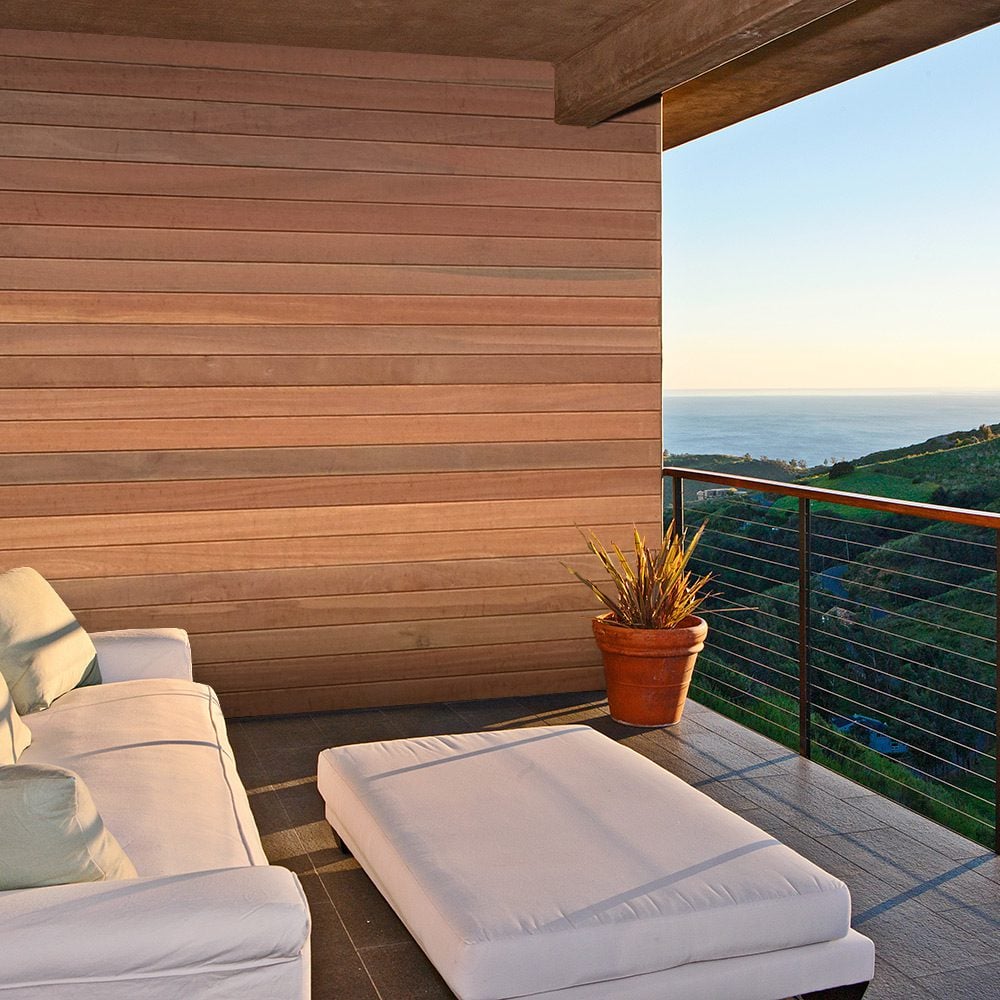
As residential design continues to evolve, homeowners and architects are finding new ways to create cohesive, high-end exteriors. One trend that has gained significant traction is using decking materials as exterior cladding.
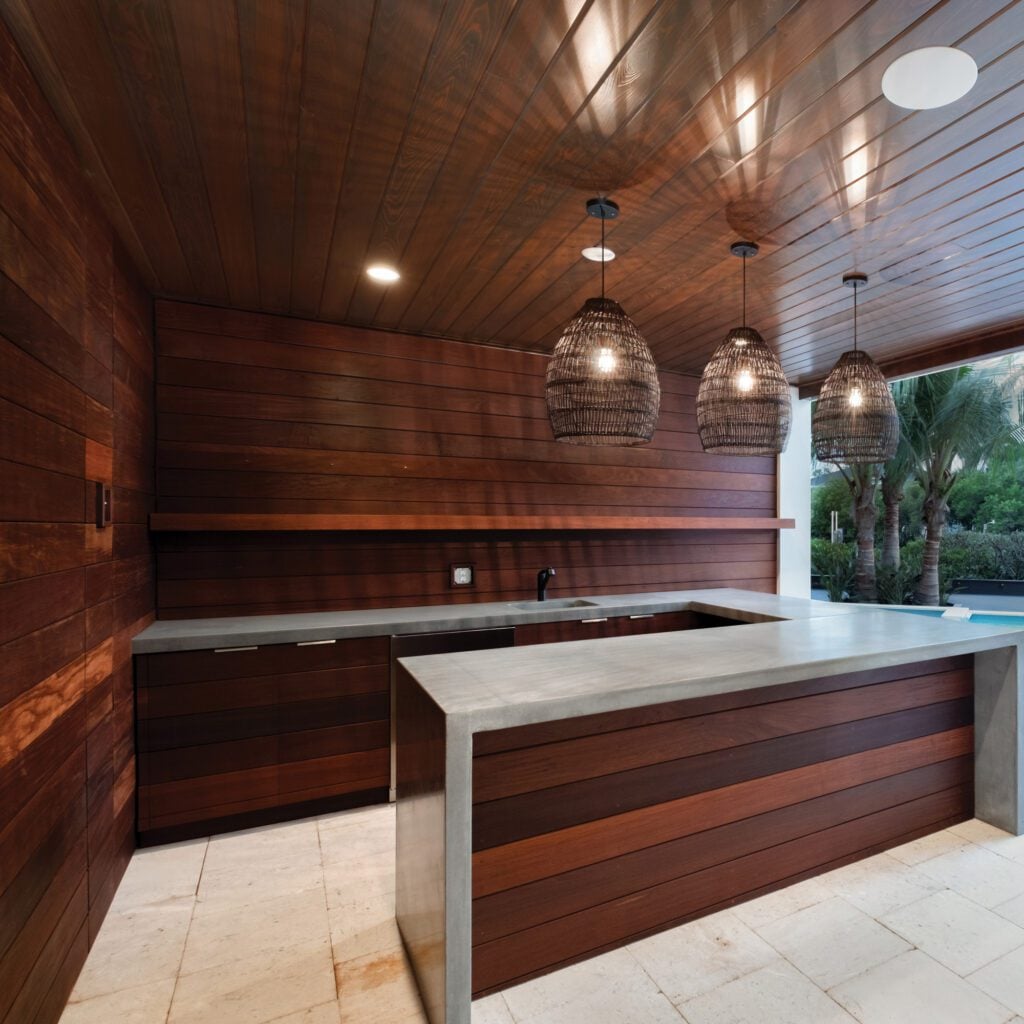
Traditionally reserved for horizontal surfaces, decking both hardwood and composite is now being installed vertically on walls, façades, and even ceilings. The result is a clean, modern look that blends durability with strong visual appeal.
This approach is increasingly being used in both residential and commercial projects, where creating a seamless connection between materials is a key part of the design.
What Does It Mean to Use Decking as Cladding?
Using decking as cladding involves applying deck boards to vertical surfaces instead of (or in addition to) traditional siding materials. This can include:
- Full exterior façades
- Accent walls
- Entryways
- Soffits and ceilings
In many cases, the same boards used for a deck are extended onto nearby walls, creating a smooth transition between horizontal and vertical surfaces.
Depending on the look you are going for, different board profiles such as square edge, grooved, or even shiplap-style boards can be used to create varying levels of shadow lines and visual depth.
Why This Trend Is Growing
Enhanced Aesthetic: Adding Warmth and Texture
One of the biggest drivers behind this trend is the visual impact. Decking boards, especially natural hardwoods, introduce warmth, texture, and depth that other cladding materials often lack.
When paired with materials like concrete, steel, or brick, wood and wood-look decking softens the overall appearance. This contrast helps balance modern architecture, preventing it from feeling too cold or industrial.
A More Cohesive, Unified Design
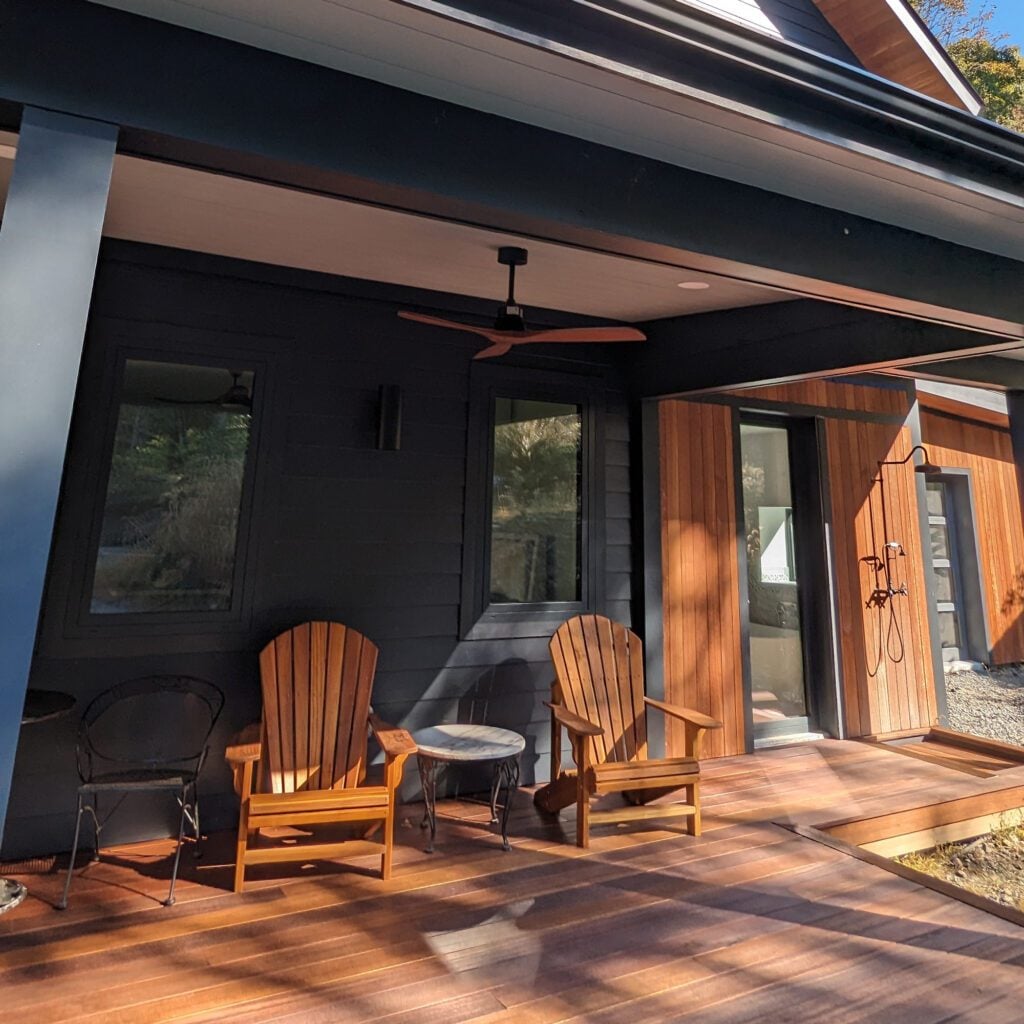
Using the same material for both decking and cladding creates a consistent, intentional look. Rather than treating outdoor surfaces as separate elements, this approach ties everything together.
For example:
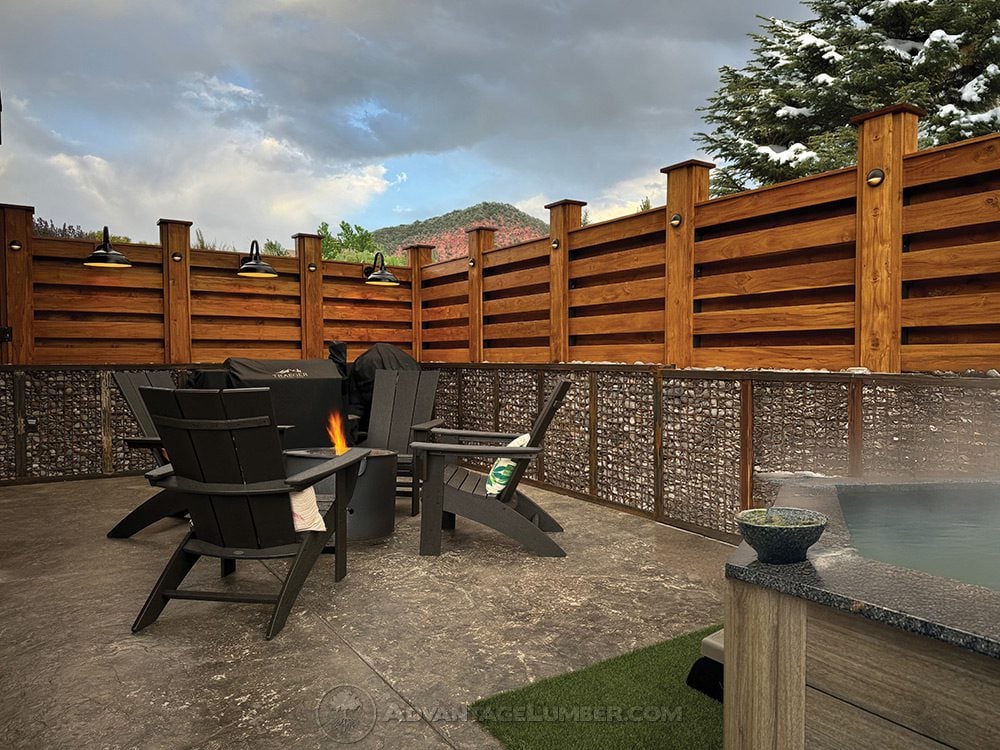
- A deck that transitions directly into a vertical privacy wall
- Cladding that wraps into an outdoor living space or covered patio
- Matching soffits that complete the design
This ensures the deck feels like an extension of the home’s architecture rather than a separate structure—one of the defining principles in modern exterior design.
Designed for Exterior Performance
Decking materials are engineered to perform outdoors, making them a strong candidate for cladding applications.
Both hardwood and composite decking offer:
- Resistance to moisture and decay
- Stability in changing temperatures
- Long-term durability in harsh weather conditions
Because of this, they often perform as well as or better than many traditional siding materials.
Pairing Decking Cladding with Other Materials
One of the most effective ways to use decking as cladding is alongside other exterior materials. This layered approach adds depth and visual interest while keeping the design balanced.
Common pairings include:
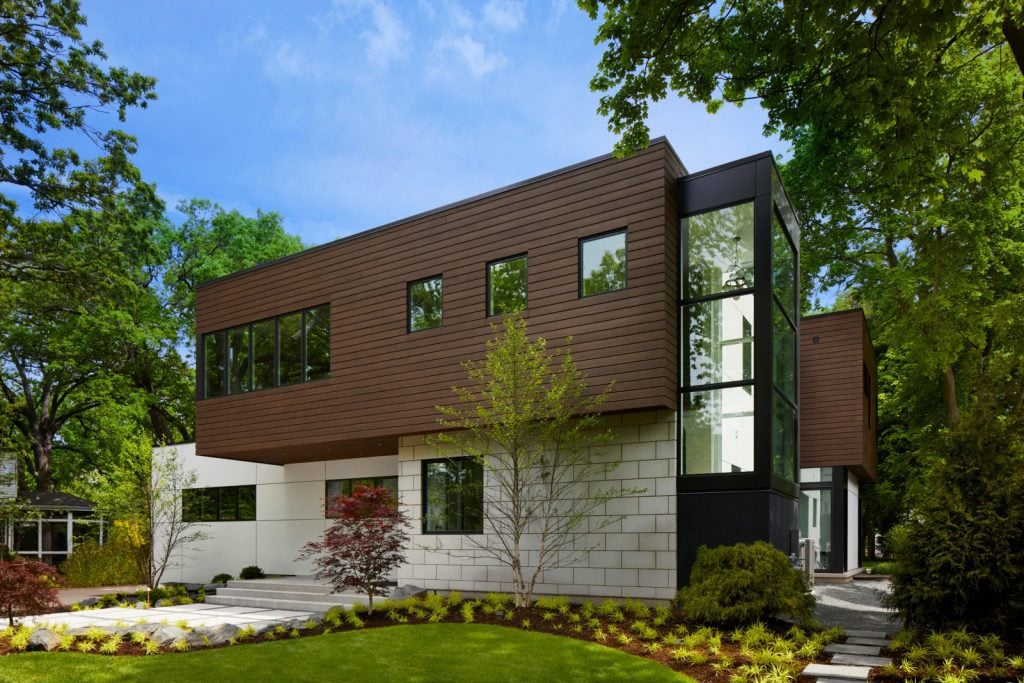
- Wood cladding with concrete for a modern, softened look
- Decking accents against brick for added warmth and contrast
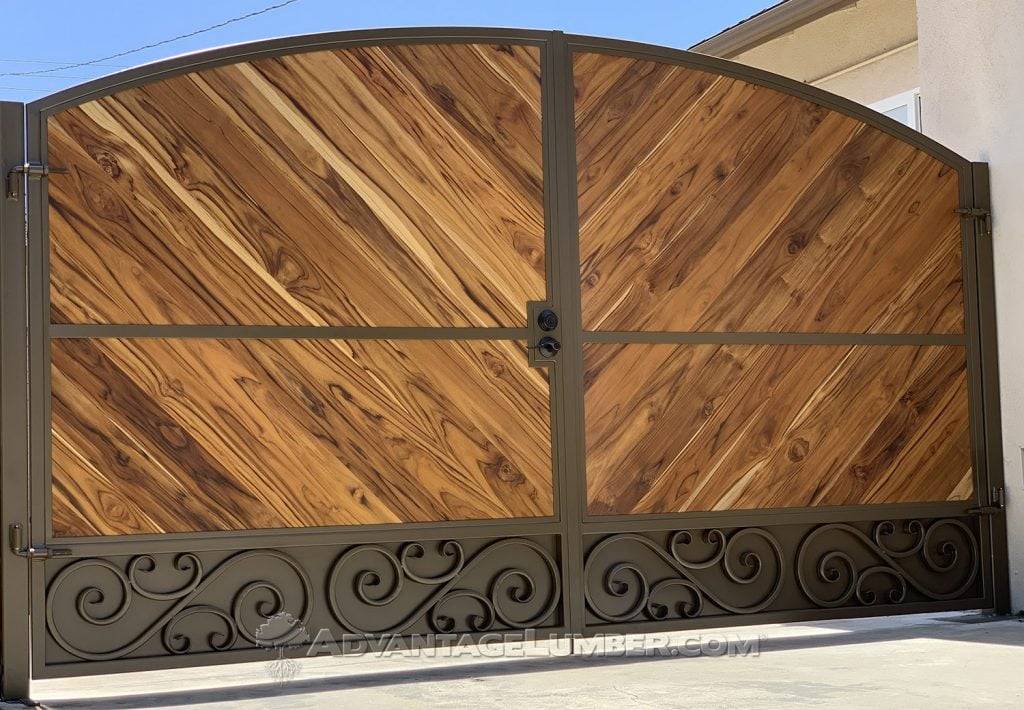
- Wood tones combined with metal panels for a sleek, contemporary feel
Choosing complementary tones and textures helps maintain a cohesive exterior without overwhelming the design.
Material Options for Decking as Cladding
Hardwood Decking
Hardwood species are a natural fit for cladding due to their durability and rich appearance.
- Ipe: Extremely dense and long-lasting, with deep brown tones
- Cumaru: Known for its golden hues and excellent wear resistance
- Tigerwood: Offers bold grain patterns for a more dramatic look
- Teak: Highly resistant to moisture with a smooth, refined appearance
Hardwoods can be allowed to weather into a silver-gray patina or maintained to preserve their original color.
Composite & PVC Decking
Composite and PVC decking products are increasingly used for cladding due to their low-maintenance appeal. Leading brands like Trex, TimberTech, Deckorators, and Tangent offer options designed for durability, color consistency, and minimal upkeep. These materials are ideal for homeowners who want a consistent appearance and long-lasting performance without ongoing maintenance.
Key Benefits of Using Decking as Cladding
Durability
Decking boards are built to withstand heavy outdoor exposure. When used vertically, they experience less direct wear, which can help extend their lifespan even further.
Low Maintenance Options
Composite and PVC decking require little more than occasional cleaning. Hardwood cladding, while requiring periodic maintenance, offers unmatched longevity and natural beauty.
Design Flexibility
Decking can be installed:
- Horizontally for a sleek, linear look
- Vertically to emphasize height
- In mixed patterns for added visual interest
This flexibility allows it to work across a wide range of architectural styles.
Strong Visual Contrast
Pairing decking cladding with materials like stone, brick, or metal creates contrast that enhances curb appeal. The natural tones of wood help break up large surfaces and add dimension.
Where This Trend Works Best
Using decking as cladding is especially effective in:
- Modern and contemporary homes
- Transitional designs blending traditional and modern elements
- Outdoor living spaces with covered patios or feature walls
- Commercial or mixed-use buildings looking for a high-end exterior finish
Its versatility makes it a strong choice for projects focused on both performance and design.
Important Installation Considerations
Proper installation is critical to ensure long-term performance.
- Ventilation: Use a rainscreen system or furring strips to allow airflow
- Moisture Management: Install appropriate barriers behind the cladding
- Expansion and Contraction: Especially important for composite materials
- Manufacturer Guidelines: Always confirm the product is approved for vertical use
Following these best practices helps protect the structure and maximize the lifespan of the material.
A Trend That Is Here to Stay
Using decking as cladding reflects a broader shift in how materials are used in residential design. Instead of limiting products to a single purpose, homeowners and designers are creating cohesive spaces that flow seamlessly from one surface to another.
It combines the timeless appeal of natural materials with the clean lines of modern design, making it a versatile option across a wide range of architectural styles.
By combining durability, versatility, and strong visual appeal, decking used as cladding offers a unique way to elevate both the look and performance of a home.
Need Help Choosing the Right Materials?
If you are considering using decking as cladding, selecting the right material is key to achieving the look and performance you want.
Our team can help you compare hardwood, composite, and PVC options to find the best fit for your project. Whether you are designing a full façade or adding a simple accent wall, we are here to help you bring your vision to life.
