
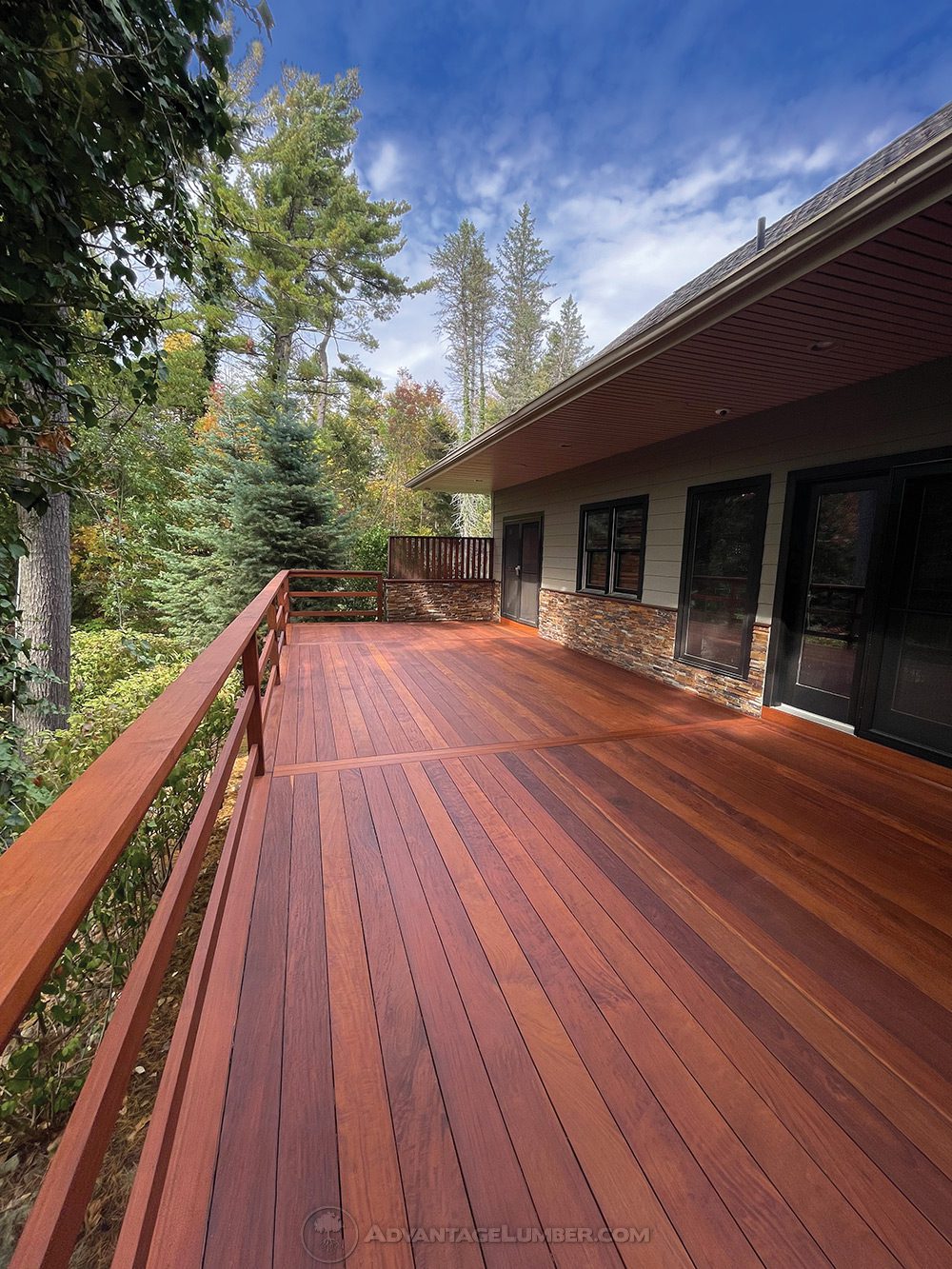
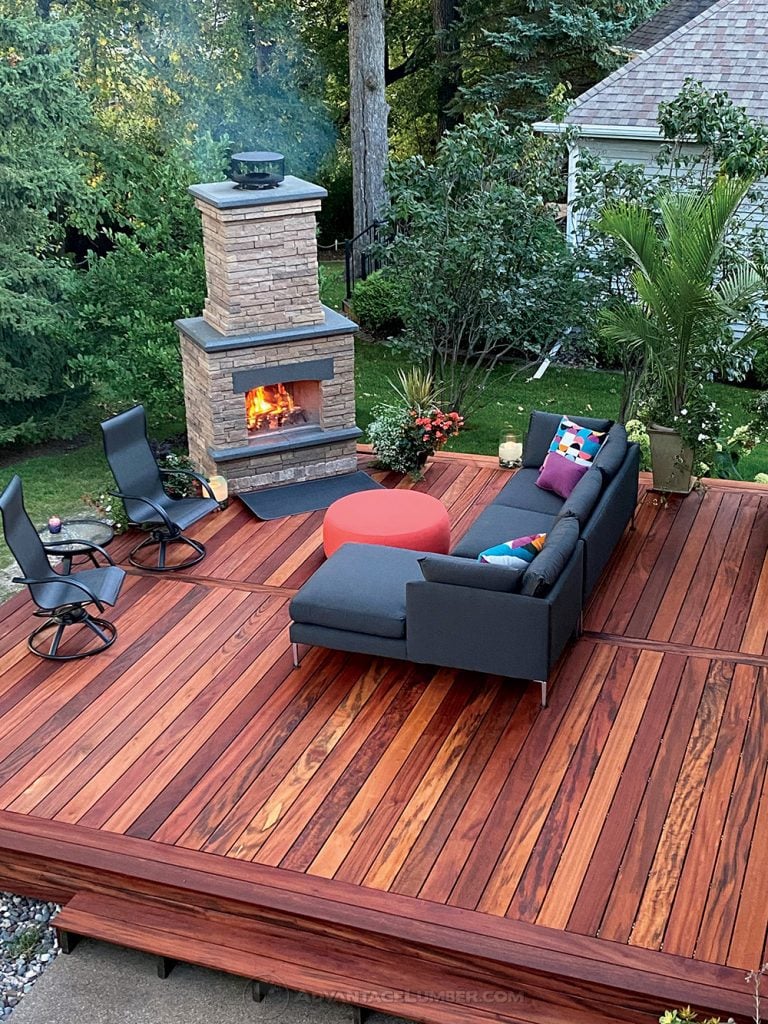
Hardwood decking is one of the most durable and beautiful materials you can choose for your outdoor living space. Species like Ipe, Cumaru, and Tigerwood are naturally dense, resistant to rot and insects, and capable of lasting 30–50+ years when installed correctly.
Hardwood decking is not pressure treated lumber. It is significantly denser, harder, and more dimensionally stable. That is a major advantage but it also means installation mistakes can be costly if you treat it like softwood.
At AdvantageLumber.com, we work with DIY hardwood deck builders every day. Below are the most common mistakes we see and how to avoid them.
1. Not Pre-Drilling Hardwood Deck Boards
The mistake:
Installing hardwood decking without pre-drilling for screws.
Why it is a problem:
Hardwoods are extremely dense. Driving screws without pre-drilling can:
- Split board ends
- Snap screws
- Cause mushrooming around fasteners
- Lead to improper fastening depth
How to avoid it:
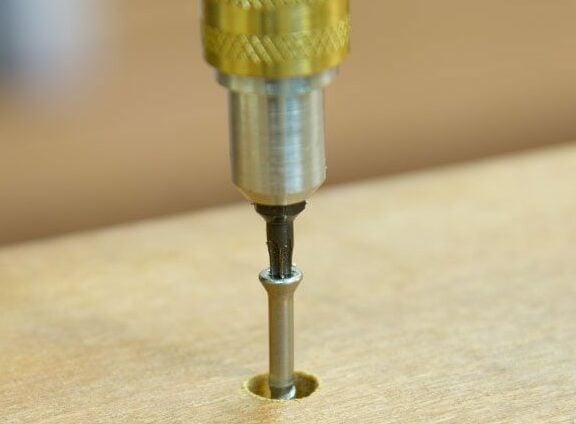
- Always pre-drill face screws
- Use high-quality stainless steel screws
- Consider hidden fastening systems designed specifically for hardwood decking
Hardwood is not forgiving like pine. Take the extra time to drill properly.
2. Using the Wrong Fasteners
The mistake:
Using coated or standard deck screws instead of stainless steel.
Why it is a problem:
Hardwoods contain natural tannins and oils. When combined with moisture, these can corrode inferior fasteners, causing:
- Black staining around screws
- Fastener failure
- Structural weakening over time
How to avoid it:
- Use 305 or 316 stainless steel screws
- Use hidden deck fasteners rated for hardwood
- Avoid mixing incompatible metals
Cutting corners on fasteners can shorten the life of an otherwise 40-year deck.
3. Incorrect Joist Spacing for Hardwood
The mistake:
Assuming hardwood decking can span like composite or ignoring local building code.
Why it is a problem:
While hardwood decking is stronger and stiffer than most composite or PVC boards, framing must still meet code requirements and support your layout pattern.
Many hardwood boards can technically span wider distances. However, local building codes commonly require:
- 16″ on-center joist spacing for residential decks
- Closer spacing for diagonal installations or stairs
How to avoid it:
- Confirm local code requirements
- Frame based on your installation pattern
- Add additional blocking where needed for borders and picture framing
Do not overbuild unnecessarily but do not underbuild and risk bounce or inspection failure.
4. Ignoring Proper Board Spacing
The mistake:
Installing hardwood boards too tight.
Why it is a problem:
Even though hardwood is more stable than pressure treated lumber, it still expands and contracts with moisture changes.
If boards are installed too tightly:
- They can press against each other during wet seasons
- Edges may buckle
- Fasteners can be stressed
How to avoid it:
- Follow spacing recommendations based on moisture content at installation
- In many cases, 3/32″ to 1/8″ spacing is appropriate
- Allow end gaps where boards meet
Hardwood moves less but it does move.
5. Skipping End Sealing
The mistake:
Cutting hardwood deck boards to length and installing them without sealing the end grain or using an improper sealer.
Why it is a problem:
End grain absorbs moisture more quickly than the face of the board. Even dense hardwoods can experience:
- Increased end checking
- More pronounced cracking
- Uneven moisture movement
While checking is natural in hardwood, proper sealing helps control the rate of moisture exchange and reduces the severity.
How to avoid it:
- Apply a sealer to every field-cut end immediately after cutting
- Use a high-quality end grain sealer specifically designed for hardwood decking
We recommend DeckWise End Grain Sealer, a water-based formula designed to slow moisture absorption in hardwood end grain. It is easy to apply and compatible with dense tropical hardwood species.
This is a small step that makes a noticeable difference in long-term performance and appearance.
6. Not Using Joist Tape on the Frame
The mistake:
Installing premium hardwood decking over unprotected pressure treated framing.
Why it is a problem:
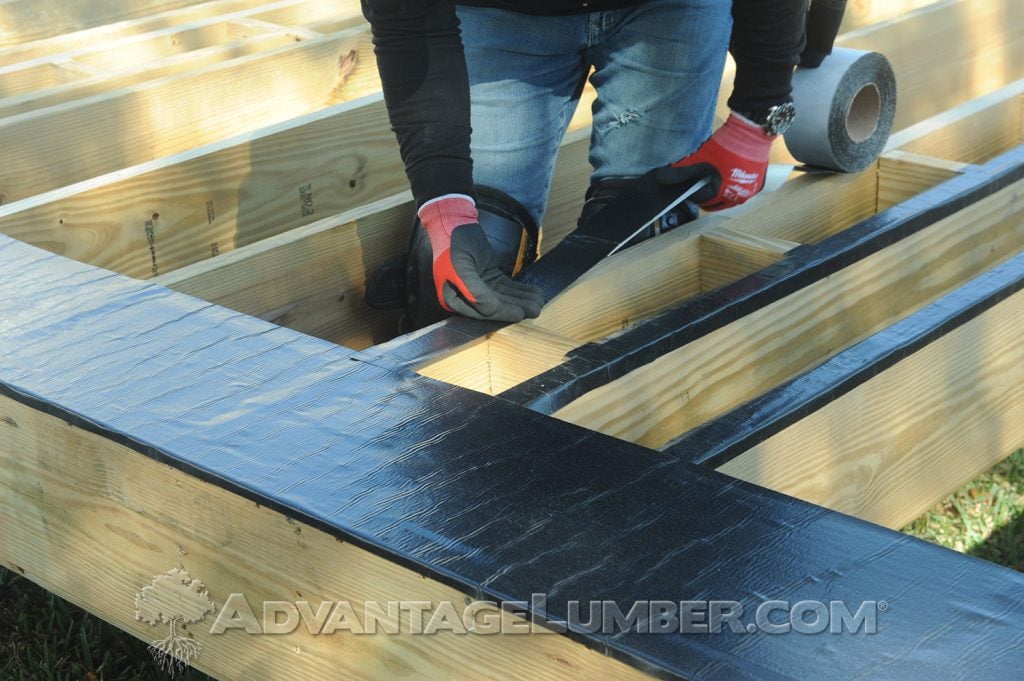
One of the first places a deck fails is not the decking. It is the top of the joists. Moisture gets trapped between the hardwood deck board and the joist below. With limited airflow and sunlight, this area stays damp.
Over time, this leads to:
- Accelerated rot of framing
- Fastener corrosion
- Structural weakness
How to avoid it:
- Apply joist tape to all joists and beams before installing decking
- Tape the ledger board as well
- Ensure flashing is properly installed
Protecting your framing can significantly extend the life of your entire deck.
7. Treating Hardwood Like Pressure Treated Lumber
The mistake:
Assuming hardwood needs heavy staining or chemical treatment.
Why it is a problem:
Hardwood decking is naturally resistant to rot and insects. It does not require chemical preservatives like pressure treated lumber.
Improper finishes can:
- Peel or flake
- Trap moisture
- Create unnecessary maintenance
How to avoid it:
- Use penetrating hardwood oil if you want to maintain color
- Allow the wood to naturally weather to a silver-gray if you prefer low maintenance
- Avoid film-forming coatings
Hardwood performs best when you let the material do what it was engineered by nature to do.
8. Not Planning for Picture Framing and Board Layout
The mistake:
Starting installation without a layout plan.
Why it is a problem:
- Board seams may not land on joists
- Borders may lack proper support
- The finished deck can look inconsistent
How to avoid it:
- Plan your layout before installation
- Add blocking for seams and borders
- Order appropriate lengths to reduce waste
Hardwood decking is a premium material. A thoughtful layout maximizes both appearance and yield.
9. Underestimating the Tools Required
The mistake:
Using standard homeowner-grade tools for dense hardwood.
Why it is a problem:
Hardwoods are significantly harder than softwoods. Dull blades and weak drills lead to:
- Burn marks
- Rough cuts
- Slow installation
- Frustration
How to avoid it:
- Use carbide-tipped saw blades
- Use high-quality drill bits designed for hardwood
- Replace bits when dull
The right tools dramatically improve efficiency and finish quality.
Build It Right the First Time
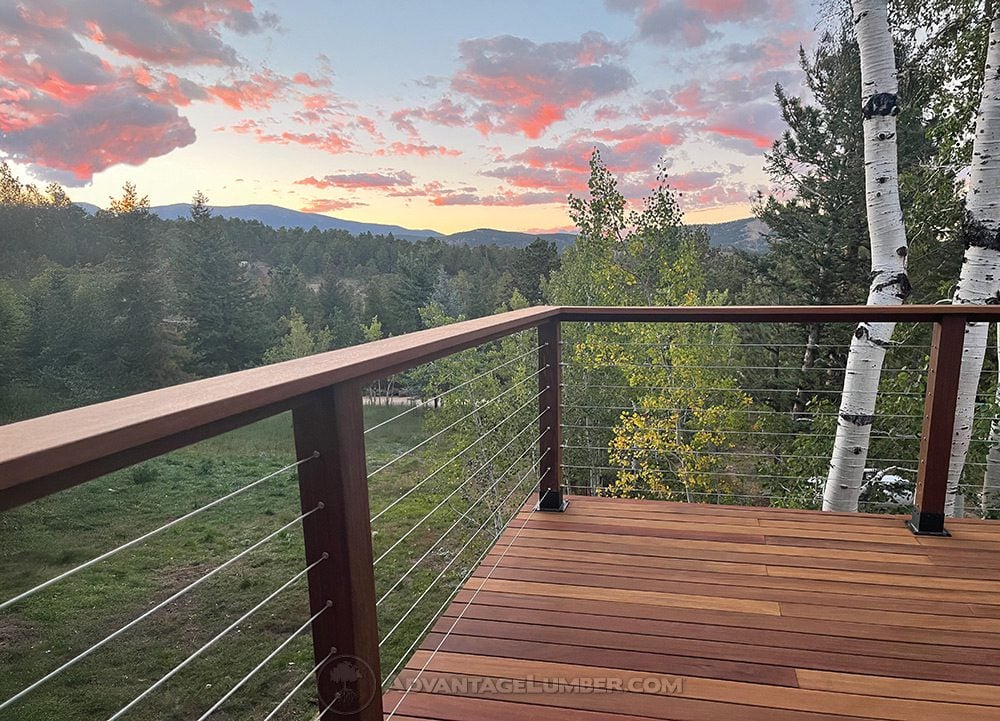
Hardwood decking is one of the best long-term investments you can make in your outdoor living space. When installed correctly, species like Ipe and Cumaru can outlast pressure treated options by decades.
Most hardwood deck failures are not material failures—they are installation mistakes.
At AdvantageLumber.com, we help DIY homeowners:
- Choose the right hardwood species
- Calculate proper material quantities
- Select correct fasteners and accessories
- Plan framing and layout before construction begins
Planning a hardwood deck? Contact AdvantageLumber.com for free deck planning assistance, expert advice, and premium hardwood decking built to last.
