
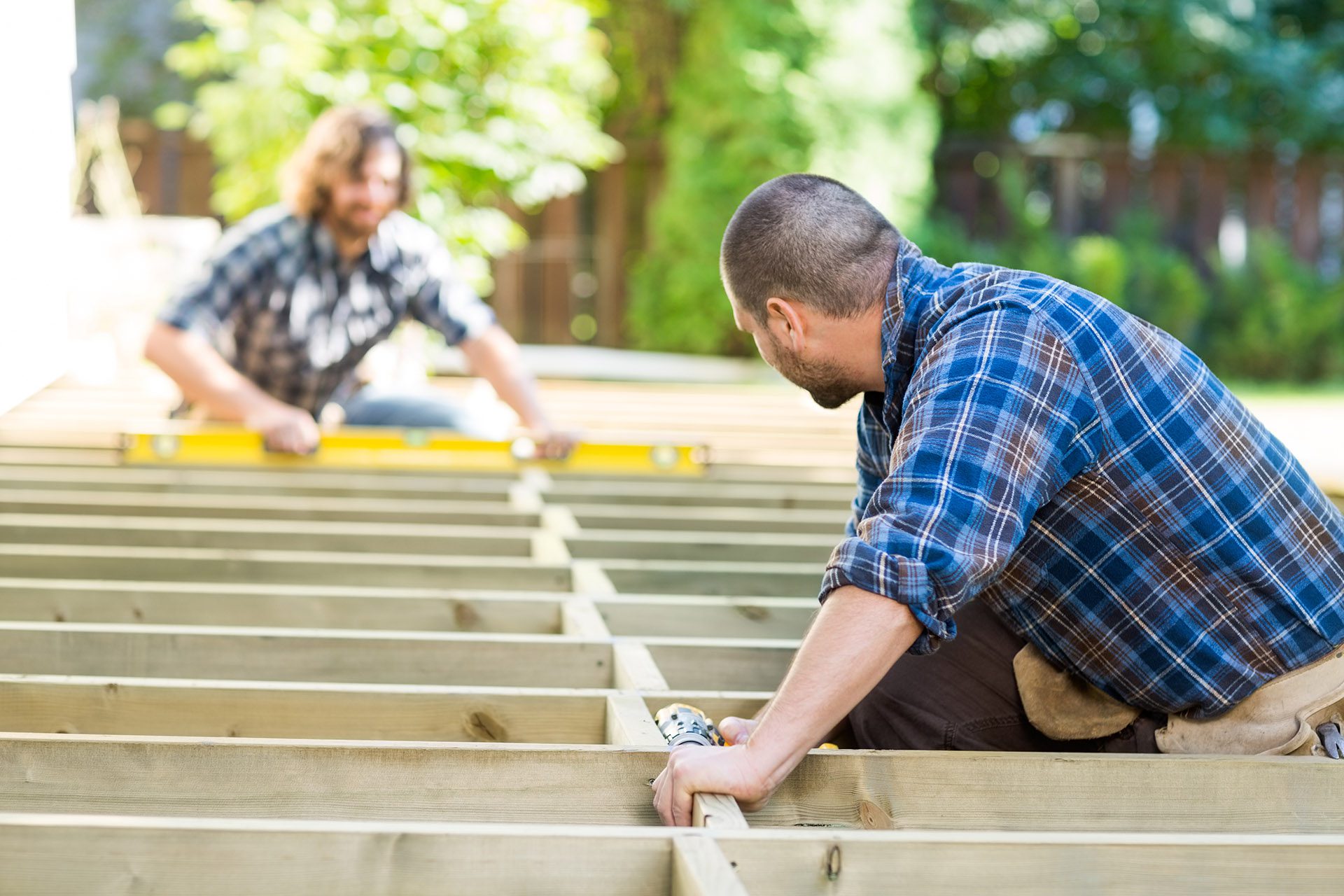
Cold weather does not have to put your decking project on hold. While winter installations come with additional considerations, decking can be installed successfully in colder temperatures when the right materials are used and proper installation practices are followed.
Many professional builders install decks year-round. The key is understanding how different decking materials respond to temperature and moisture changes and planning accordingly especially when it comes to spacing, fastening, and long-term movement.
General Cold-Weather Deck Installation Considerations
Before looking at specific materials, there are a few universal factors that apply to any winter deck installation:
- Temperature matters: Most decking installations are safest when temperatures are consistently around or above freezing (approximately 32°F). Extreme cold can affect material flexibility, fastener performance, and tool efficiency.
- Dry conditions are critical: Snow, ice, or standing water on framing can compromise both safety and long-term deck performance.
- Seasonal movement must be anticipated: Decking materials contract in colder, drier winter conditions and expand during warmer, more humid summer months due to temperature and moisture changes in the material.
- Plan for extra time: Deck construction often takes longer in winter. Handling materials, fastening, and measuring can be slower when working in heavier clothing or gloves.
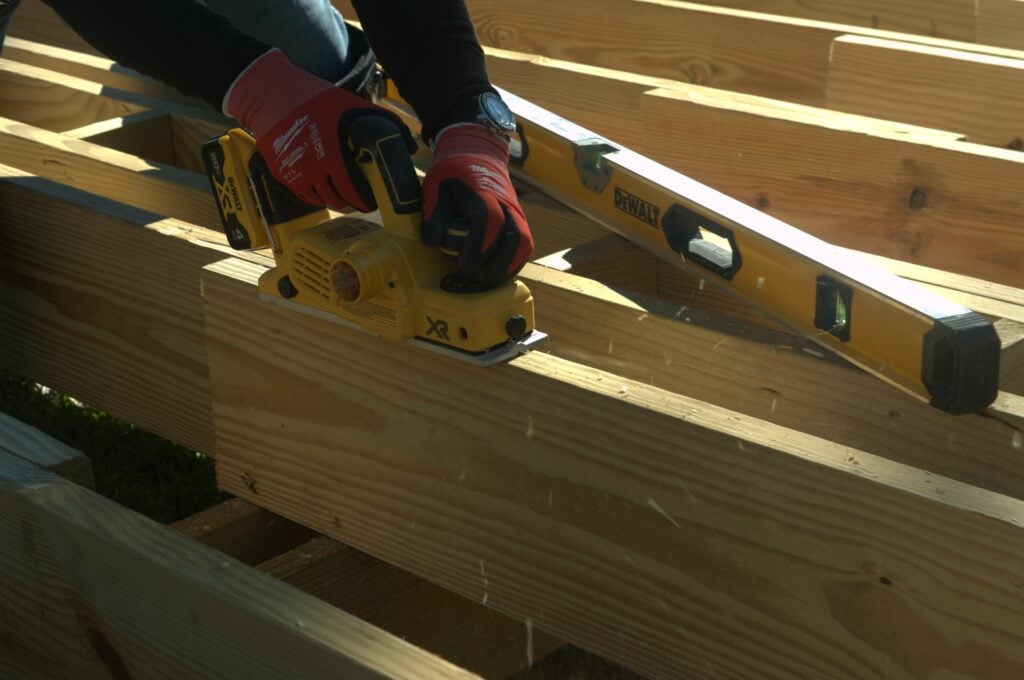
Proper planning during installation helps prevent issues such as buckling, excessive gapping, or fastener failure once warmer weather returns.
Installing Tropical Hardwood Decking in Cold Weather
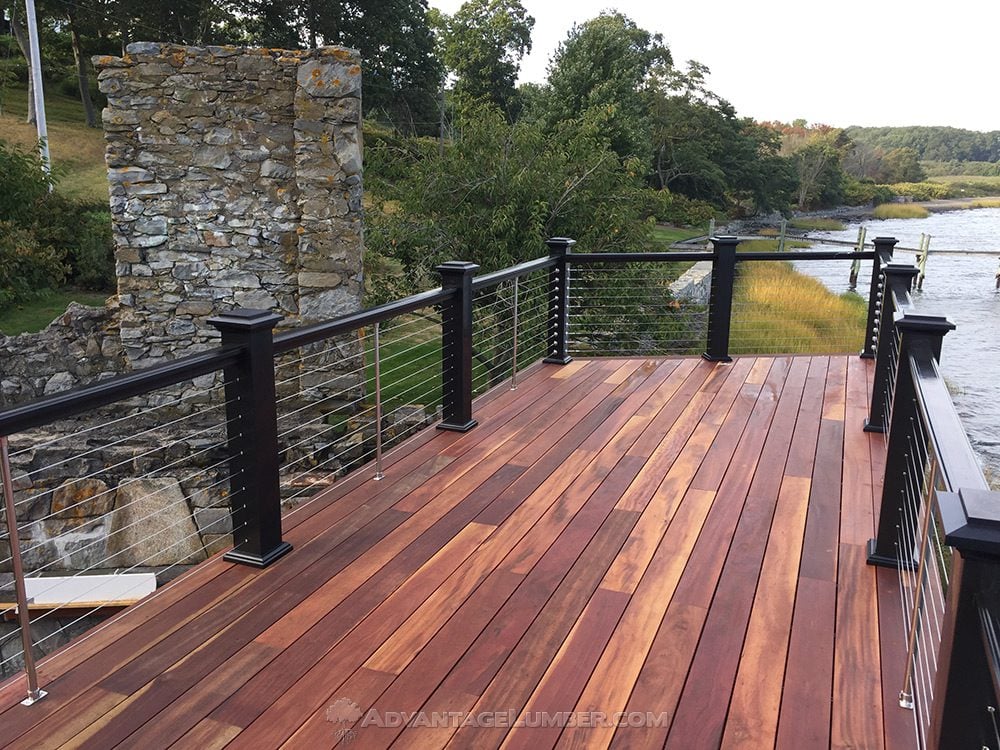
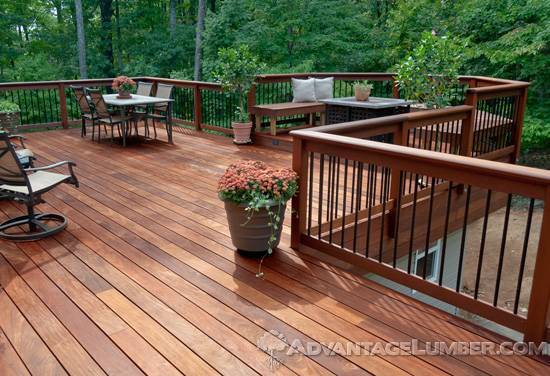
Tropical hardwoods such as Ipe, Cumaru, Garapa, and other premium species are among the best decking options for cold-weather installation.
Why Tropical Hardwoods Perform Well in Winter
- Naturally dense and dimensionally stable
- Lower moisture content than pressure-treated lumber
- Expand primarily in width
- Less dramatic seasonal movement compared to composite or PVC decking
Cold-Weather Installation Best Practices
- Follow manufacturer-recommended gapping: Boards installed in winter will be at their narrowest. Proper side-to-side spacing is critical to allow for expansion during warmer, more humid months.
- Always pre-drill: Tropical hardwoods require pre-drilling year-round. Cold temperatures make this even more important to prevent splitting and fastener failure.
- Protect materials on-site: Cover decking boards with a tarp to protect them from snow and ice while keeping them elevated off the ground. Allow airflow to prevent trapped moisture or condensation.
When installed correctly, tropical hardwood decks remain stable through seasonal temperature and moisture changes.
Composite Decking and Cold Weather
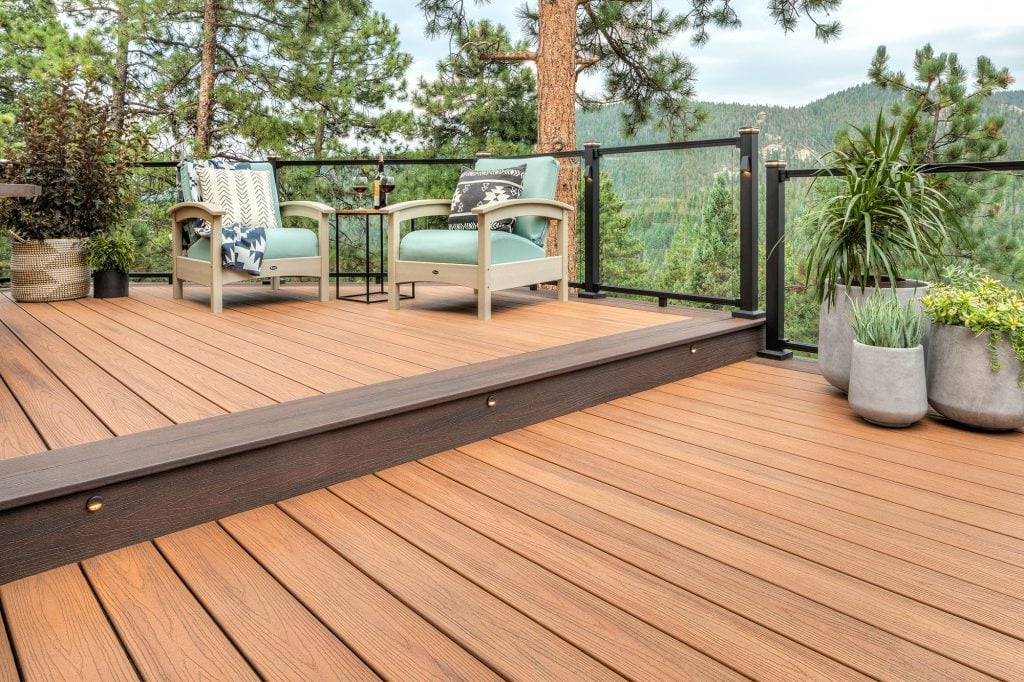
Composite decking can be installed in cold weather, but it requires close attention to manufacturer guidelines.
Key Considerations
- Composite decking expands and contracts more than natural wood.
- Unlike hardwoods, composite boards expand primarily in length.
- Improper winter spacing can lead to buckling or compression issues in summer.
- Boards may be more rigid and susceptible to edge damage in colder temperatures.
Best Practices
- Always check the gap and spacing requirements provided by the manufacturer, especially for cold-weather installations.
- Allow boards to acclimate on-site before installation.
- Avoid installing below the manufacturer’s minimum recommended temperature.
PVC Decking in Cold Temperatures
PVC decking is generally the most temperature-sensitive option.
Limitations
- Becomes stiff and more difficult to work with in cold weather
- Higher risk of cracking or fastening issues if installed outside approved temperature ranges
- Experiences significant expansion as temperatures rise
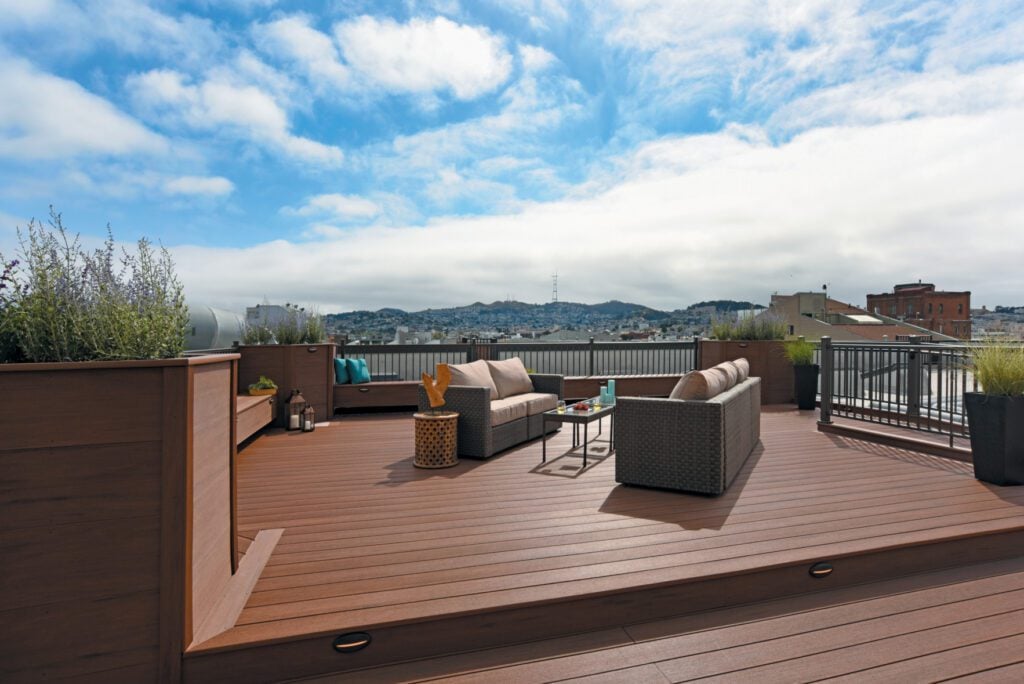
PVC decking should only be installed within the manufacturer’s specified temperature range and with expansion gaps designed specifically for cold-weather installation.
Framing, Fasteners, and Finishing in Winter
Cold weather affects more than just decking boards.
- Substructure: Pressure-treated framing should be dry and properly spaced. Framing installed wet in winter may shrink as it dries, affecting deck stability.
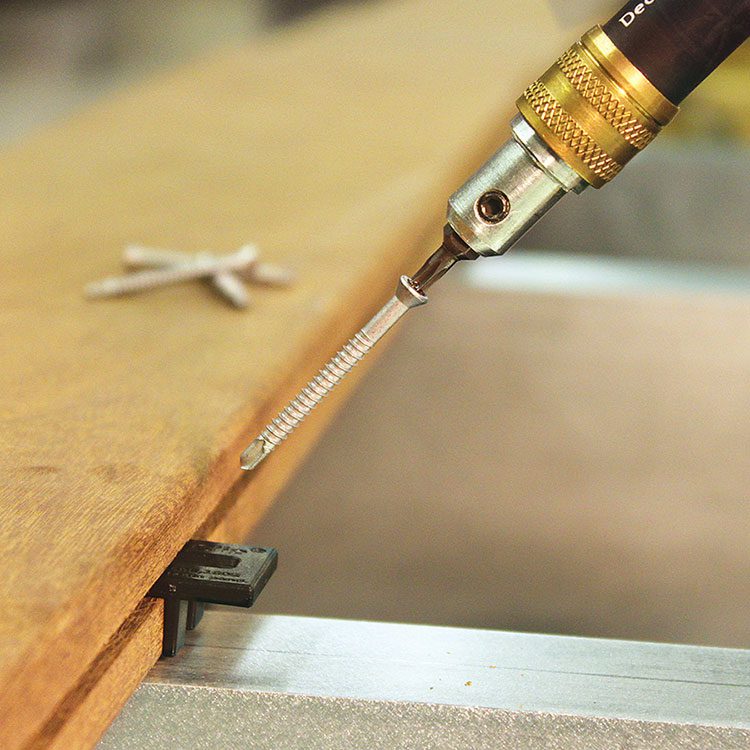
- Fasteners: Cold temperatures can impact torque and fastening depth. Take care to avoid over-driving screws.
- Finishes: Most deck oils and stains should not be applied below 40–50°F. In many cases, it is best to install the deck in winter and apply the finish in spring.
Advantages of Installing a Deck in Winter
Cold-weather installation can offer some unexpected benefits:
- Your deck is ready for spring: Installing in winter allows you to enjoy your deck as soon as warmer weather arrives.
- Less impact on landscaping: Installing during winter is often easier on vegetation, as plants are dormant and soil disturbance is less damaging.
- Improved scheduling: Builders and installers may have greater availability during the off-season.
Final Thoughts: Is Cold-Weather Deck Installation Worth It?
Yes, decking can be installed in cold weather, but material choice and installation accuracy matter more than ever.
- Tropical hardwood decking offers the most reliable cold-weather performance
- Composite and PVC decking require strict adherence to spacing and temperature guidelines
- Expansion occurs primarily in summer, while contraction happens in winter due to temperature and moisture changes
- Mistakes made during winter installation often appear months later
Always follow the specific installation guidelines provided by the decking manufacturer, as spacing and temperature requirements vary by product.
Planning a winter deck project? Contact Advantage Lumber to speak with a decking specialist and get expert guidance on choosing the right materials for your climate and installation timeline.