
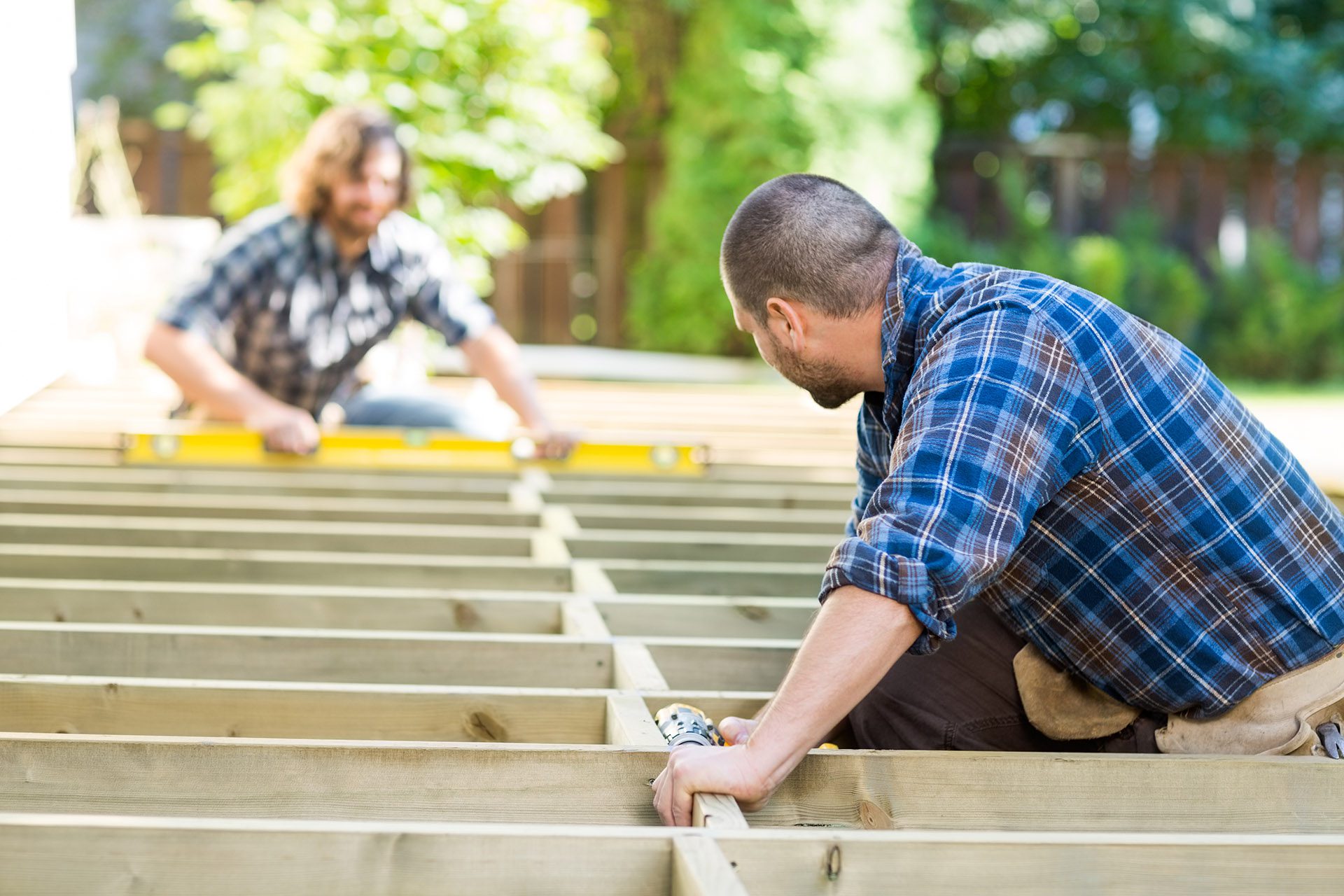
Building your own deck can be incredibly rewarding. You save money on labor, customize the design, and end up with an outdoor space you can truly be proud of. But deck projects are also one of the most commonly misdesigned DIY home improvements—and mistakes can be expensive, unsafe, or both.
At AdvantageLumber.com, we work with DIY homeowners every day. We’ve seen what works, what fails, and what causes decks to be torn out just a few years (or sometimes months) later. Below are the top 10 deck design mistakes DIYers make, along with practical advice on how to avoid them.
1. Skipping Proper Planning and Permits
The mistake:
Many DIYers jump straight into building without checking local building codes or securing permits.
Why it’s a problem:
Deck codes exist for safety—especially for footings, railing height, stair geometry, and load requirements. Ignoring them can lead to failed inspections, fines, or being forced to tear down your deck.
How to avoid it:
- Check local building codes before designing
- Pull permits when required
- Design to code from the start, not as an afterthought
💡 AdvantageLumber.com offers free deck planning and material takeoffs, helping DIYers design code-compliant decks the first time.
2. Designing Without Considering Drainage
The mistake:
Placing deck boards too tightly together or ignoring water runoff under the deck.
Why it’s a problem:
Poor drainage traps moisture, which leads to:
- Rotting deck boards
- Premature frame failure
- Mold and mildew buildup
How to avoid it:
- Use proper board spacing (especially important for hardwoods and composites)
- Slope the deck slightly away from the house
- Plan for airflow beneath the deck
3. Underbuilding the Deck Frame (Wrong Joist Spacing for Your Decking)
The mistake:
Assuming all decking needs the same joist spacing—or choosing spacing based on “rules of thumb” instead of the material, the pattern, and local code.
Why it’s a problem:
Too much spacing can cause bounce, fastener issues, and visible sagging—especially with more flexible decking materials. But over-framing can also waste time and money if it isn’t needed.
How to avoid it:
Use joist spacing that matches (1) your decking type, (2) your installation pattern, and (3) local building code:
Hardwood decking (Ipe, Cumaru, Tigerwood, etc.) is stiffer and commonly installs over 16″ on-center framing. In many cases, 5/4 hardwood boards can span wider (even up to 24″ on-center), but local building codes often require 16″ on-center framing regardless—so always confirm code requirements.
Composite and PVC decking typically has more flex than hardwood, so its often recommend 12″ on-center joist spacing for a firmer feel and to reduce deflection.
Stairs, diagonal/angled installs, and complex patterns often require closer framing than standard layouts (sometimes under 12″ on-center) to support cut board ends, reduce movement, and keep the surface looking flat.
Bottom line: frame for the decking you’re using, not the decking someone else used.
4. Choosing the Wrong Decking Material
The mistake:
Selecting decking based solely on price or appearance.
Why it’s a problem:
Not all decking materials perform the same. Cheap materials may:
- Rot quickly
- Get dangerously hot
- Fade, crack, or warp
How to avoid it:
Match the material to your climate, usage, and maintenance expectations:
- Hardwoods like Ipe, Cumaru, and Tigerwood for longevity
- Thermally modified wood for stability without chemicals
- Composite or PVC for low maintenance
AdvantageLumber.com specializes in premium decking materials proven to last decades—not just years.
5. Ignoring Heat Buildup on Deck Surfaces
The mistake:
Designing a deck with dark composite or PVC boards in full sun.
Why it’s a problem:
Dark decking absorbs heat, making surfaces unsafe for:
- Bare feet
- Children
- Pets
How to avoid it:
- Choose lighter deck colors in sunny hot climates
- Use dark boards as picture frame accents, not the entire deck
- Consider hardwoods, which stay cooler than many composites but darker hardwoods like Ipe can still get hot but the wood feels more comfortable then most similar colored composite or PVC decking.
6. Poor Stair and Railing Design
The mistake:
Treating stairs and railings as an afterthought.
Why it’s a problem:
Improper stair rise/run or weak railings are a major safety hazard—and one of the top reasons decks fail inspections.
How to avoid it:
- Follow code requirements for stair geometry
- Use solid stringers and proper blocking
- Choose durable railing systems like aluminum deck railing, which offers strength and clear sightlines
7. Forgetting About Future Maintenance
The mistake:
Designing a deck that’s hard to maintain, clean, or refinish.
Why it’s a problem:
Tight spaces, inaccessible fasteners, and poor layout make maintenance frustrating—leading many homeowners to neglect their deck.
How to avoid it:
- Allow access under the deck
- Choose materials that match your willingness to maintain
- Use hidden fastening systems designed for your decking type
8. Exposing Board Ends Instead of Picture Framing
The mistake:
Leaving deck board ends exposed on edges and stairs.
Why it’s a problem:
Exposed ends:
- Absorb moisture
- Split and crack faster
- Look unfinished
How to avoid it:
- Picture frame the deck perimeter
- Use fascia boards to cover cut ends
- Plan framing layout to support clean borders
9. Not Planning for Expansion and Movement
The mistake:
Installing boards too tight or ignoring seasonal movement.
Why it’s a problem:
Wood and composites expand and contract. Without room to move, boards can:
- Buckle
- Creak
- Warp
- Snap screws
How to avoid it:
- Follow manufacturer spacing guidelines
- Adjust spacing based on material type and climate
- Use fastening systems designed to allow movement like
10. Trying to Save Money in the Wrong Places
The mistake:
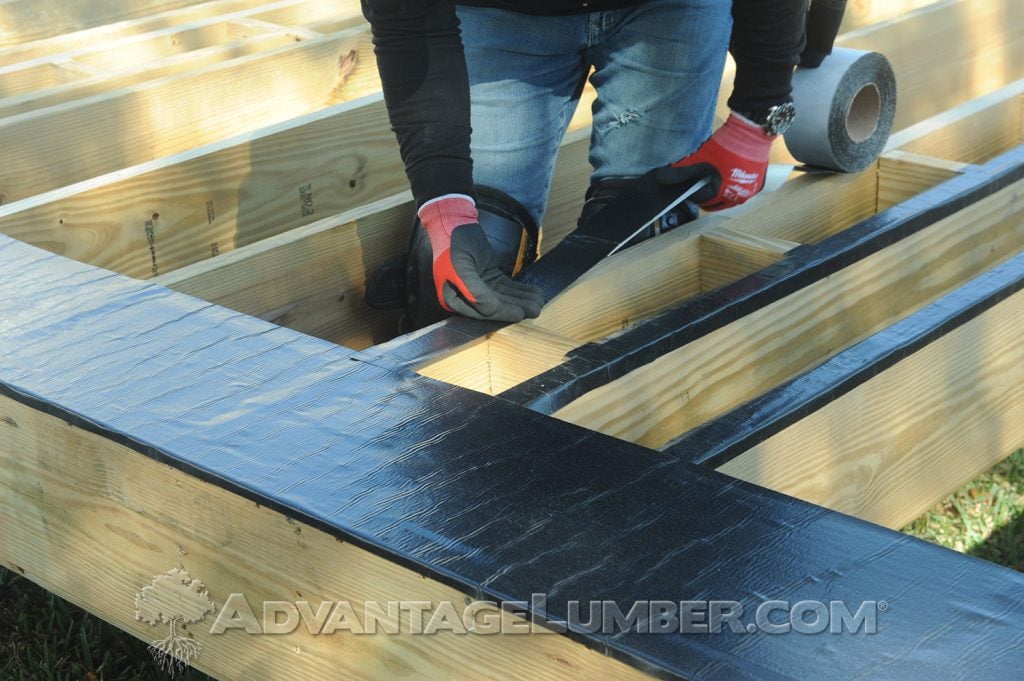
Cutting costs on framing, fasteners, joist and ledger tape or structural components while spending on visible features.
Why it’s a problem:
Cosmetic upgrades won’t matter if the deck fails structurally.
How to avoid it:
- Invest in high-quality framing and fasteners
- Use stainless steel fasteners for hardwoods
- Spend where it counts: structure first, aesthetics second
- Use joist and ledger tape on wood deck frames
Build It Right the First Time
DIY deck projects don’t fail because homeowners aren’t capable—they fail because of poor planning and material choices. With the right guidance and proven materials, a DIY deck can outperform many contractor-built decks.
At AdvantageLumber.com, we help DIYers:
- Choose the right decking materials
- Design code-compliant decks
- Avoid costly mistakes before construction begins
👉 Need help planning your deck? Contact AdvantageLumber.com for free deck planning assistance, expert advice, and premium materials built to last.