
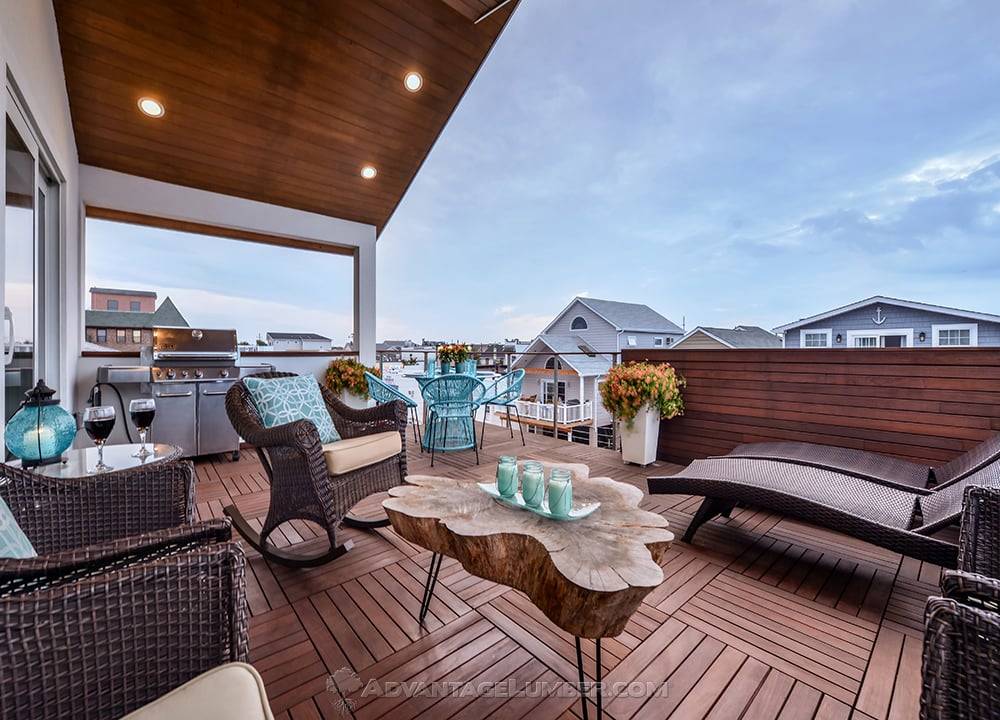
Pros and Cons of Rooftop Decks
Rooftop decks have become increasingly popular in urban and suburban homes alike, transforming underutilized roof space into vibrant outdoor living areas. Whether you’re looking to host summer barbecues, create a serene garden retreat, or simply enjoy panoramic views, a rooftop deck can elevate your home’s functionality and appeal.
But like any home improvement project, it’s essential to weigh the advantages against the potential drawbacks. In this post, we’ll explore the pros and cons of rooftop decks. We’ll also highlight some of the best materials to ensure your project is durable, stylish, and practical.
At AdvantageLumber.com, we’re experts in premium decking solutions, and we’ll share insights on why our products are a top choice for rooftop applications.
The Pros of Rooftop Decks
Rooftop decks offer unique benefits that ground-level decks simply can’t match. Here are some of the key advantages:
- Maximized Outdoor Space: In densely populated areas or homes with limited yard space, a rooftop deck provides an extra layer of usable square footage. It’s like adding a bonus room without expanding your home’s footprint.
- Stunning Views and Privacy: Elevated above street level, rooftop decks often deliver breathtaking vistas of cityscapes, sunsets, or natural surroundings. Plus, they offer a private oasis away from nosy neighbors or passersby.
- Increased Property Value: A well-designed rooftop deck can boost your home’s resale value significantly. Real estate experts note that outdoor living spaces are a hot commodity, and a rooftop setup stands out as a premium feature.
- Versatile Usage: These decks can serve multiple purposes—from lounging areas with fire pits and hot tubs to green roofs with planters and solar panels. They’re ideal for entertaining or creating a peaceful escape.
- Eco-Friendly Potential: Rooftop decks can incorporate green elements like permeable surfaces or vegetation, helping with storm water management and urban heat reduction.
The Cons of Rooftop Decks
While the allure is strong, rooftop decks come with challenges that require careful planning:
- Structural and Weight Concerns: Not all roofs are built to support the added load of a deck, furniture, and people. You’ll need a structural engineer to assess your roof’s capacity, which can add to the project’s complexity and cost.
- Higher Installation Costs: Building on a roof involves specialized labor, waterproofing, and reinforcements, making it potentially more expensive than a traditional deck. Expect to budget for permits, inspections, and potential roof modifications.
- Maintenance and Accessibility Issues: Roofs are exposed to extreme weather, leading to faster wear on materials. Accessing the roof for repairs or cleaning can be tricky, especially if the deck isn’t designed for easy removal.
- Weather Exposure: Wind, sun, rain, and snow can be more intense at higher elevations, potentially shortening the lifespan of your deck unless you choose weather-resistant materials.
- Zoning and Safety Regulations: Local building codes may restrict rooftop decks due to height, fire safety, or noise concerns. Railings, fire escapes, and wind barriers are often mandatory.
Despite these cons, many homeowners find the rewards outweigh the risks with proper design and material selection.
The Best Materials for Rooftop Decks
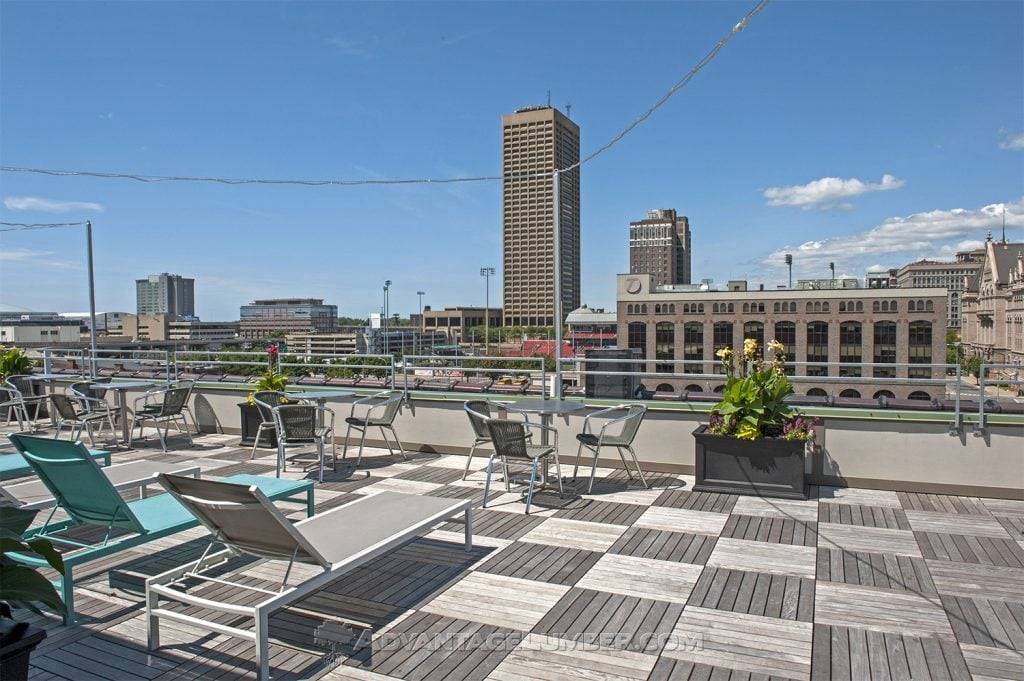
Choosing the right materials is crucial for a rooftop deck’s longevity, especially considering the need for lightweight yet durable options that can withstand harsh conditions. At AdvantageLumber.com, we specialize in high-quality decking solutions tailored for rooftop environments. Here’s a look at some top choices, including our customer favorites.
Hardwood Deck Tiles: Versatile and Easy to Maintain
One of the most popular options for rooftop decks is our hardwood deck tiles. These interlocking tiles are designed for quick installation over flat roofs, providing a beautiful, elevated surface without permanent alterations. A major advantage is their removability—they can be lifted relatively easily for access to the underlying roof during repairs or inspections, minimizing disruption.
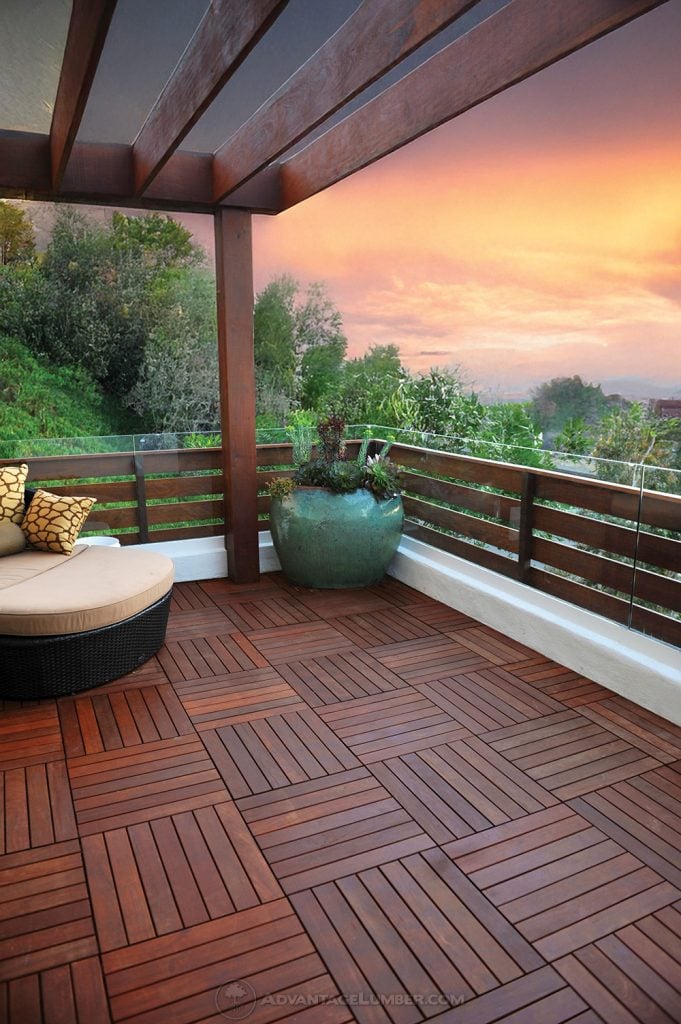
Our deck tiles are available in a variety of premium hardwood species known for their durability and natural resistance to weathering:
- Ipe: Often called “ironwood,” Ipe is incredibly dense and resistant to rot, insects, and UV damage, making it ideal for exposed rooftops.
- Cumaru: With a rich, reddish-brown hue, Cumaru offers excellent strength and affordability, perfect for high-traffic areas.
- Tigerwood: Featuring striking tiger-like stripes, this species combines beauty with natural oils that enhance weather resistance.
- Brazilian Redwood: Known for its deep red tones and exceptional hardness, it’s a go-to for long-lasting rooftop installations.
- Teak: Prized for its golden color and superior moisture resistance, Teak is a luxurious choice that ages gracefully.
These tiles not only elevate the aesthetic of your space but also promote airflow and drainage, helping protect your roof membrane.
Standard Hardwood Decking Boards: Timeless and Sturdy
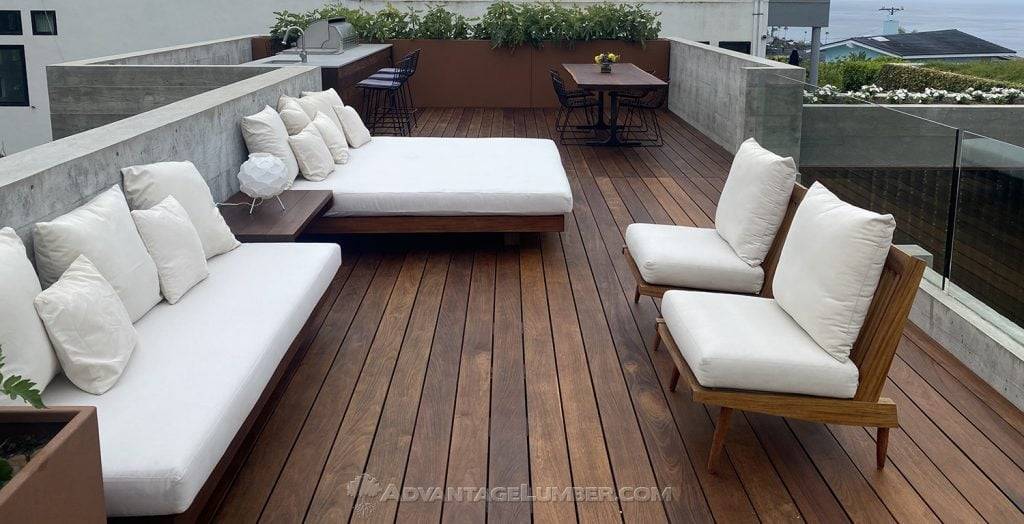
For those preferring a more traditional look, our standard hardwood decking boards are frequently used in rooftop projects. Sourced from sustainable forests, these boards offer the same species options as our tiles (Ipe, Cumaru, etc.) and can be installed with pedestal systems or sleepers to ensure proper elevation and ventilation. They’re naturally slip-resistant and low-maintenance, requiring only occasional sealing to maintain their luster.
Composite Materials: Low-Maintenance Alternatives
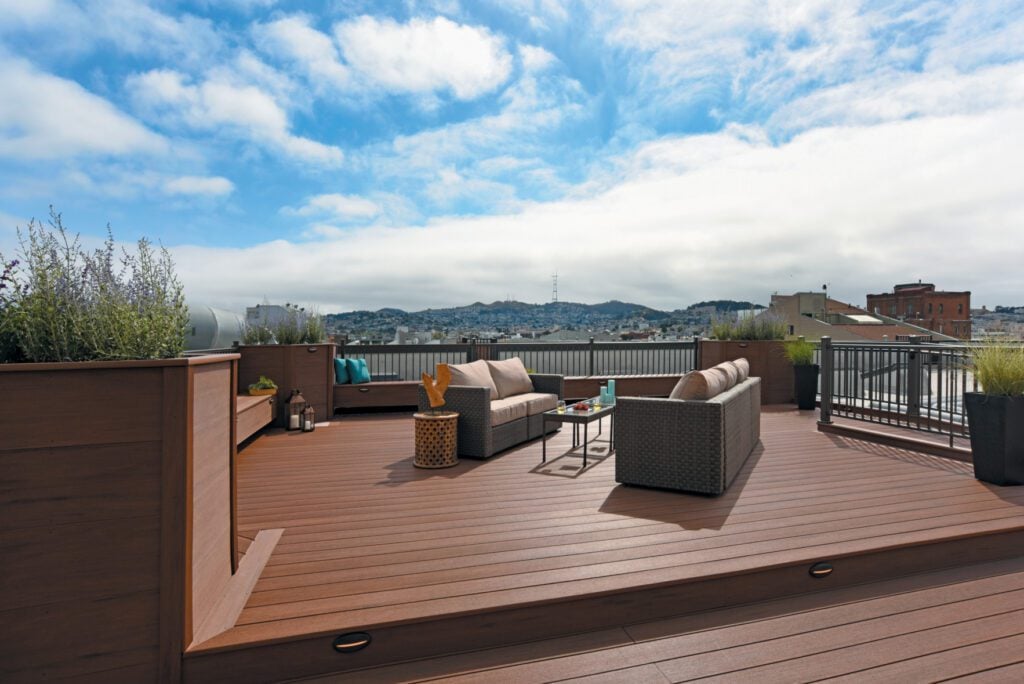
Many of our customers opt for composite decking or PVC for its ease of care and eco-friendly composition. Brands like Trex, TimberTech, and Deckorators provide capped composites and or PVC that mimic wood’s appearance without the need for staining or sealing.
These materials are lightweight, fade-resistant, and often come with long warranties—making them suitable for rooftops where minimizing weight is key. They’re also splinter-free, which is a bonus for barefoot lounging.
When selecting materials, consider factors like your local climate, budget, and desired maintenance level. Hardwoods from AdvantageLumber.com excel in sustainability and longevity, while composites shine in convenience.
Final Thoughts
Rooftop decks can transform your home into a multi-level haven, but success hinges on understanding the pros, cons, and material choices. By opting for removable, durable options like our hardwood deck tiles or boards, you can enjoy the benefits while addressing practical concerns like roof access.
Ready to build your dream rooftop deck? Browse our selection of Ipe, Cumaru, Tigerwood, Brazilian Redwood, Teak, and more at AdvantageLumber.com. Our team is here to help with expert advice, custom orders, and fast shipping. Contact us today to get started!
