
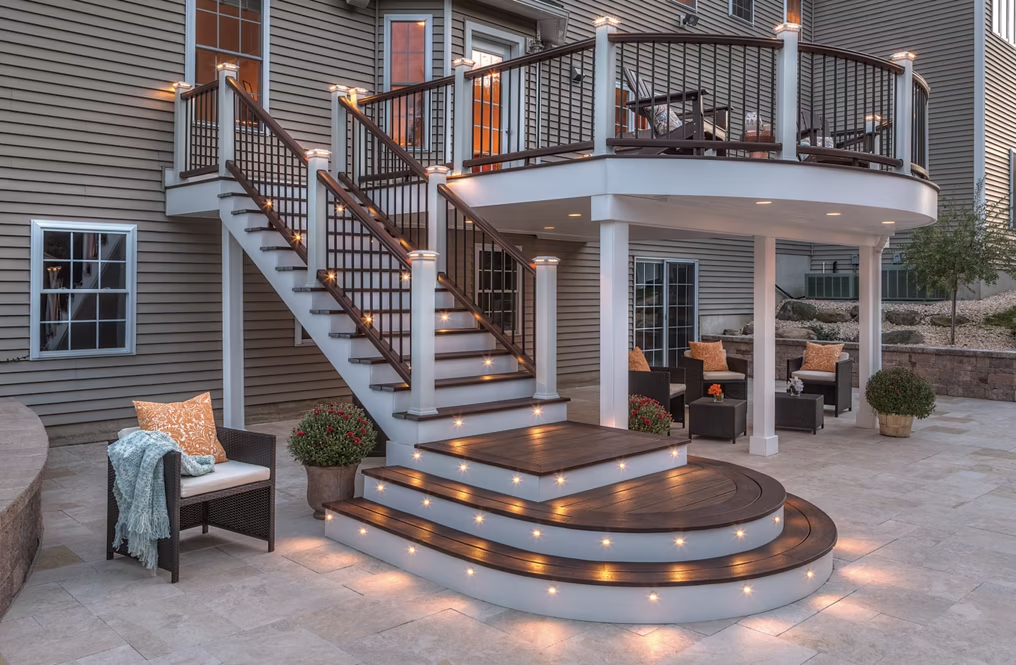
Choosing the Best for Your Deck Fascia and Stair Risers
When it comes to enhancing the look and functionality of your outdoor deck, the choice of materials for fascia boards and stair risers plays a pivotal role. These components not only provide a finished appearance but also protect the underlying structure from the elements.
At Advantage Lumber, we offer a wide selection of both hardwood and PVC trim boards to suit various needs. In this post, we’ll break down the key differences between hardwood and PVC options, highlighting their pros, cons, and ideal scenarios for use.
Understanding Deck Fascia and Stair Risers
Deck fascia refers to the vertical boards that cover the ends of the deck joists, creating a clean, polished edge around the perimeter. Stair risers are the vertical faces between each step on your deck stairs. Both elements contribute to the overall aesthetic while offering structural support and protection against moisture and debris. Selecting the right material ensures longevity, visual appeal, and ease of maintenance.
The Case for Hardwood Trim Boards
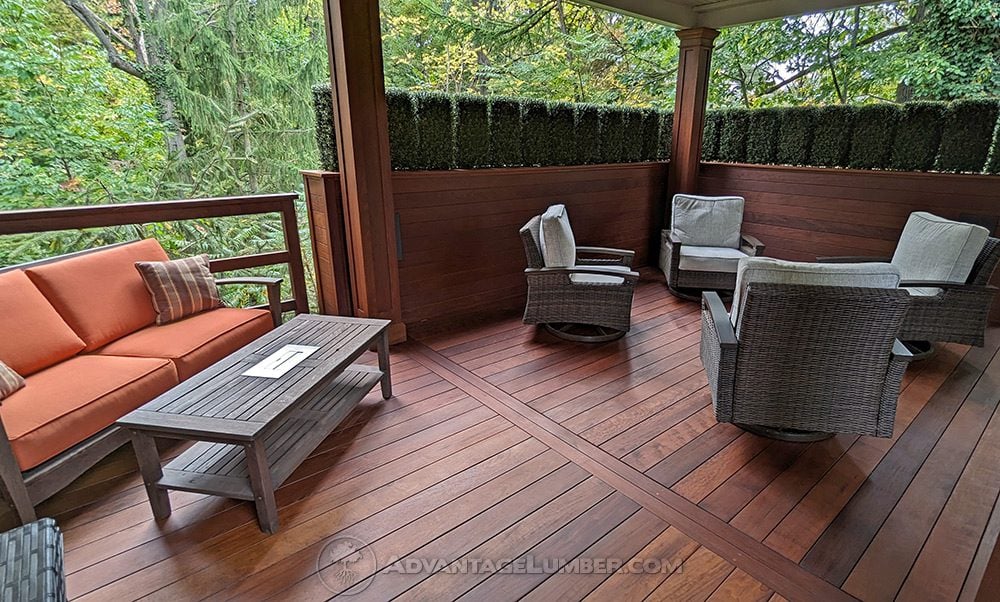
Hardwood trim boards, such as those made from species like Ipe, Cumaru, or Tigerwood, bring a natural elegance and robustness to your deck project. Known for their exceptional density and resistance to wear, hardwoods are a premium choice for outdoor applications.
Pros of Hardwood:
- Superior Durability: Hardwoods excel in high-traffic areas where scuffing, kicking, or impacts are common—think busy family decks or stairs leading to a pool. Their natural strength holds up against daily abuse without denting or cracking easily.
- Natural Beauty: With rich grains and colors that can be enhanced through staining or oiling, hardwoods provide a timeless, organic look that blends seamlessly with nature.
- Longevity: Properly maintained, hardwood can last decades, often outlasting synthetic alternatives in harsh weather conditions.
- Eco-Friendly Appeal: Sourced from sustainable forests, hardwoods like those available at Advantage Lumber are a renewable resource.
Cons of Hardwood:
- Requires periodic oiling to prevent weathering and fading.
- Some species have a higher upfront cost compared to synthetics.
- Can be heavier and more challenging to install without proper tools.
Hardwood is very durable, especially if the deck and stairs are going to get a lot of traffic where people might be kicking or scuffing up the risers. This makes it an excellent pick for households with kids, pets, or frequent gatherings.
The Case for PVC Trim Boards
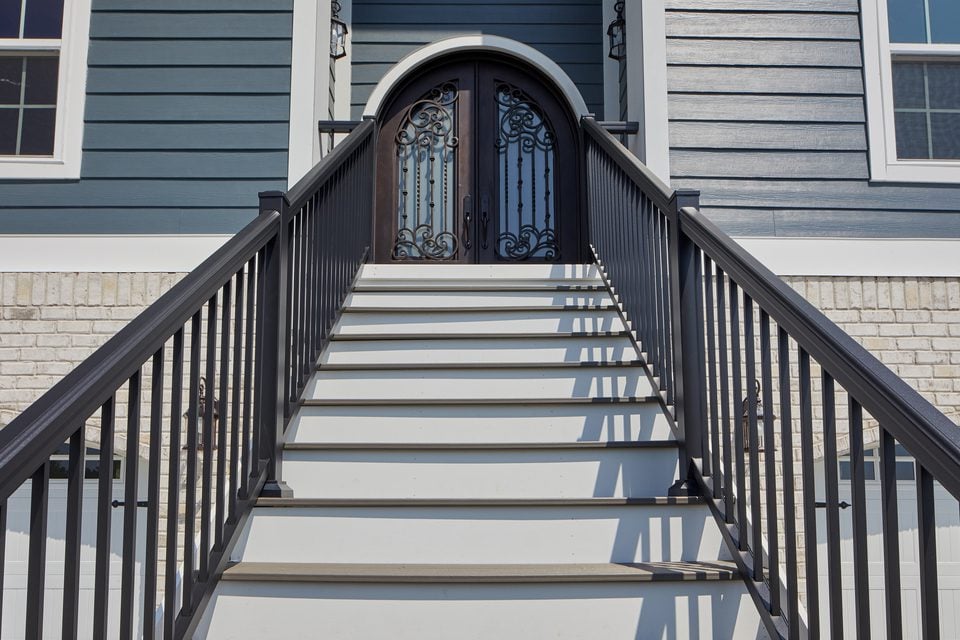
PVC (polyvinyl chloride) trim boards offer a modern, hassle-free alternative that’s gaining popularity for its versatility and ease. These synthetic boards are engineered for performance in outdoor environments without the need for ongoing care.
Pros of PVC:
- Low Maintenance: PVC resists rot, insects, and moisture, requiring no painting, staining, or sealing—just occasional cleaning with soap and water.
- Consistency and Color Options: Available in various colors, white PVC is very popular for its clean, bright appearance and ability to match other white trim components on a house, such as window frames or siding.
- Lightweight and Easy Installation: PVC is simpler to cut and install, making it ideal for DIY projects.
- Weather Resistance: It won’t warp, split, or fade in extreme temperatures or humid conditions.
Cons of PVC:
- Less impact-resistant than hardwood, potentially showing dents or scratches in heavy-use areas.
- Can expand and contract with temperature changes, requiring proper installation techniques.
- Synthetic feel that may not appeal to those preferring a natural aesthetic.
- Can get chalky and dull after several years in the sun.
White PVC is very popular for low maintenance and when matching other white trim components on a house. It’s a go-to for homeowners seeking a “set it and forget it” solution.
When to Choose One Over the Other
The best material depends on your specific priorities, budget, and deck usage. Here’s a quick guide:
- Opt for Hardwood When:
- You prioritize durability in high-traffic zones, like stairs prone to scuffs from shoes or pet claws.
- A natural, premium look is desired to complement wooden decking or landscaping.
- Long-term investment is key, and you’re willing to invest in occasional maintenance for extended lifespan.
- Environmental sustainability matters, as hardwoods from responsible sources reduce ecological impact.
- Opt for PVC When:
- Low maintenance is essential, especially in busy lifestyles or coastal/humid areas.
- You’re matching existing white or colored house trim for a cohesive exterior design.
- Budget and ease of installation are top concerns, with a focus on quick, weatherproof results.
- Visual consistency without fading is needed in sunny or rainy climates.
In summary, hardwood shines in demanding, aesthetic-focused applications, while PVC excels in convenience and uniformity. Both options are available at Advantage Lumber, where our experts can help you select the perfect fit for your project. Whether you’re building a new deck or upgrading an existing one, visit advantagelumber.com to explore our inventory and get started today!
