
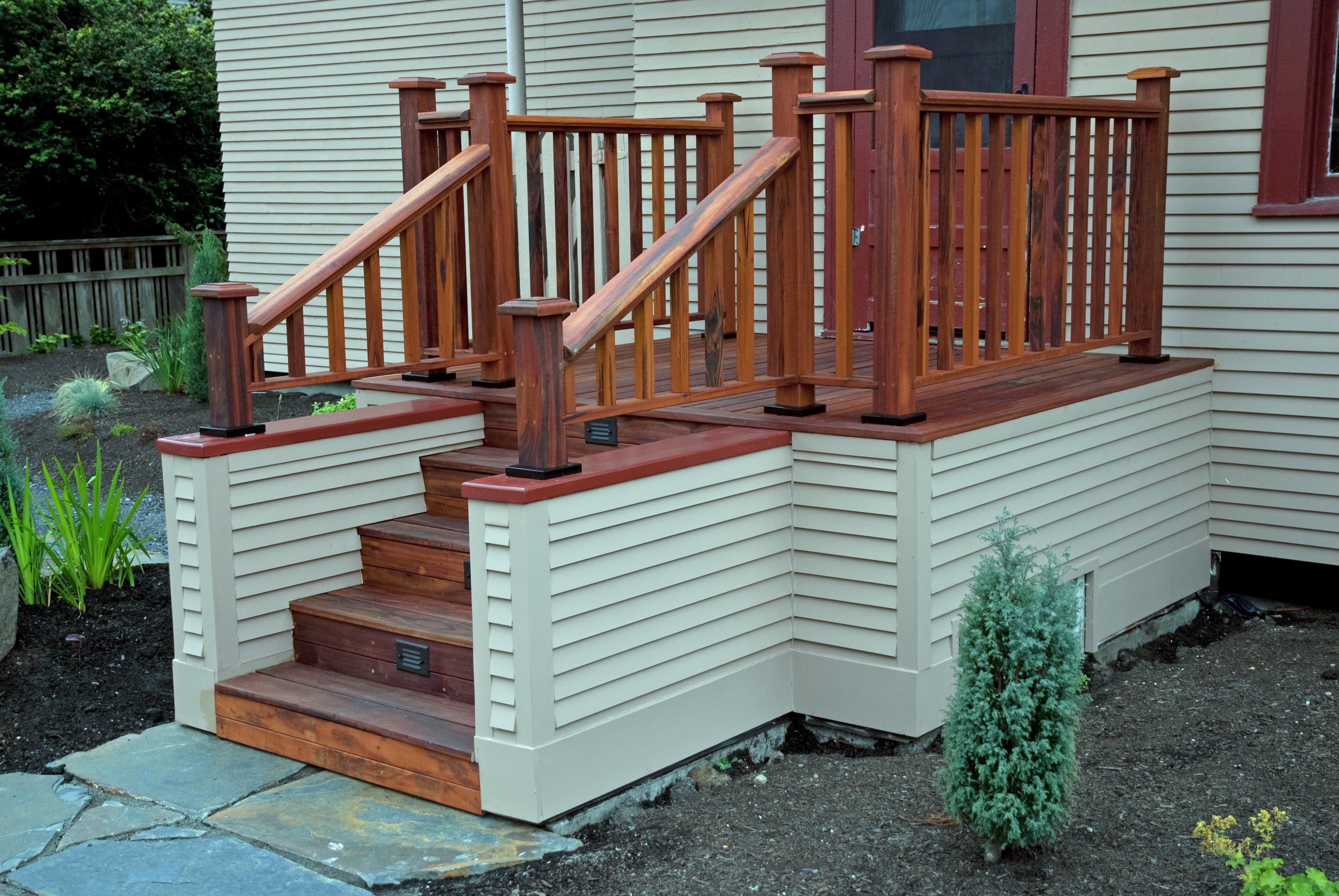
Hey deck builders, homeowners, and DIY warriors—listen up. At AdvantageLumber.com, we’ve seen thousands of decks over the years, and there’s one mistake that keeps popping up like a bad weed: completely sealing off the underside of your deck with skirting.
It looks clean. It looks modern. It hides the “ugly” underbelly of your beautiful new deck. But here’s the harsh truth: you’re turning the space beneath your deck into a giant humidor.
The Science Behind the Sauna Effect
In most parts of the country, the ground stays moist year-round. Even after a dry spell, soil retains higher moisture content than the air above it. Now add your deck on top—especially a dark-colored one—and the sun beats down all day, radiating heat into the trapped space below.
No airflow + trapped heat + ground moisture = a perfect sauna.
The air underneath your deck becomes warm, damp, and stagnant. Think of it like a greenhouse with no vents. That humidity has nowhere to go… except up into your deck boards. This can and will lead to faster rotting of your pressure treated wood frame as well. If this is a concern consider steel deck framing or aluminum deck framing.
Why This Destroys Wood Decking (And Harms Composites Too)
With wood decking—whether it’s Ipe, Cumaru, Garapa, or pressure-treated pine—this creates a tale of two environments:
- Top side: Dry, breezy, sun-baked.
- Bottom side: Hot, humid, zero airflow.
Wood is a natural sponge. It wants equilibrium. So the underside of your boards starts sucking up that moist air like a straw. The result?
Cupping. Warping. Splitting. Screws popping. Gaps shrinking.
Even composite decking isn’t immune. While it won’t rot, trapped moisture can lead to mold, mildew, and discoloration—especially in capped composites where water gets trapped between the board and the joist.
The Fix: Skirt Smart, Not Sealed
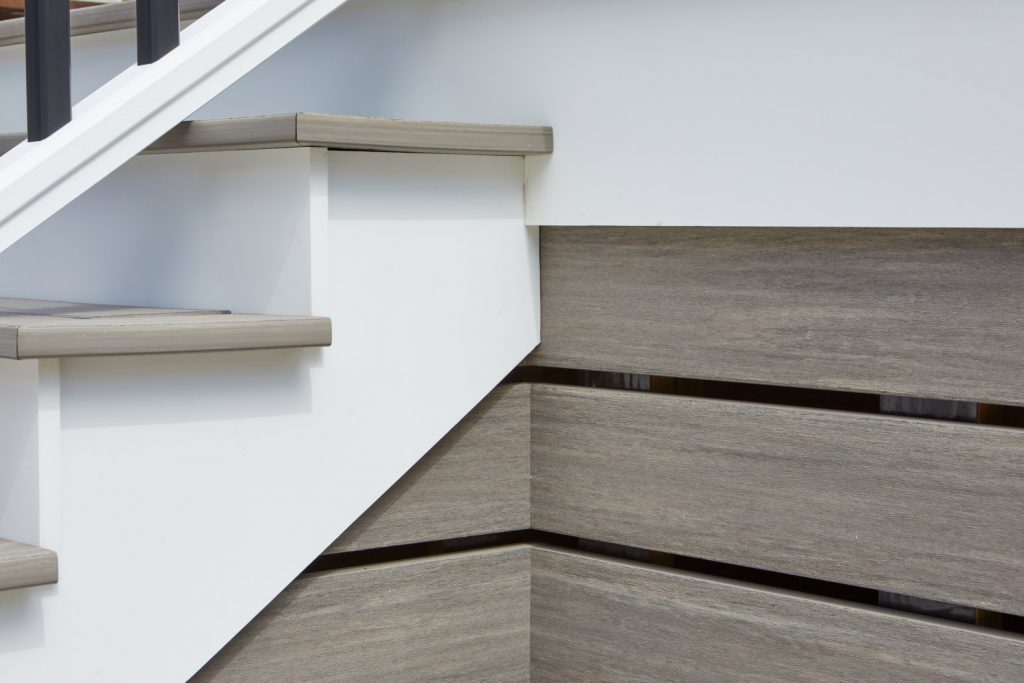
We’re not saying don’t use deck skirting. It can look fantastic when done right. Here’s how to do it without sabotaging your deck:
1. Leave Generous Ventilation Gaps
- Install skirting with at ideally 1–2 inches of gaps in between boards (or use lattice with large openings).
- Add vents every 6–8 feet along the perimeter.
- Consider removable skirting panels for easy access and airflow.
2. Use the Right Materials
- Lattice allows air and light while hiding storage. The diagonal lattice is considered a dated look but square lattice can be more visually appealing.
- Horizontal slats with gaps (like board-and-batten with spacing) work great.
- Avoid solid panels unless they’re perforated or elevated.
3. Follow Manufacturer Specs
- Always check your decking warranty and install instructions. Many wood and composite brands require minimum airflow beneath the deck.
- AdvantageLumber.com’s premium hardwoods? They thrive with ventilation. Seal them off, and you’re asking for trouble.
Pro Tip: Elevate Your Deck Higher
If you’re building new, consider raising your deck 24–36 inches off the ground. More height = better natural airflow = happier deck boards.
The Bottom Line
A fully skirted deck might win the beauty contest today, but it’ll lose the longevity pageant tomorrow. Airflow isn’t optional—it’s mandatory.
At AdvantageLumber.com, we’ve got the highest-quality hardwood decking and composite decking designed to last decades—but only if you give it the environment it needs.
Skirt for style. Vent for survival.
Ready to build a deck that looks and lasts? Shop AdvantageLumber.com now for FSC®-certified hardwoods, low-maintenance composites, and expert advice that keeps your deck breathing easy.
Your deck deserves better than a humidor. Let’s keep it dry, stable, and stunning for years to come.
