
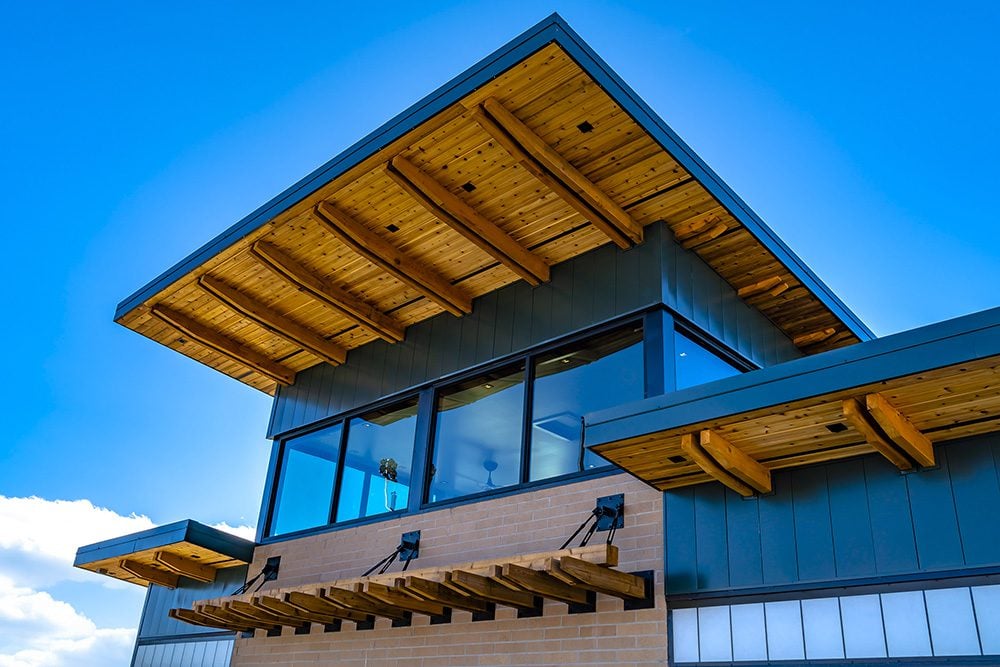
Choosing between Cypress and Cedar can feel like splitting hairs—both are lightweight, easy to work with, and naturally rot-resistant. But they aren’t identical. If you’re building in a harsh climate or watching the budget, the differences in durability, availability, and price matter.
Below is a clear, practical comparison to help you pick the right wood for siding, fencing, pergolas, outdoor furniture, and other exterior projects.
Quick Take: Side-by-Side
| Feature | Cypress (Baldcypress) | Cedar (Typically Western Red or Northern White) |
|---|---|---|
| Natural Decay Resistance | Strong in heartwood (cypressene); sapwood is non-durable | Strong, consistent decay resistance in heartwood (thujaplicins) |
| Insect Resistance | Good (especially heartwood) | Very good |
| Density / Hardness | Medium density; harder than cedar (Janka ~510 lbf) | Lighter; softer (WRC ~350 lbf) |
| Dimensional Stability | Very good | Excellent |
| Weathering | Grays to silver; takes finish well | Grays to silver; takes finish very well |
| Availability | Best in the Southeast / Gulf states; spottier in West | Widely distributed; strongest supply in the Pacific Northwest (WRC) and upper Midwest/Northeast (NWC) |
| Relative Price | Often competitive or lower than cedar in the Southeast; higher in the West | Often more competitive in the West; can be pricier in the Southeast/East due to freight |
| Best Uses | Siding, trim, shutters, outdoor furniture, porch ceilings | Siding, shingles, fencing, pergolas, outdoor furniture |
Bottom line: In hot, humid regions (Southeast), Cypress can be a smart buy if you’re getting true heartwood. In marine or cold/wet Northwest climates, Cedar’s supply consistency and proven performance make it a safe bet.
Durability in Harsh Outdoor Climates
Moisture, Rot & Bugs
- Cypress: The heartwood contains cypressene, an extractive that makes it naturally decay-resistant. In long-term exposure, heartwood Cypress performs very well, but note that sapwood is not decay-resistant—avoid it for ground contact or constant wetting. In steamy, hurricane-prone climates, Cypress heartwood holds up, provided you design for drainage and keep it off the ground.
- Cedar (Western Red & Northern White): Cedar’s heartwood holds consistently high rot and insect resistance thanks to natural phenolics (thujaplicins). It performs exceptionally in wet, cool environments (think coastal Pacific Northwest) and is a top choice for shingles, siding, and fences that see regular rainfall or marine fog.
Takeaway: Both woods are durable in exterior use if you select heartwood and design for drying. Cedar tends to offer more consistency across grades for decay resistance, while Cypress depends more on how much heartwood is in the board.
Dimensional Stability & Movement
- Both Cypress and Cedar are dimensionally stable and resist warping when properly dried and installed. Cedar is lighter and often shows slightly less movement in service; Cypress is still very stable and adds a bit more dent resistance thanks to higher hardness.
UV Exposure & Color Change
- Both species weather to a silver-gray if left unfinished. If you want to keep the fresh look, use a high-quality penetrating sealer with UV inhibitors and plan for periodic maintenance.
Availability: Where Each Species Shines
Cypress
- Geography: Most abundant in the Southeastern U.S. and Gulf Coast states.
- Supply Notes: Easy to source in those regions, but availability becomes more limited and expensive as you move West. “Select” or “clear” Cypress with high heartwood content is the most durable—and sometimes the trickiest to find in uniform volumes.
Cedar
- Western Red Cedar (WRC): Best supply from the Pacific Northwest; widely distributed through national yards. Large range of grades (from clear vertical grain to knotty), sizes, and factory-finished options.
- Northern White Cedar (NWC): Strong regional presence in the upper Midwest and Northeast; common for fencing, shingles, and outdoor furniture. Not as durable as Western Red Cedar.
Takeaway: If you’re in the Southeast, Cypress is typically easier and more economical to source. If you’re in the West, WRC has the edge on availability, quality options, and freight.
Price: What to Expect (Without Playing Whack-A-Mole)
Lumber pricing moves with supply, grade, and freight. Broadly:
- In the Southeast / Gulf: Cypress is often as affordable or more affordable than cedar, especially in knotty/common grades. Clear heart Cypress can command a premium.
- In the West / Pacific Northwest: Cedar’s regional abundance means it can be more cost-effective than Cypress, particularly for clear or appearance grades.
- In the Northeast / Midwest: You’ll see competitive pricing between Northern White Cedar and Cypress depending on grade and proximity to mills. Freight often decides the winner.
Pro tip: When comparing quotes, match apples to apples—grade (clear vs. knotty), heartwood content, moisture content (KD vs. AD), and surfacing (S4S vs. rough). These factors can swing cost and performance more than the species name alone.
Installation & Maintenance Tips (That Save Headaches)
- Prioritize Heartwood: For both species, heartwood = durability. Avoid sapwood in wet or ground-contact applications.
- Finish Smart: Use a penetrating exterior sealer with UV protection to slow graying and moisture cycling. Recoat intervals depend on exposure—south/west facades need the most attention.
- End-Seal Cut Faces: Seal all end cuts before installation to reduce checking and water uptake.
- Fasteners: Use stainless steel fasteners to avoid corrosion and staining. Cedar’s tannins can react with plain steel; Cypress can stain if fasteners corrode.
- Design for Drainage: Provide air gaps and back-venting for siding and cladding. Keep bottom edges off hard surfaces to prevent splash-back.
When to Choose Cypress
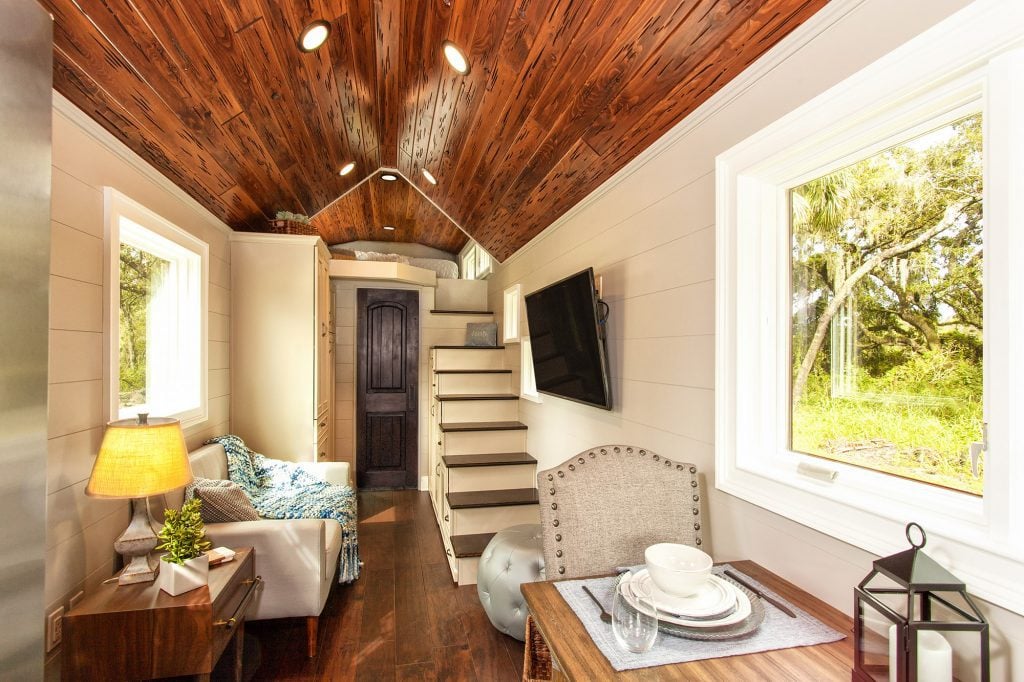
- You’re building in the Southeast (high humidity, heat, hurricanes) with ready access to heartwood Cypress.
- You want a slightly harder, dent-resistant softwood for benches, furniture, or trim that still machines easily.
- You value the warm, honey-brown look and plan to finish it to maintain color.
When to Choose Cedar
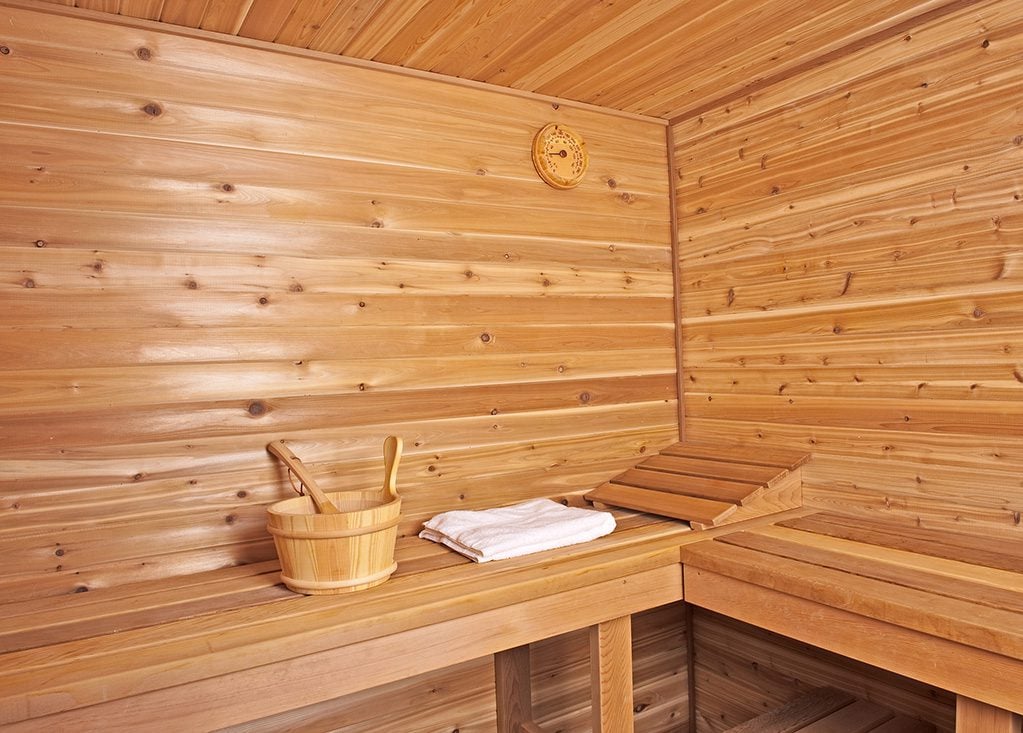
- You’re in the Pacific Northwest or a consistently wet/cool climate and want proven, uniform decay resistance.
- You need wide availability, a broad grade selection (from knotty to clear VG), and predictable supply.
- You prefer the lighter weight and excellent dimensional stability for siding, pergolas, and fences.
Considering Long-Term, Low-Maintenance Options?
While Cypress and Cedar are great softwood choices, some projects demand maximum longevity and minimal upkeep. Hardwood decking and cladding like Ipe, Cumaru, or Tigerwood offer significantly higher density, impact resistance, and service life—with fewer refinishing cycles. Thermally modified woods are another option for stable, uniform cladding. If you’re weighing lifetime cost, these can outlast softwoods by decades.
Final Recommendation
- Start with your climate and freight lane. Cypress often wins value in the Southeast; Cedar often wins in the West.
- Specify heartwood and grade, not just species. Durability lives in the heartwood.
- Budget for finish and maintenance. A good sealer and smart detailing extend life—no matter which species you choose.
If you’d like, share your project location, size list, and finish preference—we can price out Cypress and Cedar side-by-side, and also quote hardwood or thermally modified alternatives so you can see true lifetime value.
