
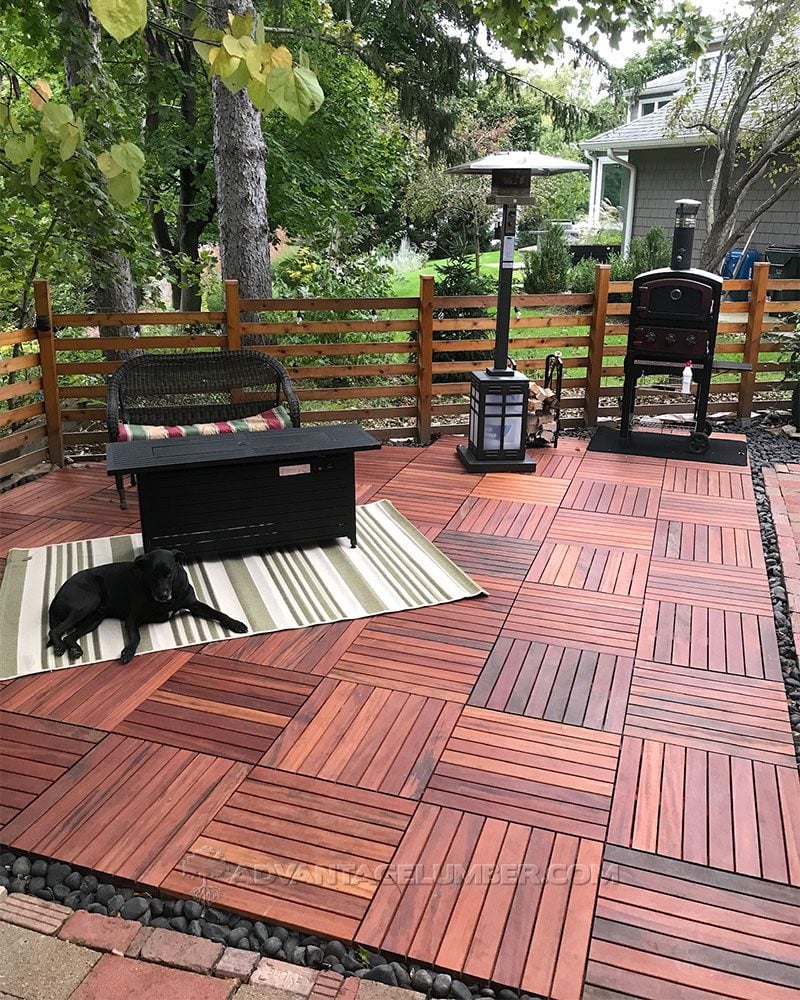
Deck tiles are a fantastic way to transform your outdoor space quickly and affordably, offering a modular, easy-to-install solution for patios, balconies, rooftops, and more. At AdvantageLumber.com, we specialize in high-quality decking materials, including durable deck tiles made from premium woods like Ipe, Cumaru, Garapa, Tigerwood and Teak.
However, one of the most common questions we receive from customers revolves around installation on various surfaces. The key to a successful deck tile project is ensuring the subsurface is stable, level, and well-drained to prevent issues like shifting, moisture damage, or structural failure.
Here’s some frequently asked questions (FAQs) about installing deck tiles on different surfaces, based on real customer inquiries. Whether you’re dealing with grass, dirt, uneven areas, or an existing deck, we’ve got the insights to help you make informed decisions.
Can You Put Deck Tiles on Grass?
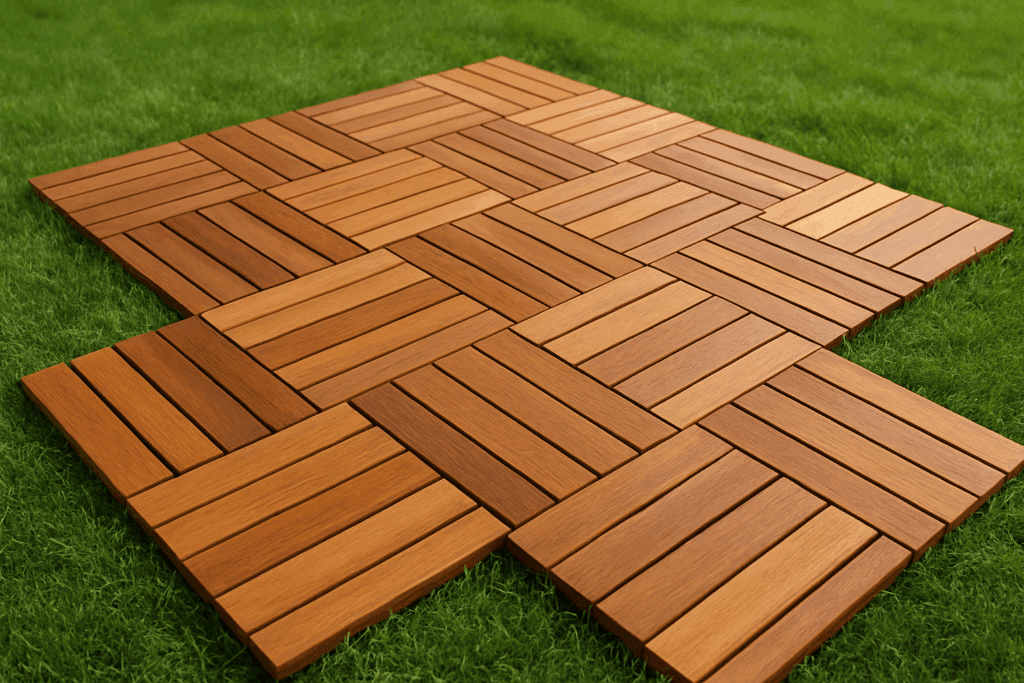
No, installing deck tiles directly on grass is not recommended. Grass surfaces are inherently uneven and soft, which can cause the tiles to flex excessively under foot traffic, leading to instability and potential disconnection over time. Additionally, grass retains moisture, creating a damp environment that promotes mold, mildew, and rot in the deck tiles or broken connectors.
For a better approach, consider preparing the area with a high-density polypropylene paver base system, such as Brock Paver Base, Gator Base or a very fine compacted crushed stone. This involves removing the grass, excavating to a suitable depth, and following the manufacturer’s instructions for installation, which typically include adding a compacted gravel base and geotextile fabric for drainage. Once the paver base is in place, you can float the deck tiles on top, creating a stable, elevated surface that allows for proper airflow and water runoff.
How to Install Deck Tiles on an Uneven Surface?
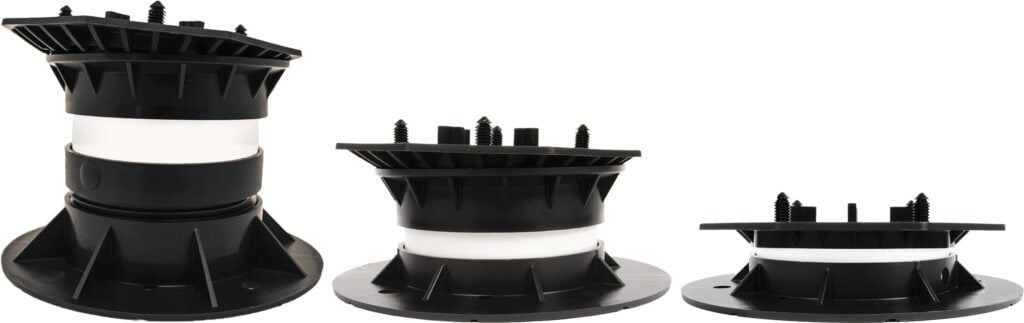
Uneven surfaces like sloped patios, rooftops, or irregular concrete can pose challenges, but they’re manageable with the right tools. We highly recommend using DeckWise Altitude Pedestals, which are adjustable supports designed specifically for such scenarios. These pedestals allow you to level the deck tiles by raising or lowering individual points, accommodating variations in height while maintaining stability.
To install, start by cleaning and assessing the surface. Place the pedestals at regular intervals (typically following the tile manufacturer’s spacing guidelines), adjust them to create a level plane, and then snap or lay the deck tiles on top. This system not only handles unevenness but also promotes ventilation and drainage, extending the life of your deck tiles. Always consult the product specifications for weight limits and compatibility.
Can You Put Deck Tiles on Dirt?
Similar to grass, direct installation on dirt is a no-go. Dirt is too soft and compressible, which can lead to sinking or shifting tiles. It also holds onto moisture, increasing the risk of mold and mildew, and rainfall can cause mud to splash up, making maintenance a nightmare.
If you’re working with a dirt surface, opt for a foundational layer like the Brock or Gator Base paver system. This requires excavating the dirt, compacting a sub-base (often with gravel), and installing the polypropylene panels as per the manufacturer’s guidelines. The result is a firm, drainable platform where deck tiles can be floated securely. This method transforms unstable dirt into a reliable base without the need for poured concrete.
Can You Put Deck Tiles Over an Existing Deck?
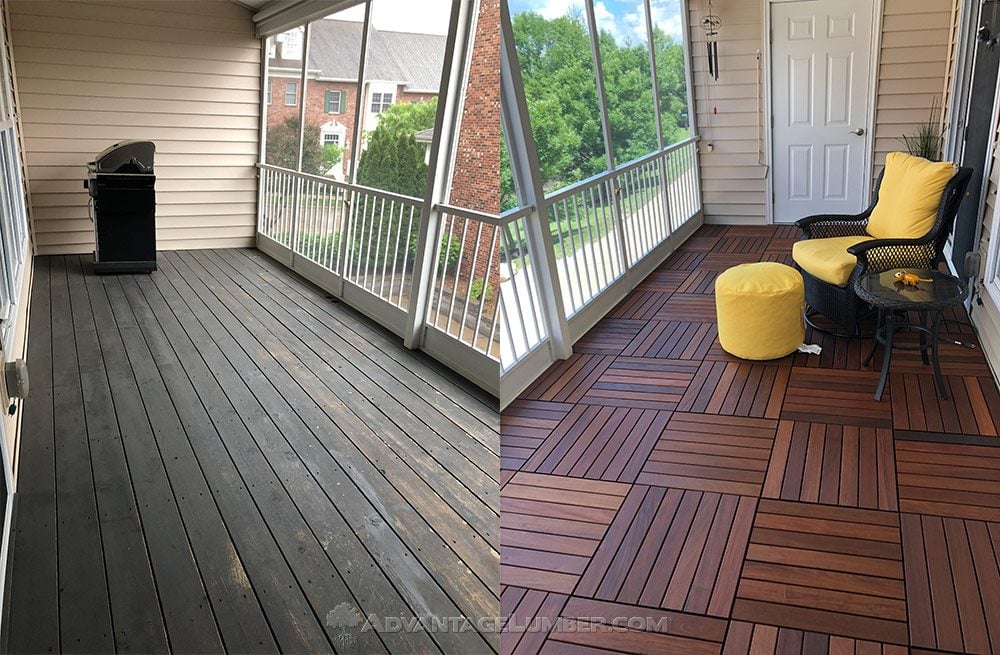
Yes, you can install deck tiles over an existing deck, but only after a thorough inspection to confirm its structural integrity. Deck tiles are a great way to refresh an old, worn-out surface without a full demolition, but safety must come first. If you’re unsure about the condition, we advise hiring a professional inspector from the North American Deck and Railing Association (NADRA) – you can find one near you through their directory.
Deck failures are unfortunately more common than many homeowners realize, often resulting from aging materials, poor construction, or neglected maintenance. According to reports, between 2000 and 2008, at least 30 deaths were directly linked to deck collapses, with more than 75% of people on the deck at the time suffering injuries.
Since 2003, an estimated 6,500 people have been treated in emergency rooms for injuries from collapsing decks and porches, with 29 fatalities recorded during that period. The North American Deck and Railing Association (NADRA) indicates that about 90% of these collapses stem from failures at the ledger board connection between the deck and the house. Additionally, up to 60% of the 45 million existing decks in the U.S. may have underlying safety issues.
Covering a deteriorating deck with tiles can exacerbate these problems. It hides visible signs of rot, corrosion, or loose fasteners, giving a false sense of security while the underlying structure continues to weaken. The added weight of the tiles (even lightweight ones) can accelerate failure, potentially leading to catastrophic collapses that injure people and damage property. Always prioritize repairs or reinforcements before overlaying – it’s not just about aesthetics; it’s about preventing tragedy.
At AdvantageLumber.com, we’re here to help with all your decking needs. If you have more questions or need product recommendations, contact our team today. Happy decking!