

White oak flooring has surged in popularity over the past few years, thanks to its timeless appeal, durability, and versatility in modern and traditional home designs. Whether you’re renovating your living room, updating a historic home, or simply curious about hardwood options, white oak stands out for its warm, neutral tones and robust performance.
Lets look at some of the most common questions about white oak flooring, drawing from expert insights and industry data. From distinguishing it from red oak to understanding costs and aesthetics, we’ve got you covered.
How to Tell Red Oak from White Oak Flooring?
Distinguishing between red oak and white oak flooring can be tricky at first glance, especially if the wood is finished or stained, but there are reliable ways to identify them based on color, grain, and structure. The most straightforward method is examining the end grain of the boards—look for this around vent registers or cut edges.
- Color Differences: Contrary to their names, white oak often appears slightly darker with beige, brownish, or even greenish undertones, while red oak has more pinkish, salmon, or reddish hues. Freshly sanded white oak may show a subtle green tinge, whereas red oak leans toward red undertones.
- Grain and Pore Structure: White oak has a tighter, straighter grain with fewer swirls, circles, or zigzag patterns, giving it a more uniform and subtle appearance. Red oak’s grain is more pronounced, intricate, and open-pored. Crucially, check the end grain: Red oak has mostly open cells (visible pores all over), while white oak has mostly closed cells, making it non-porous. This closed structure also contributes to white oak’s water resistance.
- Ray Height and Other Visual Cues: In flatsawn boards, white oak often shows longer, more visible medullary rays (ribbon-like patterns radiating from the center), which are shorter or less prominent in red oak. If the floor is unfinished, the overall lightness of red oak makes its grain more visible compared to white oak’s denser look.
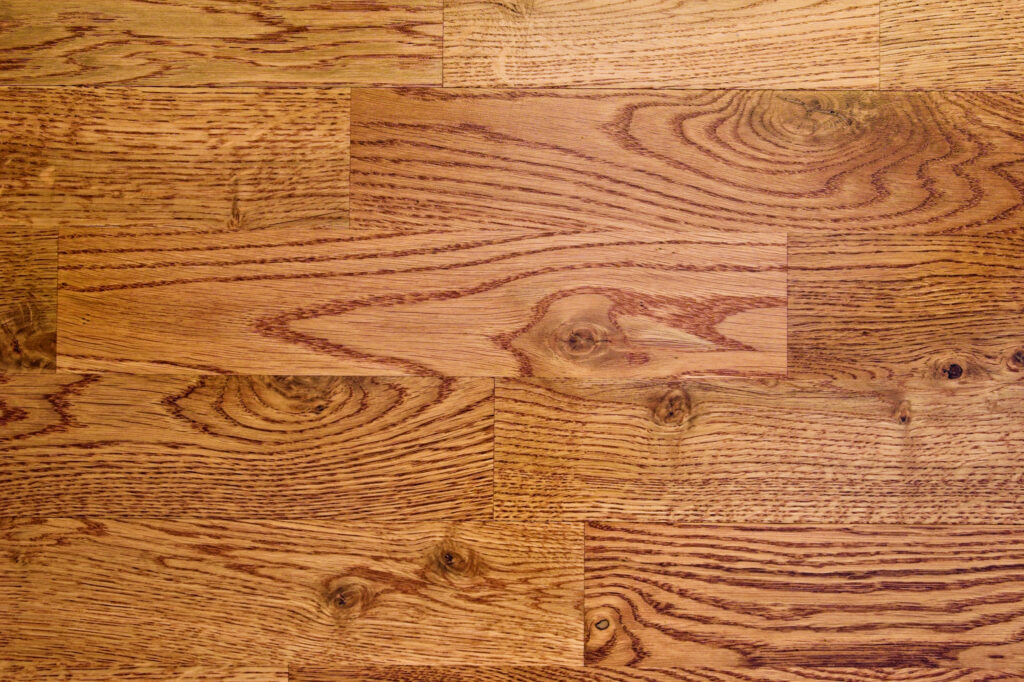
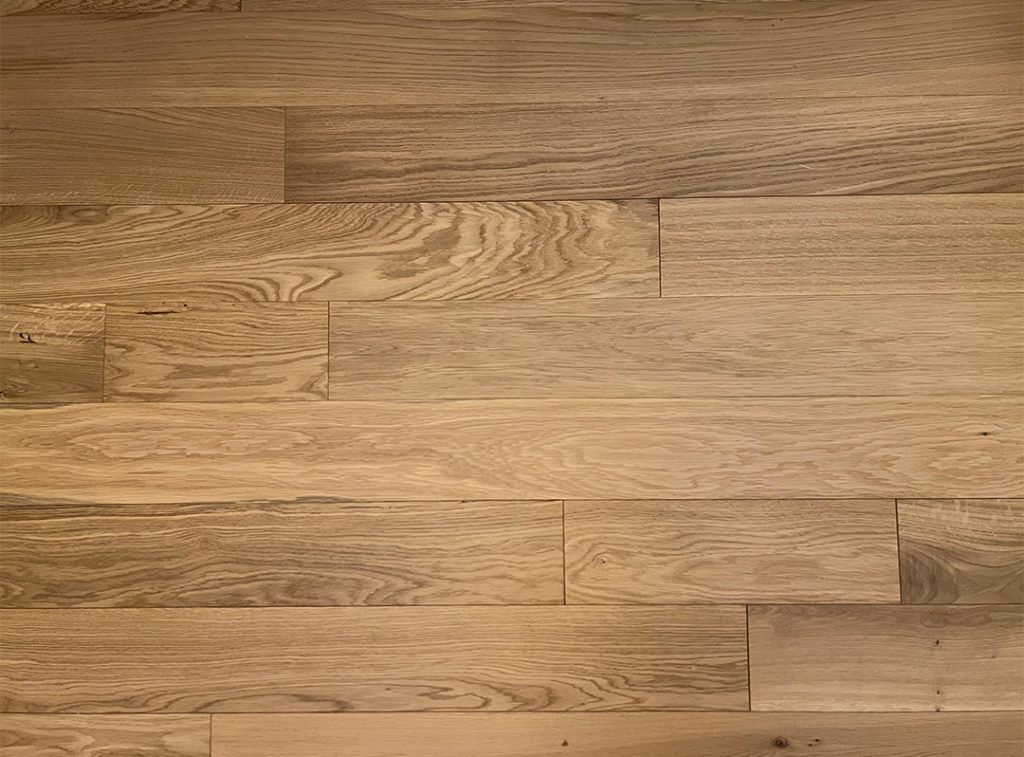
For absolute certainty, especially on installed floors, consult a professional or use a white oak test kit, as older homes might mix species. Remember, staining can minimize differences, but raw wood reveals the truth.
How Much Is White Oak Flooring?
The cost of white oak flooring in 2025 varies based on factors like type (solid vs. engineered), grade (select vs. character), width, finish (prefinished vs. unfinished), and installation. On average, expect to pay more for white oak than common alternatives like red oak due to its density and demand.
- Material Costs: Solid white oak typically ranges from $8 to $10 per square foot, while engineered white oak (a veneer over plywood for added stability) is $6 to $7 per square foot. Live-sawn or quarter-sawn options start at around $5 per square foot for unfinished boards. Prefinished floors add $1–$2 per square foot but save on labor later. For a 3,200 sq ft home, materials and installation could total around $25,000, as seen in real homeowner projects.
- Installation Costs: Professional installation adds $3 to $8 per square foot, bringing the total to $7–$16 per square foot for oak flooring in general, though white oak trends higher due to its premium status. Factors like room size, subfloor prep, and custom patterns (e.g., herringbone) can increase this.
- Additional Expenses: Budget for under layment ($0.50–$1 per sq ft), stains/sealants, and potential permits. Long-term, white oak’s durability can boost resale value, offsetting the upfront investment. Shop at big-box stores for $5–$10 per square foot or mills for custom at $8–$20+.
Prices fluctuate with location and sustainability sourcing, so get quotes from local suppliers. In 2025, sustainable harvesting from regions like the Ohio River Valley keeps costs stable but premium grades remain pricier.
What Does White Oak Flooring Look Like?
White oak flooring exudes elegance with its classic, versatile appearance that suits everything from minimalist modern homes to cozy farmhouses. Don’t let the name fool you—it’s not stark white but features warm, neutral tones that age beautifully.
- Color Palette: Natural white oak ranges from light beige and pale yellow to medium brown, often with subtle gray or golden undertones. It’s darker and more uniform than red oak’s pinkish tones, creating a sophisticated, less “busy” look. Over time, it develops a rich patina without the reddish cast.
- Grain Pattern: The standout feature is its tight, straight grain with minimal swirls or deviations, giving a clean, subtle texture. In quarter-sawn or rift-sawn cuts, you’ll see distinctive “flecks” or ray patterns for added character. Plain-sawn white oak has a more cathedral-like arch, while character grade includes knots and mineral streaks for a rustic vibe.
- Overall Aesthetic: It has a smooth, substantial feel with less contrast between heartwood and sapwood, making it ideal for light stains or natural finishes. Textures like hand-scraped, brushed, or footworn enhance its heritage look, while smooth surfaces keep it contemporary. In dark stains, it blends seamlessly; in light or gray tones, it shines with a honey-blonde warmth.
White oak’s non-porous nature makes it slightly harder to stain deeply, but this ensures even absorption for consistent results. It’s timeless—pair it with any decor for a floor that looks high-end without overwhelming the space.
Is White Oak Flooring Expensive?
Yes, white oak flooring is generally considered expensive compared to softer woods or laminates, but it’s a mid-to-premium option in the hardwood category, offering excellent value for its longevity and style. In 2025, it’s pricier than red oak but more affordable than exotics like walnut.
- Relative Cost: At $4–$8 per square foot for materials, it’s 20–50% more than red oak ($3–$5 per sq ft) due to slower growth, higher density, and demand from industries like barrel-making. Total installed costs hit $7–$16 per square foot, versus $6–$12 for red oak. Engineered versions cut costs without sacrificing much aesthetics.
- Why the Premium?: White oak’s superior hardness (Janka rating of 1,360 vs. red oak’s 1,290), water resistance, and neutral tones justify the price. It’s sustainable from North American forests but select grades are scarcer. Upgrades like wide planks or custom milling push it toward $10–$20 per square foot.
- Is It Worth It?: Absolutely for high-traffic homes—its durability reduces refinishing needs (every 10–20 years) and boosts resale value. If budget is tight, engineered white oak or bleaching red oak mimics the look for less. Compared to maple or pine, white oak is cost-effective long-term, as it resists wear better.
Shop around: Big-box stores offer deals, while mills provide quality at a premium. Factor in maintenance savings—it’s low-upkeep and eco-friendly.
White Oak vs. Red Oak Flooring: Which Is Better?
Neither red oak nor white oak is universally “better”—it depends on your priorities like aesthetics, durability, budget, and lifestyle. Both are excellent, sustainable North American hardwoods, but white oak edges out for premium applications, while red oak wins on affordability and forgiveness.
| Aspect | White Oak | Red Oak |
|---|---|---|
| Color | Beige/brown with gray/green tones; neutral, darker | Pink/salmon/red undertones; lighter, warmer |
| Grain | Tight, straight, subtle; closed pores | Open, pronounced, intricate; hides scratches well |
| Durability | Harder (Janka 1,360); more dent/water-resistant | Slightly softer (Janka 1,290); good for traffic but less rot-proof |
| Staining | Even absorption; best for light/gray; harder to darken deeply | Takes bold stains well; pink shows through lights |
| Cost | $4–$8/sq ft (higher end) | $3–$5/sq ft (more budget-friendly) |
| Best For | Modern/minimalist; high-moisture areas; longevity | Traditional/rustic; busy homes; hiding wear |
- White Oak Advantages: Superior water resistance (thanks to closed cells) makes it ideal for kitchens or humid climates; tighter grain suits contemporary designs and resists splintering. It’s denser for high-traffic durability and ages gracefully without fading oddly.
- Red Oak Advantages: More affordable and available; wider grain camouflages scratches/dents in pet/kid homes. Easier to work with for DIY and takes a variety of stains, blending well with existing trim.
Ultimately, white oak is “better” for upscale, low-maintenance longevity, while red oak excels in value and versatility. Test samples in your space—many prefer white oak’s modern vibe in 2025 trends. Both last decades with proper care.
White oak flooring is a smart investment for any home, blending beauty with performance. If you’re ready to proceed, consult a local expert for samples and quotes. Have more questions? Drop them in the comments below!