
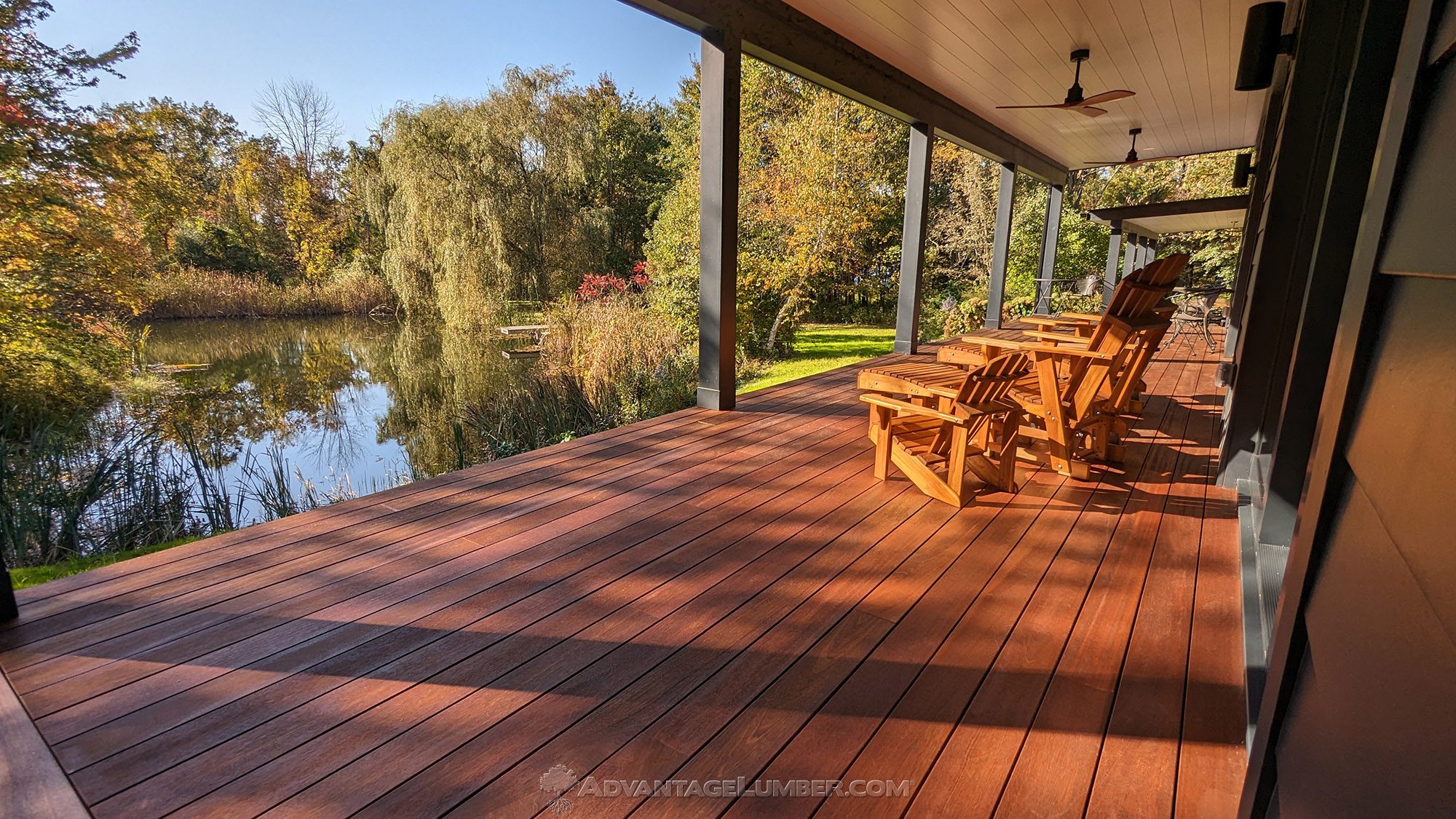
If you’ve ever admired a beautifully crafted piece of furniture or a richly toned guitar, chances are you’ve come across mahogany. But is mahogany a hardwood? Let’s look into this question and explore what makes mahogany such a prized material.
Yes, Mahogany Is a Hardwood
Mahogany is indeed classified as a hardwood. This designation comes from its botanical characteristics and physical properties. Mahogany trees, primarily from the genus Swietenia (true mahogany) or related species like Khaya (African mahogany), are angiosperms—flowering trees that produce dense, durable wood.
Hardwoods are typically defined by their tight grain and higher density compared to softwoods, which come from coniferous trees like pine or cedar.
Mahogany’s Janka hardness rating, a standard measure of wood density, ranges from 800 to 1,200 lbf (pounds-force) for true mahogany species like Swietenia mahagoni (Cuban mahogany) or Swietenia macrophylla (Honduran mahogany).
This places it firmly in the hardwood category, though it’s not as hard as some other hardwoods like oak (1,200–1,500 lbf) or teak (1,000–1,300 lbf). African mahogany (Khaya species) and Red Balau, another type often associated with mahogany, are also hardwoods, though their properties vary slightly.
Why Mahogany Is Considered a Premium Hardwood
Mahogany’s status as a hardwood goes beyond its density. Here are a few reasons why it’s so highly valued:
- Durability and Strength: Mahogany’s dense grain makes it resistant to wear, moisture, and pests, which is why it’s a top choice for furniture, cabinetry, and boat building. Its durability ensures pieces last for generations.
- Workability: Despite its hardness, mahogany is relatively easy to work with. It cuts, sands, and finishes smoothly, making it a favorite among craftsmen for intricate designs and polished surfaces.
- Aesthetic Appeal: Mahogany’s rich, reddish-brown hue and straight, interlocking grain give it a luxurious look. Over time, it develops a deeper patina, adding to its charm. This makes it ideal for high-end furniture, musical instruments, and decorative veneers.
- Versatility: Mahogany’s balance of strength and workability makes it suitable for a wide range of applications, from structural components in boats to delicate guitar necks.
Types of Mahogany and Their Hardwood Status
Not all mahogany is created equal. Here’s a quick breakdown of the main types:
- True Mahogany (Swietenia species): This includes Honduran, Cuban, and Big-leaf mahogany, all of which are tropical hardwoods with exceptional density and quality. These are the gold standard for mahogany and are heavily regulated due to over harvesting.
- African Mahogany (Khaya species): Slightly softer than true mahogany, African mahogany is still a hardwood and widely used as a sustainable alternative. It shares similar aesthetic and working properties.
- Red Balau (Shorea species): Often marketed as a type of mahogany, Red Balau is a dense hardwood from the Shorea genus, commonly found in Southeast Asia. With a Janka rating around 1,600–2,000 lbf, it’s harder than true mahogany and prized for its durability and reddish hue, making it popular for outdoor furniture and decking.
- Philippine Mahogany (Shorea species): This isn’t true mahogany but a softer wood from the Shorea genus, often marketed as mahogany. It’s less dense and not considered a true hardwood, so be cautious when purchasing.
Sustainability Concerns
Mahogany’s popularity has led to over harvesting, particularly of true mahogany species, which are now protected under CITES (Convention on International Trade in Endangered Species). Red Balau and African mahogany are often more sustainable options due to their wider availability.
Conclusion
So, is mahogany a hardwood? Yes. Whether it’s true mahogany, African mahogany, or Red Balau, these woods are all classified as hardwoods due to their density and durability. Mahogany’s strength, workability, and stunning appearance make it a favorite for furniture, instruments, and more. Just be sure to verify the type of mahogany and its source to ensure quality and sustainability.