
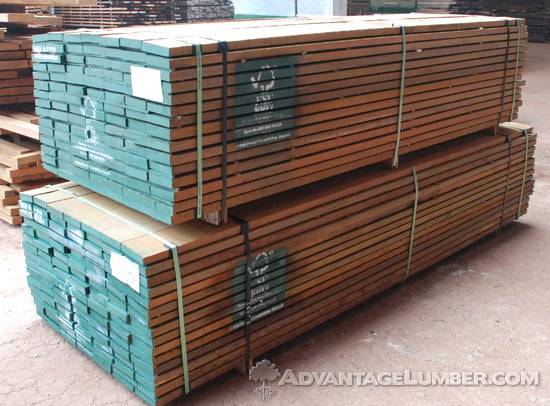
At AdvantageLumber.com, we’re passionate about providing premium lumber and decking materials that not only enhance your projects but also support sustainable practices. One topic that comes up frequently with our customers is FSC certified wood.
Whether you’re building a deck, sourcing materials for construction, or just curious about eco-friendly options, we’ve got you covered. Below, we’ll dive into the five most common questions we hear about FSC wood, based on reliable sources and industry insights.
1. What Does FSC Stand For?
FSC stands for Forest Stewardship Council, a non-profit organization dedicated to promoting responsible forest management worldwide. Founded in 1993, the FSC brings together environmentalists, businesses, indigenous communities, and other stakeholders to set standards that ensure forests are managed in a way that benefits people, wildlife, and the planet. It’s not just an acronym—it’s a global movement toward sustainable forestry.
2. What Is FSC Certified Wood?
FSC certified wood refers to timber and wood products sourced from forests that meet the FSC’s rigorous standards for responsible management. This certification covers everything from harvesting practices to the entire supply chain, ensuring that the wood is tracked from the forest to the final product (known as chain-of-custody certification).
To earn the FSC label, forests must adhere to principles like protecting biodiversity, respecting indigenous rights, and maintaining long-term forest health. At AdvantageLumber.com, we offer FSC certified Ipe and Cumaru as well as many other species, giving you peace of mind that your materials come from well-managed sources.
3. How Does FSC Wood Differ from Non-FSC Wood, Particularly with Imported Wood?
The key difference lies in accountability and sustainability. FSC certified wood is verified to come from forests managed with strict environmental, social, and economic criteria, including protections against deforestation, habitat destruction, and worker exploitation.
Non-FSC wood, on the other hand, lacks this independent verification but the importing and exporting process undergoes the same rigorous process of verification making it near impossible to get illegal wood out of Brazil and into America.
This distinction is especially important for imported wood, such as tropical hardwoods from regions like South America or Southeast Asia. Imported non-FSC wood carries a higher risk of being tied to illegal harvesting, which contributes to deforestation and biodiversity loss.
FSC certification helps mitigate these risks by requiring compliance with international laws and promoting fair trade. For example, while both types might look similar, choosing FSC ensures your imported lumber supports ethical practices rather than contributing to global forest degradation.
4. Is FSC Wood Required on Certain Projects?
FSC certified wood isn’t universally required, but it’s often specified or incentivized for projects aiming for environmental certifications or compliance with green building standards. For instance, in LEED (Leadership in Energy and Environmental Design) certified buildings, using FSC wood can help earn credits toward sustainability goals, though it’s not mandatory unless the project involves tropical species.
Government contracts, corporate sustainability policies, and certain construction bids may also require FSC materials to demonstrate responsible sourcing. Additionally, FSC project certification allows builders to use the FSC trademark on completed works, which can be a selling point for eco-conscious clients. If your project doesn’t have these requirements, FSC is still a smart choice for its long-term environmental benefits.
5. Is FSC Wood More Expensive Than Non-FSC Wood?
Not necessarily—while FSC certified wood can sometimes carry a premium due to the costs of certification and sustainable practices, it’s often comparable in price or even less expensive depending on the source and market. Factors like supply chain efficiency, local harvesting, and demand play a big role; in some cases, FSC options from efficient suppliers are priced similarly to non-certified alternatives.
When there is a cost difference, it’s typically modest—ranging from 0-20% more—and often justified by the added value of legality, and environmental assurance. At AdvantageLumber.com, we work to keep our FSC certified products competitive, so you get sustainability without breaking the bank.
In summary, FSC certified wood is a powerful way to make your projects more responsible and future-proof. If you’re ready to explore our selection of FSC options or have more questions, visit AdvantageLumber.com or contact our team today. Let’s build something great—sustainably!
