
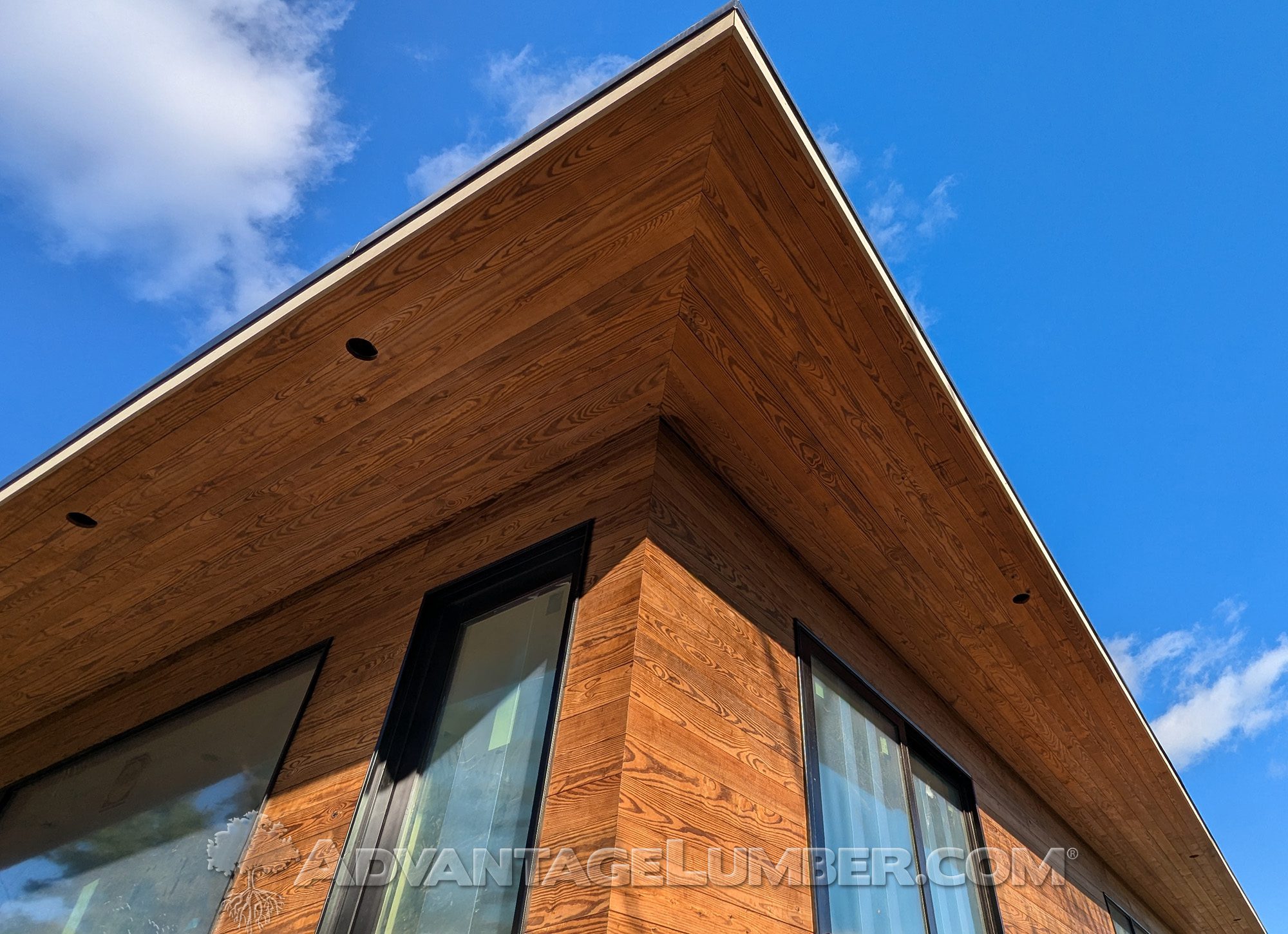
When selecting materials for outdoor projects like decking, siding, or furniture, two options often stand out: thermally modified wood and Ipe wood. Both offer unique benefits, but their differences in durability, aesthetics, maintenance, and sustainability make them suited for different needs.
In this blog post, we’ll discuss the key characteristics of thermally modified wood and Ipe wood, helping you decide which is best for your project. We’ll also include a comparison chart to highlight their features and benefits.
What is Thermally Modified Wood?
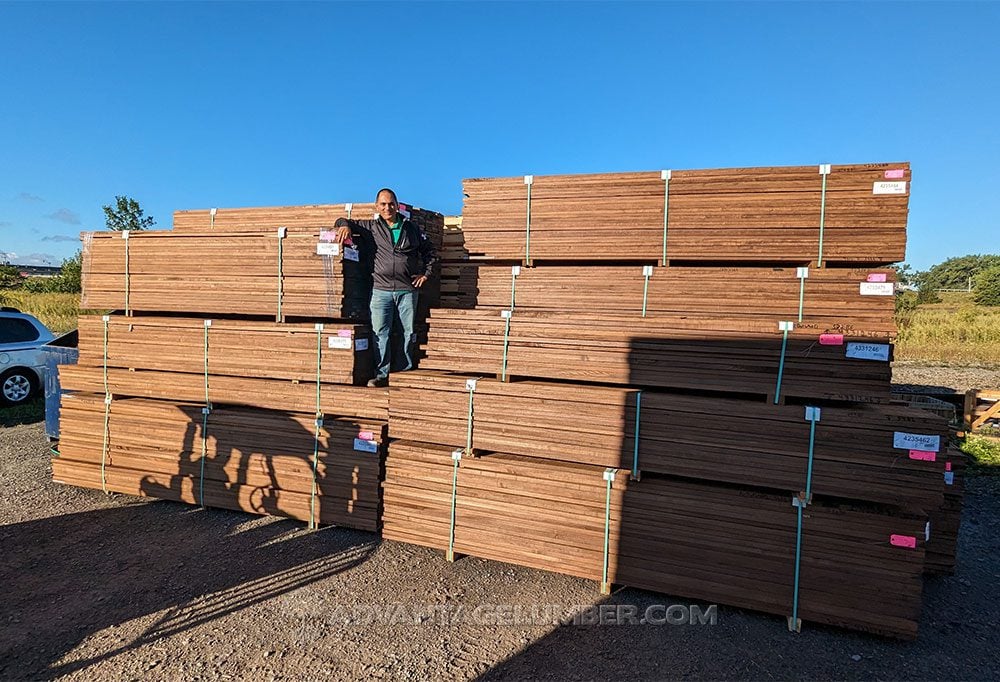
Thermally modified wood is produced through a chemical-free process that heats wood to high temperatures (typically 180–260°C) in a low-oxygen environment. This process alters the wood’s cellular structure, enhancing its durability, stability, and resistance to moisture and pests. Common species like ash, pine, or poplar are often used for thermal modification, making it a versatile option for outdoor applications.Key
Features of Thermally Modified Wood:
- Enhanced Durability: The thermal process reduces moisture absorption, making the wood resistant to rot, decay, and insects.
- Dimensional Stability: Less prone to warping, shrinking, or swelling due to changes in humidity.
- Eco-Friendly: No chemicals are used in the process, and it often utilizes sustainably sourced softwoods.
- Aesthetics: Offers a rich, darkened color with a natural, uniform appearance, though it may fade to a silvery-gray patina over time if untreated.
- Cost: Generally more affordable than exotic hardwoods like Ipe.
Drawbacks:
- Slightly reduced strength compared to untreated wood due to the high heat making the wood brittle.
- Limited color options compared to natural hardwoods.
- May require periodic maintenance (e.g., sealing) to maintain color.
What is Ipe Wood?
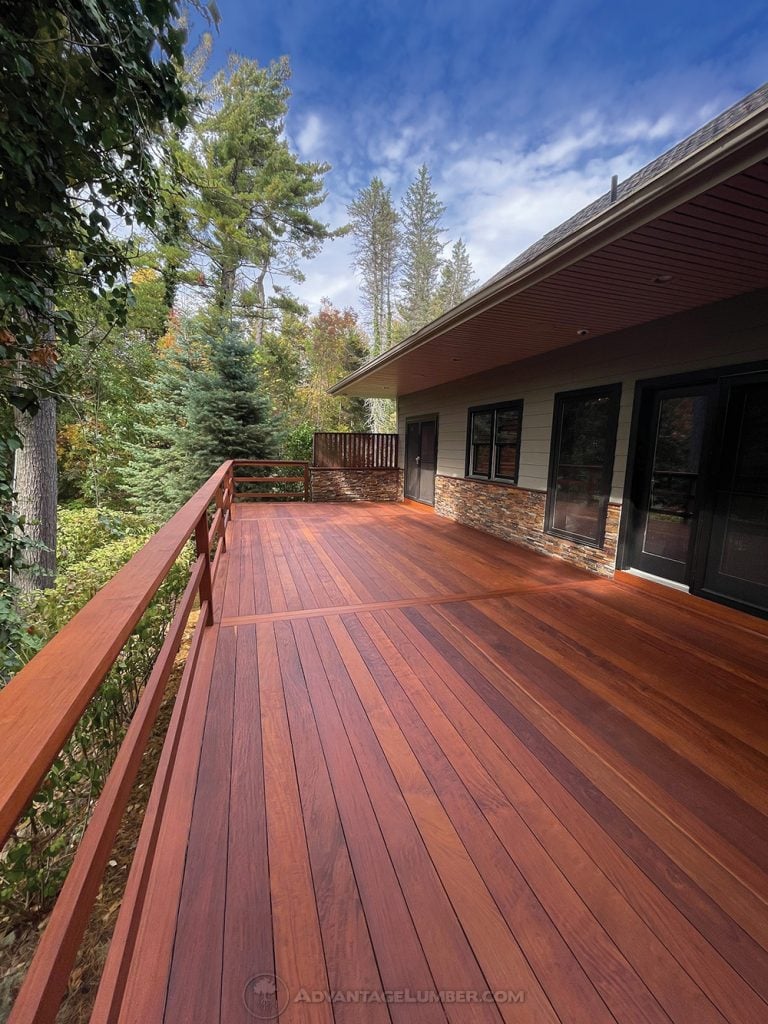
Ipe (pronounced ee-pay) is a tropical hardwood native to Central and South America, particularly Brazil. Known as Brazilian walnut, Ipe is one of the hardest and most durable woods available, making it a premium choice for outdoor applications like decking, siding, and furniture.
Key Features of Ipe Wood:
- Exceptional Durability: Ipe has a Janka hardness rating of 3,680, making it incredibly resistant to wear, weather, and insects.
- Long Lifespan: Can last 40–75 years with minimal maintenance, even in harsh climates.
- Rich Aesthetics: Features a deep, reddish-brown to dark brown color with tight, interlocking grain, adding a luxurious look.
- Low Maintenance: Naturally resistant to moisture, UV rays, and pests, requiring little upkeep beyond occasional cleaning.
- Fire Resistance: Ipe has a Class A fire rating, making it suitable for areas with strict fire codes.
Drawbacks:
- High Cost: Ipe is significantly more expensive than most other decking materials, including thermally modified wood.
- Sustainability Concerns: Harvesting Ipe can raise some environmental concerns however newer government regulations make it impossible and illegal to export out of South America without the necessary permits. Gone are the days where dishonest loggers can forge government documents.
- Installation Challenges: Its extreme hardness requires the right drill bits and carbide tipped blades and pre-drilling for installation.
Comparing Thermally Modified Wood and Ipe WoodTo help you visualize the differences, here’s a detailed comparison of thermally modified wood and Ipe wood based on key factors:
| Feature/Benefit | Thermally Modified Wood | Ipe Wood |
|---|---|---|
| Durability | High (resistant to rot, decay, and insects) | Exceptional (extremely resistant to wear, weather, pests) |
| Lifespan | 20–30 years with proper maintenance | 40–75 years with minimal maintenance |
| Janka Hardness | Varies by species (e.g., 600–1,200 for ash or pine) | 3,680 (one of the hardest woods available) |
| Aesthetics | Uniform, darkened color; may fade to gray if untreated | Rich, reddish-brown to dark brown; retains color longer |
| Maintenance | Periodic sealing recommended to maintain color | Minimal; occasional cleaning and oiling optional |
| Cost | Moderate ($4–$8 per square foot) | High ($8–$15 per square foot) |
| Sustainability | Eco-friendly; chemical-free, often uses fast-growing softwoods | Concerns over deforestation; FSC certification recommended |
| Installation | Easier to work with; standard tools sufficient | Requires pre-drilling and specialized tools due to hardness |
| Fire Resistance | Moderate (varies by species) | Class A fire rating |
| Moisture Resistance | High due to low moisture absorption | Extremely high; naturally repels water |
| Availability | Widely available, especially in North America and Europe | Limited; sourced primarily from South America |
Which Should You Choose?The choice between thermally modified wood and Ipe wood depends on your project’s needs, budget, and priorities:
- Choose Thermally Modified Wood if:
- You want a cost-effective, eco-friendly option with good durability.
- Your project requires a material that’s easier to work with during installation.
- Sustainability is a top priority, and you prefer a chemical-free process.
- You’re okay with periodic maintenance to preserve the wood’s appearance.
- Choose Ipe Wood if:
- You need maximum durability and a long lifespan for high-traffic or extreme-weather environments.
- You prefer a premium, luxurious aesthetic with minimal maintenance.
- Budget is less of a concern, and you’re willing to invest in a high-end material.
- You can source FSC-certified Ipe to address sustainability concerns.
Real-World Applications
- Thermally Modified Wood: Ideal for residential decking, siding, or outdoor furniture in moderate climates. Its affordability and eco-friendly profile make it popular for sustainable builds or budget-conscious projects.
- Ipe Wood: Perfect for high-end commercial or residential projects, such as luxury decks, boardwalks, or poolside areas, where durability and aesthetics are paramount.
Conclusion
Both thermally modified wood and Ipe wood offer excellent solutions for outdoor projects, but they cater to different needs. Thermally modified wood is a sustainable, cost-effective choice with solid durability and easier installation. Ipe, on the other hand, is a premium hardwood with unmatched strength and longevity, ideal for those seeking a high-end, low-maintenance option. By considering factors like budget, maintenance preferences, and environmental impact, you can choose the material that best suits your project.For more information or to source these materials, check with local suppliers or certified dealers to ensure quality and sustainability. Have you used either of these woods in a project? Share your experience in the comments below!
Note: Prices mentioned are approximate and based on market trends as of July 2025. Always check the AdvantageLumber.com website for current pricing and availability.
