
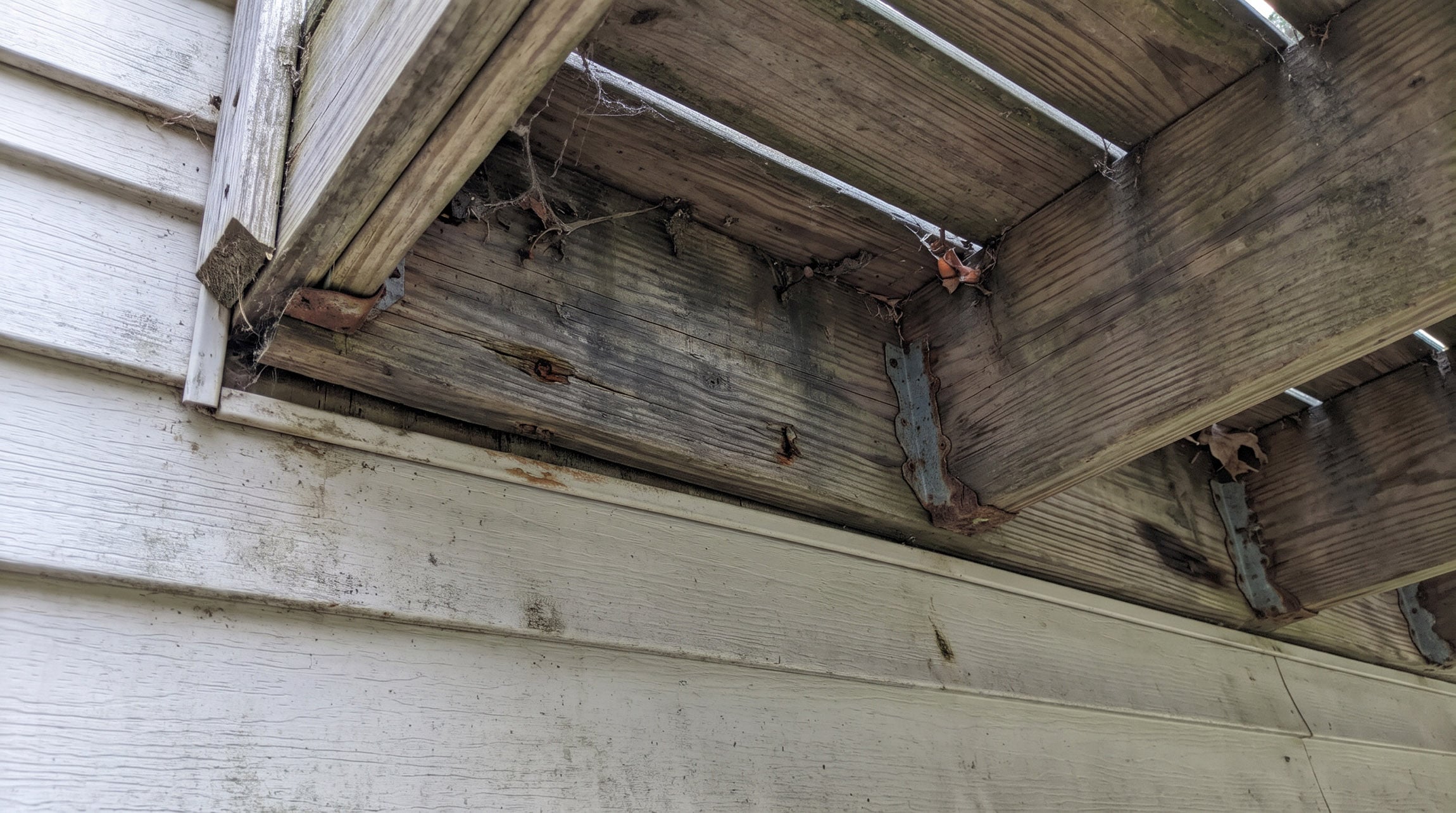
When most people build a deck, they spend a lot of time picking out the decking boards, railing, and colors. However, one of the most important parts of the deck is something you’ll barely see once the job is done.
I’m talking about deck ledger flashing.
After more than 20 years in the decking industry, I’ve seen how one small mistake around a deck ledger can lead to thousands of dollars in damage. Worse yet, the homeowner may not know there’s a problem until the wood inside their house starts to rot.
The good news? Most of these problems are easy to prevent when you build the deck the right way.
Let’s look at the most common deck ledger flashing mistakes, why they happen, and how to avoid them.
What Is Deck Ledger Flashing, and Why Is It Important?
First, let’s cover the basics. A deck ledger is the board that connects your deck to your house. It helps support the deck and carries some of the weight from the deck boards, furniture, and people walking on it.
Since the ledger sits against your home, it creates a place where rain and melting snow can get trapped.
That’s where flashing comes in.
Deck ledger flashing is a thin layer of metal or other approved waterproof material that helps direct water away from the house. It works with the home’s water barrier to keep moisture from reaching the wood framing.
Think of it like the flashing around your roof or windows. Its job is simple: keep water where it belongs.
Unfortunately, when someone installs it the wrong way, water can sneak behind the ledger and cause serious damage.
1. Not Installing Ledger Flashing at All
Believe it or not, some decks are still built without any ledger flashing. I’ve seen contractors attach a pressure treated ledger board right against the house and call it a day.
That’s asking for trouble.
Without flashing, rainwater can run down the siding and collect behind the ledger. Since this area gets very little airflow, the moisture can stay trapped for a long time.
Over the years, the wood behind the ledger may begin to rot.
Eventually, you could end up with:
- Rotten wall sheathing
- Damaged house framing
- Mold inside the walls
- Water stains inside the home
- A weak deck connection
- Expensive structural repairs
In the worst cases, the deck can even pull away from the house.
The fix: Always install a proper ledger flashing system that works with your home’s siding and water barrier. Don’t skip this step to save a few dollars.
2. Installing Flashing Behind the Wrong Layer
Here’s a mistake that’s easy to make but can cause big problems. Flashing needs to work with the layers of your home’s wall so water flows down and out.
However, some installers place the flashing behind the wrong layer of house wrap or building paper. As a result, water can run behind the flashing instead of over it.
Think about how roof shingles work. Each row overlaps the one below it so rain runs downhill. Ledger flashing should follow the same basic idea.
If the layers overlap the wrong way, water can find its way into the wall.
The fix: Install flashing using proper shingle style overlaps. The upper water barrier should direct water onto the flashing, while the lower layers help guide it outside. Follow the flashing maker’s instructions for your wall type.
3. Using the Wrong Type of Metal Flashing
Not all flashing materials work well with pressure treated lumber. This is a big one.
Many modern pressure treated boards contain copper based preservatives. These chemicals help protect the wood from rot and insects.
Unfortunately, they can also cause certain metals to corrode when moisture is present.
For example, standard aluminum flashing should not sit directly against many types of pressure treated lumber unless the manufacturer approves a proper barrier system.
Over time, the metal may weaken or develop holes. Once that happens, water has a path into your house.
The fix: Choose flashing that is compatible with your pressure treated lumber. Approved coated metal, stainless steel, or suitable nonmetal flashing may be options, depending on the project. Always check the lumber and flashing manufacturers’ requirements.
4. Relying Only on Caulk to Stop Water
I wish I could tell you how many times I’ve seen someone try to waterproof a deck ledger with a thick bead of caulk. Caulk has its place, but it should never be your only defense against water.
Here’s why. Houses move a little as temperatures change. Decks also expand and shrink throughout the year.
Eventually, caulk can crack, peel, or pull away from the surface. Once a small gap opens, water can get behind the ledger.
And since the gap is hidden, you may never notice it.
The fix: Use properly installed flashing as your main water defense. Sealants can help at certain joints and openings, but they should support the flashing system rather than replace it.
5. Not Flashing the Ends of the Ledger Board
Most people focus on the top of the ledger board. However, water can also enter around the ends. This often happens where the ledger meets a corner, door opening, or another part of the siding.
If the flashing ends without a proper way to direct water out, rain may run around the edge and behind the ledger. Over time, the wood near those ends can start to rot.
The fix: Pay close attention to the ledger ends. Use approved end dams, corner details, or other flashing methods where needed to keep water moving away from the wall.
Small details like these can make a huge difference.
6. Installing Flashing Over Damaged or Rotten Wood
Here’s something I always tell homeowners. If you’re replacing an old deck, don’t assume the wood behind the old ledger is still in good shape.
Just because the outside looks fine doesn’t mean the wall underneath is healthy.
I’ve seen cases where the deck boards looked decent, but the wood behind the ledger was soft enough to push a screwdriver into.
That’s never a good sign.
Installing new flashing over rotten wood won’t solve the problem. In fact, it may hide the damage until it gets much worse.
The fix: When replacing a deck, remove the old ledger as needed and inspect the wall behind it. Replace any damaged sheathing or framing before installing the new ledger and flashing.
If you find major rot, have a qualified contractor check the structure before moving forward.
7. Covering Up the Flashing With Siding
Some contractors try to make the ledger area look neat by covering everything with siding or trim. While a clean finish is nice, you don’t want to trap water behind those materials.
Water needs a way to drain out. If the flashing gets buried behind siding without the proper overlaps or drainage space, moisture may collect where you can’t see it.
This is especially important with vinyl siding, fiber cement, and wood siding.
Each type of siding has its own rules for clearance and flashing.
The fix: Follow the siding manufacturer’s instructions for ledger connections. Keep the proper gaps and make sure water can drain away from the wall.
Remember, a good looking deck isn’t much use if it’s slowly damaging your house.
8. Driving Ledger Fasteners Through Flashing Without Proper Sealing
A ledger board needs strong fasteners to hold it to the house. Depending on the design, these may include approved structural screws or bolts.
However, every hole through a water barrier creates another place where moisture might enter.
If an installer drills holes without following the proper sealing details, water may travel along the fasteners and into the wall.
Over time, the surrounding wood can begin to rot.
The fix: Use approved ledger fasteners and follow the required waterproofing details for every penetration. Flashing tape, compatible sealants, or special gaskets may be part of the system.
Also, don’t confuse waterproofing with structural strength. The ledger must be attached to suitable structural framing using a code approved connection.
9. Letting Water Sit on Top of the Ledger
Water should never have a place to sit against your house. Unfortunately, some flashing jobs create little pockets where rainwater collects.
This can happen when the flashing bends the wrong way, sags, or doesn’t extend far enough to shed water. In colder climates, the problem can get even worse.
Water may freeze, expand, and push against nearby materials. Then, when it melts, it can find its way into small openings.
After years of freezing and thawing, those small problems can grow.
The fix: Make sure the flashing directs water away from the wall and over the ledger’s outer edge. Avoid low spots where water can collect.
A good flashing job should shed water naturally.
10. Assuming Composite or PVC Decking Prevents Ledger Rot
This is a common misunderstanding. Homeowners often choose composite or PVC decking because they want a deck that needs less maintenance.
Brands like Trex, TimberTech, and Deckorators offer decking that resists many of the problems found with traditional wood deck boards.
However, composite and PVC deck boards do not protect the house behind the ledger.
Even if your deck boards last for decades, a poorly flashed ledger can still allow water into the wall. The same goes for long lasting hardwoods like Ipe, Cumaru, and Teak.
You might have beautiful deck boards that look great 20 years from now, while the wood behind the ledger has already started to rot.
That’s why I always recommend thinking about the entire deck system, not just the surface. A long lasting deck needs a strong frame, proper flashing, and good water control.
How Much Can Bad Deck Ledger Flashing Cost to Repair?
This is where things can get expensive. If you catch a small flashing problem early, the repair may be fairly simple.
However, once water reaches the house framing, costs can climb quickly. Here are some rough examples of what homeowners might pay.
| Type of Damage | Possible Repair Cost |
|---|---|
| Minor ledger flashing repair | $300–$1,000 |
| Remove and replace ledger flashing and affected trim | $1,000–$3,000 |
| Repair rotten wall sheathing and siding | $2,000–$6,000 |
| Replace damaged rim joists or wall framing | $3,000–$10,000+ |
| Major structural repairs involving the deck and house | $10,000–$25,000+ |
These are broad estimates, not fixed prices. Costs vary based on your location, deck size, access, and how far the damage has spread.
Sometimes, the contractor needs to remove part of the deck just to reach the damaged wall. That’s why spending a little extra time on proper flashing during construction is well worth it.
Warning Signs Your Deck Ledger May Have Water Damage
Not all ledger problems are easy to spot. In fact, some of the worst damage stays hidden until the deck starts to move.
Still, there are a few warning signs homeowners should watch for.
- Water stains on the wall or ceiling near the deck
- Soft or rotting wood around the ledger
- Rusty or badly corroded ledger fasteners
- Siding that looks swollen or damaged
- Gaps forming between the deck and house
- A deck that feels loose or moves near the house
- Mold or a musty smell inside nearby rooms
If you notice any of these problems, don’t ignore them.
Have a qualified deck contractor inspect the ledger and surrounding framing. If the connection appears loose or badly damaged, keep people off the deck until it’s checked.
Should You Use Flashing Tape Behind a Deck Ledger?
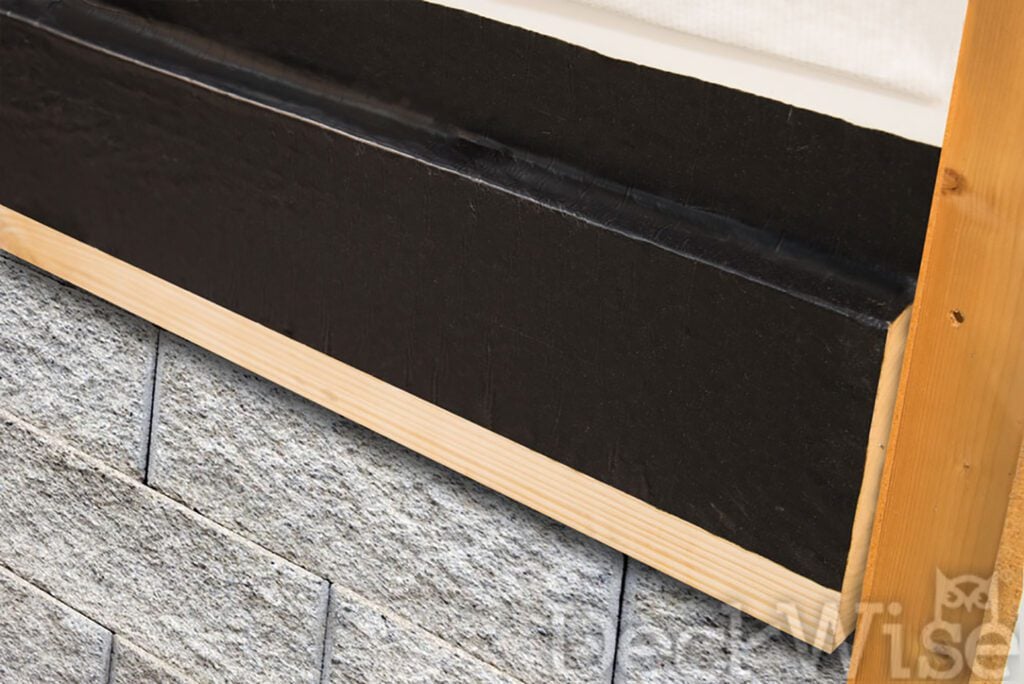
In many cases, yes. High quality ledger flashing tape can help protect the wall behind the ledger board. However, it needs to be part of a complete waterproofing system.
For example, some deck builders use compatible self adhered flashing membrane behind the ledger to help protect the wall from moisture.
Then, they install proper metal or approved nonmetal flashing above the ledger to direct water away. Keep in mind, flashing tape alone doesn’t replace the need for proper top flashing.
Also, make sure the tape works with the other materials you’re using. Some products don’t stick well to certain surfaces, especially when they’re wet, dirty, or cold.
Follow the manufacturer’s instructions for the best results.
What About Freestanding Decks?
Here’s another option worth considering. Instead of attaching your deck directly to the house with a ledger board, you can build a freestanding deck.
A freestanding deck uses its own posts, beams, and footings to support the structure. This means you don’t need a load bearing ledger connection to the house.
For some homes, that can be a smart choice. For example, freestanding decks may be useful when the house has brick veneer, stone veneer, or other wall conditions where a standard ledger connection isn’t allowed or isn’t practical.
You still need to manage water where the deck meets the house. However, removing the structural ledger connection can avoid some common ledger related risks.
Of course, freestanding decks need proper engineering, bracing, and footings. They’re not automatically easier or cheaper to build.
Don’t Forget About the Deck Frame
While we’re talking about water damage, there’s another area homeowners often overlook. The deck frame.
Most decks use pressure treated lumber for joists, beams, and other framing parts. Although pressure treated wood resists decay, it isn’t waterproof.
Over time, moisture can collect on top of joists and around fasteners. That’s why I recommend using quality joist tape on pressure treated framing when the tape is approved for the application.
It helps protect the tops of the joists where water often sits. For homeowners building a deck meant to last several decades, steel or aluminum framing may also be worth considering.
At Advantage Lumber, we offer framing options such as New Castle Steel deck framing and aluminum framing systems.
These products can help homeowners build a longer lasting deck without relying on traditional wood framing.
However, even with metal framing, you still need proper flashing wherever the deck meets the house.
Final Thoughts: A Small Flashing Mistake Can Become a Big Problem
After more than two decades in the decking business, one thing is clear to me. The parts of a deck you can’t see are often just as important as the parts you can.
Everyone loves a beautiful deck with premium hardwood or low maintenance composite boards. But if water is getting behind the ledger, none of those expensive materials will protect your home.
Proper deck ledger flashing isn’t the most exciting part of building a deck. Still, it’s one of the most important.
Before you build a new deck or replace an old one, make sure your contractor understands how to flash the ledger correctly.
Ask questions. Check the details. Don’t let anyone skip steps just to finish the job faster. A little extra care today could save you thousands of dollars in repairs down the road.
And if you’re planning a new deck, the team at AdvantageLumber.com can help you choose quality decking, railing, framing, and fastening products for a project built to last.
Because a great deck should add value to your home, not cause expensive damage to it.
