
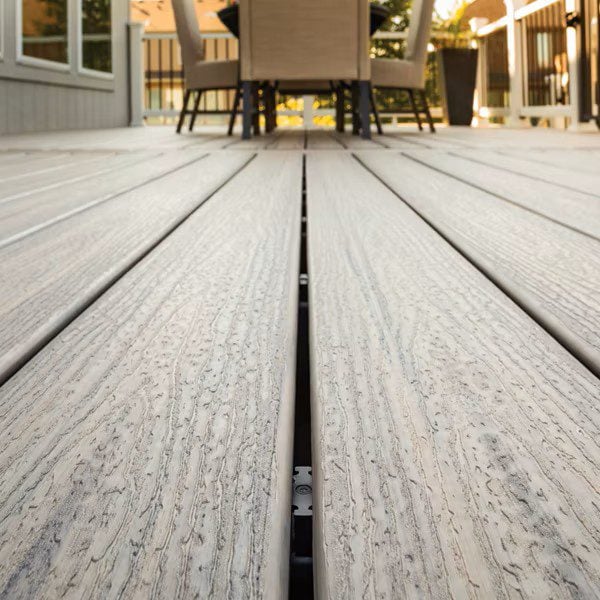
Decks today are expected to do more than just function. They are designed to feel like a natural extension of the home. Clean lines, cohesive materials, and a more refined finish have become the standard.
That shift has put one detail in the spotlight: how your deck boards are fastened. Hidden fasteners have quickly moved from a “nice upgrade” to a baseline expectation for modern decking.
What Are Hidden Deck Fasteners?
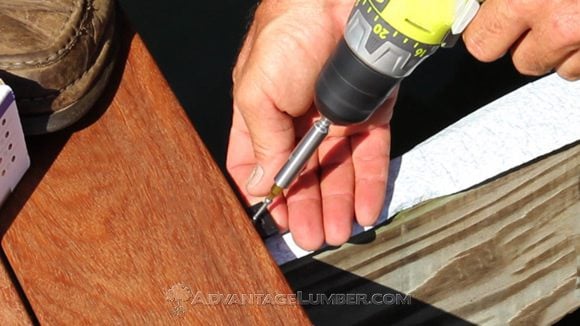
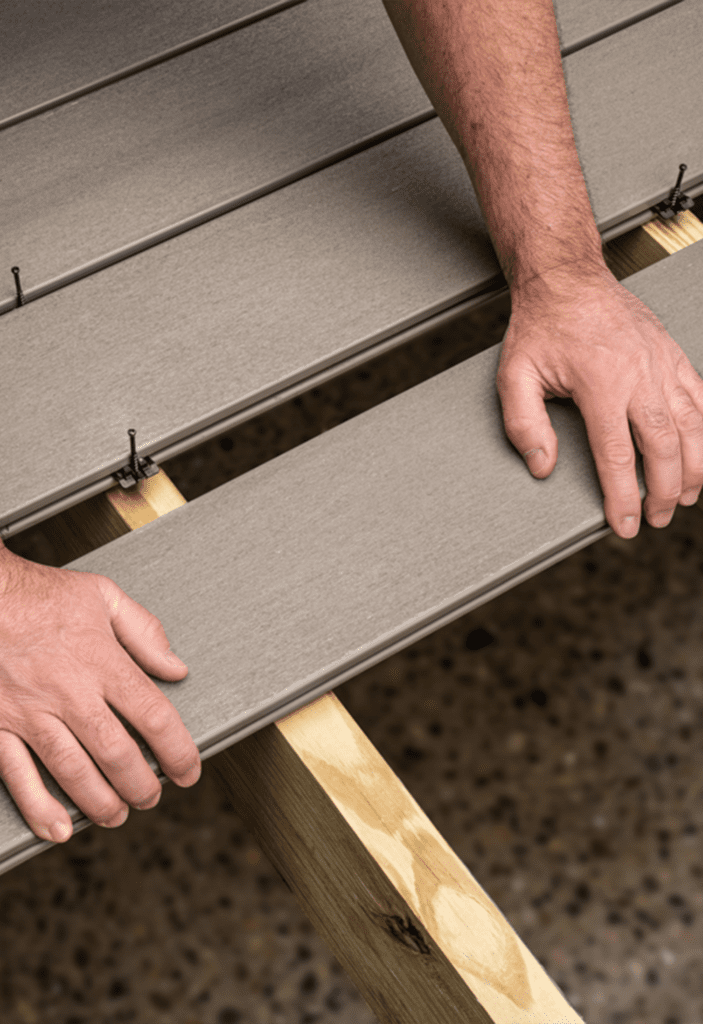
Hidden fasteners secure deck boards from the sides or underneath, eliminating the need to drive nails or screws through the surface.
Instead of visible hardware, these systems use clips or specialized fasteners that hold boards in place while staying out of sight.
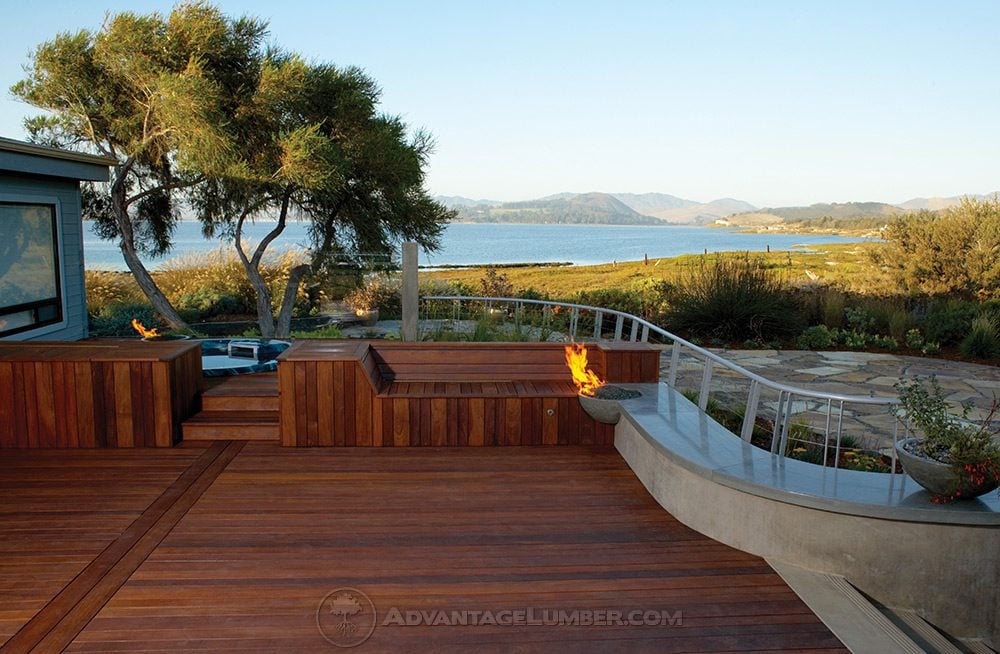
The result is a smooth, uninterrupted surface that highlights the decking material, not the fasteners.
A Cleaner, More Finished Look
One of the biggest advantages of hidden fasteners is visual impact.
Traditional surface fastening can create distractions across the deck:
- Visible screw heads
- Inconsistent alignment
- Interruptions in the wood grain
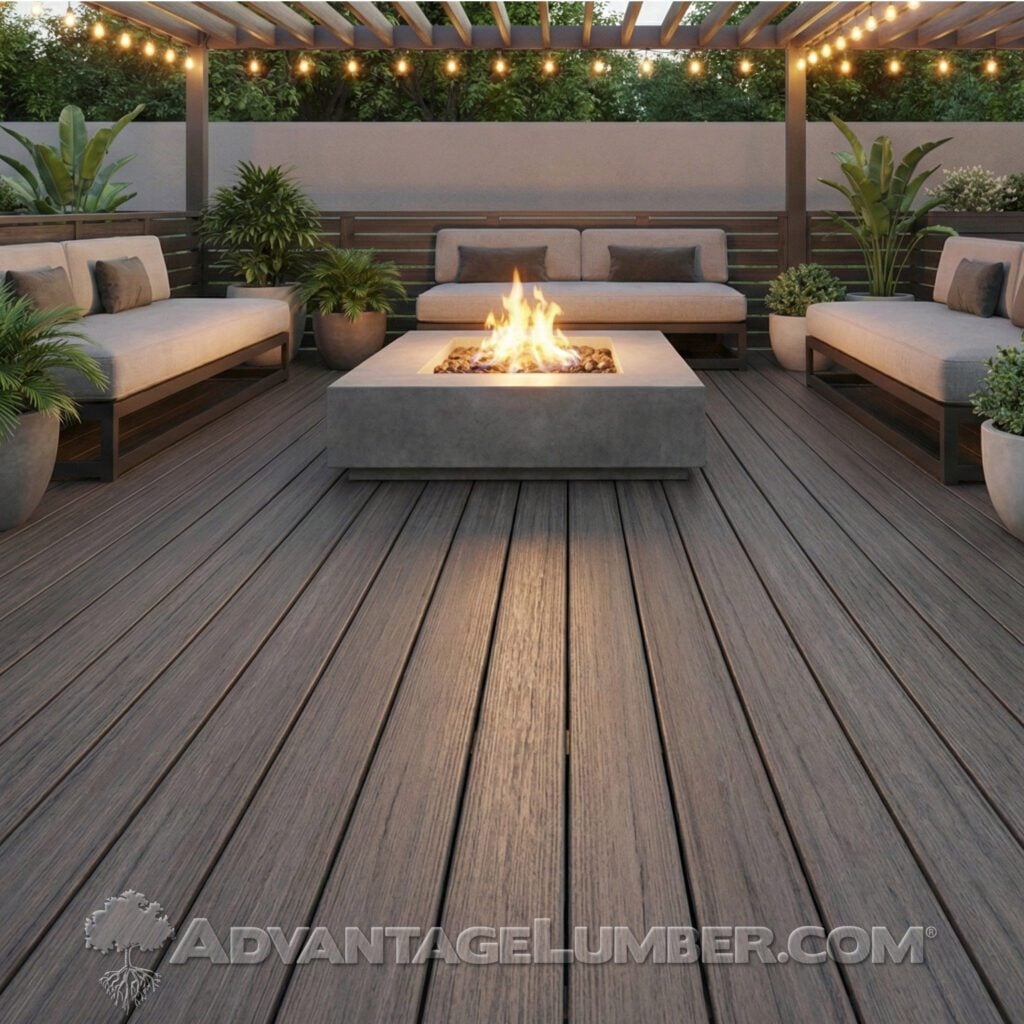
Hidden fasteners remove these distractions, allowing the natural color and texture of hardwood, composite, or PVC decking to shine. For modern outdoor spaces, this cleaner look aligns more closely with interior design expectations – simple, consistent, and intentional.
Built for Long-Term Performance
Hidden fasteners do more than improve appearance—they also help protect your deck over time.
Surface fasteners penetrate the top of each board, increasing exposure to moisture and wear. Over time, this can lead to:
- Faster wear around fastener points
- Standing water pooling on surfaces
- Increased chance of splitting or surface deterioration
Hidden fasteners reduce this exposure by keeping hardware off the surface. They also provide consistent spacing between boards, which is critical for:
- Proper drainage
- Airflow
- Seasonal expansion and contraction
Together, these factors improve the durability and long-term performance of your deck.
Lower Maintenance and Everyday Comfort
A smooth surface is not just about looks. It also improves daily use.
Without exposed fasteners, you avoid:
- Nails or screws working loose over time
- Raised fasteners creating snag points
- Ongoing maintenance to re-secure boards
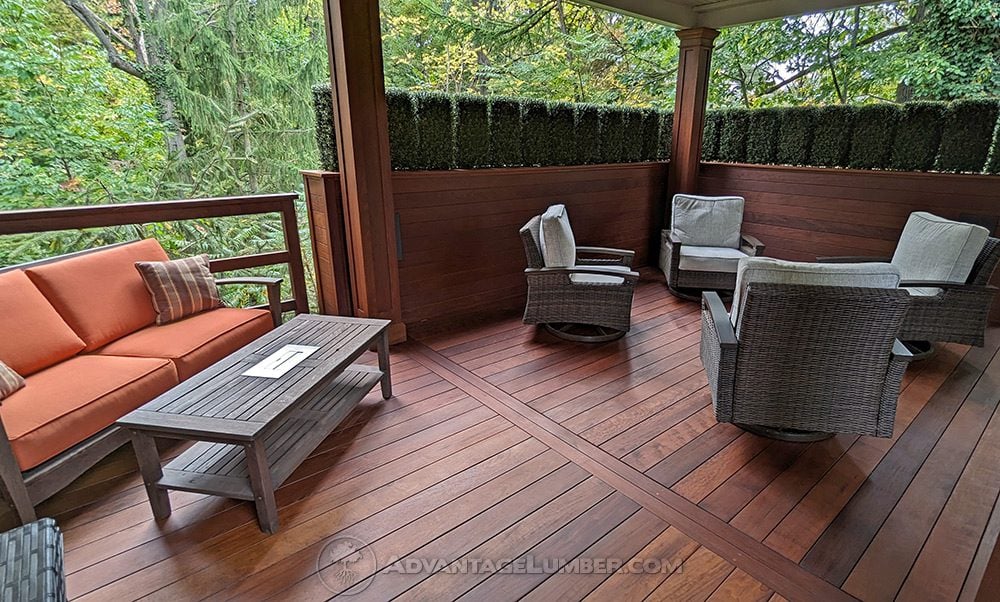
The result is a safer, more comfortable surface for walking barefoot, hosting guests, or everyday use. For homeowners, this practical benefit adds up over time.
Choosing the Right Hidden Fastener System
Not all hidden fasteners are interchangeable. The right system depends on your decking material and how your deck is built.
Some fasteners are designed specifically for hardwood decking, with options suited for air-dried or kiln-dried boards. Others are built for grooved composite or PVC decking, where clip fit and spacing are critical. Specialized systems exist for thermally modified wood and metal joist framing.
Many fasteners are also engineered to pair with specific decking brands, helping ensure a secure fit and a consistent finished look.
Need guidance on selecting the right system for your project? Our team can help you choose fasteners that best match your decking material, substructure, and design goals.
The Bottom Line
Hidden fasteners do more than improve appearance. They also protect your decking, improve durability, and reduce maintenance. For modern decks in 2026, they are no longer just an upgrade. They are a standard part of a professional, long-lasting deck.
Key Takeaways:
- Hidden fasteners create a smooth, uncluttered deck surface
- They reduce moisture exposure and surface wear
- Built-in spacing improves drainage and performance
- They offer a safer, lower-maintenance alternative to face fastening
- They are quickly becoming the standard for modern decking
