
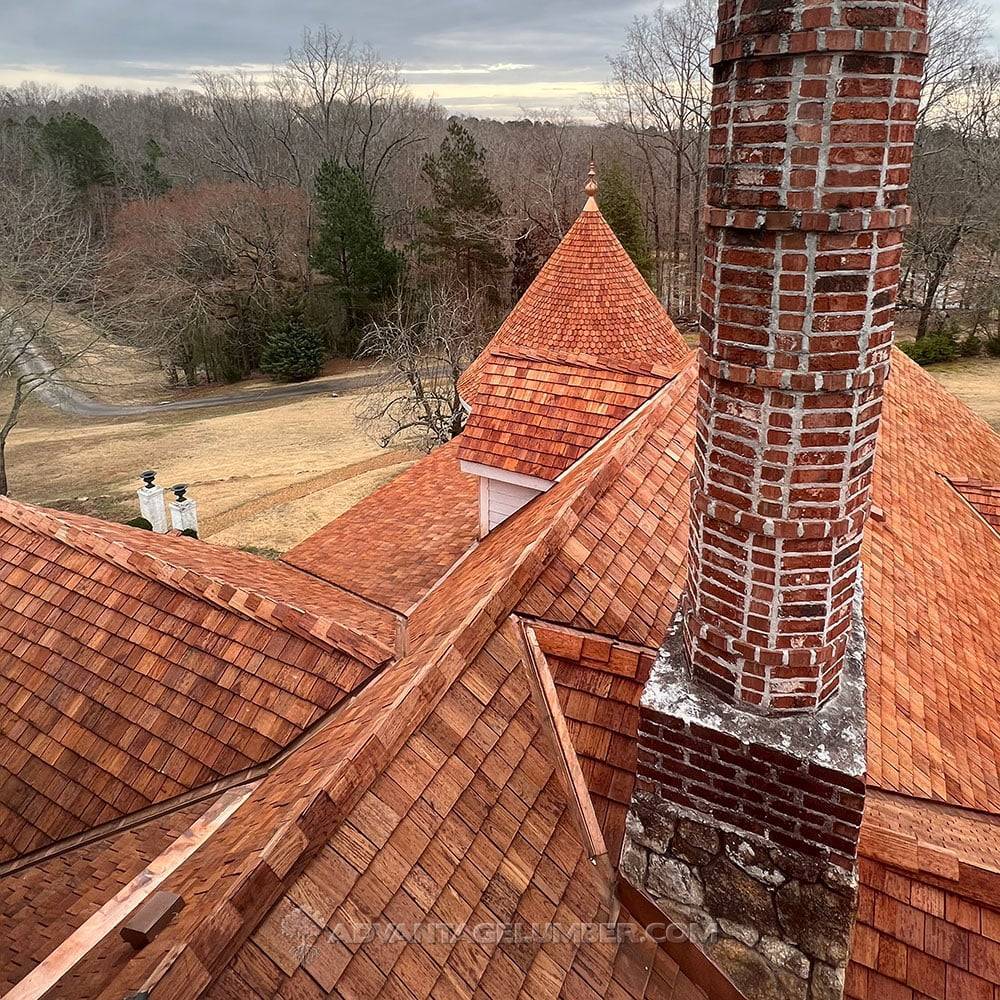
If you’re in the market for a new roof, you’ve likely weighed the popular choice of asphalt shingles against more premium options like real wood. Asphalt is affordable and straightforward, but real wood roof shingles—crafted from naturally durable woods—offer a timeless elegance that can transform your home’s exterior.
The big question on every homeowner’s mind: Are they worth the investment? The short answer? For those who value longevity, aesthetics, and energy efficiency, absolutely. In this post, we’ll break down the pros of wood shingles compared to asphalt, the cost realities, their unbeatable curb appeal, and even how they keep your home cooler.
Plus, we’ll compare two standout options available right here at AdvantageLumber.com: Western Red Cedar and the ultra-durable Wallaba shingles.
The Pros of Wood Shingles Over Asphalt: Beyond the Surface
Asphalt shingles have dominated the roofing market for decades thanks to their ease of installation and low upfront cost, but wood shingles shine in areas where performance and character matter most. Here’s why many homeowners are making the switch:
- Superior Durability and Longevity: With proper maintenance, wood shingles can last 30-50 years or more, outpacing the typical 20-30 year lifespan of asphalt. They naturally withstand harsh weather, impacts, and wear better than asphalt, which can crack or granule-lose over time.
- Better Insulation and Energy Efficiency: Wood’s natural composition provides excellent thermal insulation, helping regulate indoor temperatures year-round. Unlike asphalt, which can trap heat, wood allows for superior ventilation, potentially lowering your heating and cooling bills.
- Eco-Friendly and Sustainable: Sourced from renewable forests, wood shingles are biodegradable and have a lower carbon footprint during production compared to petroleum-based asphalt. Plus, they age gracefully, developing a patina that enhances their environmental harmony.
- Unique Texture and Resilience: Wood offers a varied, handcrafted look that’s far more dynamic than asphalt’s uniform surface, and it flexes with temperature changes without brittle failure.
While asphalt wins on quick repairs and fire resistance in some cases, wood’s pros make it a standout for homes built to last.
The Cost Difference: Upfront Hit, Long-Term Win?
Let’s address the elephant in the room: wood shingles cost more upfront. On average, installing asphalt shingles runs $3.50 to $5.50 per square foot, making a full roof replacement on a 2,000-square-foot home around $7,000 to $11,000. In contrast, wood shingles range from $8 to $15 per square foot, pushing that same project to $16,000 to $30,000 or higher, depending on the wood type and labor.
That premium might sting, but consider the ROI: Wood’s extended lifespan means fewer replacements over decades, and its energy-saving properties can shave hundreds off annual utility costs. In regions with strict building codes or high insurance premiums for asphalt in wildfire-prone areas, wood could even save on premiums. For budget-conscious buyers, financing options or partial wood accents can bridge the gap without skimping on style.
Aesthetic Appeal: Elevating Curb Appeal in the Right Regions
One of wood shingles’ most compelling draws? Their unmatched aesthetic charm. Unlike the sleek, modern vibe of asphalt, wood delivers a rustic, organic texture that screams craftsmanship. Picture sun-bleached cedar shakes on a seaside cottage or deep-toned shingles crowning a mountain cabin—they add depth, shadow play, and a lived-in warmth that asphalt simply can’t match.
This curb appeal is regionally magnetic. In coastal New England or Pacific Northwest havens, wood roofs blend seamlessly with the natural landscape, boosting home values by up to 5-7% according to real estate experts. In the Rockies or California’s wine country, they evoke historic elegance that sets your property apart in a sea of cookie-cutter roofs. If your home’s architecture leans traditional or craftsman-style, wood shingles aren’t just an upgrade—they’re the finishing touch that turns heads and sparks compliments.
Stay Cooler in Summer: Wood’s Secret to Beating the Heat
Living in a hot climate? Asphalt roofs could be working against you. Dark asphalt shingles absorb up to 80% of the sun’s heat, reaching surface temperatures over 150°F on a sunny day. That solar energy radiates through your roof, attic, and into living spaces, forcing your AC to run overtime—and it lingers into the evening, spiking energy bills even after sunset.
Wood shingles flip the script. Their lighter, natural tones reflect more sunlight and absorb less heat than asphalt, keeping roof surfaces 20-30°F cooler. Combined with wood’s breathable structure, this means better attic ventilation and a noticeably cooler home interior. Homeowners in sunny spots like Florida or Texas report up to 15% savings on summer cooling costs after switching to wood—proof that a shingled roof can pay dividends in comfort and your wallet.
Western Red Cedar vs. Wallaba: Which Wood Shingle Wins for Your Roof?
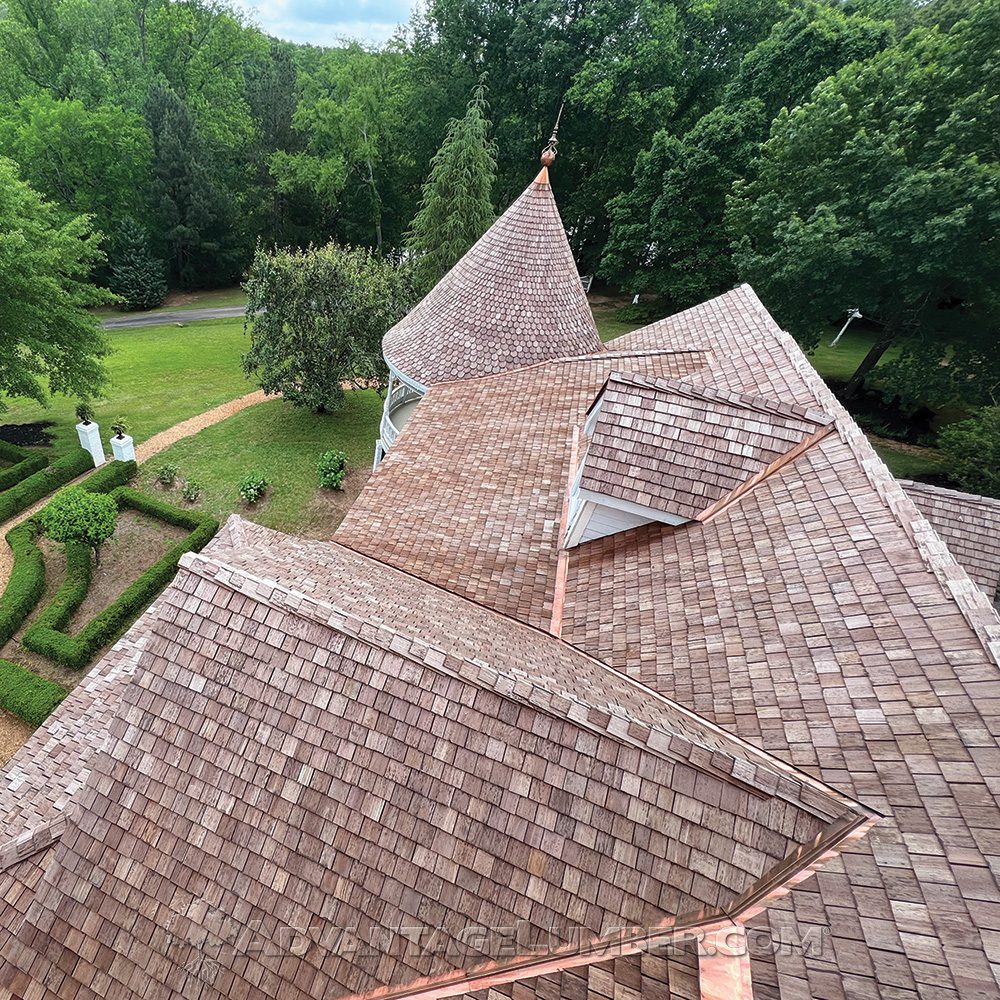
At AdvantageLumber.com, we pride ourselves on offering premium, sustainably sourced wood shingles that stand the test of time. Two of our most popular roofing options—Western Red Cedar and Wallaba—each bring unique strengths to the table. Here’s a head-to-head:
| Feature | Western Red Cedar Shingles | Wallaba Shingles |
|---|---|---|
| Durability | 30-50 years with maintenance; natural oils resist decay and insects | 50+ years; denser hardwood with superior rot, insect, and corrosion resistance—even in humid tropical climate or cold snowy climates |
| Aesthetic | Warm reddish tones, fine grain for classic, elegant look | Rich reddish-brown hue, coarse texture for bold, exotic vibe |
| Best For | Temperate climates; easy to work with and treat | Harsh, humid, or coastal environments or cold snowy climates; low-maintenance longevity |
| Thickness Options | Typically 16-24mm for flexibility | 12mm or 15mm for precise, sawn uniformity |
| Sustainability | Renewable North American softwood | Responsibly harvested from Guyana’s forests |
Western Red Cedar is the go-to for its affordability and timeless beauty—perfect if you’re after that quintessential cabin charm without breaking the bank. But if durability is your top priority, Wallaba edges it out as a tropical hardwood powerhouse, often outlasting cedar by decades with minimal upkeep. Both are premium-grade and available now at AdvantageLumber.com, complete with installation guides to get you started.
Final Verdict: Invest in Wood for a Roof That Delivers
So, are real wood roof shingles worth the money? If you’re chasing a roof that enhances your home’s value, beauty, and efficiency for generations, the answer is a resounding yes. While asphalt suits quick, no-fuss fixes, wood elevates your living experience—from cooler summers to standout street appeal. Ready to explore? Browse our Western Red Cedar and Wallaba collections at AdvantageLumber.com today, or contact our experts for a custom quote. Your dream roof is just a click away—let’s make it last a lifetime.
