
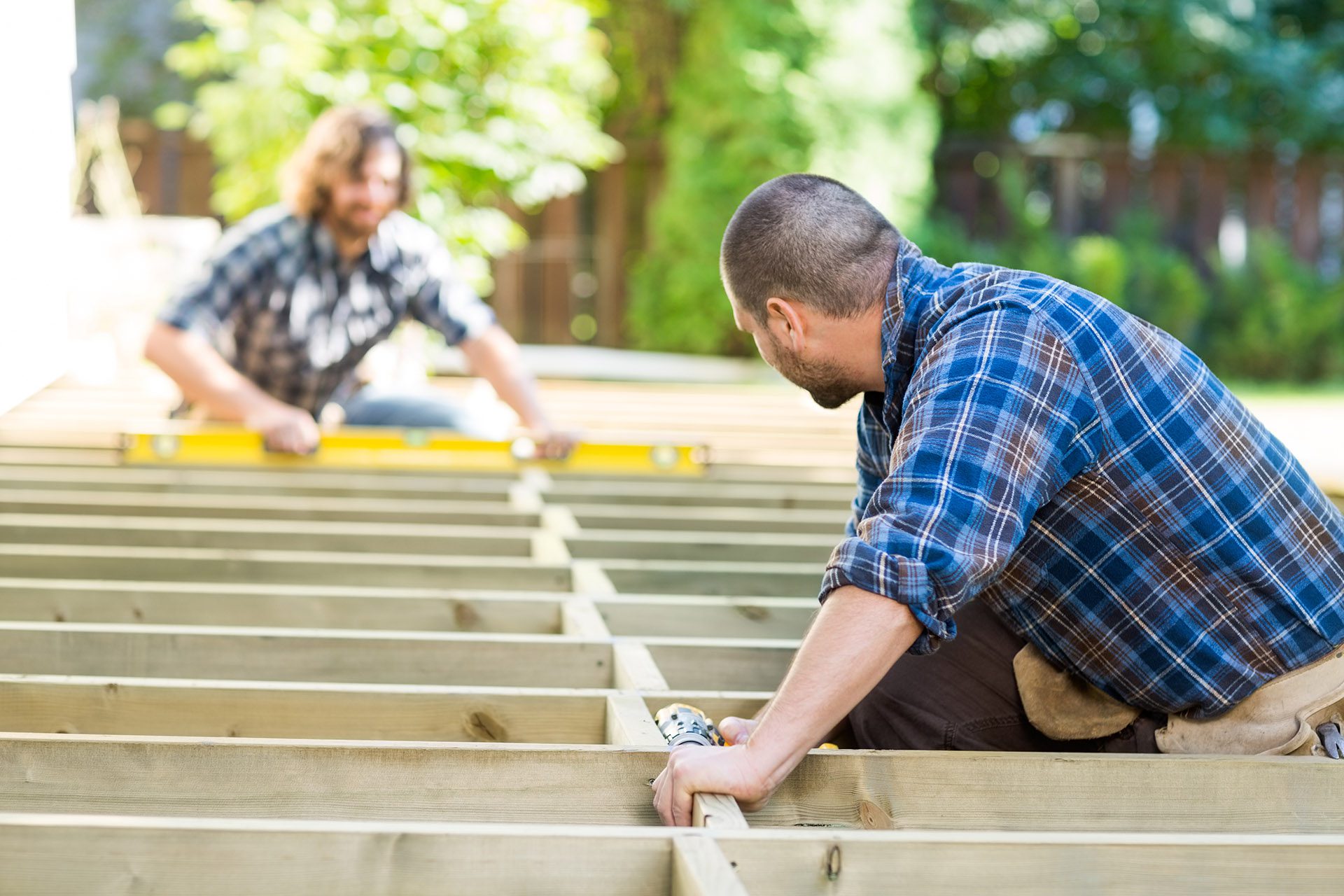
If you’re thinking about building a deck late in the year, you may wonder if you’ve already missed your window. Fortunately, there isn’t a specific date that marks the end of deck-building season.
In warmer parts of the United States, you can often build well into fall and even winter. In colder climates, the weather and ground may eventually make construction much harder. Once the ground freezes, snow becomes a regular problem, and temperatures stay below freezing, you may want to wait until spring.
The important thing is to look at the conditions rather than the calendar.
When Is It Too Late to Build a Deck?
You can generally build a deck as long as the site allows you to do the work correctly. In colder climates, the ground usually creates the biggest problem. Deck footings must meet local building codes, which often require you to extend them below the local frost line. Frozen ground can make excavation difficult or even impossible.
Cold weather can also slow concrete curing. If temperatures are dropping, you may need to adjust your plans. A few cool days in the fall are very different from trying to excavate and pour footings after the ground has frozen solid.
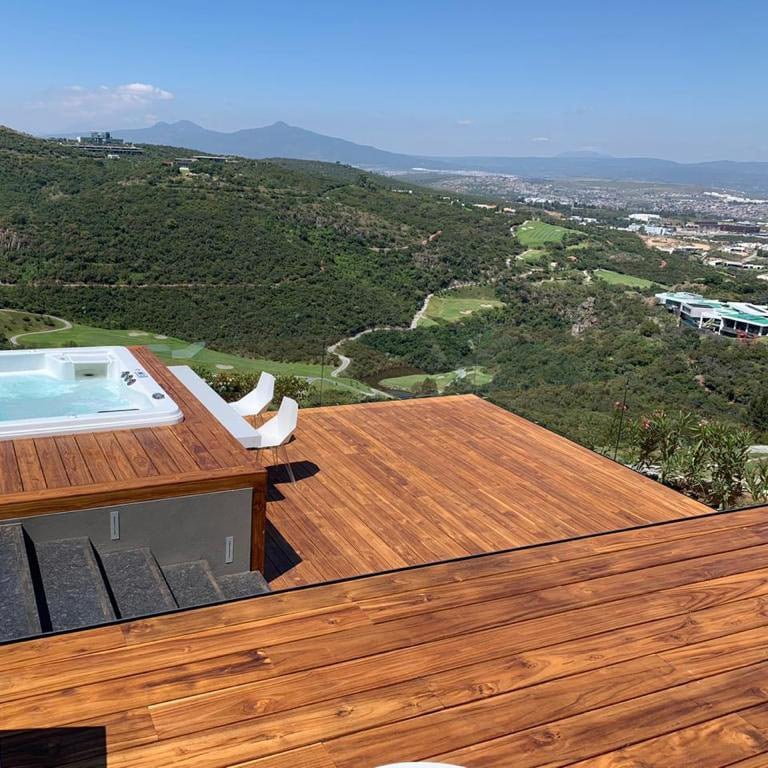
Building a New Deck vs. Finishing an Existing Project
Starting a new deck late in the year can present different challenges than finishing one you’ve already started.
If you’ve already installed the footings and framing, you may have plenty of time to install the decking, railing, and other finishing details. You no longer need to worry about excavation or concrete, so fewer parts of the project depend on the weather.
Starting from scratch can take considerably more planning. A new deck may require permits, excavation, footings, inspections, concrete, framing, decking, stairs, and railing.
Can You Install Decking in Cold Weather?
You can generally install wood decking in cooler weather, although you should follow the recommendations for the species you’re using. Composite and PVC decking can also be installed in cold weather, but you may need to follow specific manufacturer requirements.
Temperature can affect things like gapping, fastening, and how certain materials handle installation. Check the installation instructions for the decking and fasteners you plan to use before getting started.
What About Framing?
The decking may be the most visible part of the project, but the framing is what supports everything above it. The footings, posts, beams, joists, ledger, and connections all need to be properly built, whether you’re installing Ipe, composite, PVC, or another decking material.
This is especially important when you’re working late in the season. If the weather turns before the structural work is complete, it can be tempting to push ahead just to get the deck finished.
That usually isn’t worth the risk.
If frozen ground, poor weather, or other conditions make it difficult to build the frame correctly, it may be better to stop and finish the decking when conditions improve. A properly built frame matters much more than getting the entire project completed before winter.
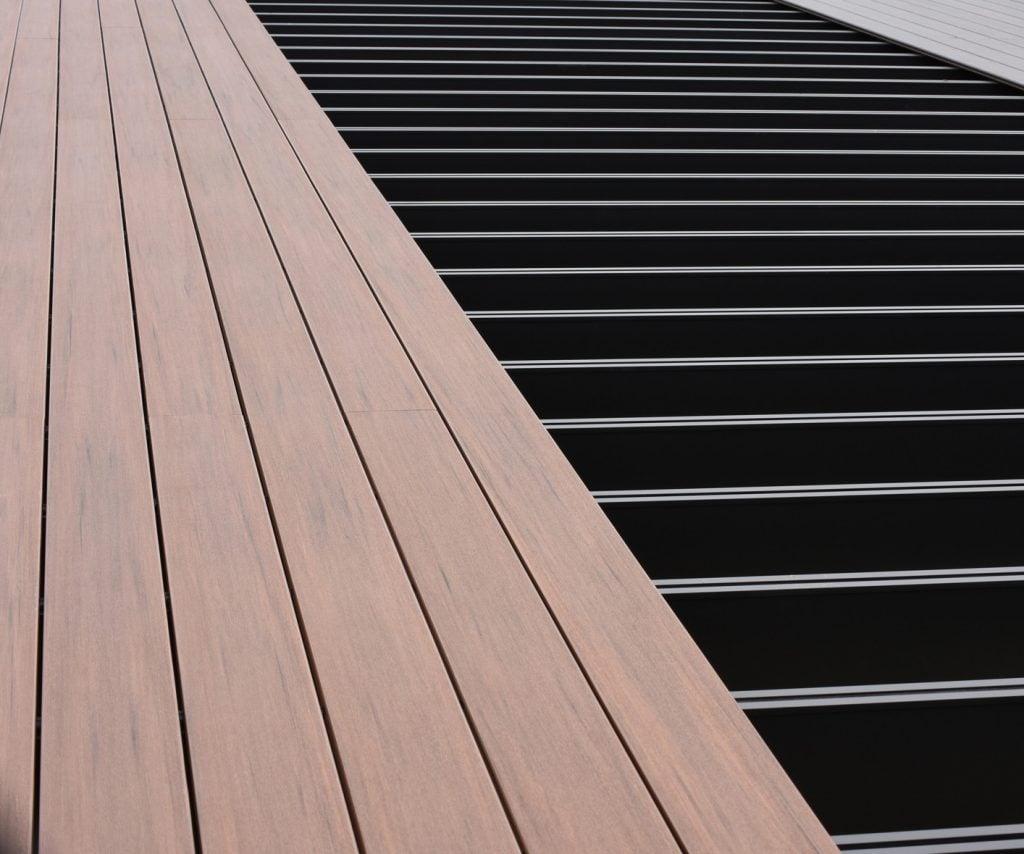
Does Your Climate Matter?
A deck project in Florida has a very different construction season than one in Wisconsin or New York. In warmer climates, fall and winter may provide some of the most comfortable working conditions of the year. In areas with mild winters, you may not have much of an offseason at all.
Northern climates can give you a much shorter window. Once the ground freezes or snow and ice start to stick around, excavation and other outdoor work can become much more difficult.
It is important to consider your local weather, ground conditions, building requirements, and the amount of work you still need to complete. Those factors can give you a much better idea of whether you still have time to build this year.
Is It Better to Wait Until Spring?
If the weather still cooperates and you have enough time to complete the project correctly, there’s probably nothing wrong with building a deck in the fall. You may even be able to enjoy the new deck sooner instead of waiting for the spring building season.
On the other hand, if winter is approaching and you still need to dig the footings, pour concrete, build the frame, install the decking, and finish the railing, it might be best to wait for spring.
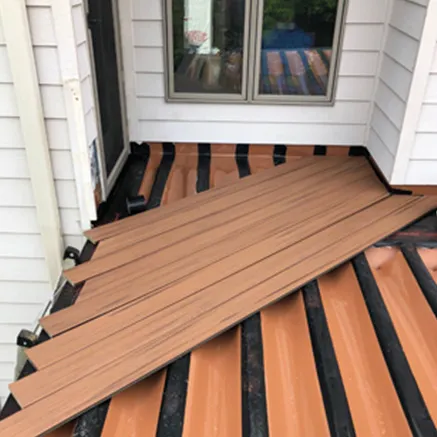
What If You Can’t Finish the Deck Before Winter?
You might be able to divide the project into stages.
For example, you might have enough time to complete the excavation, footings, and framing before winter and install the decking when conditions improve. This won’t work for every project, though, so consider your specific plans, local building requirements, and the manufacturer’s recommendations for your materials.
If you leave a partially completed deck through winter, make sure the structure remains secure and protected from unnecessary exposure. Don’t assume the frame can sit through the winter without any additional precautions.
The Bottom Line
There is no universal cutoff date for building a deck. You can build well into fall as long as the ground remains workable, temperatures suit the materials, and you have enough time to complete the project correctly.
In colder climates, however, frozen ground and winter weather will eventually bring most outdoor construction to a stop. When you’re getting close to that point, waiting until spring will usually make more sense than rushing the job.
If you’re planning a new deck, check out the Advantage Lumber website for decking, framing, railing, and other materials for your project.
