
When choosing siding, homeowners often compare the low-maintenance appeal of fiber cement with the natural character of wood. Both materials can work well on a home, but they offer very different looks, performance characteristics, and maintenance requirements.
Natural wood siding is also more versatile than many homeowners realize. Beyond traditional cedar, today’s options include tropical hardwoods, thermally modified wood, and Accoya. Depending on the species and application, these materials can offer impressive durability, stability, and long-term performance.
Wood Siding vs. Fiber Cement: What’s the Difference?
The biggest difference is fairly simple: fiber cement is an engineered siding material, while natural wood comes directly from the tree.
Fiber cement combines cement, sand, cellulose fibers, and other ingredients to create a dense material. As a result, it can resist rot, insects, and moisture, and it doesn’t burn like natural wood. Many products also come with factory-applied finishes, potentially reducing the amount of painting and maintenance required over time.
Natural wood provides different advantages. Each board has its own grain, color variation, and texture. Although wood can require more attention during installation and maintenance, the right species can also provide impressive durability and a long service life.
Why Are Homeowners Reconsidering Natural Wood?
One of the biggest reasons to choose wood siding is its appearance.
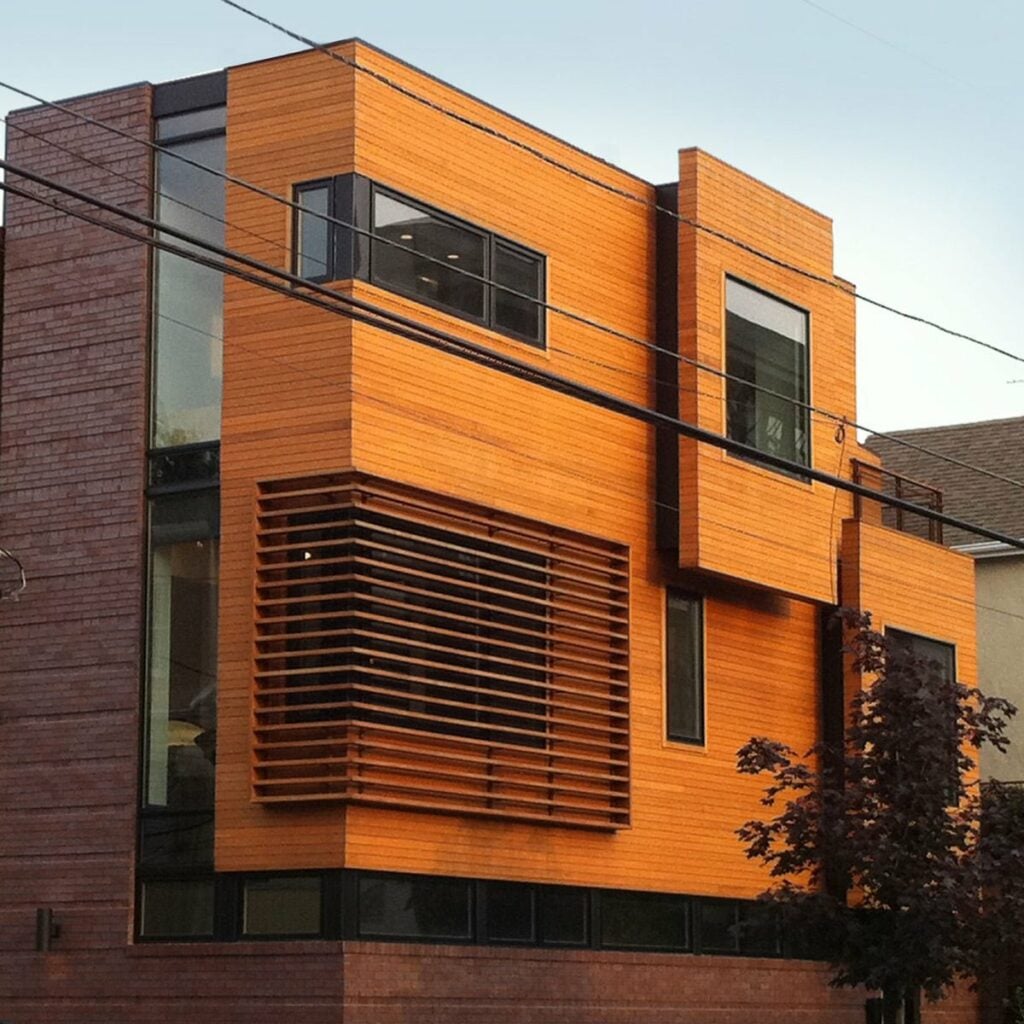
Natural wood has genuine grain, texture, and variation from board to board. That character can give an exterior more depth, particularly when the siding plays an important role in the home’s design.
Durability is another reason to consider wood. Some species can hold up outdoors for decades when properly installed and maintained. Tropical hardwoods such as Ipe, Cumaru, Tigerwood, and Garapa have dense grain and natural properties that can help them resist decay, insects, and moisture.
Wood is also a renewable natural resource. At the end of a long product life, untreated wood can potentially biodegrade under the right conditions. Depending on the species, finish, and disposal method, it may also be reused or repurposed before reaching the end of its useful life.
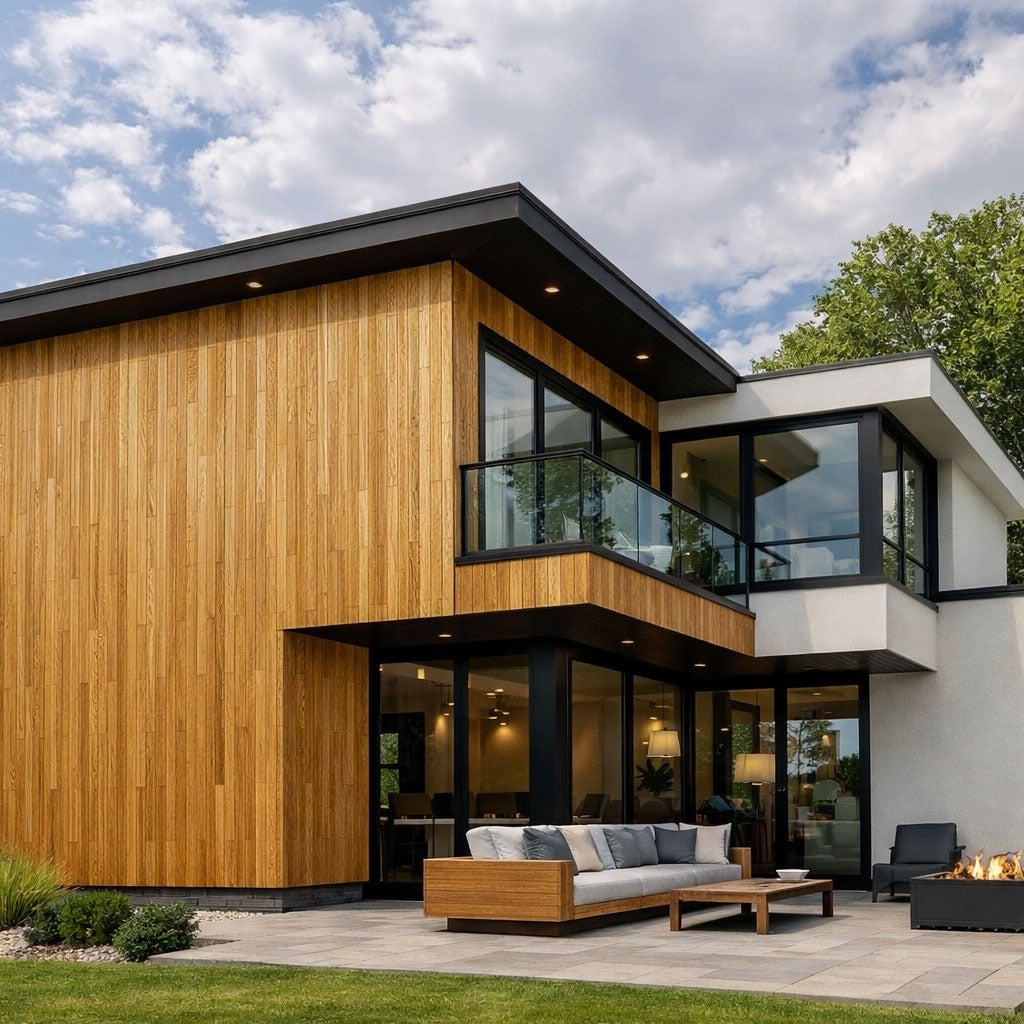
Wood isn’t limited to traditional home styles. Vertical siding, rainscreen systems, accent walls, soffits, and clean-lined profiles can all create a modern appearance.
What Types of Wood Siding Are Available?
Not all wood siding performs the same way. Species, manufacturing processes, profiles, installation methods, and finishes can all affect how a siding system performs over time.
Western Red Cedar
Western Red Cedar is relatively lightweight, easy to work with, and offers the traditional appearance many people associate with wood siding.
However, proper flashing, ventilation, drainage, and finishing still matter when installing cedar outdoors. Like other wood species, its performance can depend heavily on how the siding is installed and maintained.
Tropical Hardwood Siding
Tropical hardwoods, such as Ipe, Cumaru, Tigerwood, and Garapa, offer distinctive colors and grain patterns along with natural resistance to decay, insects, and moisture. Some can last for decades with proper installation and care.
The trade-off is cost and workability. Tropical hardwoods generally cost more than many conventional siding materials, and their density can require additional care during machining and installation.
For homeowners who want a highly durable siding material with a distinctive natural appearance, though, tropical hardwood can be a great choice.
Thermally Modified Wood
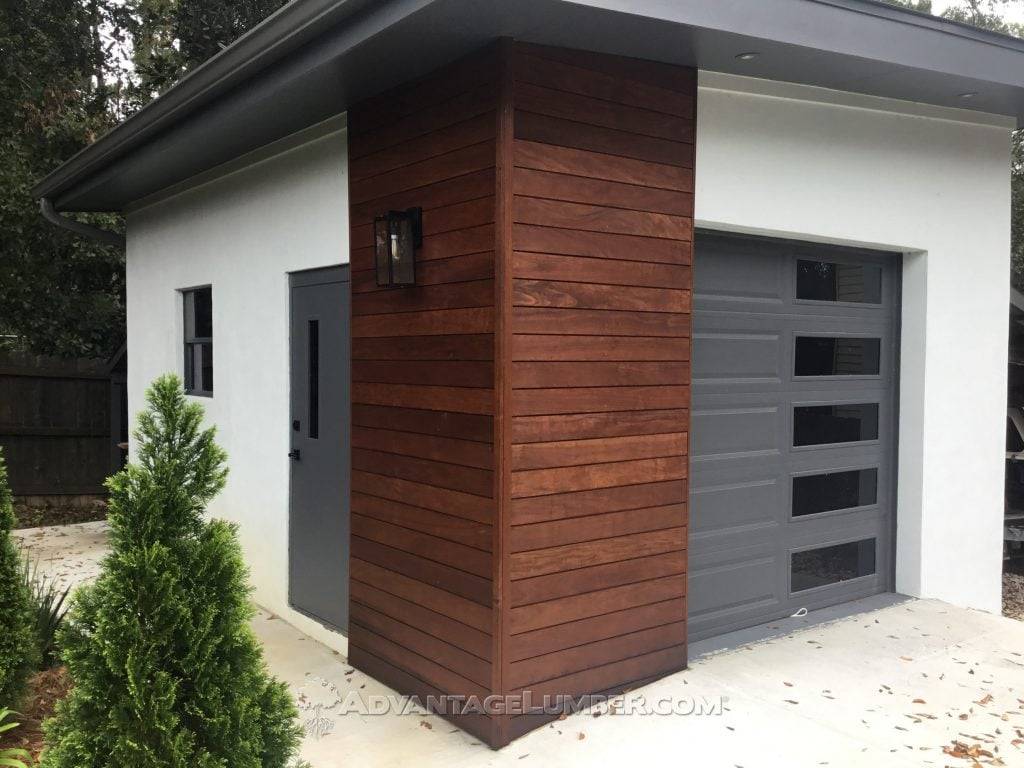
Thermally modified wood uses high heat to alter the wood’s structure without adding chemicals. This causes the wood to absorb less moisture and resist rot, decay, insects, and dimensional movement better than traditional wood.
Its added stability can help reduce problems such as warping and cupping. It can also weather naturally or receive a UV-protective finish, depending on the appearance you want.
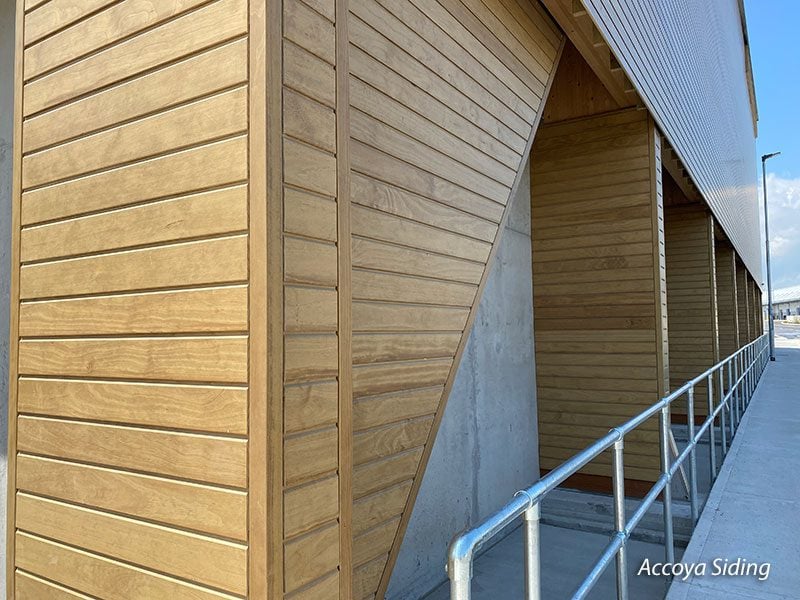
Accoya
Accoya uses an acetylation process to improve dimensional stability and resistance to decay.
In other words, you still get genuine wood, but with properties that may make it well suited to demanding exterior applications. It can be worth considering if stability and long-term performance are priorities.
Does Wood Siding Require More Maintenance?
Generally, yes, although the amount of maintenance can vary considerably by species and finish.
Traditional wood siding may require periodic cleaning, staining, painting, or refinishing. If you want to preserve the original color of some species, you’ll likely need to maintain the appropriate finish.
On the other hand, many homeowners may be perfectly comfortable allowing natural wood to weather. Tropical hardwoods, for example, can develop a silver-gray patina when left unfinished.
Rather than asking whether wood siding is high maintenance, it makes more sense to ask which species you’re using, how you plan to finish it, and how much maintenance you’re willing to handle.
Where Fiber Cement May Make More Sense
Fiber cement can be a practical choice for homeowners who prioritize relatively low maintenance, a consistent painted appearance, and a noncombustible siding material.
It can also resist rot, insects, and moisture. If you want every board to have a similar appearance and don’t want to manage the natural weathering of wood, fiber cement may be a better fit.
However, fiber cement doesn’t provide the natural grain, texture, and board-to-board variation that make real wood distinctive.
Can You Combine Wood Siding and Fiber Cement?
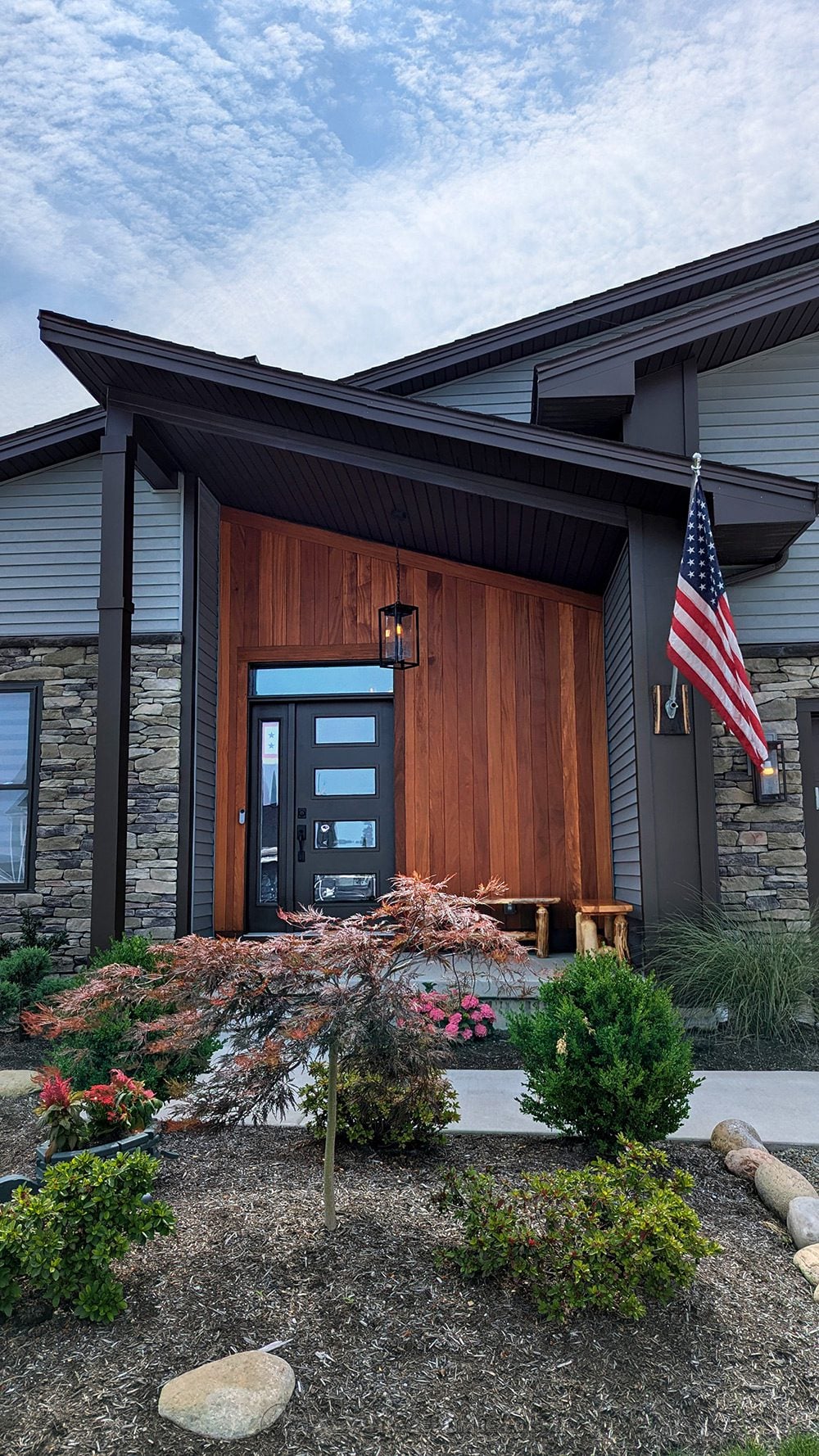
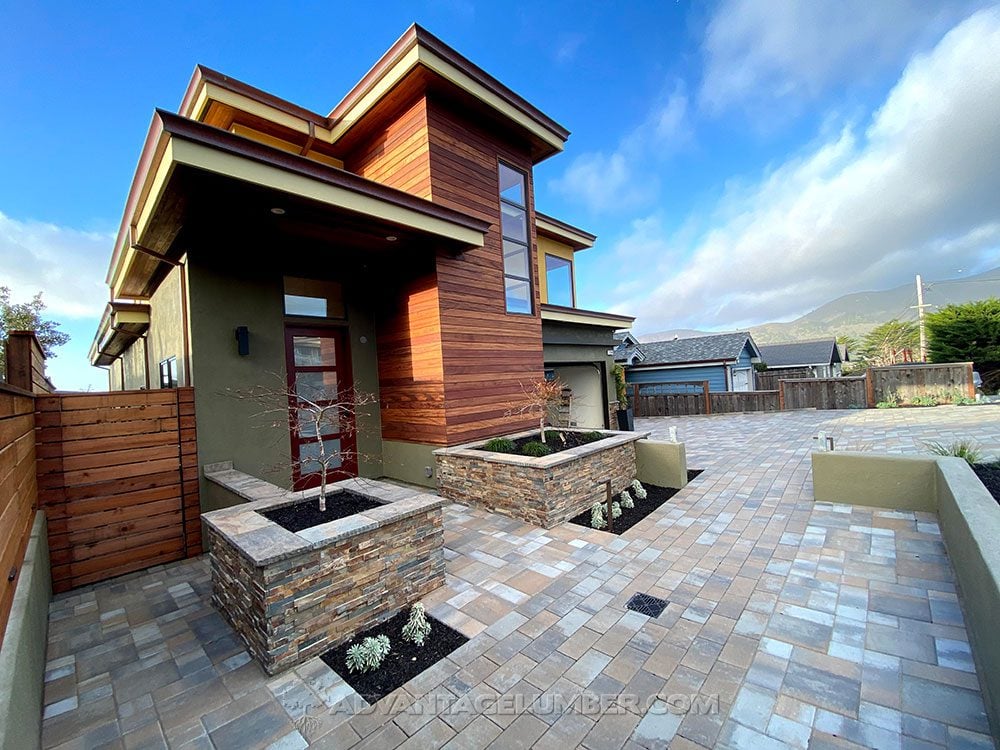
Using both materials can give you some of the practical characteristics of fiber cement while still bringing natural wood into the design. You might use fiber cement across most of the exterior and add wood around an entryway, on a gable, along an upper level, or beneath a porch.
This approach can also make it easier to use a more expensive wood species selectively. Rather than covering the entire house with tropical hardwood, you can use it where it will have the greatest visual impact.
Mixed-material exteriors can also combine wood with other materials such as stone, brick, metal, or fiber cement to create contrast and highlight architectural features.
Wood Siding vs. Fiber Cement: Which Should You Choose?
There isn’t one right answer for every home. Your climate, budget, design preferences, and willingness to maintain the siding can all factor into the decision.
Natural wood may make more sense if you:
- Want genuine wood grain, texture, and color variation
- Prefer a natural or custom appearance
- Want a siding material that can potentially last for decades
- Like the idea of letting the siding weather over time
- Want to choose from different wood species and profiles
- Prefer a renewable, natural building material
- Don’t mind periodic maintenance or finishing
Fiber cement may make more sense if you:
- Want a relatively low-maintenance exterior
- Prefer a consistent painted appearance
- Want resistance to rot, insects, and moisture
- Prefer a noncombustible siding material
- Don’t want to manage the natural weathering of wood
Or, you could use both. A mixed-material exterior can let you use each material where it makes the most sense, with wood highlighting entries, gables, soffits, porches, or other architectural features.
Final Thoughts
Fiber cement has become popular because it offers a practical combination of durability and relatively low maintenance. However, natural wood continues to offer something different: genuine grain, natural variation, warmth, and texture.
Wood can also provide impressive durability and a long service life, depending on the species, installation, and maintenance. With options ranging from cedar and tropical hardwoods to thermally modified wood and Accoya, homeowners have more choices than they might expect.
Wood is also a renewable natural resource. Although its environmental impact depends on how it’s sourced, finished, used, and eventually disposed of, a wood siding product may be reused or potentially biodegrade at the end of its useful life.
Ultimately, the right siding depends on your home, climate, design, budget, and willingness to maintain it.
If you’re considering natural wood siding, check out Advantage Lumber’s siding and cladding options to compare species, profiles, and applications for your project.
