
When you compare decking materials, PVC decking can stand out pretty quickly because of its price.
PVC often costs more upfront than standard composite decking and some natural wood options. So, is the extra investment actually worth it?
For many homeowners, it can be. PVC offers excellent moisture resistance, low maintenance, long-term durability, and realistic wood-inspired aesthetics. But those benefits aren’t equally important for every deck.
The better question isn’t simply whether PVC decking is worth the money. It’s whether PVC’s advantages make sense for your project.
What Is PVC Decking?
PVC decking is made from polyvinyl chloride, a synthetic plastic material. It does not contain organic material unlike composite decking, which typically combines wood fibers with plastic. PVC is highly resistant to rot, mold, mildew, and swelling, because there is no organic material in the boards to absorb moisture.
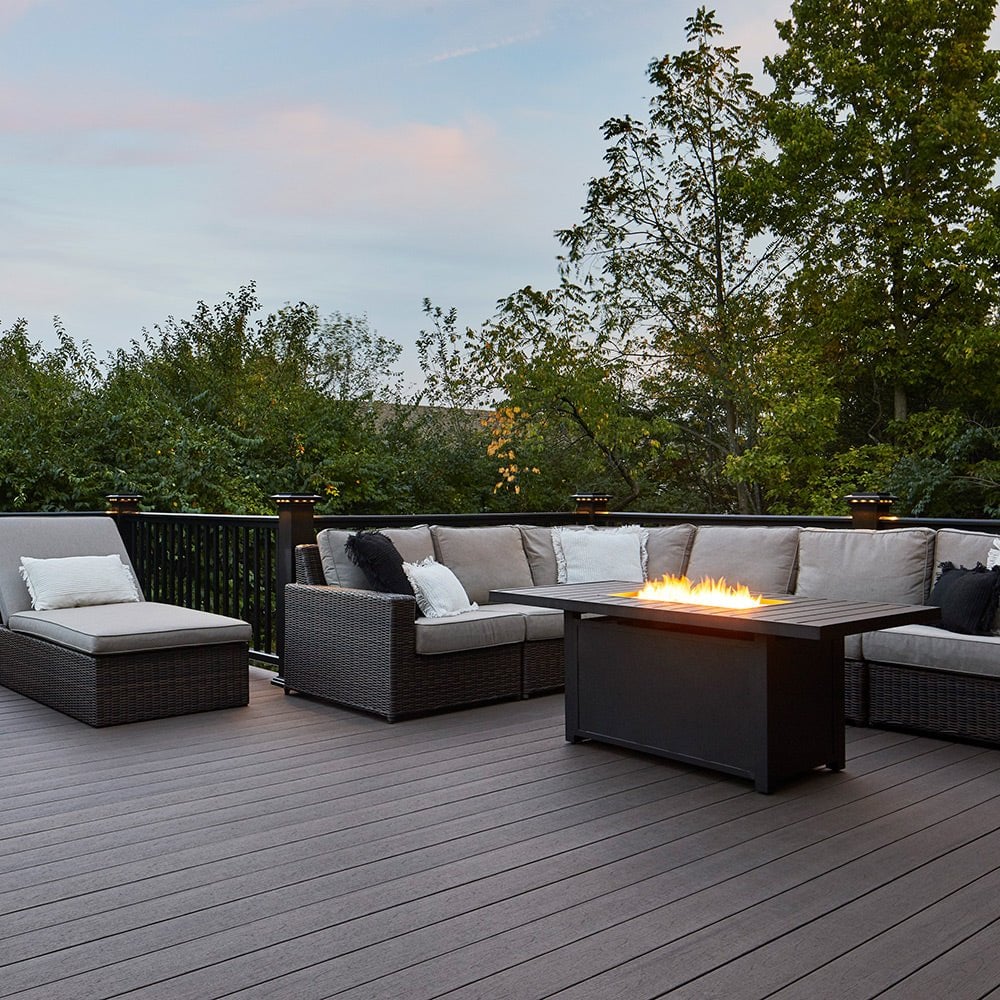
Modern PVC decking has also come a long way in appearance. Luxury PVC decking features realistic grain patterns, color variation, and textured finishes designed to resemble natural wood.
Why Does PVC Decking Cost More?
Premium PVC boards are engineered for outdoor performance, including resistance to moisture, UV exposure, stains, and everyday wear. Many also use detailed surface textures and color variation to create a more realistic wood appearance.
With PVC decking, you’re paying for a combination of the material, its performance, and the convenience it can provide over time.
That doesn’t necessarily make PVC the best value for every deck. If you don’t need those particular benefits, another material may make more sense.
What Are the Benefits of PVC Decking?
Low Maintenance
PVC generally doesn’t need to be stained, sealed, or oiled like many wood decking products. Regular cleaning can usually take care of dirt, leaves, pollen, and everyday spills.
Excellent Moisture Resistance
PVC contains no wood fibers so moisture absorption isn’t the same concern it is with wood-based decking materials.
That makes PVC especially appealing for:
- Pool and hot tub decks
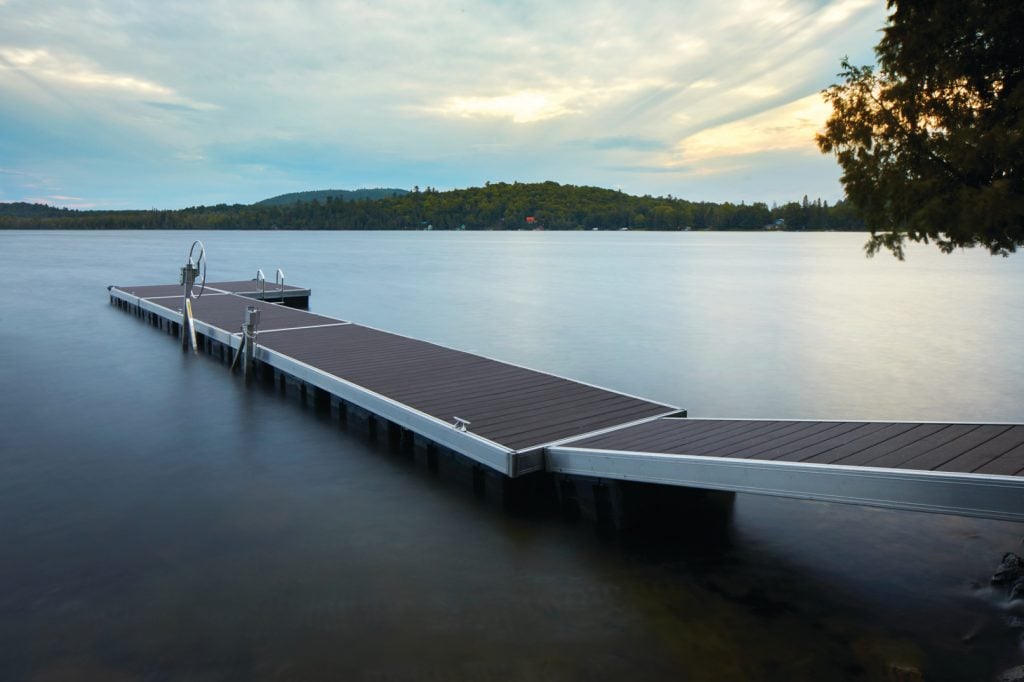
- Waterfront properties
- Humid climates
- Coastal homes
- Areas with frequent rainfall
If moisture is one of your biggest concerns, this is a good reason to consider paying more for PVC.
Resistance to Fading and Staining
Quality PVC decking is designed to withstand outdoor exposure while maintaining its appearance. Many premium products also come with fade and stain warranties.
Lightweight Construction
PVC decking is generally lighter than many wood and composite products. That can make the boards easier to transport and handle during installation.
Realistic Wood-Like Appearance
Today’s premium PVC decking can look surprisingly realistic. Products such as TimberTech’s Advanced PVC decking use detailed grain patterns and color variation to mimic the appearance of natural hardwood.
There is still a difference between manufactured decking and real wood, though. If natural grain, texture, and character are the main reasons you want a wood deck, PVC won’t provide exactly the same experience.
Is PVC Decking Better Than Composite?
Composite decking generally combines wood fibers and polymers, while PVC is made entirely from synthetic polymer material.
Because PVC contains no wood fibers, it has an advantage when moisture resistance is a priority. Composite decking, however, can offer a different balance of appearance, performance, and price. If low maintenance and moisture resistance are your top priorities, PVC may be worth the premium.
PVC Decking vs. Wood Decking
Natural hardwood offers something manufactured decking can’t completely reproduce: the look and feel of real wood.
Species such as Ipe, Cumaru, Tigerwood, and Teak have naturally distinctive grain patterns and colors. They’re also exceptionally durable and can provide decades of service when properly installed and maintained.
Instead of relying on the natural durability of wood, PCV decking uses a manufactured surface designed to resist moisture, fading, staining, and everyday wear with relatively little maintenance.
Choose PVC if you want:
- Minimal ongoing maintenance
- Excellent moisture resistance
- Consistent appearance
- Strong resistance to fading and staining
- A wood-inspired look without routine staining or sealing
Choose hardwood if you want:
- Authentic natural wood
- Unique grain and color variation
- The feel of real timber underfoot
- A naturally durable decking material
- The option to change the appearance of the deck through maintenance
Neither is automatically the better choice. They’re different ways of approaching a long-lasting outdoor space.
When Is PVC Decking Worth the Extra Cost?
PVC makes the most sense when its specific advantages solve a problem you’re likely to encounter.
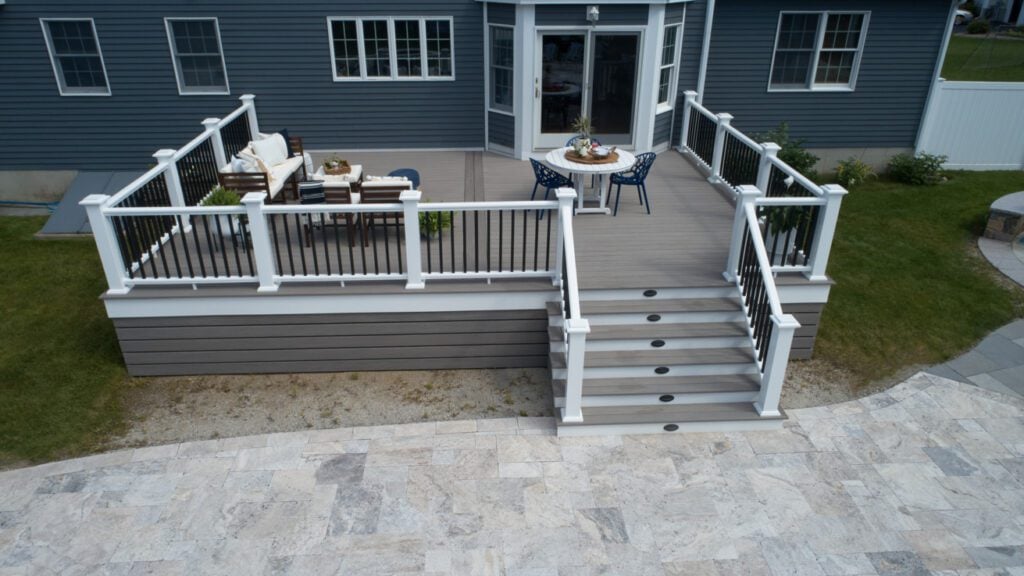
For example, the additional cost may be worth it for a pool deck where the boards are regularly exposed to water. A waterfront deck or a home in a particularly wet or humid climate is another great example.
The initial material cost isn’t the only expense to consider, either. Over the years, you’ll also spend time and money cleaning, maintaining, and potentially refinishing a deck.
Paying more upfront for a low-maintenance material can be a worthwhile tradeoff if you’d rather spend that time enjoying your deck.
When Might PVC Not Be Worth the Extra Cost?
PVC isn’t automatically the right choice for every project.
If you want to keep the initial material cost as low as possible, there are less expensive decking options available.
If what you really want is the character of natural hardwood, PVC may not give you the authentic look and feel you’re after.
It’s also worth considering how the deck will actually be used. A lightly used deck in a mild climate may not benefit as much from PVC’s premium features as a large pool deck or waterfront entertaining space.
So, Is PVC Decking Worth the Extra Cost?
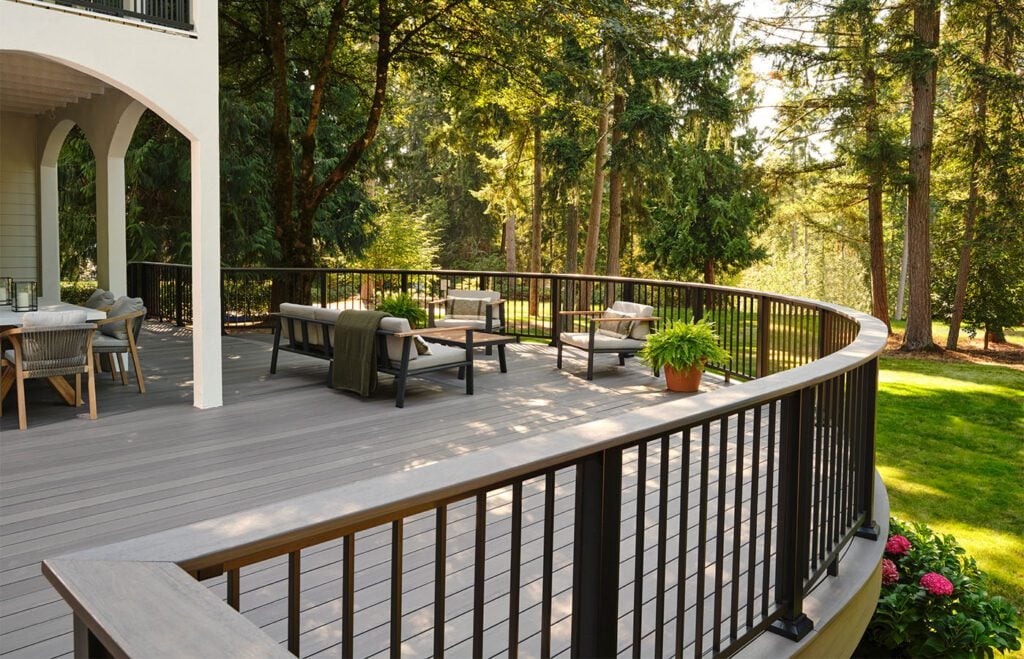
PVC decking can be worth the extra cost if low maintenance, moisture resistance, and long-term appearance are high priorities.
The higher upfront price gets you more than a decking material. You’re also paying for less maintenance and a material that’s well suited to wet environments and long-term outdoor use.
That said, PVC isn’t necessarily the best value for everyone. Natural hardwood can provide exceptional durability and a genuine wood appearance, while composite decking offers another balance of price, performance, and maintenance.
Ultimately, the best decking material is the one that fits your budget, climate, how you use your deck, and how much maintenance you’re willing to do.
Ready to Compare Your Decking Options?
Whether you’re considering PVC, composite, or natural hardwood, Advantage Lumber has decking options for a variety of projects. Explore our decking selection to find the material that’s right for your outdoor space.